


The movie Emma Stone was accused of ruining: “Yes, I totally fucked up”

There are few actors that willingly take on the behemoth task of starring in a one-take movie, a challenge that seems so monumental despite the very existence of the neighbouring art form that is theatre. But alas, more variables and logistical problems crop up when elongating the film format, with cameras, sound recording and lighting to think about when shooting something continuously. However, of all the actors working today, it is unsurprising that one of the most daring performers in Hollywood was able to rise to the occasion at the age of 25, despite being convinced that she had messed it up completely.
Emma Stone is now infamous for her bold choice of projects and dare-devil approach to filmmaking in which she takes risks in everything she does. Whether it be the controversial character of Bella Baxter in Poor Things, or the transformative power of musicals in La La Land or the jarring superficiality of Whitney in The Curse, Stone continues to showcase the full range of her wonderfully odd interests and creative talent, opting to work with the weirdos of Hollywood and make truly cutting-edge art that challenges the very notion of entertainment.
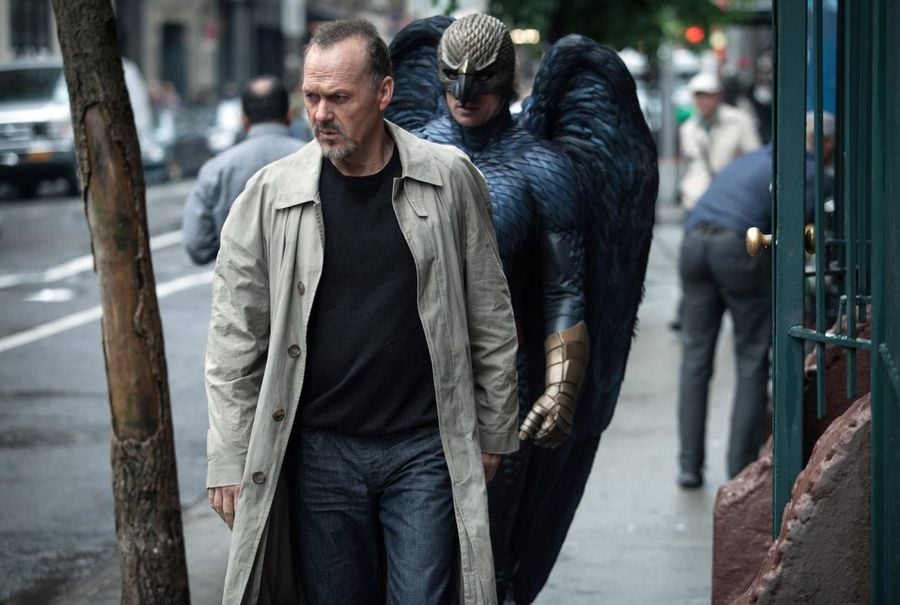
However, the decision to work on projects like this is not always easy, and in the case of her 2014 role in Birdman (or the unexpected virtue of ignorance), Stone later spoke about the intense pressure of working on a project of this scale, especially as a relative newcomer who was starring alongside acting titans such as Michael Keaton, Edward Norton and Naomi Watts. Stone highlighted one scene in particular that she struggled with, describing a blocking mistake she made in one scene with Norton and Keaton.
Stone said, “Yes, I totally I fucked up. That scene with Michael [Keaton] and Edward [Norton] on the stage where he’s like, ‘That’s a fuck you!’ or whatever, and I come in and lead him around the corner, there was a time where I had to move at a certain speed around the corner because that’s where the stitch was, and Alejandro told me, ‘You’re ruining the movie!’ He didn’t mean to, but he was like, ‘You’re ruining the movie! You have to speed up!’ Or slow down. Whatever. I don’t know. I just wasn’t walking at the right speed.”
It’s the kind of direction an actor usually gets only in their nightmares. It affected Stone: “I was so catatonic, just for a couple more takes. Because that whole six-minute scene that I wasn’t even in would be dashed by me. Those were the hardest days when you came in at the end of a scene”.
The ‘stitch’ that Stone refers to is the process of blending multiple shots together and making it appear as though it was shot in one take. This is usually achieved by having a ‘stitch point’ in which one shot ends and another one starts, which you then blur together and manipulate so it looks as though they are both connected. Understandably, many variables come into play when constructing the shots that need to be merged together, such as the consistency of the lighting, dialogue, and even the walking speed of the actor.
Understandably, this is a huge responsibility for everyone involved, with the entire cast and crew needing to be aware of production details that they might not usually have to think about when performing, suddenly needing to be conscious of how the film is filmed and how to integrate that into their performance.
Despite Stone’s difficulty with this scene, the film appeared to flow almost seamlessly and remains as a monumental achievement of a million moving parts that seem almost effortless in their flow and ease.
