


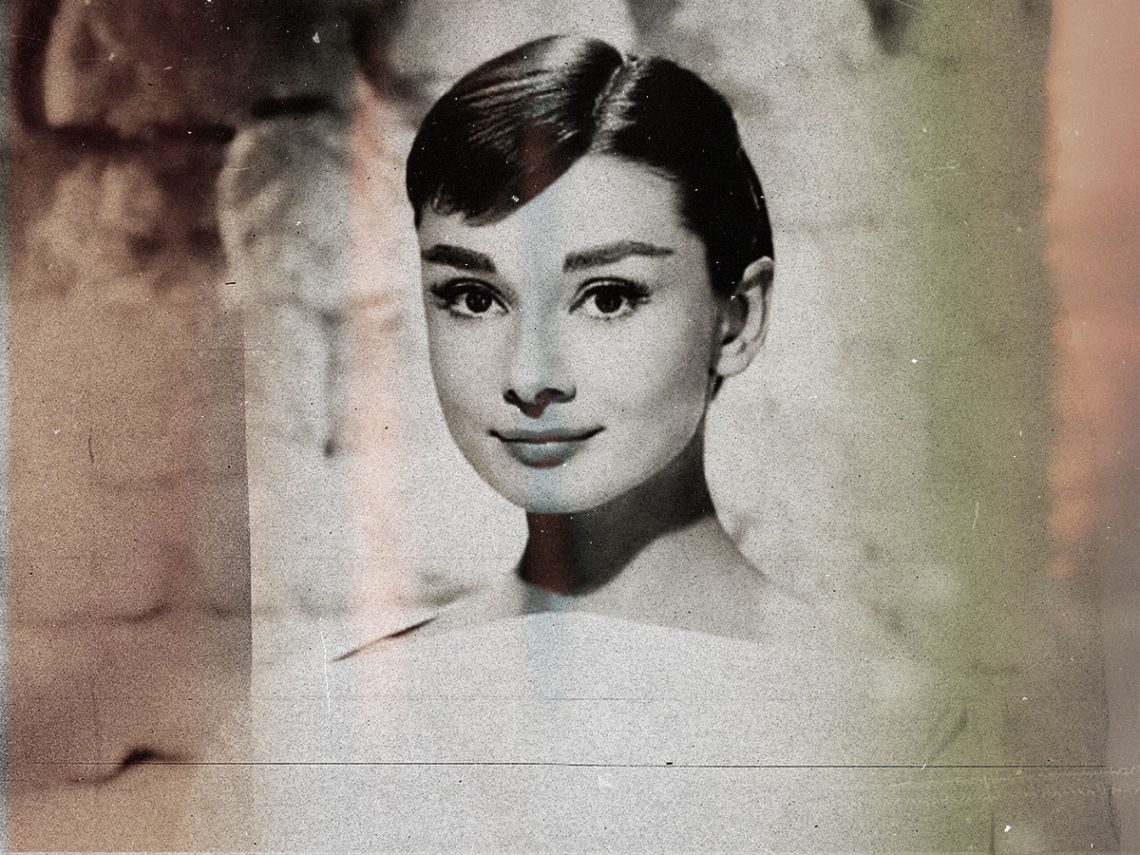
The movie Audrey Hepburn refused to make: “I could not deal with it”

There are many historical figures that many actors wouldn’t want to touch with a ten-foot pole, with the pressure of portraying a real-life person becoming almost unbearable as people compare your performance to the real version. However, for many, it seems like a quick route to Oscar buzz and critical acclaim, with Joaquin Phoenix doing so through his portrayal of Johnny Cash in Walk the Line, Denzel Washington with his portrayal of Malcolm X and Renée Zellweger through her depiction of Judy Garland.
However, it may have been a more clear-cut route to fame in the past, with the genre of biopics becoming so oversaturated that its impact has become slightly less potent. While it was seen as a surefire route to an Academy Award nomination in the past, it now feels like a slightly baity and desperate genre, with actors attaching their names to real-life people for the clout attached to these characters and the challenge of portraying them. Even if their performances are great, it doesn’t elevate the source material if it was created with the intention of capitalising on someone’s fame and sharing a pointless story.
This was an idea not lost on Audrey Hepburn, who was asked to portray a legendary historical figure and turned it down, with a very valid reason for doing so.
Hepburn was one of the most iconic leading women of her generation, whether it be her performance in Breakfast at Tiffany’s, Roman Holiday or Charade, becoming known for her sunny disposition and effortlessly captivating screen presence, as well as her impeccable style and humanitarian work. Her talent was undeniable from day one, beginning as a chorus girl in West End musicals, becoming the first woman to win a Golden Globe, Oscar and Bafta for one performance.
However, despite having spades of charisma and experience, the actor was not keen on the idea of tackling the biopic, turning down the chance to play Anne Frank. When asked about her reasoning behind this decision, she explained, “I could not deal with it.” Hepburn described how she shared many of Frank’s experiences during the war while in the Netherlands, and that just re-reading the book was too much to handle.
Perhaps roles like these are best left alone, with the story of Anne Frank and the experiences written about in her diary becoming one of the most harrowing from the many atrocities committed during the war. There are many people whose stories are widely known, but they would not do well to be portrayed on the silver screen, coming close to exploiting these traumatic experiences and sensationalising them for the sake of entertainment and profit.
While Hepburn may have drawn a line between herself and the opportunity to portray Frank, she later read aloud from her diary for a UNICEF fundraiser, nodding towards her respect for the figure and rightfully remaining on the right side of history through her decision to leave her life on the page and away from the screen. There are perhaps many people in Hollywood who could take a page from Hepburn’s book and learn about the right time to walk away from a project.
