



The album Dave Grohl and David Bowie agreed was the most important of the 1980s: “It was so necessary”

When reflecting on the decade where he rose to dominance, David Bowie mused, “I think in the ’70s that there was a general feeling of chaos, a feeling that the idea of the ’60s as ‘ideal’ was a misnomer. Nothing seemed ideal anymore. Everything seemed in between.” The world was on a precipice in the 1970s.
And it has been all downhill from there.
Quips aside, the ‘80s saw that glorious and inventive in-between largely diminish. The MTV world of the era relied on being knowable. While the videos, paradoxically, might have made about as much sense as a mime artist on the radio, they were usually unequivocally sexy, glossy, and in your face. A counterpoint needed to arise to reinvigorate the alternative world.
A band needed to come along and bridge the gap between the catchy hooks of synth pop and the bedraggled ambiguity and stark themes propagated by Bowie and the likes just a few years earlier. Thankfully, a giant screaming baby did just that.
For the kids fed up with the same old highly sellable spam, Surfer Rosa gave them a glimpse of the future, with Dave Grohl commenting, “It was so necessary at that time for someone to incorporate elements of quirky, weird punk into sweet pop.” With the guttural 1988 masterpiece, the Pixies provided that sweet spot perfectly.
In both Grohl’s ten favourite albums of all time list and Kurt Cobain’s hand-written list of his 11 favourite records, the Pixies debut sits pretty. That’s highly notable given that Nirvana would, in turn, go on to dominate the 1990s with an amplified version of that ragged incorporation of punk and pop.
“It influenced a whole generation of bands, which then influenced a whole generation, so this album is probably one of the most influential albums of the last 15 years,” Grohl added in a 2000 conversation with Melody Maker. “It probably made Steve Albini most famous for his production, too. Nirvana always made sure everyone knew we were just ripping off the Pixies.”
Blowing Bowie away…
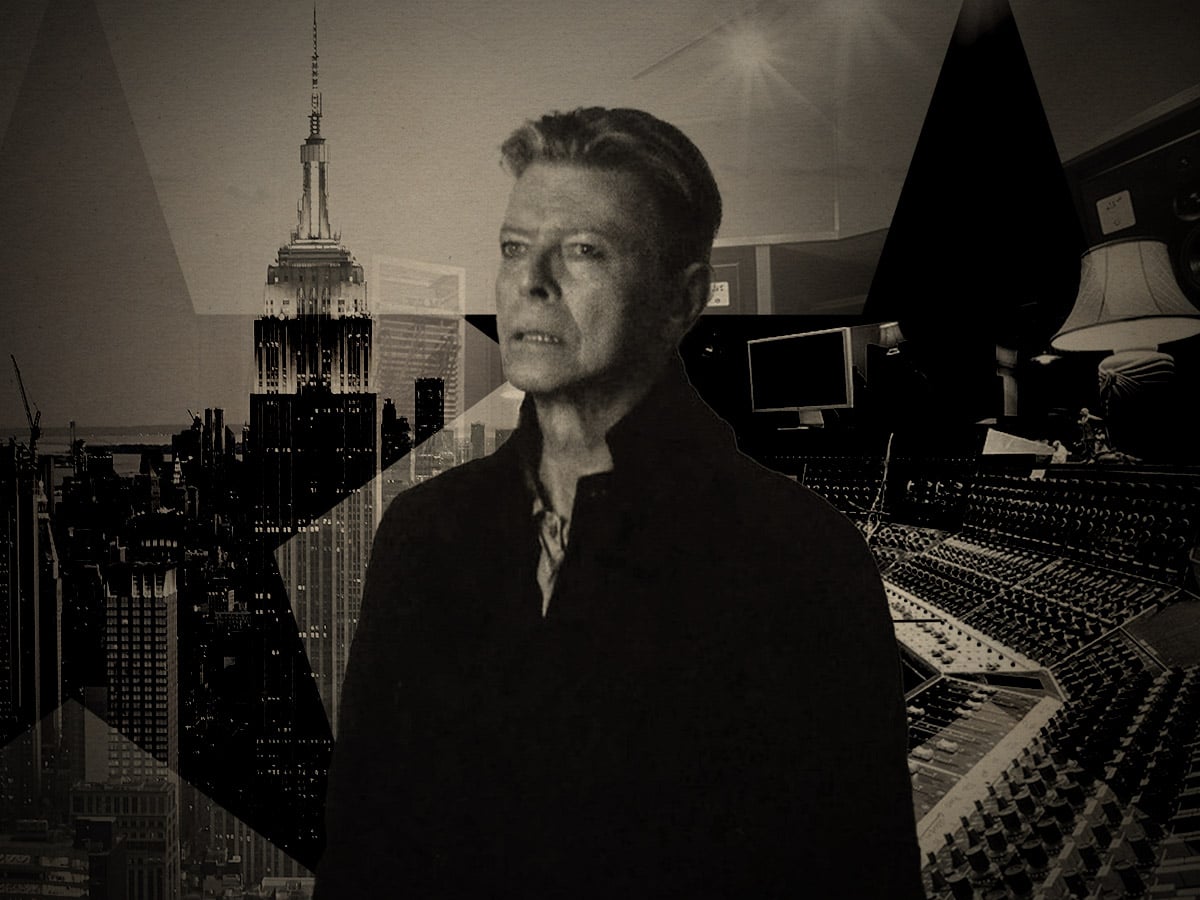
Bowie, who saw the future coming with more veracity than a weatherman on the Diomede Islands (which are divided by the International Date Line, just to contextualise that overtly niche analogy), agreed with Grohl’s appraisal of the beautiful Surfer Rosa. In fact, he tied the band behind it to another of Cobain and Grohl’s favourites, calling the Pixies “the psychotic Beatles”.



In his eyes, they had the same vital knack as the Fab Four of pairing pretty, populist melodicism with the engrossingly avant-garde, imploring people from the centre to dwell on the outskirts if only for a briefly enlightening minute. Discussing their noted impact and stirring debut, the Starman reflected, “The first time I heard the Pixies would’ve been about 1988. I found it just about the most compelling music outside of Sonic Youth in the entire eighties.”
The forever forward-thinking Bowie identified an array of distinct attributes that made their sound so innovative and essential. As he explains: “Three elements, I think, made them important is the sound of the band, which is the pure dynamics of keeping the verse extremely quiet and then erupting into a blaze of noise for the choruses.” That’s, ahem, certainly something Nirvana were very inspired by.
This was also fully-formed and on display in Surfer Rosa from the get-go. The unflinching album explored everything from incest, inmates with blood fetishes, and “fish behaviour“. Bowie saw this as revolutionary in an age where most bands were talking about love pumps and being aroused on highways. As his analysis continued, “The other thing is the interesting juxtapositions that Charles [Black Francis] brought together, quite sordid material at times, I suppose.”
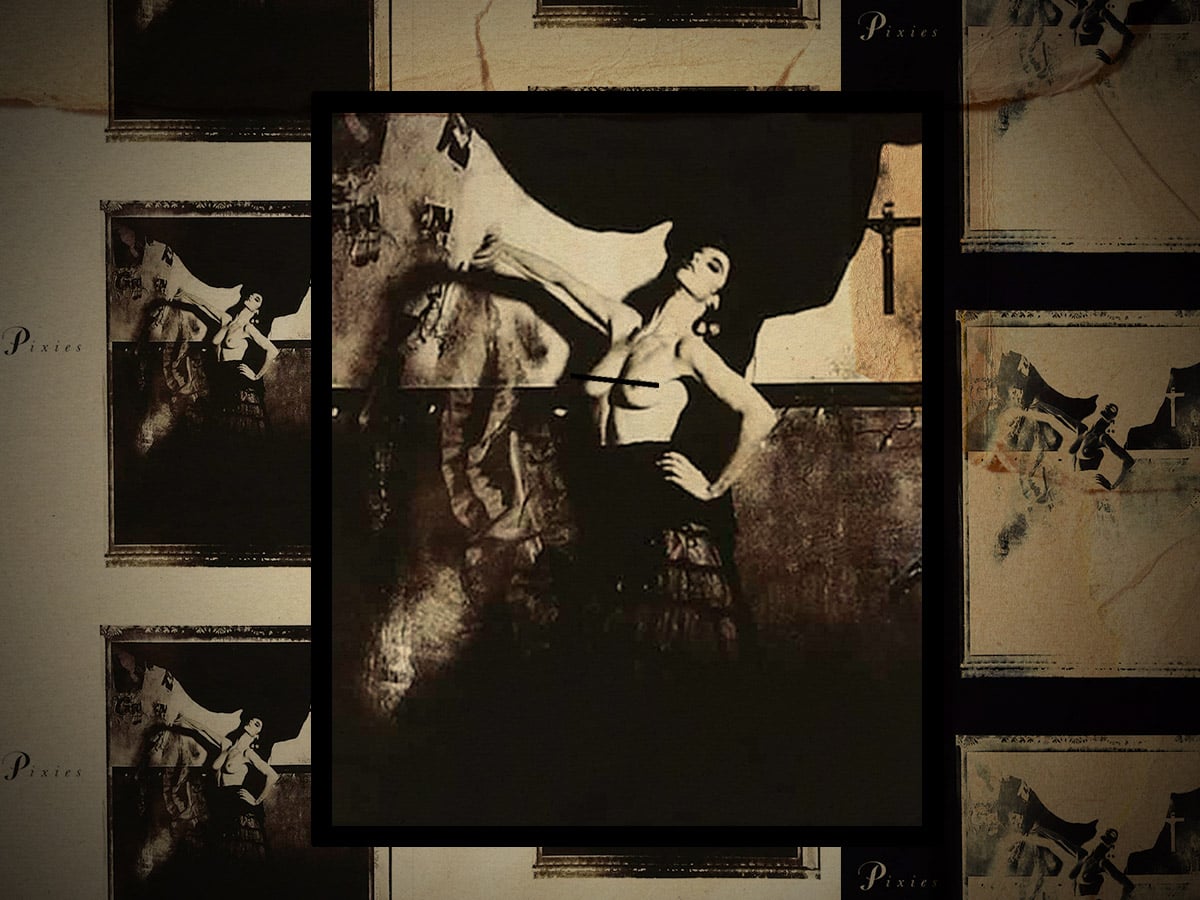
The radicalism of that alone opened up new avenues for those who lay ahead. In fact, they were even inspiring to Bowie himself, as he explained, “The permutations that he created within the different subjects that he dealt with were so unusual that it caught my ear immediately.”
Awed by the writing and the angular worlds that housed this peculiar prose, Bowie continued, “It was the sense of imagination, and I use ‘imagination’ not lightly, not in terms of it being a fantasy which most people define imagination as, but being able to understand the affinities of something and have those affinities illuminate the subjects.”
Yet, these themes often alienated the band to many Americans with notably different sensibilities from Bowie. Despite hailing from Boston, Massachusetts, Surfer Rosa was actually first released exclusively in the UK via the ever-dependable 4AD label and was only available in their native US as an import.
In the States, they were as much of an unknown entity as The Velvet Underground were in their pomp, despite the fact that Surfer Rosa was reimagining modern music in many people’s eyes. Bowie even offered up an explanation for this, positing: “In America, they just didn’t ignite people the way they ignited them in Europe. There was such a lot of sludge in America at the time, and I think the Pixies had a real hard time pushing their way to the surface.”
To some extent, though, that cult status, in an age where stars were exposing so much of themselves that you could practically tell what they’d eaten for lunch, imbued the band with the same cool edge that eventually ensured the Velvets rose from the doldrums before them. Grohl and the like recognised that these groggy oddballs singing about eyeballs, Puerto Rico, and voyeurism were a cult bridge towards bringing a semblance of “quicky, weird punk” back into the mainstream. They were right.
