


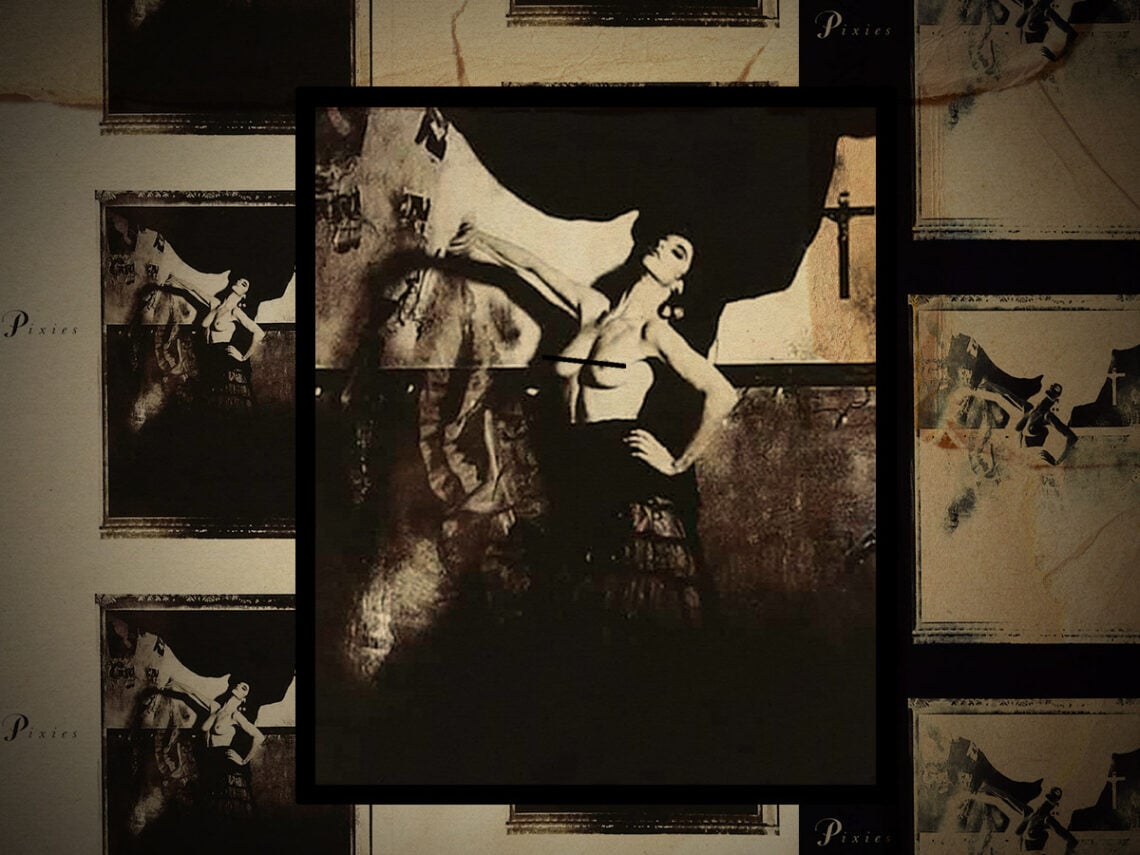
Who is on the cover of the Pixies album ‘Surfer Rosa’?

After their mini-album, Come on Pilgrim, set the stage for the Pixies to establish themselves as the band that would define indie rock for the end of the 1980s, it seemed impossible for their debut album to be a failure.
Surfer Rosa was everything that it promised to be; fearless, abrasive and laced with a twisted sense of humour courtesy of frontman Black Francis’ lyricism that covered themes of sexual taboos, religion and violent imagery.
Other acts that delved into these territories didn’t have the faintest chance of entering the mainstream, and yet, Pixies were immediately thrust in this direction thanks to the buzz that had been generated through college radio stations.
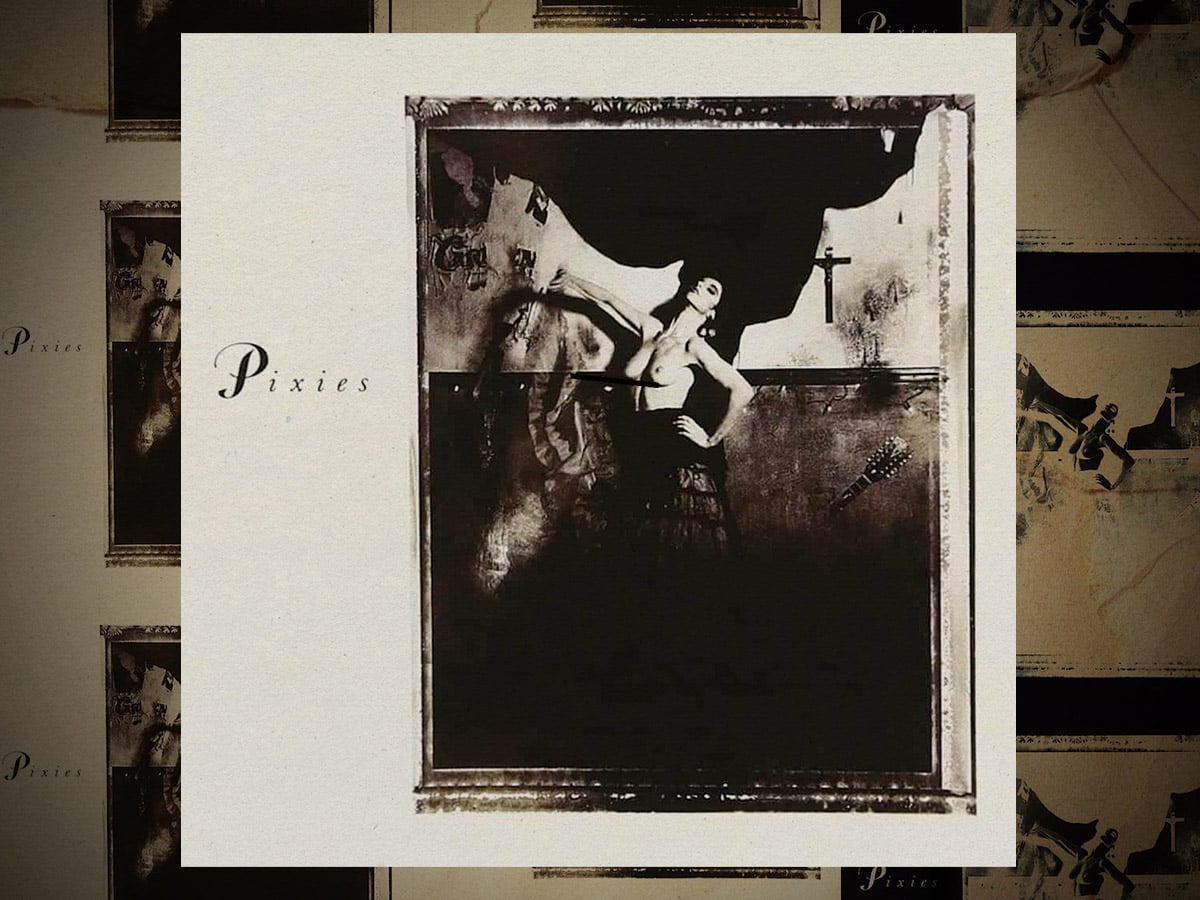
Many would argue that their follow-up record, Doolittle, does everything that its predecessor offered but better, and to be frank, they’re not exactly wrong. It doubles down on its warped themes and delivers both pop sensibility alongside primal riffs, but as deranged as the imagery on their second album’s cover appears to be, it doesn’t quite live up to the striking erotic shot adorning the cover of Surfer Rosa.
But who exactly is the topless figure on the sleeve of the band’s debut record, how did she become known as the titular Surfer Rosa, and what was it about the artwork that proved to be so controversial?
Who is the woman on the cover of the Pixies’ Surfer Rosa?
After they’d finished piecing together the album with the assistance of producer Steve Albini, the band recruited Vaughan Oliver to conduct a shoot for the then tentatively-named album, which the band eventually settled upon instead of naming it after the Kim Deal-led song ‘Gigantic’. The name Surfer Rosa was taken from a line in ‘Oh My Golly!’, where Francis speaks about fantasising over a woman he’d seen on the beaches of Puerto Rico, delivering in his trademark yelp: “besando, chicando con Surfer Rosa” [trans. “kissing and making love with Surfer Rosa”].
This line would then inspire the shoot itself, and so Oliver set to work in The Old East Hill in London, which would become known as a common meeting place for the label’s executives at 21 Alma Road. The backdrop that the photographer crafted drew from various other themes covered on the album, consisting of a crucifix and a broken guitar neck that had previously belonged to Cocteau Twins’ Robin Guthrie, but it was the topless flamenco dancer, inspired by Francis’ fascination for Hispanic culture and singing in Spanish, that proved to be the memorable centrepiece.
However, while the image is instantly recognisable to those who are versed in the annals of indie rock, not many people know anything more about the model who appears on the front. Isabel Tamen, a Portuguese friend of Oliver’s, was the woman who participated in the shoot, and she is, in fact, a dancer, having gone on to become the executive director of Richard Alston’s dance company.
When it was passed back to the band, they immediately approved of it, and the way that it fit with the various themes of the album. While it proved to cause something of a stir outside of the group, with detractors considering the nudity being placed alongside religious symbolism to be blasphemous, it’s gone on to be regarded as one of the most iconic album covers in the indie rock world, and one that’s fitting of an album that dives into such depraved themes.
