


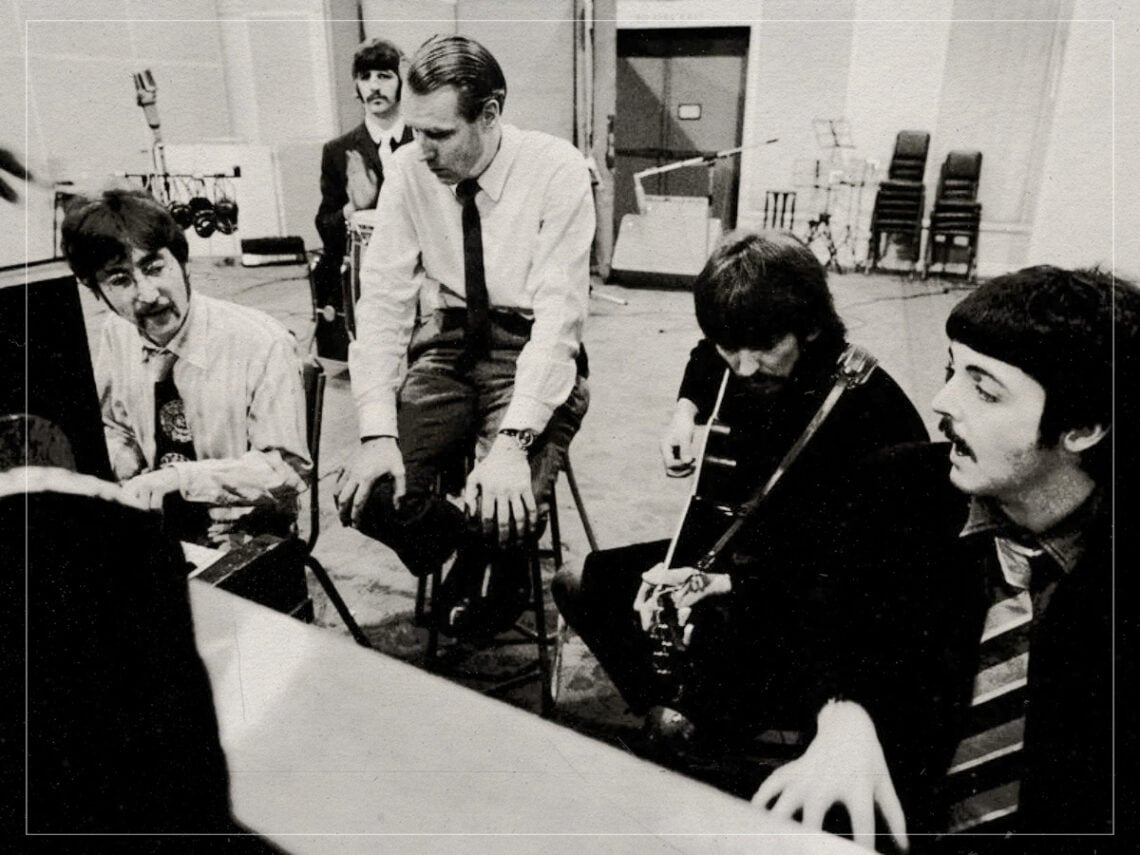
The most accomplished 1969 Beatles album, according to George Martin

The thing about The Beatles was that they sounded their very best when they all hated each other.
In the early days, the four likely Liverpool lads were wide-eyed and charmed by the newfound fame their music had garnered, and so continued to churn out pop hits fitting of this new cultural reign. They would stand on stage, smiling at one another and wondering just how they had got to this globally famous point.
But then the veneer wore off and the shards that shattered dug their way into the band’s own relationships, fracturing lifelong friendships that were now under threat from creative differences and industry bureaucracy.
Paul McCartney’s ideas pissed off John Lennon, who was pissed off with everyone. Somewhere in that division, George Harrison’s own ambitions were stifled and suddenly songwriting sessions became therapeutic thrash-outs that indirectly settled scores.
It was the job of producer and so-called fifth Beatle George Martin to keep the band on track despite their growing divisions. He had to channel this tension into music, not avoiding but harnessing the yin and yang that now existed in this band to create music that represented all sides of them, which, to his mind, was perfected on Abbey Road. It took time, however, for their first dive into experimentation seemed to worryingly grow the division.
He explained that on Sgt Pepper’s Lonely Hearts Club Band, he “thought we were establishing a new art form, and I tried to get the boys to think in symphonic terms. I would say to them, ‘You’re going to write a song, work it so that you can write another song and then bring the two together, have a counterpoint, bring in little melody here and there that’s a fragment of the other one and develop a whole sequence like a symphonic work’, and Paul thought it was a great idea. John didn’t.”
The fracture between the two felt ever-present on Sgt Pepper’s, which, as Martin outlined, was Macca’s baby. But by the time Abbey Road rolled around, Lennon and the rest of the band realised that the two sides of the record could perfectly represent what now felt like the two sides to The Beatles. On one, Lennon could explore his heavier tendencies, while the other could scratch McCartney’s symphonic itch.
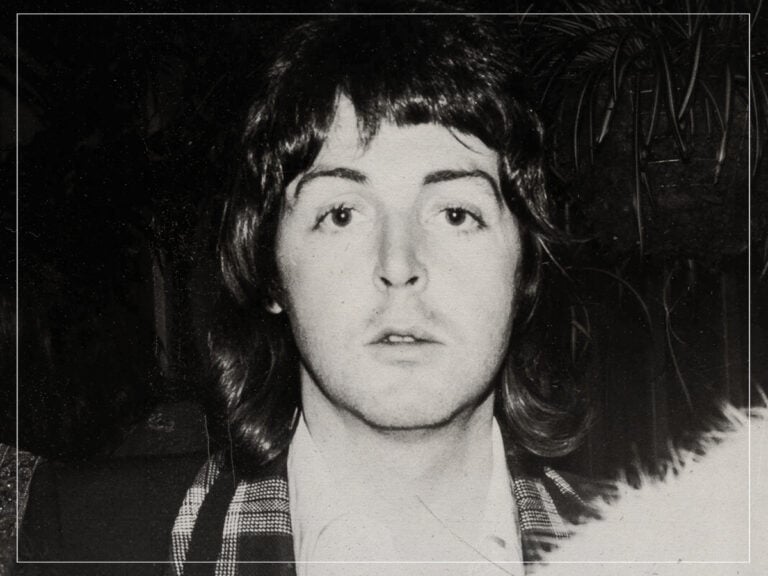
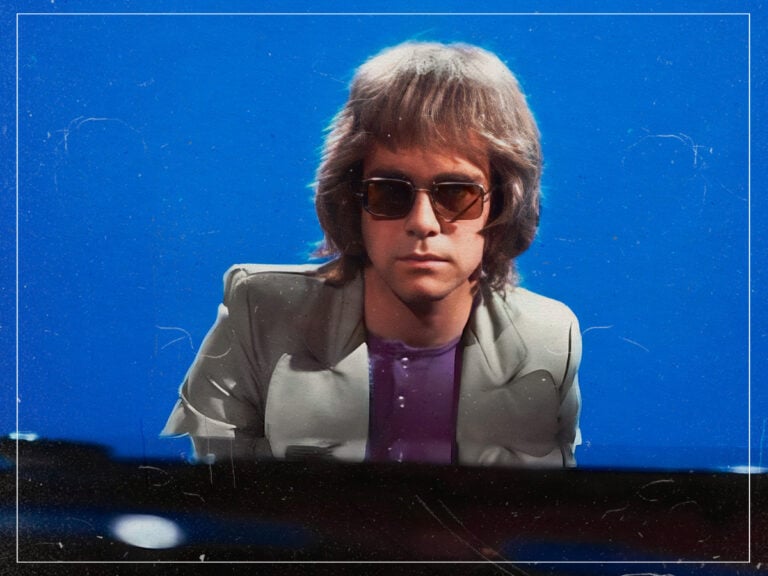
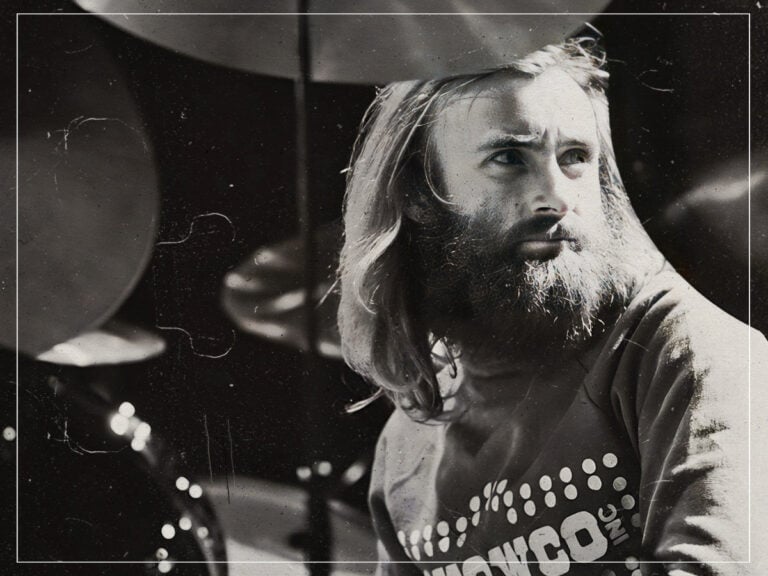
Martin continued, “John was a rocker, he wanted a series of rock tracks, so we compromised with Abbey Road and one side of them is just tracks, but with notably a song like ‘Because’ which is really quite a classic song from John as one of those tracks. But then a song like ‘Come Together’, which was a fantastic rock track. But the long one was Paul evolving the symphonic idea, and John contributed to that a lot too, and we wedded together, and I think it’s really one of my favourite works, the way it all blended in, and I think we were really getting somewhere. I don’t think anything has been done quite like that.”
While Martin may have viewed Abbey Road as the record that showed how the band were getting somewhere with their music, for the members, it felt like a fitting ending. A record where they maximised their songwriting given the conflict that existed between them, and so bowed out on an album that erupted, but never spilt over.

Never Miss A Beat
The Far Out Beatles Newsletter
All the latest stories about The Beatles from the independent voice of culture.
Straight to your inbox.