


“I Won’t Shut Up”: The meaning behind Fiona Apple’s 2020 feminist anthem ‘Under the Table’?

It’s no wonder so many songwriters squirm under the age-old line of inquiry of what a certain song is all about, or what a line really means.
Remember the extremes The Beatles or Bob Dylan would go to get out of answering such a question, or how awkwardly Fiona Apple has evidently felt over the years under such scrutiny? Courtney Barnett looked like she wanted to be anywhere else in the world, answering any other question at all when asked recently to explain the meaning behind her new song ‘Mostly Patient’ when doing the rounds promoting Creature of Habit.
Regardless of whether the question is being asked by a journalist in good faith, or else is simply posed in order to pad out their question count, the best way to truly find out the deeper meaning behind any given song is to simply spend more time with it, letting it wash over you, drench you to the bones until it starts speak to that place deep down inside of you that only the most special writing can reach.
Maybe more so than almost anybody else alive, Fiona Apple’s songs can stand up and speak for themselves and don’t need someone like me to come along and tell you what to think of them, or how they ought to make you feel.
Whether it’s the transcendent, beautiful and crushing pain that shoots through ‘Paper Bag’ (I just can’t get over the audacious and dazzling “He said, ‘It’s all in your head’, I said ‘So’s everything’, but he didn’t get it”), or the swaggering, blistering confidence of the earlier ‘Criminal’ (where she deftly and ingeniously flips the standard male/female relationship power-dynamic in the opening statement that “I’ve been a bad, bad girl / I’ve been careless with a delicate man”), Apple is a master when it comes to expressing the broken, twisted, brutal beauty and wonder of being alive in this world.
She explodes and obliterates the enormity of deeply personal and singularly felt problems and predicaments into sparkling pieces that are small enough to share out amongst each and every hung-out person in the whole wide universe, and in doing so makes the insularity and loneliness of her suffering and lines into a warming, harmonising communal experience.
She did it brilliantly in every song on When the Pawn…, on Extraordinary Machine and most recently, and perhaps especially, on Fetch the Bolt Cutters. Just listen to songs like ‘I Want You to Love Me’, ‘Shameika’, ‘Relay and Cosmonauts’ to hear what I mean, and maybe, more than any other song on the album, ‘Under the Table’.
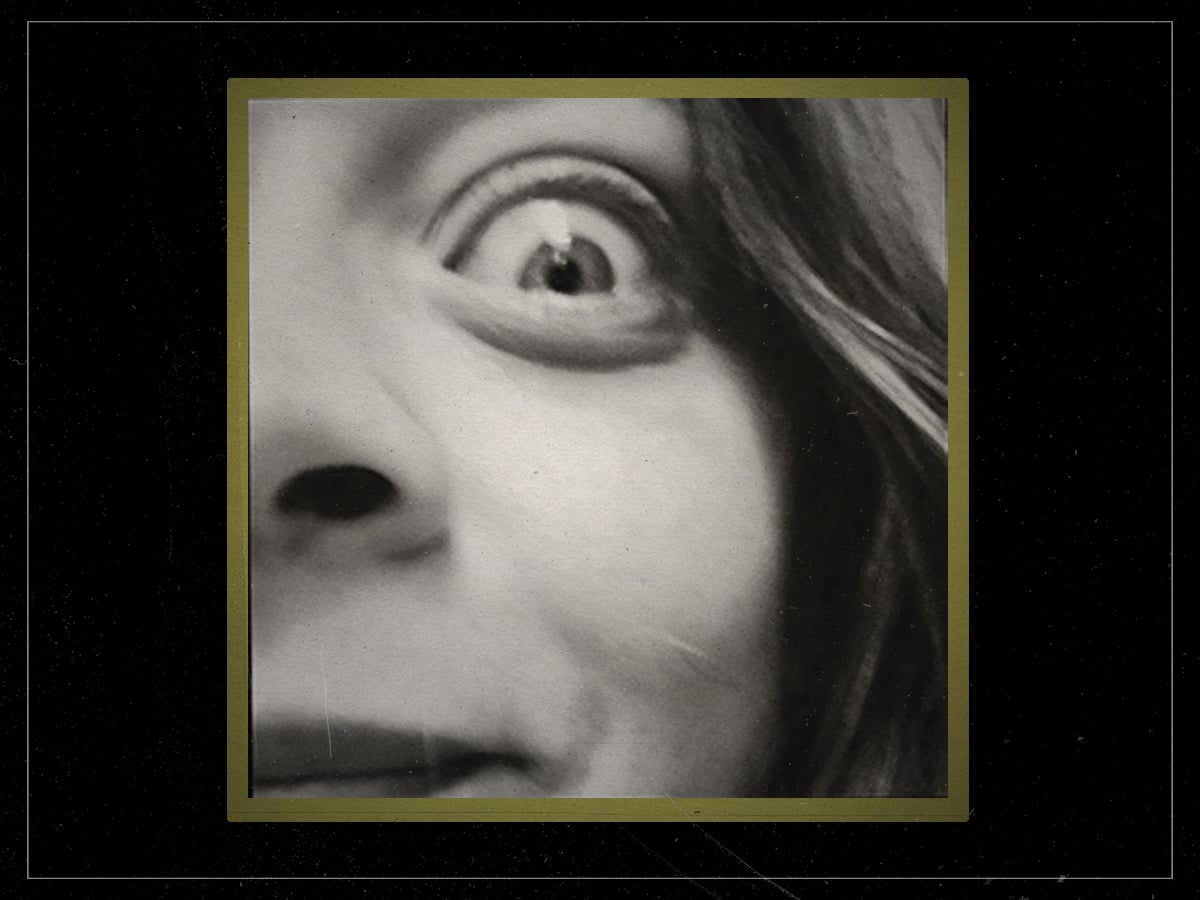
Speaking to Rachel Handler in 2020, when the album came out, Apple explained that ‘Under the Table’ was inspired by a real-life event in her life. “This was inspired by a particular dinner where there was lots of expensive wine and lots of bragging about things I wouldn’t brag about”, she said, “I won’t say too much about it, but somebody said something I thought was offensive. It was not the kind of dinner where you’re supposed to call somebody out. But I didn’t want to be there in the first place. So I called the guy out. And may have messed the dinner up a little bit.”
“But I was right”, she adds, and I, for one, believe her.
But as much as ‘Under the Table’ is a song about a particular occasion, a particular night in a particular city where a particular kind of man said something particularly offensive, it’s also a song about the entire and broader history of the world. It’s a song that sums up the insidious, oppressive and systemic role that toxic masculinity has always played in society, where women must remain subservient and, crucially, silent in order to earn their place at the table.
It’s when Apple breaks out of her pre-ordained role as silent, compliant companion and speaks her own mind that the backlash begins, and the kicking starts. On a more public scale, this violent retaliation can be compared to the media campaign and smears against Amber Heard when she had the temerity to speak out against her accuser. She was promptly put back in her place and was both publicly and devastatingly reminded of the accepted order of things.
The song also speaks to the way that women who have reported instances of sexual assault or harrassment in the workplace can find themselves ostracised and isolated sooner than the perpetrators are ever likely to be, and according to an extensive 2023 study of the UK film and TV industry, even go on to suffer bullying, coercive behaviours from management and ultimately risk losing their job security as a result of speaking out about the crimes committed against them.
But, just as in ‘Criminal’ before it, in ‘Under the Table’ Apple seeks to redress that power imbalance. “Kick me under the table all you want”, she quietly but unwaveringly asserts, “I won’t shut up, I won’t shut up”. Things have changed, and the old ways won’t wash anymore.
She’s had enough, and frankly, so too should everybody have by now. If you disagree with her perspective or point of view in this song, it’s likely because of your own internalised comfort with the status quo, and the way that the long and oppressive arm of patriarchy benefits your own position in life. But Fiona Apple isn’t worried about those on the other side of the debate so much. She knows that she is in the right and that, eventually, her position will prevail. “I would beg to disagree”, as she sings in the opening refrain, “But begging disagrees with me”.

Never Miss A Beat
The Far Out Punk Newsletter
All the latest Punk content from the independent voice of culture.
Straight to your inbox.