


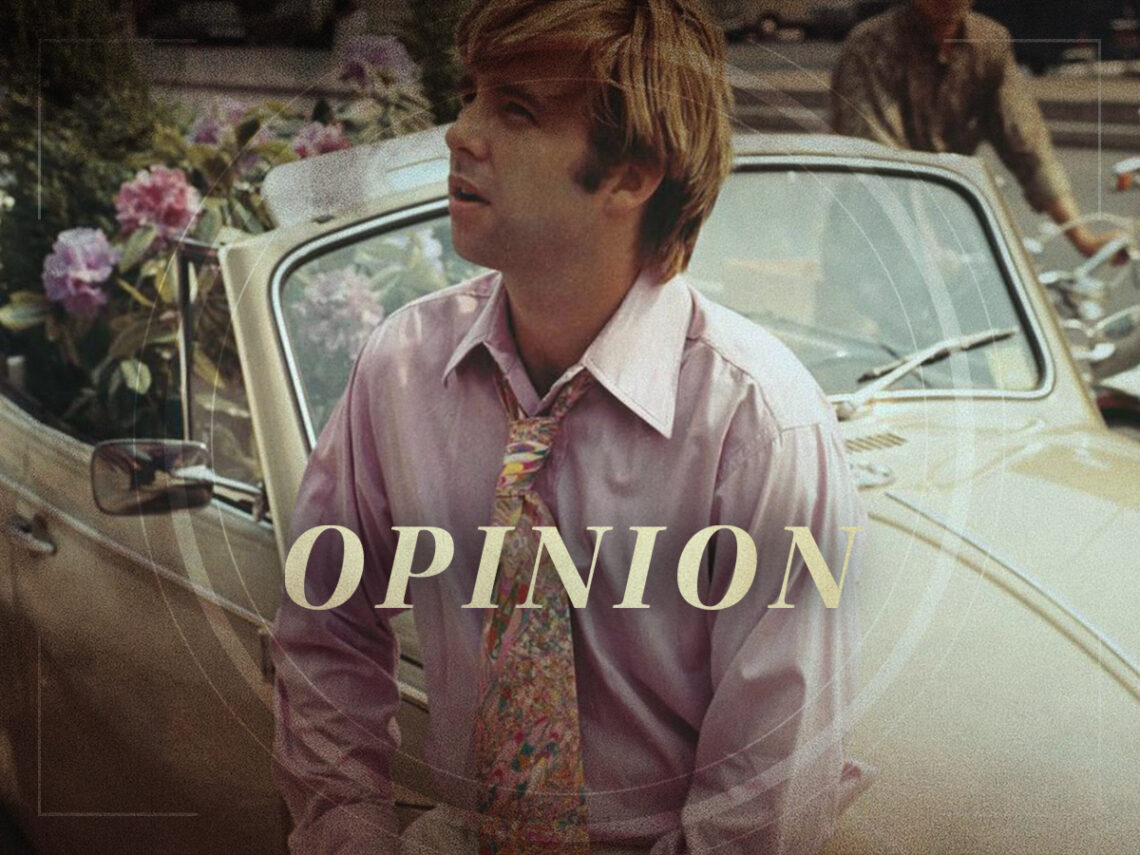
‘The Landlord’: unpacking the politics of Hal Ashby’s debut feature

There was perhaps nobody as influential as Hal Ashby during the start of the New Hollywood movement, with his 1971 film Harold and Maude largely being attributed as the catalyst of the creative revolution that changed cinema forever. The director was a force of nature with ideas that weren’t always immediately understood. He made complex films often ahead of their time in the socio-political conversations he chartered, and the clear satirical threads that undercut each joke.
However, as revolutionary as he was, with an assuredly contemporary vision that led to films like Being There, Shampoo and The Last Detail, his time in Hollywood was particularly fraught, being treated unfairly by those in power who milked him for his talents before discarding him after he began struggling with addiction. His final film, 8 Million Ways to Die, was completely hijacked by the studio executives, with the edit being stolen from him and butchered into something he no longer recognised as his own, eventually leading to his leaving the industry forever.
While Ashby’s story is inherently tragic, and it’s hard to comprehend the stories he could’ve made had his career not been so abruptly cut short, it is important to remember his legacy and dauntless vision, something that was visible from the very beginning after his scathing debut feature, The Landlord.
The Landlord follows a 29-year-old man called Elgar Enders, who runs away from home and decides to buy a block of flats in Brooklyn. He originally intends to evict the Black tenants who live there and convert the place into ‘posh’ flats, but soon has other ideas and decides to become a landlord.
Played by the Beau Bridges, Elgar is an extremely sheltered and privileged young man who has never struggled or been exposed to the real world in any way, leading a life of luxury as people wait on his hand and foot in the comfort of his parents’ mansion. But as a result, his whims are also ideas turned into action, with a fleeting interest in owning property suddenly getting out of hand as he finds himself responsible for the well-being of the tenants who live in his newly purchased building.
After living in a bubble his entire life, and one that only consists of other rich white people, Elgar has no grasp of the issues that face his tenants, being met with a shock as he encounters their complaints about the poor plumbing and lack of basic services, with each flat crumbling apart and proving to be quite a serious job for someone who has never worked a day in his life.

He appears to have good intentions; he genuinely seems to want to do better for the people in his building and even strikes up friendships with some of them, promising to fix the issues in their homes and increase the standard of living. But while he might mean well, Ashby slowly twists the knife through his careful examination of guilt, white privilege and the transparency of Elgar’s saviour complex, something that only causes more harm than good as he attempts to prove himself as better than his parents and wreaks havoc on everyone’s lives.
After purchasing the building and putting in some work to make it more liveable, Elgar feels pretty good about himself and his efforts to integrate with the community that lives there, thinking of himself as very liberal and progressive for forging friendships and a good rapport with his tenants. His family are disapproving of his business ventures, making racist remarks about Black people and warning him against growing any closer with them.
Through his relationship with his family, we see that Elgar is less interested in actually being a good person and in using his relationships with his Black tenants to prove that he is different to his parents, even if subconsciously. He wants to be an open-minded person who uses his money for good, and yet in doing so, he falls into the trap of viewing this venture through the lens of his own self-actualisation, something he also does through starting romantic relationships with two Black women.
Lanie, played by Marki Bey, is a mixed-race dancer who strikes up a relationship with Elgar after they meet at the club where she works. He assumes that she is white, and she corrects him, describing her experiences of growing up between a white and Black household after her parents’ divorce. Elgar is smitten by her, and they soon begin dating, something that is complicated by the fact that he is also entertaining a flirtation with one of his tenants, Francine.
He goes too far with his ‘liberated’ white man act, sleeping with Francine while supposedly very committed to Lanie, leading to her getting pregnant. It causes a giant mess that fractures the relationships between everyone in the building, shattering their trust in Elgar, who was supposed to be the next great thing for the building and a fix for all their problems.
The film ends with the 29-year-old man fleeing from his mistakes after Francine has her baby and Lanie leaves him for his infidelity. The building is left in disarray after Elgar causes more chaos than was there to begin with, with the new mother begging him to take their baby and asking him to raise the child as white. But as a sheltered rich kid who cannot deal with responsibilities of any kind, he races towards the one person who has the same lived experiences that this baby will have, returning to Lanie and asking her to raise the child.
At the time it was released, few people were making films about these issues, exposing the contradictions within Elgar’s behaviour and how his desire to help only stems from his need to alleviate his guilt over being privileged, an issue that has only intensified in recent years. Ashby was thinking ahead of the times in ways that nobody else was, blowing the lid off white fragility and Elgar’s hollow attempt to do the right thing, only causing more problems as he becomes the very person he had always been, despite trying to outrun him
