


Soundscape of a City: the iconic sounds of Hong Kong

Around 7.5 million people call Hong Kong home, and one of the world’s great visitor destinations.
Every city has its own soundtrack, noises that mark its territory and are unique to that place, but Hong Kong has perhaps the most iconic soundscape on the planet, which is fiercely functional, able to warn or inform, while also being a nostalgic history lesson.
With its famous neon signs, skyscrapers and light shows, it would be easy to think of it as a city of light, but it’s the distinctive noises that are so special, such that whether you’re on Hong Kong Island or in Kowloon or the New Territories, every part is a unique place with a unique sound that acts to signpost its past, present and future.
When you first arrive in the city, it’s loud and busy, allowing it to feel overwhelming at times, but as you acclimatise to the pace and sounds begin to feel oddly comforting, you might even miss them when you leave, so if you’ve been before, or are yet to visit, here are the essential and iconic sounds that ring around Hong Kong city.
Exploring the iconic sounds of Hong Kong:
The pedestrian crossing
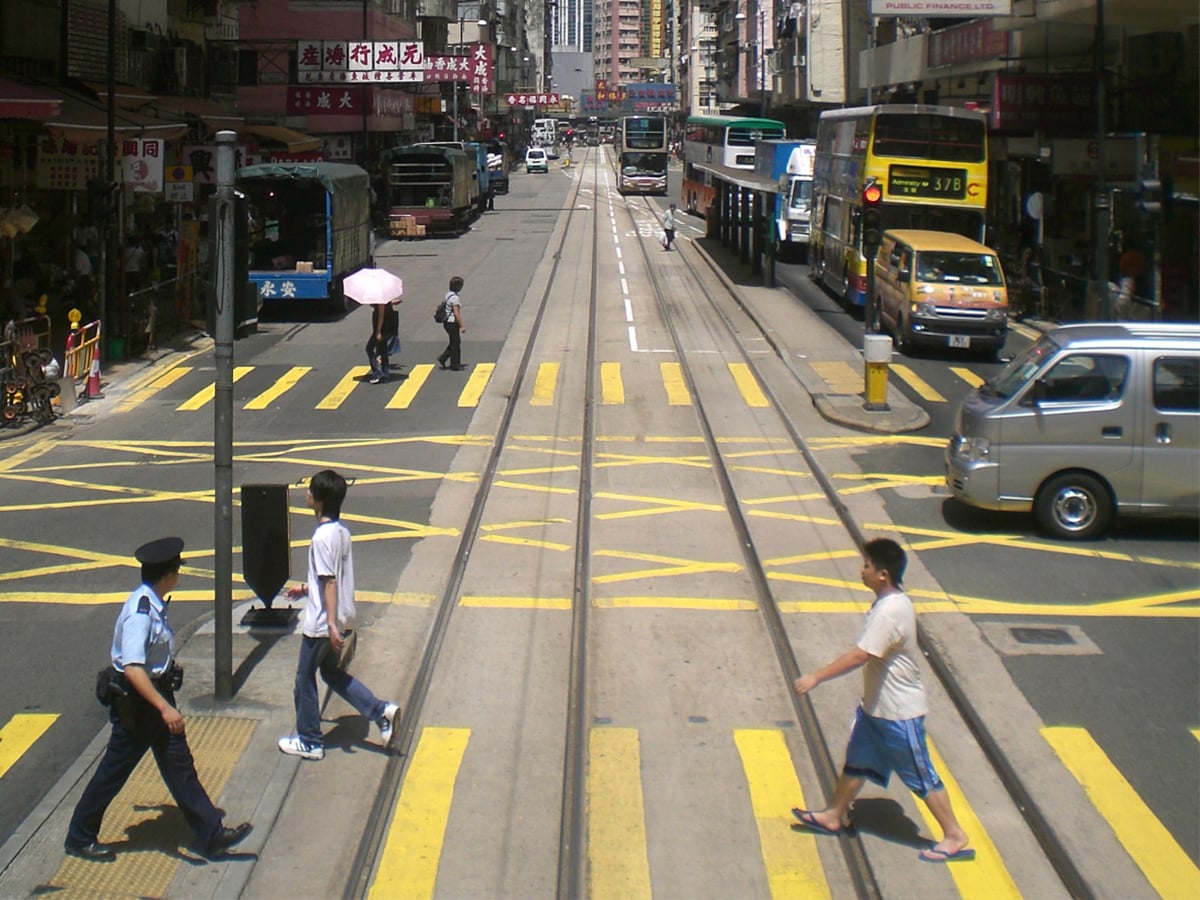
This is the sound of Hong Kong and perhaps the most iconic sound in Asia, with the pedestrian crossing acting as a beautiful mix of form and function. The red light is reflected in the slow and steady beep, before it accelerates into life as the red flickers to green.
It urges pedestrians to move and cross quickly, and has become synonymous with Hong Kong itself, a city that can feel both calm and chaotic all at once, where you can get a brief moment of peace before being caught in a storm of people, and the famous crossing noise really exemplifies that. In busier areas of the city, you can often hear many different crossings at once, creating a patchwork, almost like a pulse, that fills the air. It’s the rhythm of Hong Kong and a noise that won’t leave your mind the second that you board your flight home.
The MTR door closing warning
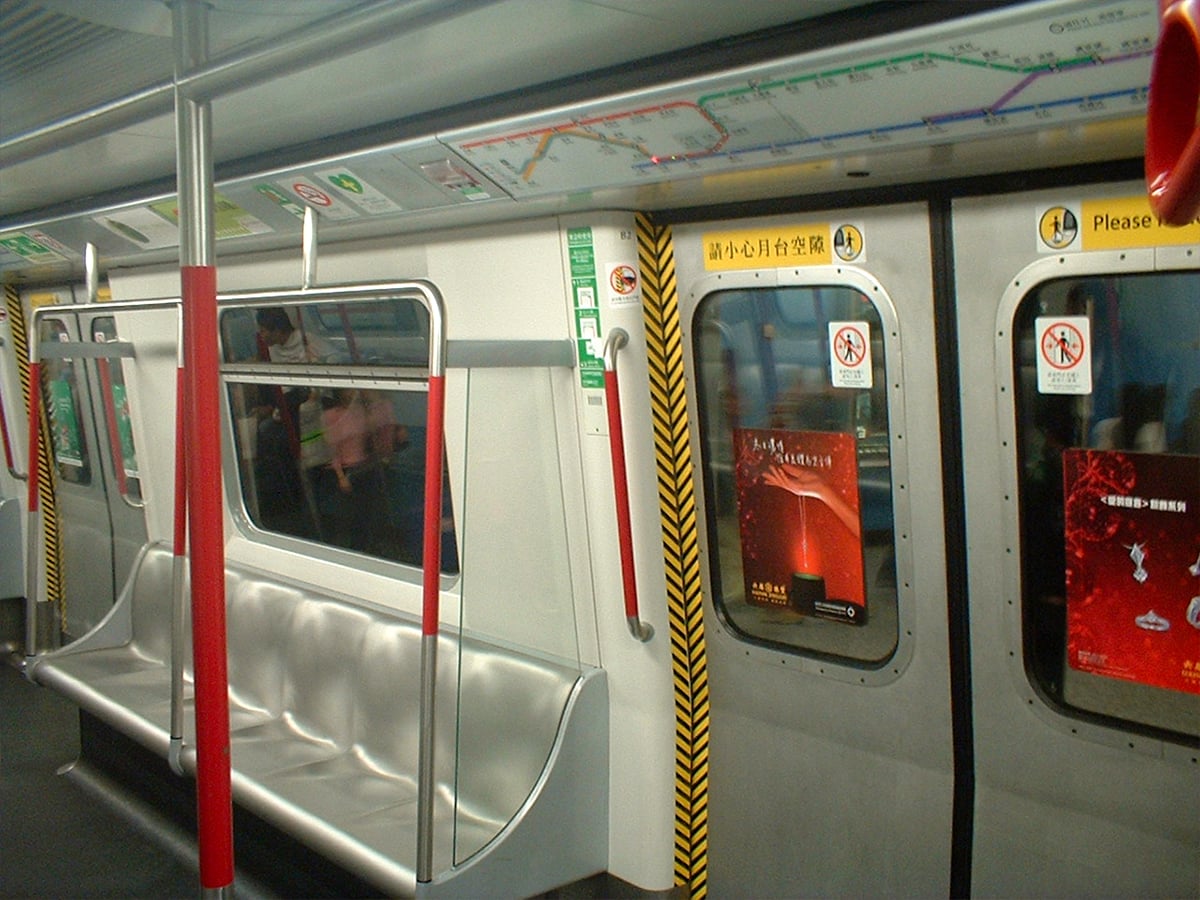
If the pedestrian crossings sound like the city’s heartbeat, then the MTR is surely its blood vessels. The Hong Kong mass transit railway is effectively their tube or subway, and has been operating for over 110 years at this point. Over 4.8million people use the city’s metro lines on a daily basis, getting to and from work, and crossing the city.
It’s efficient, clean and perfectly encapsulates where Hong Kong sits, both as a former British colony and now, a special administrative region of China, especially with the city’s native tongue, Cantonese, used as well as English and Mandarin, for announcements, really underlining how multicultural and global the city is. It has a proud past and maintains a hugely important place in the future too. Aside from the symbolism behind the choice of languages, it’s delivered with a rhythm that makes it a relaxing sound.
The tram bell
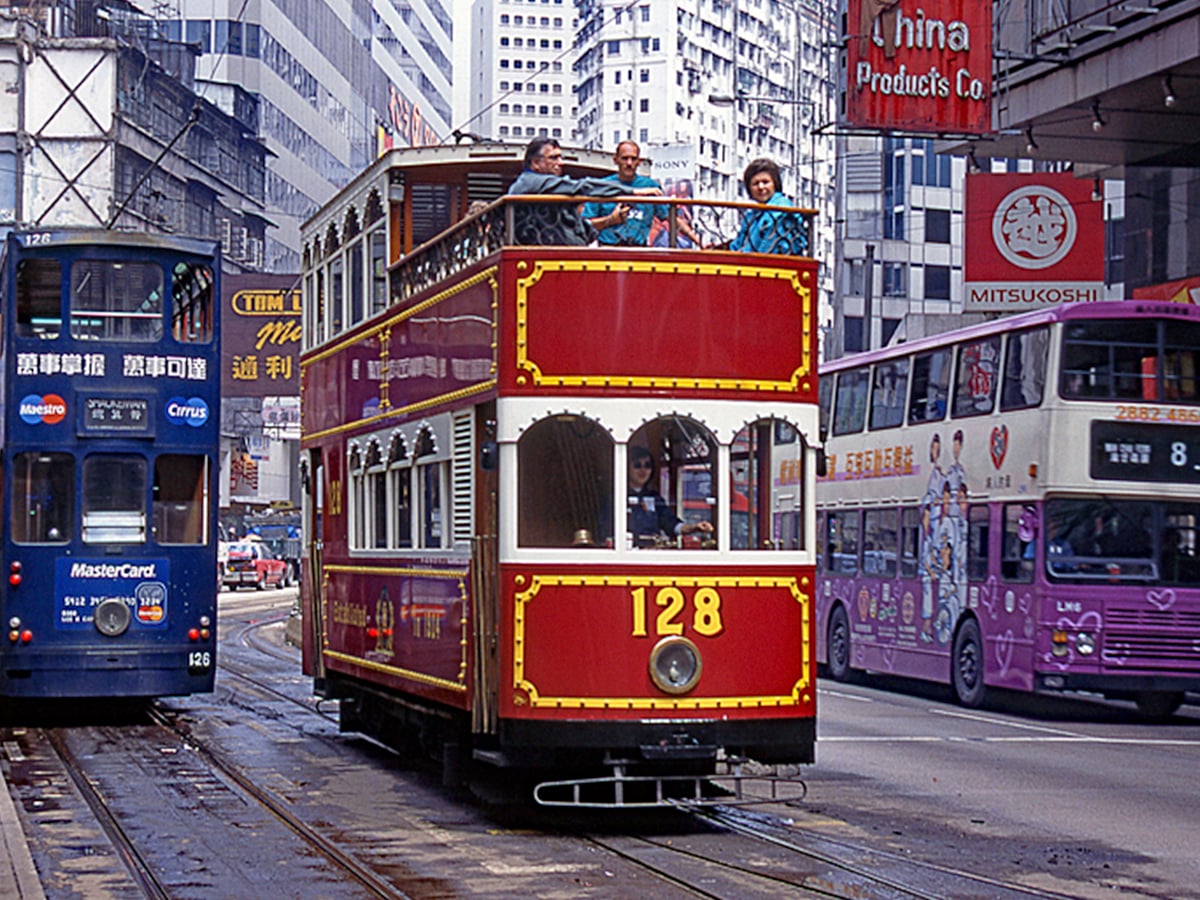
Hong Kong’s tram network on Hong Kong Island is a throwback to a forgotten era. It is still used daily by a huge number of locals, as well as visitors, and as the trams glide up Des Voeux Road, you can see the juxtaposition of the huge, modern financial buildings and the colonial history that sits behind it.
The double-decker trams are affectionately known as the ‘ding dings’, which gives you a clear idea of how they sound. Now running for over 120-years, they’re cheap, affordable and eco-friendly, and still a vital lifeline in the city. Whatever the hustle and bustle along the roads, even during rush hour, the cheerful sound of the tram’s bell cuts through the air and is instantly recognisable.
The Octopus card beep
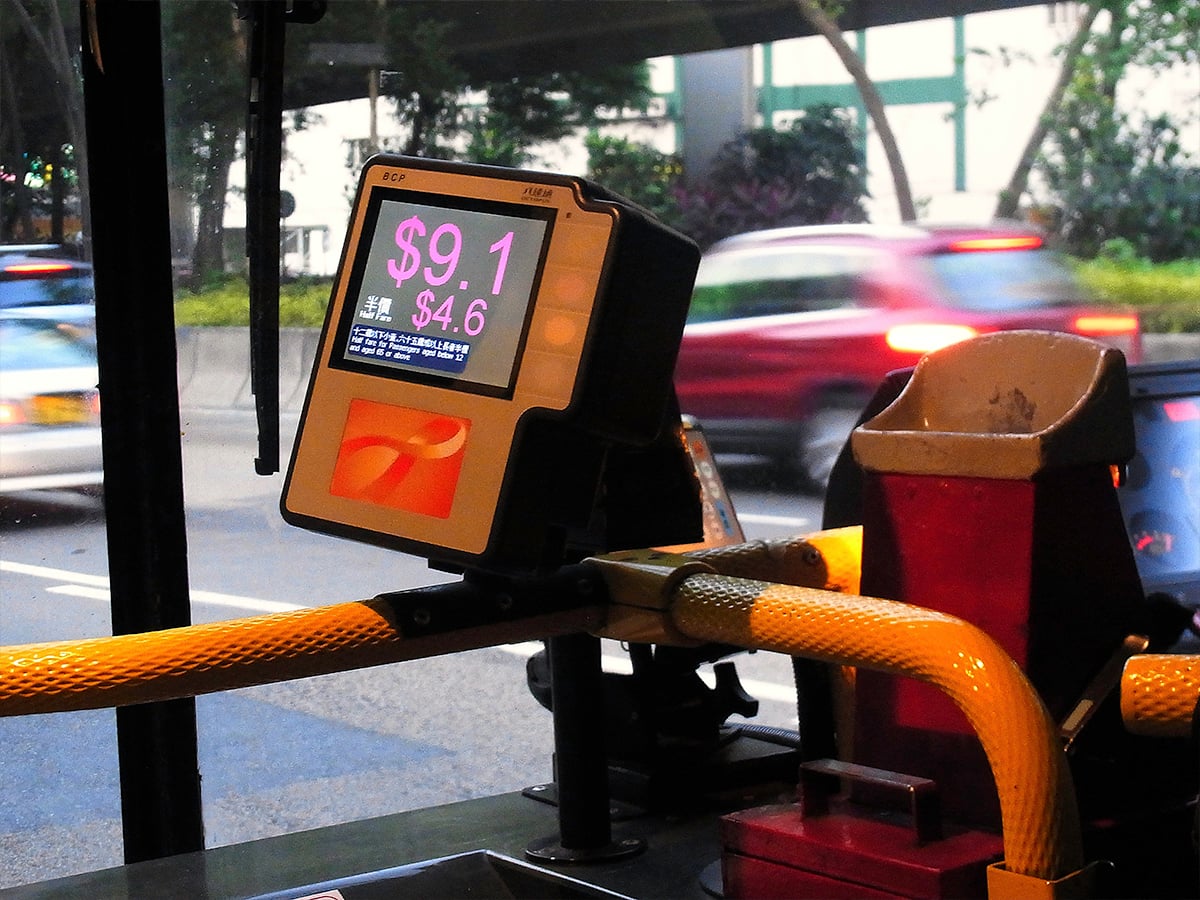
The Octopus card is the city’s travel card that also doubles as a payment method in shops and vending machines.
On its own, it has that vintage beep that sounds like you’ve hit control, alt, delete, on an old computer, but when you’re in a busy station, it becomes something else entirely, where thousands of singular beeps come together to form notes in a symphony that reaches a crescendo during rush hours, especially when busy city workers head to work or back home.
