


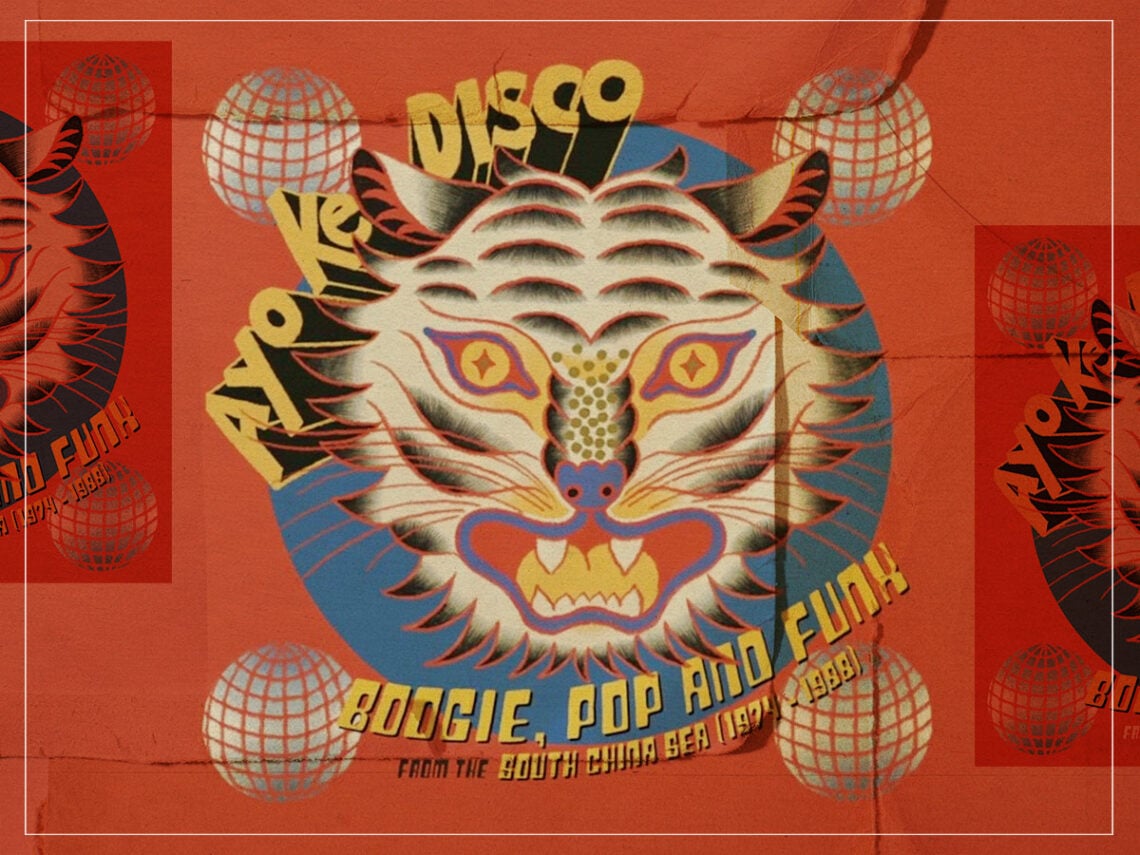
Ayo Ke Disco: East Asia’s forgotten disco-funk scene

Decades on from the end of the Cold War and the rule of Chairman Mao, China remains a somewhat mysterious nation, particularly for those in the West. Back in the 1970s and 1980s, however, even less was known about life and culture within the East Asian nation, which was largely closed off to outsiders. As a result, many of us here in the West missed out on a wealth of incredible music and art hailing from China and its surrounding territories. This includes the vibrant disco and funk scene which sprang up in the South China Sea during the 1970s.
Disco and funk music had already infected the United States and various other nations around the world by the mid-1970s, with listeners drawn in by its distinctive rhythm and infallible danceability. The grooves pioneered by the likes of Chic, Diana Ross, and Donna Summer, among countless others, soon made their way into the region of Southeast Asia. Although these records might not have been acceptable under the communist rule of China at the time, the music soon took root in the surrounding nations of Indonesia, Singapore, Malaysia, and Thailand, as well as the politically tumultuous land of Hong Kong.
Through tiny independent record labels, these countries produced their own range of disco and funk music, taking the rhythm and groove of the New York nightclubs and imbuing them with a distinctly East Asian flavour. How exactly disco-funk made its way to East Asia remains largely unknown, but the music that was released during this productive period in the 1970s and 1980s is undeniable in its quality.
Indonesia seemed to be a particular hotspot for disco-funk during this time, perhaps as a result of the fact that the 1970s was a pretty prosperous time for the nation. Groups like John Phillips and The Steps were adept in providing a modern national sound for Indonesia, as well as giving the nation’s youth plenty of groovy tunes to dance to. Much like in the disco haven of New York City, Indonesia’s disco scene was spurred on by a network of nightclubs and live music venues fostering new and emerging artists.
Nearby Thailand also seemed a natural fit for disco, having previously embraced emerging sounds of garage rock and soul back in the 1960s. Indeed, the nation provided some of the scene’s most innovative and prolific artists, often in the form of groundbreaking female vocalists like Fatimah Razak and Pongsri Woranuch.
While the disco scene in places like Indonesia or Thailand never caught on in the same way that American or even English disco music did, that did not stop artists across the South China Sea from revolutionising the genre. Not only did these records contain hints at age-old musical traditions from these nations that had been passed down through the generations, but they also contained a message of hope for the future.
It is no secret that Southeast Asia was fairly fragile during the late 20th century as a result of political strife, independence struggles, and the wars in Vietnam and Korea. Disco-funk music provided an alternative to all of that for the youth of Southeast Asia. Of course, all of the region’s problems were not going to be solved by funky basslines and blaring horns, but it did at least suggest that these nations could have their own distinct art and cultural movements.
Although the disco-funk scene of the South China Sea has remained largely obscure since its heyday, modern independent labels like Soundway Records in the UK have been vital in preserving the music and getting it out to new audiences via reissues and compilations. Interestingly, the music contained on these records still sounds incredibly fresh and innovative even today, five decades after its initial release – in stark contrast to a lot of American disco released during the same period.
