


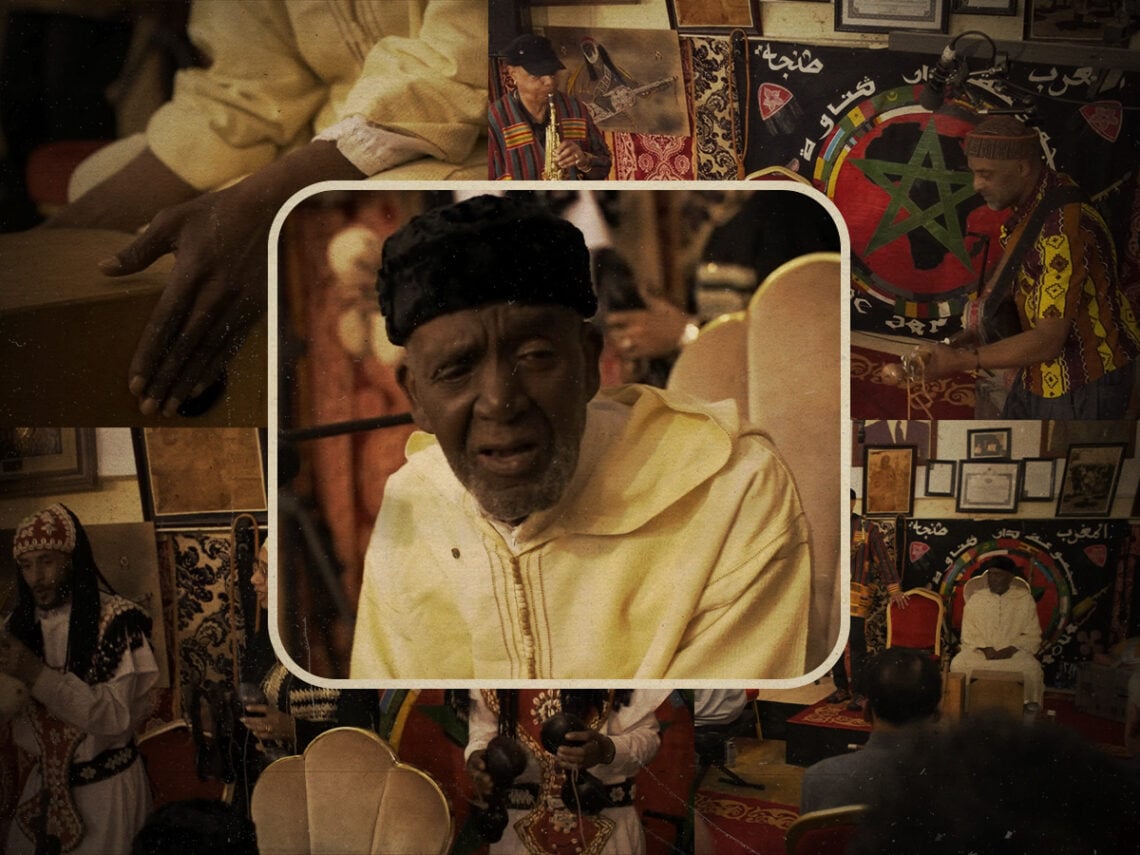
The house in Tangier that became a jazz pilgrimage hotspot

Hidden in a winding alley in Tangier’s Kasbah sits an important landmark for Morocco, and one which has become a pilgrimage site for fans of jazz and Moroccan music.
This is a country in which the African, Arab and European worlds collide, and Tangier is just nine miles away from mainland Europe across the Strait of Gibraltar. If you walked past this unassuming doorway, you’d think nothing of it; it’s just a bog standard house within a medina, but go inside, and you’ll be entering something historic and hugely important to Moroccan culture.
This is the story of Dar Gnawa, a space that has been visited by musicians across the globe, and acts as an almost unofficial embassy between Moroccan cultural traditions and the world’s jazz scene.
Morocco’s Black communities descended from West Africans who were once enslaved and brought up through Africa, across the Sahara and into Morocco. Gnawa music is their sound, not so much a genre but a spiritual tradition passed down through the generations. It blends Islamic Sufi practice with African traditional healing ceremonies, where its deep bass, hypnotic rhythms and repetitive chants entrance listeners.
Abdellah El Gourd, a key figure in Gnawa, founded Dar Gnawa in the very city in which he was born in 1947. El Gourd grew up in Gnawa culture, surrounded by the music and the rituals of his culture. An English speaker, he worked as an engineer for Voice of America in Tangier, which allowed him to soak up Western influences and meet visiting artists.
It’s said that from the 1960s, the house became a regular haunt for local musicians, as well as those visiting from across the world. These informal sessions became legendary, and in 1980, Dar Gnawa was officially recognised as a centre for preserving and teaching Gnawa music, the first of its kind. This not only gave Gnawa music a home but, in many ways, gave it a social co-sign and hence, artistic credibility, rather than just being viewed as a spiritual practice.
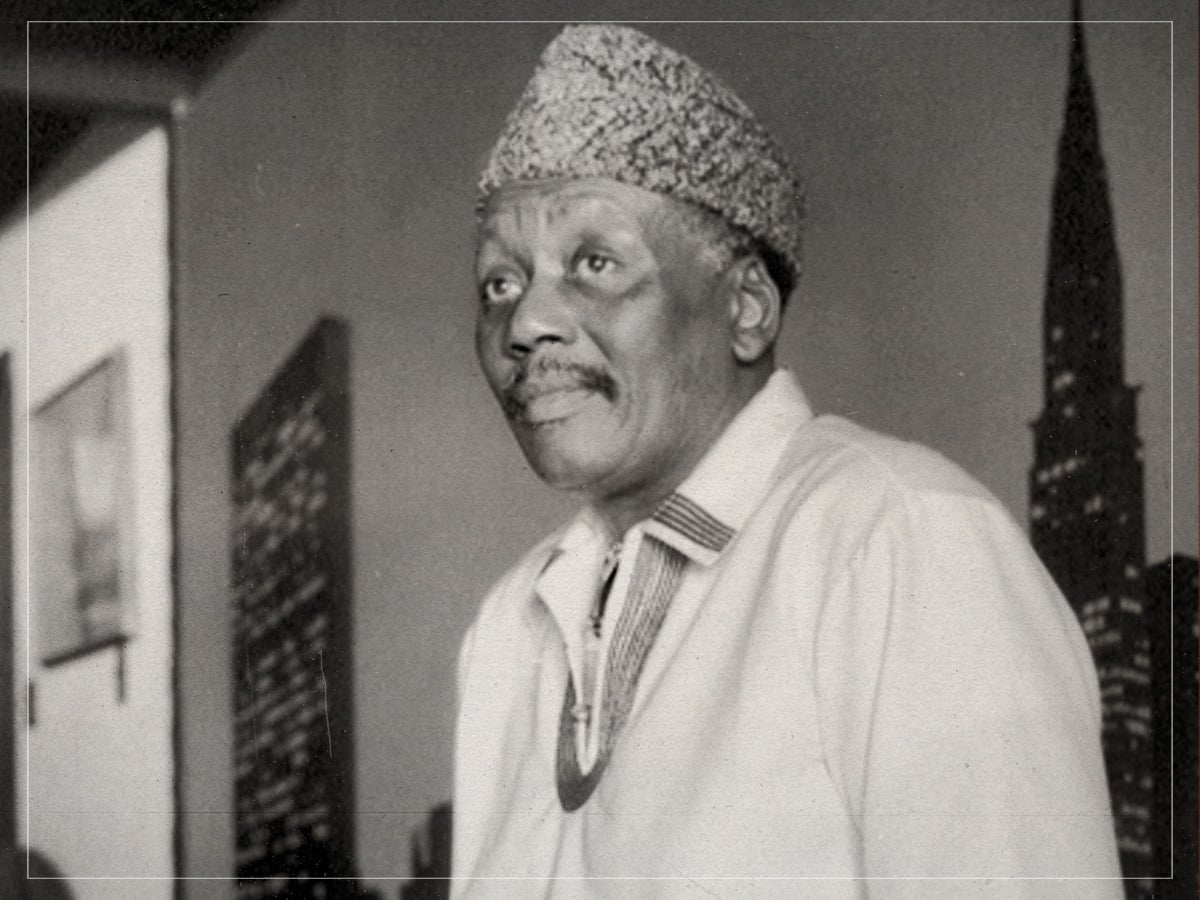
Life is often about timing, and Dar Gnawa’s early years coincided with Tangier becoming an intersection of culture and a bridge between Western and Arabic cultures. It was during this period that Tangier was an international zone, the hippie trail was in full effect through the country, and figures such as Paul Bowles and William Burroughs were at their creative peaks. With a generation of American writers, artists and musicians in town, and a liberal attitude to sexuality and hash, Tangier was the epicentre of the bohemian world.
Jazz pianist Randy Weston arrived in Morocco in the late 1960s looking to discover the African roots of jazz, meeting El Gourd in 1967 and was convinced that African traditions, such as Gnawa, were integral to the development of jazz, from the familiar rhythms and structures, through to the call and response patterns, the spirituality and of course, the improvisation.
The relationship between the pair flourished, and they played regularly at Dar Gnawa before taking the show on the road and touring internationally, redefining jazz. It wasn’t an American invention but part of a wider lineage in the music story of Africa.
In the coming years, other big figures such as Dexter Gordon, Archie Shepp, Billy Harper and Odetta visited or worked with musicians linked to Dar Gnawa. At first glance, it was a domestic property, but at any time, spontaneously, jam sessions could break out and last long into the Tangier night. This was a sanctuary to Gnawa and to the wider jazz community, and a place where locals and travelling musicians could play, experiment and explore their music. With traditional Moroccan doorways, Italian staircases and European tiles, it’s a blend of cultures and somewhere evolving, much like jazz itself.
In the following years, Dar Gnawa became a pilgrimage site for real jazz lovers with its status as the home of Gnawa secured, and the fondness for cross-cultural collaboration there. It’s a symbol of music acting as a community, bringing people together and educating them on each other’s cultures. At one point, it looked like Dar Gnawa might be gone for good, with the condition of the building reaching a crisis precipice. The El Gourd family moved out to let restoration take place, and they managed to ensure that the building wouldn’t collapse. That meant that the home of Gnawa was saved, and in 2023, it reopened to the public.
Well over half a century has passed since Dar Gnawa’s heyday, but it still remains an important piece of not only Morocco’s musical heritage but also in the story of jazz. It’s also a reminder of what Tangier used to be, a place for the dreamers, musicians and travellers, and a place that once felt like the centre of the world.
