


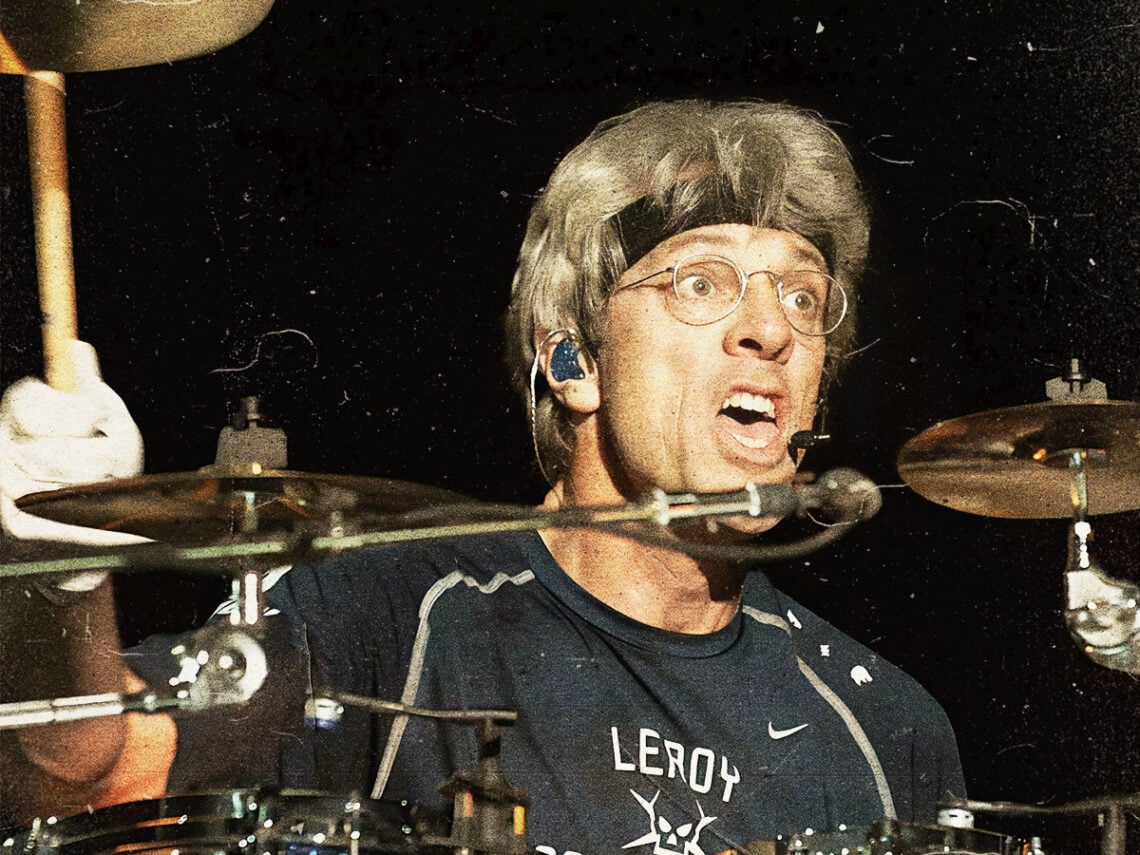
“I would hate to identify with that”: The genre Stewart Copeland thought was incredibly corny

No artist should be tied to one genre for the rest of their lives. As much as people like finding their lane and sticking with it, there’s no telling what someone can do once they have taken licks from jazz or classical music and started incorporating them into the pop charts. While The Police prided themselves on being fearless every time they walked into the studio, Stewart Copeland admitted that liking this retro style of music would never earn him any cool points amongst his rock brethren.
But, really, The Police were never willing to outright refuse any kind of song style. Yes, they got their start playing styles like reggae and new wave, but across only five albums, their growth as players and musical thinkers feels like something that should have taken bands decades to accomplish.
Even though each record veered more towards pop music, they always had something interesting in the background. ‘Every Little Thing She Does is Magic’ practically turns into a calypso tune during its chorus, and despite Synchronicity having ‘Every Breath You Take’ on it, ‘Synchronicity II’ has one of the wildest chord progressions ever to be found on a mainstream pop song.
While Copeland couldn’t really do much from behind the drum kit, his innate sense of rhythm was a lot different than that of most other drummers. Since most rock drummers tended to take their cues from John Bonham and play with pure muscle, Copeland was interested in making the band swing a little bit more, which came from years of listening to the greatest names in big band.
Despite rock and roll trying to rebel against this kind of retro style, there were still a lot of drummers who had a tremendous respect for what these percussionists could do. Even though many people could see the pure finesse in someone like Bonham, there’s a reason why everyone gravitated to the precision of someone like Buddy Rich, especially when he could keep the band grooving while playing some of the most complicated fills imaginable.
Although Copeland loved learning from this kind of music, he admitted that it wasn’t exactly cool for him to admit he liked it, saying, “The first music l listened to was actually big band jazz – Buddy Rich, Woody Herman, that kind of stuff. Which, looking back at it now, seems kind of corny to me. I would hate to identify with that stuff, really, but it went in at an early age, so I tend to swing instead of rock.”
If he didn’t identify with pure rock drummers, though, Copeland was going to make that signature swing the sound of the mainstream. Compared to every other name in 1980s rock, Copeland turned himself into a virtuoso drummer, always keeping things airtight when needed while also making the kind of drum fills that a drum machine only hopes it can keep up with.
And with the influx of jazz fusion players coming afterwards, Copeland had nothing to be ashamed of when listening to the sounds of big band jazz. Rock and roll was all well and good, but this is the genre for musicians who wanted something more than simply keeping a beat going.
