


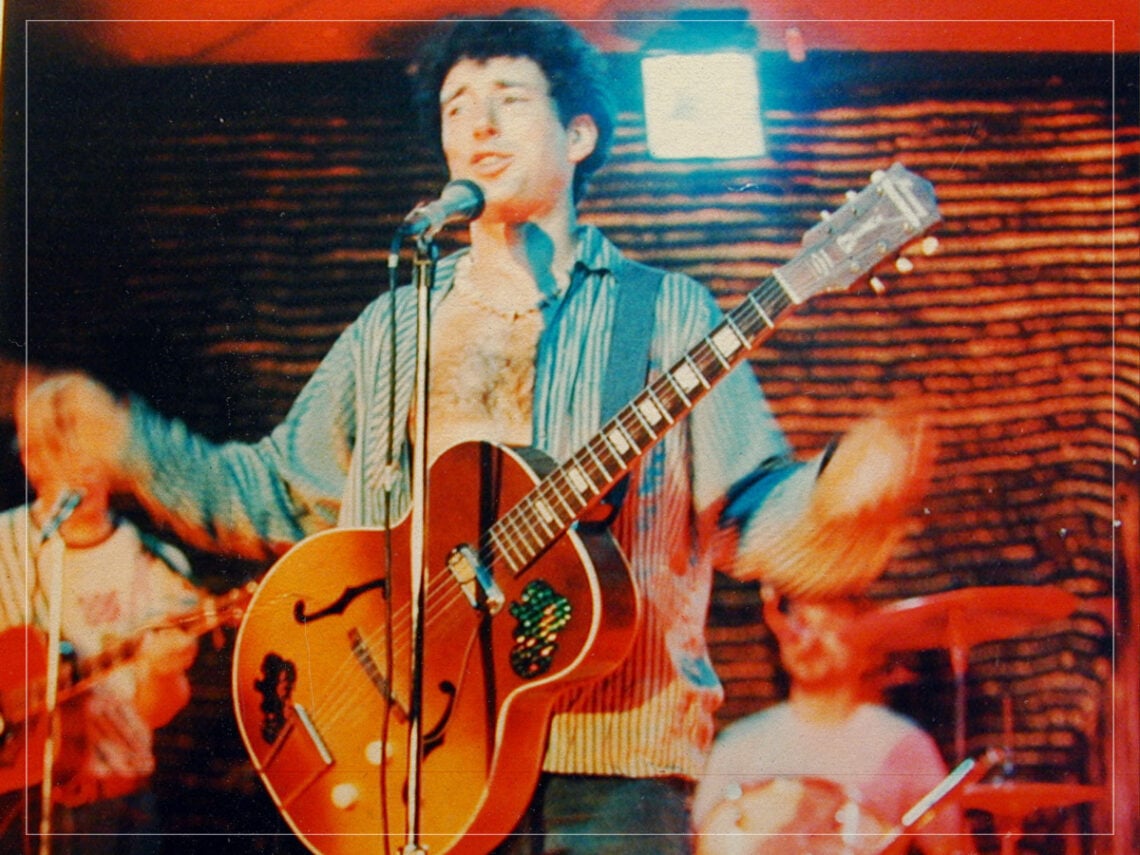
The forgotten 1960s tracks that Jonathan Richman listed among the era’s best

While his own approach to rock and roll seemed completely alien to how it had traditionally been delivered throughout the early history of the genre, Jonathan Richman is still seen as something of a savant of rock and roll and has a particularly keen ear for a well-crafted song of this ilk.
Born in 1951, some of his formative musical experiences would have come in the shape of him listening to the work of all the seminal rock groups of the 1960s, with The Kinks, The Rolling Stones and The Who being obvious examples of where he would have acquired some of his earliest influences from. However, given his upbringing in Boston, he quickly found himself becoming infatuated with the music that was emanating from nearby New York City, arguably the biggest cultural hub of the American East.
Once Richman had heard The Velvet Underground for the first time, his entire perspective on the creative process was changed, and he suddenly wanted to make something that was equally as raw and artful as what Lou Reed was writing. His eventual move to New York City in 1969 saw him quickly immerse himself in what the city had to offer in terms of its music, and his formation of proto-punk outfit The Modern Lovers has all of these early musical influences to thank for its existence.
However, as previously mentioned, Richman isn’t simply well-versed in the well-known and established acts from the period; he’s exceptionally knowledgeable when it comes to deep cuts from the 1960s as well. In an interview published in Zigzag Magazine in 1977, shortly after The Modern Lovers had released their debut album, Richman listed 28 of his favourite songs from the decade, and picked out three in particular that appear to have been buried in the years since
Among the likes of The Lovin’ Spoonful, Martha and The Vandellas, and, of course, his beloved Velvet Underground, were a few slightly more obscure songs by The Orlons and The Castaways, but even these songs, ‘The Wah-Watusi’ and ‘Liar, Liar’ respectively, have still amassed a cult following over the years. The trio of songs that were more unusual are ones that have truly been lost to time, but they all showcase small elements of what went into Richman’s own artistry.
The Rockin’ Ramrods’ 1966 track ‘Bright Lit Blue Skies’ is an early psychedelic-inspired garage rock cut, and demonstrates a real sense of urgency while layering gorgeous melodies over the top, both through vocal harmonies and tight guitar licks. While the song has since been notably covered by Ariel Pink’s Haunted Graffiti on their 2010 album, Before Today, the original itself appears to have been all but forgotten about in the modern era, but its origins from the 1960s in New England certainly point to why Richman would have such fond memories of the track.
Similarly, The Wildweeds’ ‘No Good To Cry’ is another example of a track by a band from the Connecticut scene that made a significant impression on Richman. While much more soulful, with vocalist Al Anderson having a similar tone to Steve Winwood or John Sebastian, there’s a timeless feel to the track that would have understandably stood out to Richman and his love of intelligently crafted pop music that has clearly had a lot of heart put into it.
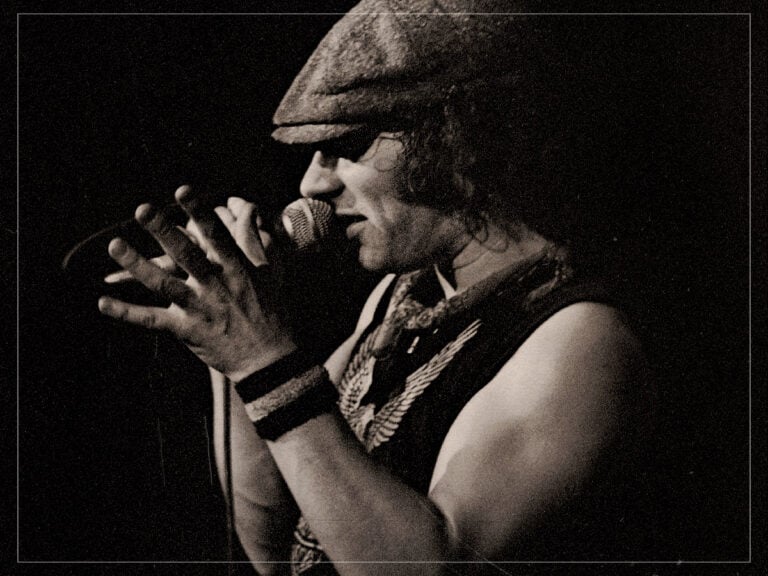


However, Richman’s love for Wayne Fontana and the Mindbenders and their song ‘It’s Just A Little Bit Too Late’ is perhaps a little more unusual, given the band’s origins in Manchester. As one of the lesser-known British Invasion acts, Fontana and his band had a US number one hit in 1965 with ‘The Game of Love’, but their follow-up single, which Richman proclaims is among his favourites, failed to make the same impression on audiences on either side of the Atlantic. The group would sadly split later the same year to make way for Fontana’s solo career, but both have subsequently faded into relative obscurity.
They may not necessarily be well-known, but to Richman, they’re all classics that have shaped him as an artist, and you can completely understand exactly why he was eager to shine a light on them back in 1977.
