


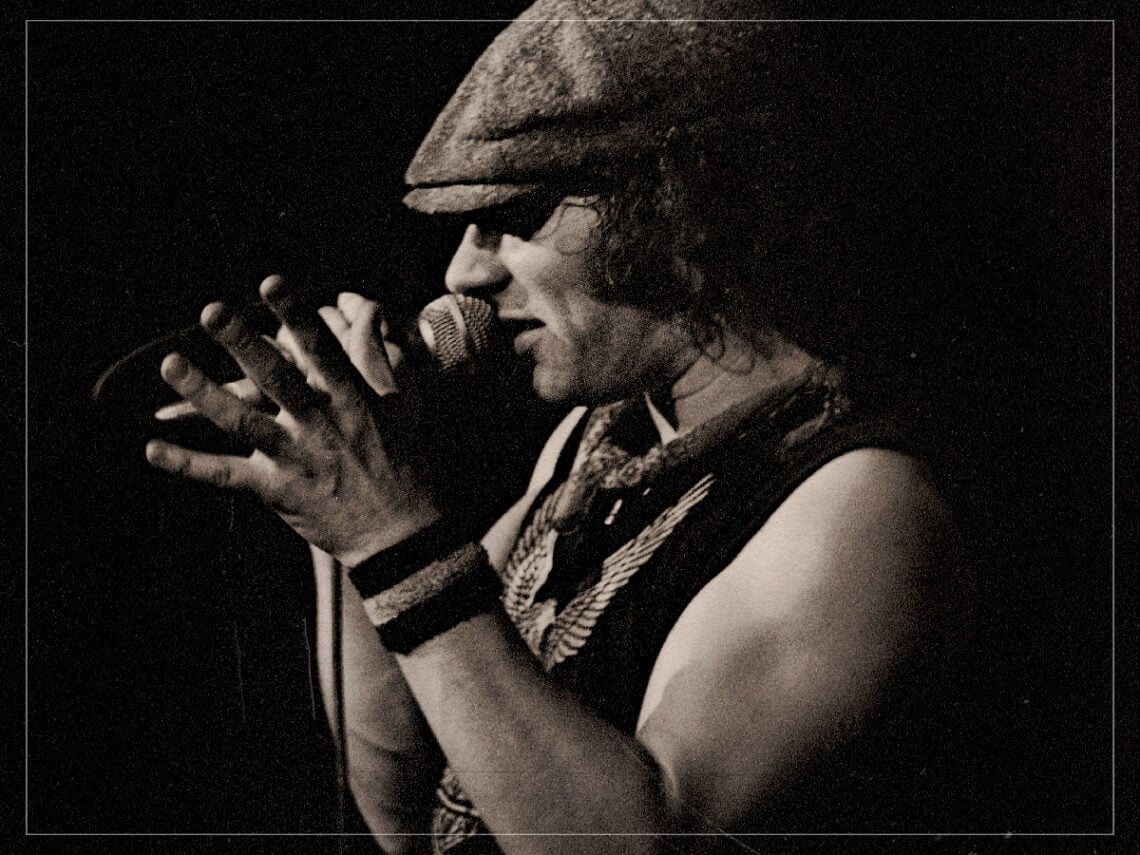
The one genre Brian Johnson found hard to stomach: “I don’t wanna hear it”

Is there anyone in this world who listens for accuracy whenever Brian Johnson sings for AC/DC?
Everyone would tell you that he wasn’t known for being the prettiest singer in the world, but what he lacked in beauty he more than made up for in the raw passion that he had every single time he made one of those records. He was like a rabid puppy that was let loose for a few hours, and he was going to do everything he could to push himself as far as he could for the Australian legends.
But Johnson’s demeanour has always been what has endeared him to the fans. He knows damn well that he lucked into being in one of the greatest gigs a man could ask for, and even though Bon Scott will forever be missed, the fact that they managed to find another guy who could actually sing like that was unheard of back then. Johnson was creating notes that were meant to peel the paint off your walls, and he would settle for nothing less than the best rock and roll he could create.
Which is why half of AC/DC’s best songs with him are the ones where the intensity is at a 12. When’s the last time you’ve heard an AC/DC ballad? That’s right: never. And long may that policy reign as long as Angus Young is still able to crank out those massive riffs. But it’s not like Johnson was completely opposed to hearing the more pleasant side of rock and roll when the time called for it.
He had eclectic taste when he wanted to, and while he loved his blues and classic rock, he could appreciate what the world of classical music was doing every now and again. There wasn’t a chance in hell that any string section or brass ensemble was going to find their way onto one of their albums, but that’s only because Johnson was a bit too heavy to even attempt to sing like that.
Every other band has those moments where they take things down a notch, but given that Johnson got in the band thanks to a Tina Turner song, he wasn’t going to suggest that they reinvent themselves by any stretch. The order of the day was about making balls-to-the-wall guitar riffs and screaming his head off, and even if he could appreciate classical music, he felt that there was more crap out there than most people were willing to admit.
Johnson was happy to include himself amongst the best in classic rock, but he did understand that bringing ‘classic’ into the situation could be a little dangerous considering what classical music has become, saying, “Classic rock is the same as what people might call classical music. It covers a lot of sins, that. There’s a lot of great classical music out there but there are also some bloody dirges. Some of them German operas last for three days. I don’t wanna hear it. It’s not classical. It’s just a dirge.”

And what keeps the fire burning for Johnson is trying his best not to fall down into that same rabbit hole. Because when you look at the greatest in classic rock, there are more than a few people that like to go on autopilot when they’ve made enough money or put out enough material, but even on Power Up, Johnson wanted to make sure that he was singing like he still had everything to prove just like those early days of listening to the playback on Back in Black for the first time.
So while Johnson’s voice wouldn’t exactly fit the role of Pavarotti all that well, he knew that the best in the classical world were speaking the same language that he was. Both genres were looking to make music that lasted, and that meant staying about as far away from the downtempo side of rock as he possibly could.

Never Miss A Tale
The Far Out Classic Rock Newsletter
All the latest Classic Rock content from the independent voice of culture.
Straight to your inbox.