


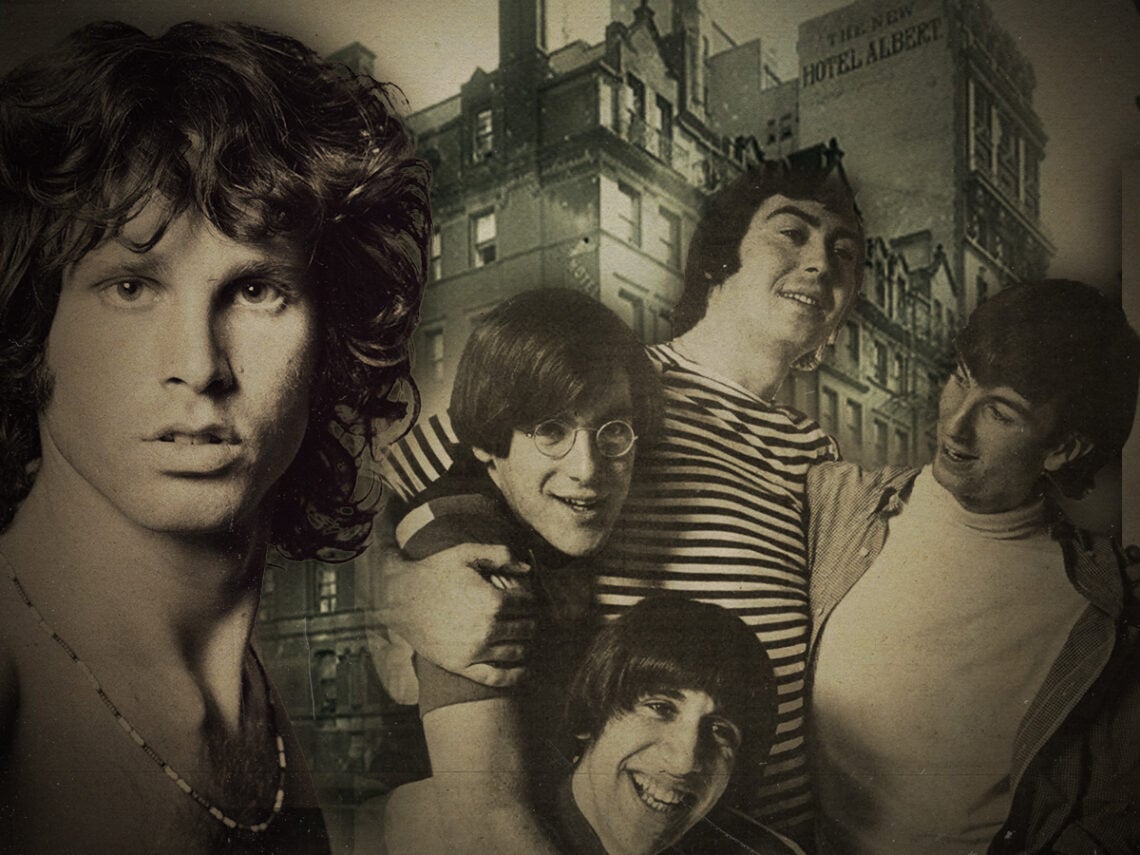
Hotel Albert: The creative hub that captured the spirit of 1960s New York

There are countless New York institutions that have housed, fed and hosted the performances of music and culture’s greatest artists, whether they be musicians, painters, writers or other eccentrics.
Of course, the Hotel Chelsea springs to mind, a structure that possesses such a rich history that it can never, and will never, be replicated. A lesser-known cousin to the Chelsea, if you will, though undeniably seeped into New York’s cultural history, is the Hotel Albert, an icon in its own right. The structure became a staple of Greenwich Village that, in all of its crumbling, run-down, suspect glory, managed to attract some of the greatest artists venturing in and out of the city, making its walls the stuff of legend.
The Albert was first conceptualised as an apartment house in 1882, its first section being built by Albert S Rosenbaum, an investor, and under the management of William Ryder. Rosenbaum had also overseen the building of the St Stephen, three row houses at 32-36 East 11th Street. His architect, Henry J Hardenbergh, was already in the process of building the Dakota, and was given the task of crafting 24 “French flats” (otherwise known as luxury apartments) between the St Stephen and University Place, in Greenwich Village.
When finished the following year, the building’s earliest tenants were within University Place’s one-time reputation as “a stronghold of the social elite,” as The New York Times described; then, in 1887, the apartments were repurposed to turn the building into a hotel.
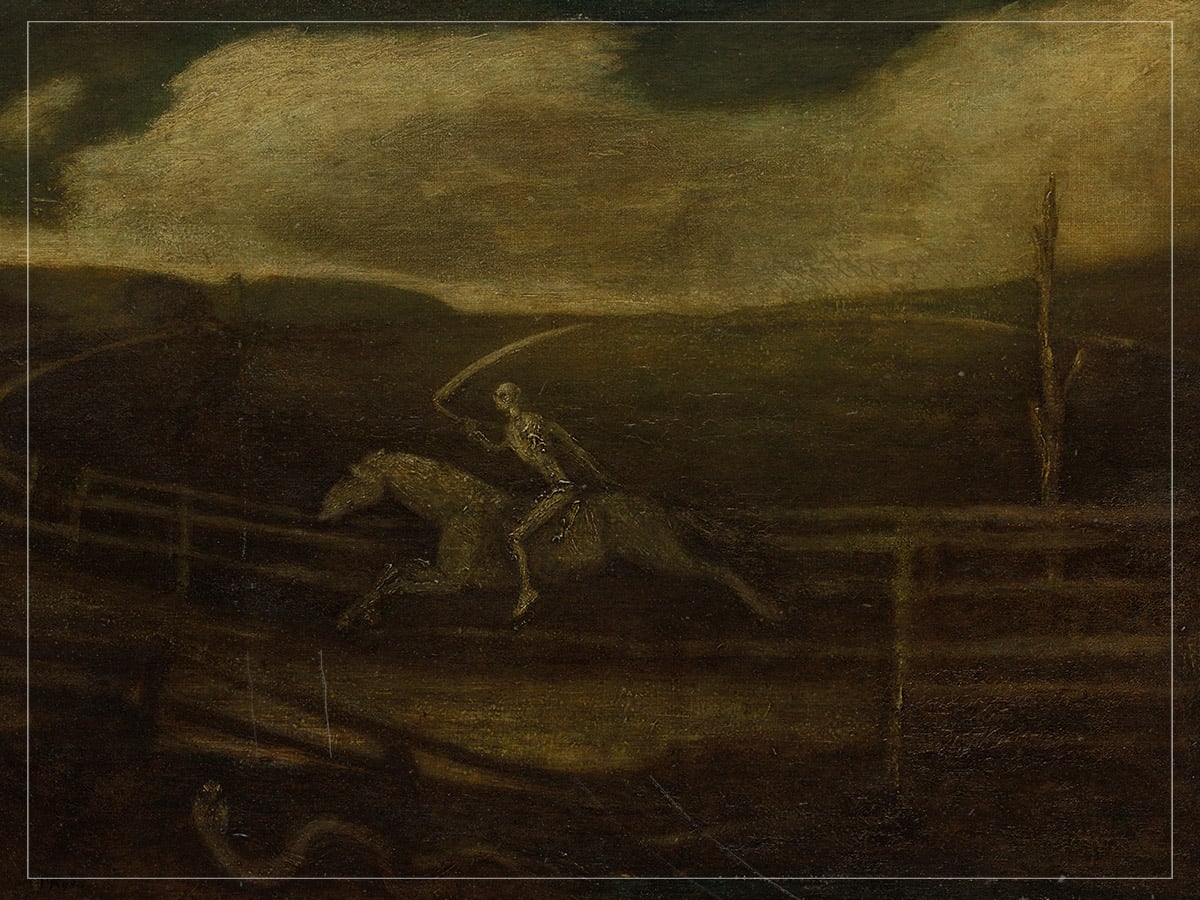
Intriguingly, the name of “Albert” is sometimes hypothesised to be credited not to its investor, Rosenbaum, but to William Ryder’s brother, the painter Albert Pinkham Ryder. The painter was a frequent diner at the building’s restaurant, and he’d heard the news that his usual waiter had lost his savings betting on horse races at the track, which Albert had discouraged him from doing, and subsequently took his own life. The painter was thus inspired to create The Race Track (Death on a Pale Horse), from 1896-1908: Death is a skeleton riding a horse and wielding a scythe in hand.
While the hotel was not, in fact, named after Albert the painter, his connection to the Albert is one of the first of many that bolstered the building’s artistic lineage. From the literary scene, Walt Whitman was a visitor, and Robert Louis Stevenson was one, too, when Rosenbaum’s building was still known as the St Stephen. In 1901, Mark Twain once hosted a teachers’ association meeting at the hotel, while novelist Thomas Wolfe lived there for a time, while teaching at New York University in 1924, even immortalising the hotel as the Hotel Leopold in his 1935 novel, Of Time and the River – less to the building’s credit however, he described it as being shrouded in “clumsy and meaningless adornment”.
Post-World War I saw New York’s incoming bohemian circuit venture into the Albert, continuing, as writers frequently made something of a second home of the building. Even the downtown paper, The Villager’s editorial office, was housed in Albert’s basement in the 1940s.
The poet Robert Lowell stayed for a time, as did the artist Jackson Pollock and his friends, who made a habit of using the Albert as their personal hangout in the 1950s. The diarist Anaïs Nin, after her extended stay in the 1960s, wrote of the Albert, describing it as being “full of students, all-night saxophones, bathroom down the hall”.
It was in the 1960s that the clientele at the Albert truly began to shift from the so-called upper echelon to the bohemian fringes, ie, musicians. “Since the Albert was in the grey area, it was hard to book,” Tom Wright and Susan Van Hecke explain in their 2007 book Roadwork: Rock & Roll Turned Inside Out. “No wandering family of tourists would ever just stroll by, and it was too expensive for bums and people who were actually broke for real. So the management let rooms to select renegades – certain musicians, hookers (if they were beautiful and discreet), drug salesmen, artists, gangsters.”
Rock journalist Lillian Roxon with The Eye magazine chronicled the cast of characters who cycled through the hotel’s doors, calling the building the “New York home to rock’s greatest,” as it quickly gained a reputation for hosting both the biggest names in rock and the ones aspiring to reach the very same levels of fame – as well as those who were on their way out of the spotlight.
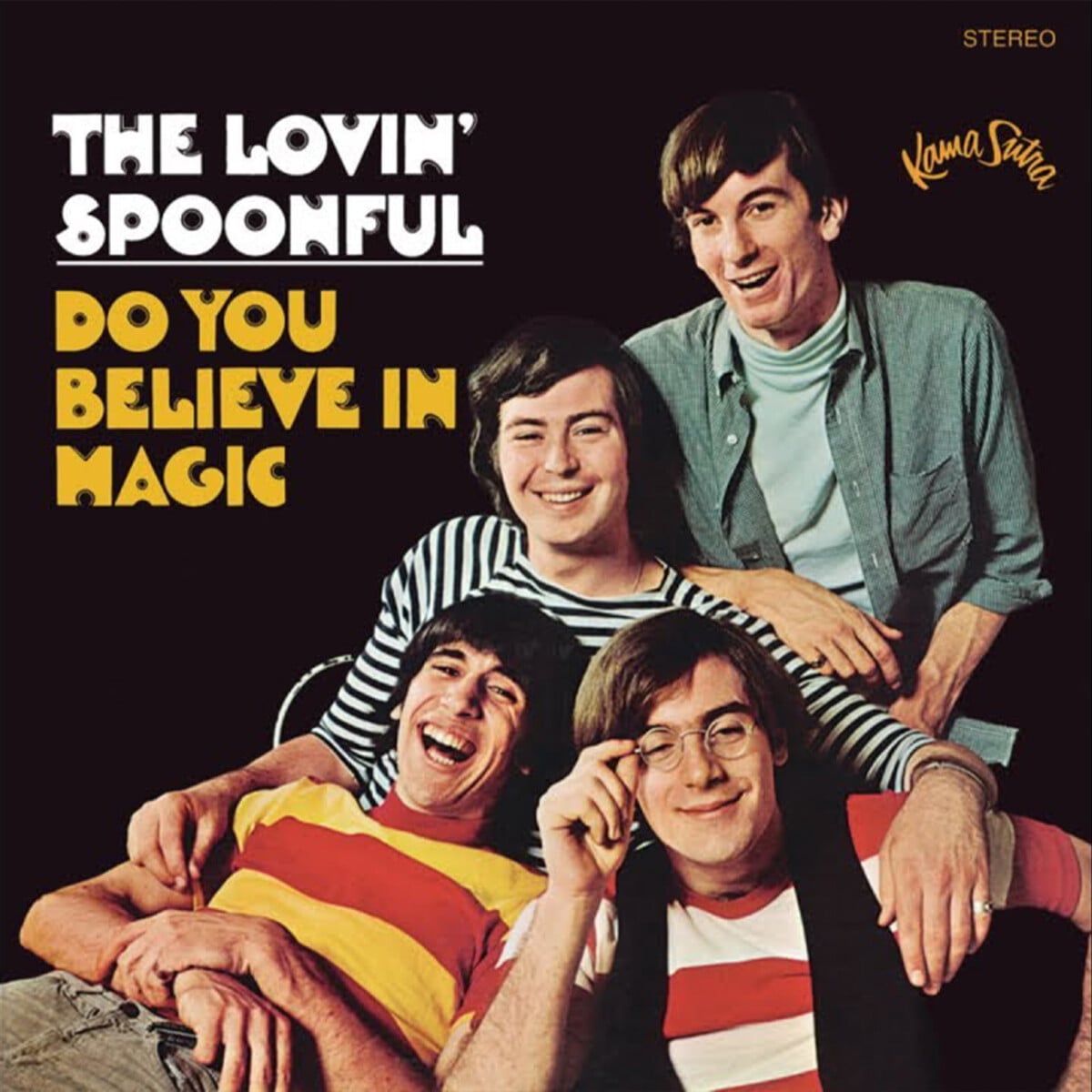
Famously, it is believed that The Lovin’ Spoonful composed ‘Do You Believe in Magic’ in the one-time basement offices of The Villager. Guitarist Zal Yanovsky and drummer Joe Butler shared an eight-by-ten room in the hotel, and by then, the basement had turned into a dilapidated space, with puddles of water covering the floors, chipped walls and a bug infestation. Nonetheless, the cost of the basement was cheap and therefore, perfect in the eyes of the then-struggling band, as it was for the many other folk musicians who made the Albert their home.
Any musicians staying there were allowed to use the basement as a rehearsal space, and it was in this basement that Butler (still behind the kit for another band, The Sellouts) auditioned to be The Lovin’ Spoonful’s drummer. He later recalled their time living in the hotel, to The Eye: “It inspired us, because it made us frightened of poverty.”
While the literal structure of the Albert began to fall out of favour, that did not stop musicians from taking advantage of what its fabled walls had to offer – namely, the low costs, but also the sense of community that was fostered. Numerous artists found their safe haven within the Albert: Jim Morrison, The Mothers of Invention, The Byrds, James Taylor and Muddy Waters all stayed at the hotel, at one point in time. Tim Buckley is believed to have written his song ‘Goodbye and Hello’ there and, as Roxon reported, nearly half of the album with the same name.
“Tim Buckley found himself paying $70 a week by the time he was through,” Roxon wrote, “exactly what it cost him per month in California,” then quoting Buckley as describing the hotel as, “Expensive, but the best place I ever lived.”
Paul Butterfield and The Blues Project got together at the hotel, while Cream and Canned Heat jammed together there. Paul Butterfield and The Blues Project formed there, and during a brutal winter, Michelle and John Phillips composed the beginnings of ‘California Dreamin”, the soon-to-be breakthrough hit for The Mamas and The Papas. Michelle later called the hotel “a fleabag”.
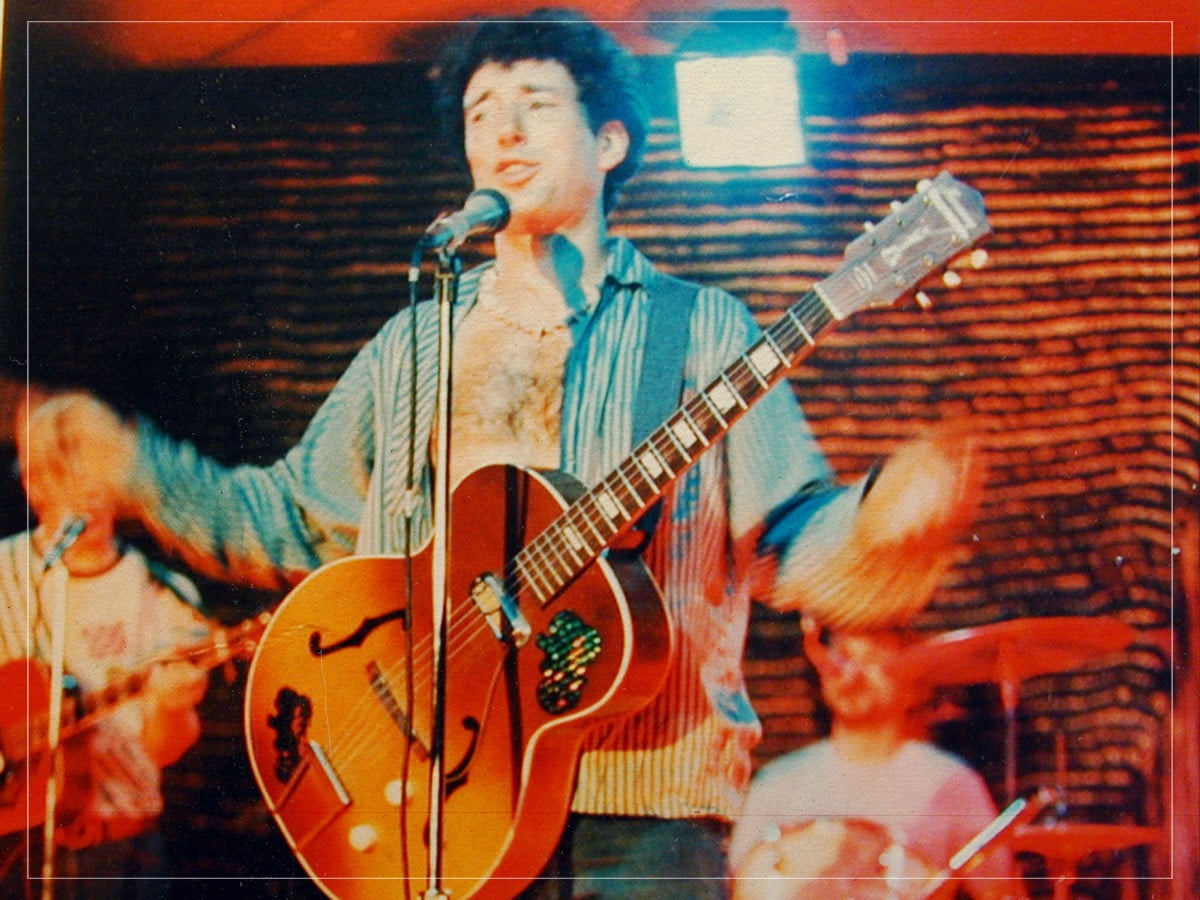
Infamously, Jonathan Richman, at just 18 years old, performed on the Albert’s roof in 1969. Just arriving in New York, he’d moved into a room at the hotel, seeking an audience and found one on the rooftop, where he decided to simply begin performing for a half-hour to the passerby on the street, eight stories below. “When I knew that my spectacle had gone somewhat awry,” he recalled in conversation with NPR, “is when I saw the presence of law enforcement officers down in the street, and the manager of my hotel.”
Roxon described the Albert as “the only hotel in the world that is a twenty-four-hour Be-In”. She continued: “It is the best of hotels; it is the worst of hotels; its prices are astonishingly low; it’s corridors are filled to the brim with life, it’s corridors are perpetual reminders of death; staying there is the wildest, most exhilarating, dizzying, around-the-clock trip of all time; staying there is the most wretched, lonely, terrifying, around-the-clock trip of all time bummer of all eternity.”
As downtown New York in the mid-1970s began to rest on shaky ground, giving way to the rampant crime, drug use and other unsavoury factors that had persisted for years within its streets, the Albert’s fate turned. Real estate developers eventually bought the building to convert it for residential use, and in time, it transformed from 500 hotel rooms to 190 cooperative apartments across its original four buildings, including those associated with the St Stephen.
Today, there is the ongoing preservation of the Albert’s history, beginning in 2009, with an already extensive archive online existing to confirm and dispel the myths and rumours that have circulated for over a century regarding the hotel’s lore.
Where music is concerned, as Roxon concluded, “So much for New York’s Hotel Albert, whose distinction is not that it has housed some of the most influential rock personalities of our time (after all, so has Holiday Inn), but that it has affected them so deeply (in a way that no impersonal Holiday Inn could ever hope to) that American popular music would probably never have been what it is today without it.”
