


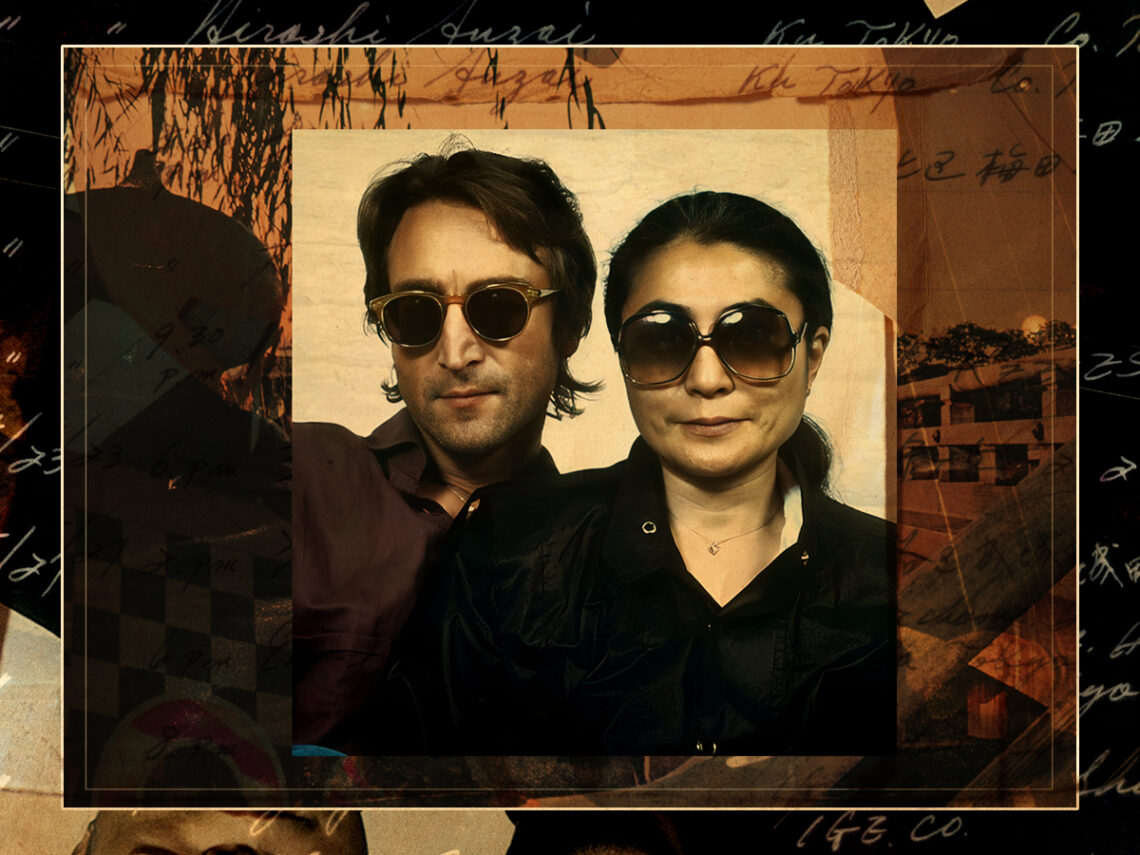
How one hotel became John Lennon and Yoko Ono’s second home

According to those closest to him, John Lennon’s love for Japan came years before he met his wife, Yoko Ono. For most of his life, Lennon took great inspiration from the Japanese Buddhist practices of Zen, which focused on mindfulness and equanimity, and the Japanese artistic practice of Haiku, which was also a style of poetry. These philosophical and artistic components informed not just his personal life but also his music.
That’s why, when The Beatles first performed in Japan, Lennon was keen to absorb the culture and the local people, even under strict security surveillance. It is said that one night, he broke out of the hotel where the band was staying to explore the Japanese antique shops.
In November of that same year, he visited a private viewing of a solo exhibition by the Japanese conceptual artist Yoko Ono. The art resonated so much with him that it brought them together and ultimately led to their love story.
The music of The Beatles evolved with the times, and when the hippie movement flourished and peaked in the 1960s, Eastern philosophical practices and ways of life became increasingly popular in the West. Fellow band member George Harrison held Hindu beliefs, and Lennon dabbled greatly with Indian philosophy and Buddhism.
Then in 1971, Lennon and Ono went to Japan on a private trip, making stops in various places, including her family’s home in Tsujidō. Apparently, Lennon became increasingly engrossed in haiku, particularly the books on it by RH Blyth.

One of the recurring places that Lennon would stay at during their travels to Japan was the Mampei Hotel in Karuizawa, an exclusive mountain resort regularly frequented by Japan’s most famous people. Its first year of operation was in 1894, when the Shinetsu railway line had opened in the area the previous year, meaning that people could access it more easily from nearby cities.
In 1902, it was rebuilt in its current location about 600 meters east of the original site. It was said to have been designed based on the advice of foreign guests, and initially had 22 guest rooms. It was then expanded in stages.
The very high altitude made it the perfect holiday spot during the hot summers, as the lush greenery and lavish hotel made for a relaxing and safe holiday for the world-renowned star. The Lennon family loved it there so much that they became long-term visitors, and the hotel practically morphed into their second home. Lennon himself introduced Western recipes like apple pie and French toast to the hotel’s breakfast menu, as well as his signature Royal Milk Tea, which was his own recipe.
The hotel is one of the oldest in the area and is part of an exclusive group known as “Japan’s Classic Hotels”, which are considered to be some of the finest and oldest Western-style hotels in the nation. It was originally built over 250 years ago during the Japanese Edo period, in the typical Japanese style of the time, but with globalisation, renovations and an increase in the influx of Western tourists, the hotel was reinvented in a Western-style over 100 years ago.
The main building was recognised by the Japanese government in 2018 as a national “Tangible Cultural Asset” for its unique architecture and history. The hotel is still very much open, and after it became known that this music legend spent so much time there, a museum in his memory was opened in the hotel, including the piano on which he played while residing at Mampei.
Since his death, the memory of Lennon and his lasting message of world peace has not ceased to exist, and the Mampei Hotel in Japan, despite being so far from his home country, is just another example of The Beatles’ global impact. The Mampei Hotel is still today a comforting and nostalgic shrine in Lennon’s name.

Never Miss A Beat
The Far Out Beatles Newsletter
All the latest stories about The Beatles from the independent voice of culture.
Straight to your inbox.