


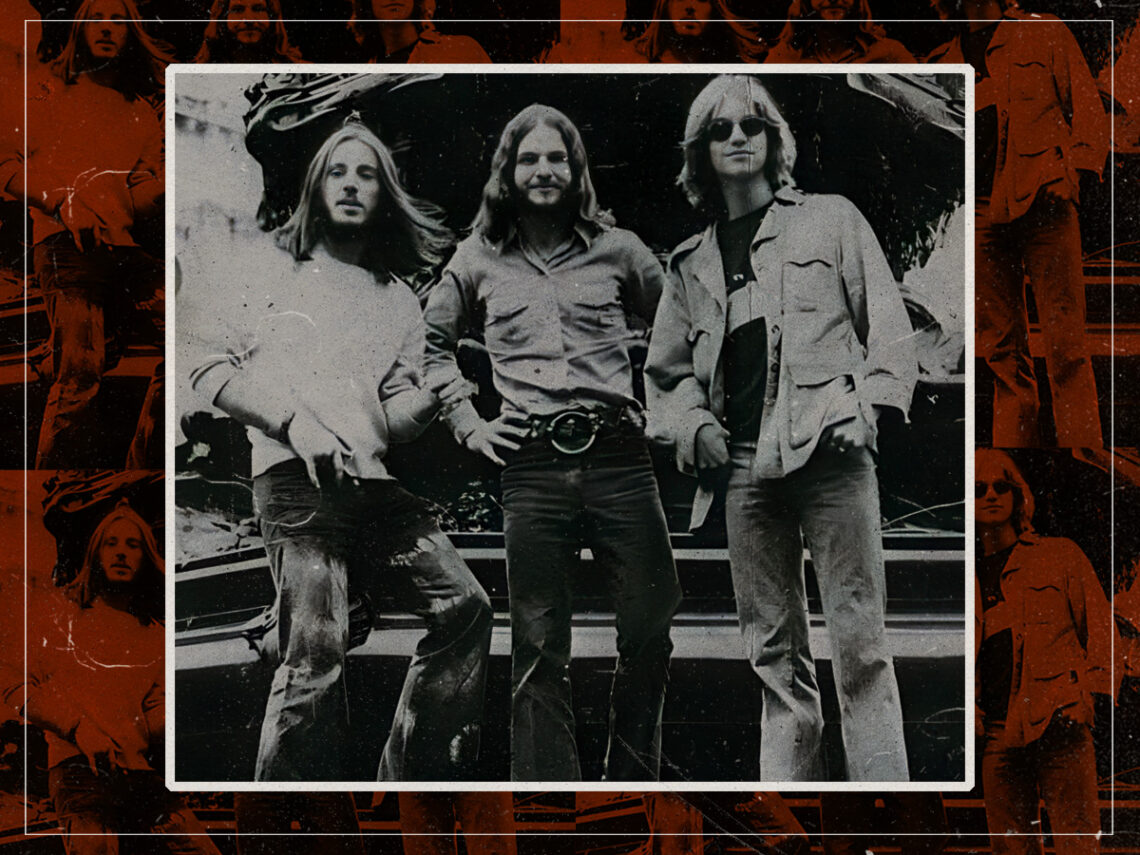
The flat tyre that inspired a chart-topping hit for America in 1972: “It just stuck with me”

The great American road trip is a mythologised voyage made famous by some of the very best names in cinema, music and literature.
In fact, Jack Kerouac once famously wrote, “Nothing behind me, everything in front of me, as is ever so on the road” in his beat generation scroll On The Road, and thus captured this sense of the boundless opportunity that exists on the country’s sprawling roads.
Generally, a sense of magic comes from the roads that travel west. The golden coast that sits on that side of the country is steeped in romanticism, this grand idea that out there lies infinite potential to reinvent yourself and, more crucially, to capitalise on what many believed was a source of untapped wealth.
So it’s no coincidence that art has coincided with that belief. Whether it’s the subtle optimism of Kerouac or the grand romance of music, the roads that lead to the west have been a recurring feature in modern art. There’s ‘California Dreamin’, by The Mamas & the Papas, ‘California’ by Joni Mitchell and ‘Ventura Highway’ by America, which of all three sounds most accurately like that blissful state.
Especially because America’s hit was born from more of a dream state. The aptly named band were bizarrely brought up in England, thanks to their fathers being stationed at a UK-based US Army base, and so much of their writing was from a position of longing for the romantic ideals of their home country and namesake.
‘Venture Highway’ was no different, and in fact saw writer Dewey Bunnell going all the way back to his early childhood, one that predated the UK move, to try and capture that feeling. “It was 1963 when I was in seventh grade,” he began, “We got a flat tyre, and we’re standing on the side of the road, and I was staring at this highway sign. It said ‘Ventura’ on it, and it just stuck with me. It was a sunny day, and the ocean there, all of it.”
The quiet desperation of a flat tyre didn’t dampen the optimism. In true Kerouac style, Bunnell used it to appreciate the wider feeling of the journey. The perennial excitement that exists in travelling to somewhere, a freedom almost that is then compounded by what the destination, which in Bunnell’s case was California.
“I remember vividly having this mental picture of the stretch of the coastlines travelling with my family when I was younger,” Bunnell said, “Ventura Highway itself, there is no such beast, what I was really trying to depict was the Pacific Coast Highway, Highway 1, which goes up to the town of Ventura.”
That essence of fictionalisation is perhaps what makes ‘Ventura Highway’ the perfect American anthem. It distils the ‘American Dream’ into one song that eulogises a place that we can never really be sure exists, yet somehow the journey that takes us there still informs us of something transcendent, or as Kerouac said, “Nothing behind me, everything in front of me, as is ever so on the road”.
