


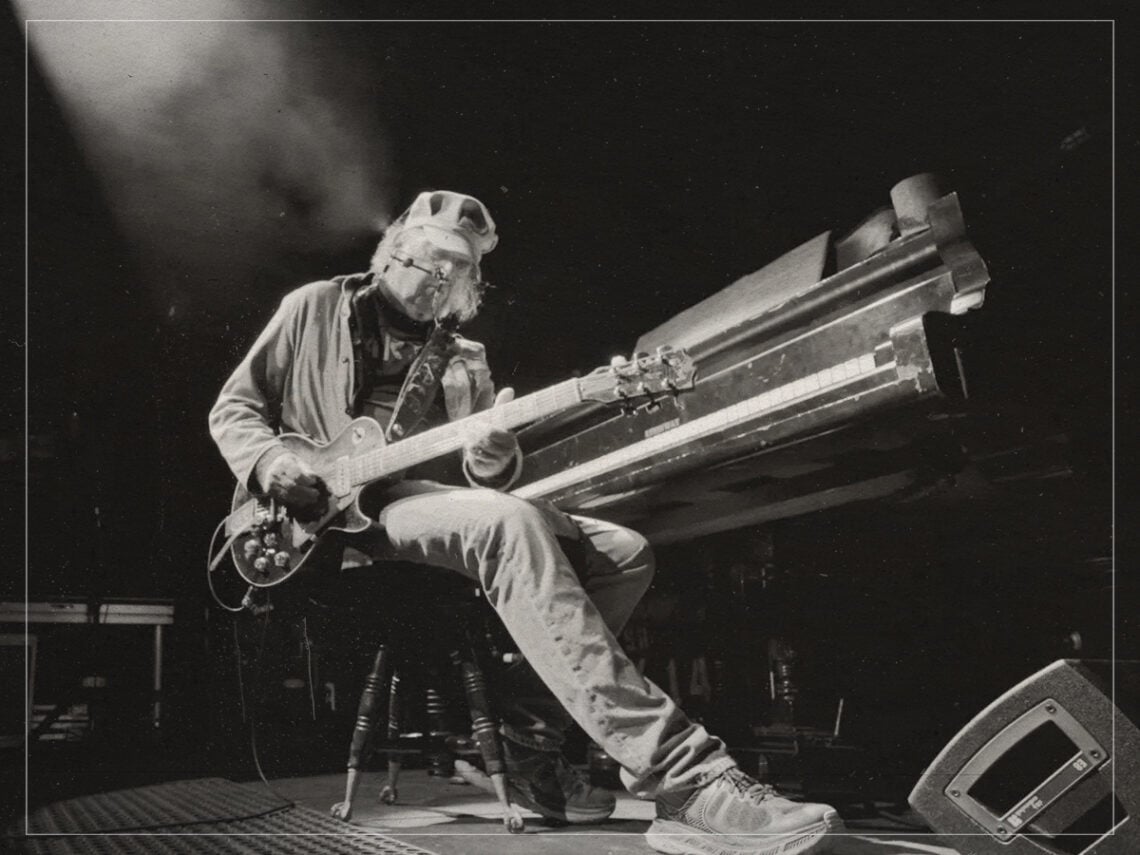
The 1973 tour Neil Young wanted to destroy his reputation: “I slipped out of myself”

Look, there’s no correct answer to the eternal question of what the best Neil Young album is, and it’s merely a question of which iteration of the artist you feel you have a stronger connection with.
Because the Canadian songsmith has released a litany of albums that are wildly different from one another, yet all showcase elements of what makes him so exceptional at his craft, it’s impossible to come to a consensus on what ought to be considered his opus. To be perfectly honest, an artist can have multiple masterpieces to their name, and in the case of Young, he’s probably close to having a dozen of them
However, one thing that can be said of his oeuvre is that some of his albums take a lot longer to fall in love with, and this is largely due to Young’s proclivity for abandoning styles the minute he felt he’d exhausted them, and moving onto the next thing before the rest of the world could keep up with him.
Perhaps the strongest and earliest example of this happening in Young’s career is his 1975 album, Tonight’s The Night, which despite now being regarded as one of his best, was initially dismissed upon release, and even rejected by his label when he initially recorded it in 1973 on account of the fact that it was incredibly raw, bleak and uncommercial compared to its chronological predecessor, Harvest.
As a result, Young was forced back into the studio where he would record the far more immediately gratifying On The Beach in early 1974. However, prior to that, he chose to embark on a tour of Europe at the tail end of 1973, where he would showcase the material from his abandoned project as a form of amnesty, adamant that this was the direction he wanted to go in.
In an act of pure rebellion, he adopted an entirely new persona that matched the dark and dingy atmosphere of the album, which had been largely inspired by the deaths of two of his closest friends and colleagues from drug and alcohol-related issues. In turn, the shows were seemingly fuelled by excess and a desire to emulate the seedy underbelly of American culture that had inspired the record, much to the confusion of his management and fanbase.
“I slipped out of myself,” Young later confessed in a 1979 interview with Rolling Stone, “and into something easier for me to take…. that would destroy what everybody thought I was.”
Evidently grappling with the idea that people had perceived him in a certain way, and desperate to escape that, the Tonight’s The Night tour was essentially Young’s way of demonstrating that he was the only person who could truly dictate where his career was going, and if that meant completely destroying the image he’d created for himself, then this act of sabotage was a stroke of genius.
“I don’t like to be prejudged before I do something,” Young continued to explain. “I don’t like people to say it’s going to be this, and have them be right. I might have been really slapping the audience in the face with some of the shows, but they had their minds totally turned around, and that’s more than you can say for most concerts. It was really healthy for me. I was the same person for too long.”
A man in a constant tug of war with the industry around him, begging for them to let him do as he pleased and rarely getting the approval from those in charge, Young may have initially confused people with his decision to tour an unreleased and uncommercial album, but subsequent reevaluations of Tonight’s The Night only go to show just how right Young was in his judgement of where to take his career.

Never Miss A Tale
The Far Out Classic Rock Newsletter
All the latest Classic Rock content from the independent voice of culture.
Straight to your inbox.