



The five best songs produced by Brian Eno

“He just sets up an environment that is really creative, open, and not critical,” Tim Booth, lead singer of the band James, said of producer Brian Eno.
“He’s very experimental, very playful,” Booth continued, speaking in 1997 after working with Eno on several James albums, including the 1993 hit Laid. “He’s got a great sense of humour, and he’s also quite a grumpy old man. We tease him a lot. His highs and lows are quite extreme. He’s a very easy guy to love and loathe.”
Within the rock ‘n’ roll producer hierarchy, Eno has spent roughly 50 years on the short version of the short list, so much so that the use of the adjective ‘Eno-produced’ in front of an album title carries about as much clout as ‘Spielberg-directed’ in front of a film.
In fact, aside from Spielberg eschewing any cross-dressing periods in his youth, the careers of these two masters of atmosphere have a lot of parallels, as both experienced early ‘70s cult success (Eno with Roxy Music, Spielberg with Duel and The Sugarland Express), collaborated with their fellow visionaries (David Bowie, George Lucas), and eventually settled into lucrative careers as the trusted architects of mainstream blockbusters, with Eno’s work with U2 and Coldplay equating to Spielberg’s own with the Indiana Jones or Jurassic Park franchises.
Once upon a time, of course, Brian Eno was seen as a much more provocative and boundary-pushing figure, injecting Roxy Music with most of its retro-futuristic weirdness, and putting Bowie on arguably the most exciting creative streak of his career during the so-called Berlin Trilogy records in the late 1970s. Bowie gave Eno credit for “revitalising my interest in music” in 1977, telling the Waterloo Region Record that seeking out Brian’s help was “one of the best moves I’ve made in a long time”.
Eno’s post-Roxy, mid-70s experiments with moodier, electronic, and often ambient music heavily inspired Bowie’s pivot in a similar direction, but perhaps more importantly, their working relationship was vital in helping Bowie kick his drug habit and remember how to work as a creative team in a comparatively sober, focused environment.
“Eno and I were like a couple of old women,” Bowie said, “We had lots to talk about. That was the mutual attraction. We spent 14 minutes of every hour laughing, ten to 15 minutes philosophising, solving every cybernetic problem under the sun, and five minutes actually working.”
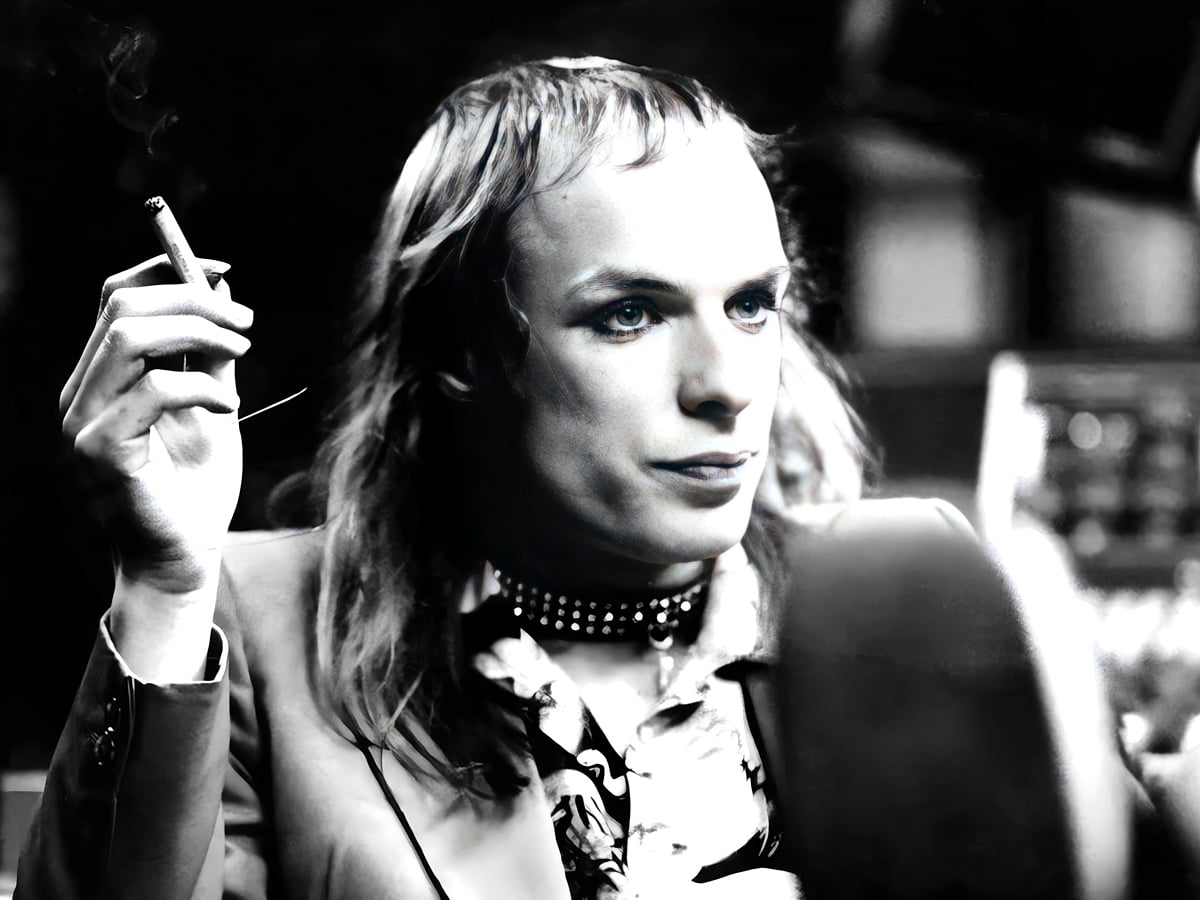
Despite his contributions to albums like Low and Heroes, Eno was never officially listed as a producer, as Bowie and Tony Visconti kept their names alone on that credit, but by 1978, though, Eno had firmly established himself as one of the in-demand button-pushers in the industry, producing a diverse range of albums from the likes of John Cage to Ultravox to Talking Heads. At 30, he seemed like the ideal older, more experienced person to go to if you were a young, up-and-coming artist interested in dipping into the avant-garde, particularly when it came to electronic music and new technology.
Famously, though, these seemingly perfect team-ups didn’t always work. The 1978 debut album by the Ohio art punks Devo, for example, was mostly recorded with Eno in West Germany, with assistance from Bowie himself. Despite the mutual admiration amongst everyone involved in the sessions for Q: Are We Not Men? A: We Are Devo!, however, and the eventual reputation of the album itself as a classic, it was not a record that Eno would ever submit as evidence of his handiwork.
“[Devo] were a terrifying group of people to work with,” Eno told Mojo years later, “Because they were so unable to experiment… I’d be sitting there at the desk, and there are EQs, echo sends, all those kinds of things, and my hand would sort of sneak up to put a bit of a treatment on something, and I could feel [Devo co-founder] Jerry Casale bristling behind me. It was awful! He would stand behind me all the time, then lean over and say, ‘Why are you doing that?’”
Devo frontman Mark Mothersbaugh would later acknowledge, in retrospect, that “we were overly resistant to Eno’s ideas… I’d kind of like to hear what the album would have sounded like if we’d been more open to Eno’s suggestions. But in those days, we thought we knew everything.”
Ultimately, the artists Eno established the best working relationships with, and to whom he would return time and again, were the ones who trusted him to absorb their initial work and infuse his own ideas into the DNA of those songs, serving the original intended vibe.
While his complete catalogue, both as a musician and producer, shows that Eno can successfully navigate just about any sort of soundscape, the gigantic success of U2’s 1987 album The Joshua Tree probably did more than any other single piece of work in defining how the world thinks of the Eno atmosphere, even if his co-producer Daniel Lanois arguably had as much to do with that sound as anyone.
Here’s a look at five specific Eno-produced tracks, spanning 30 years, all of which have stood the test of time not only as great songs, but as great-sounding productions.
Five all-time great Brian Eno-produced songs:
Brian Eno – ‘Baby’s On Fire’ (1974)
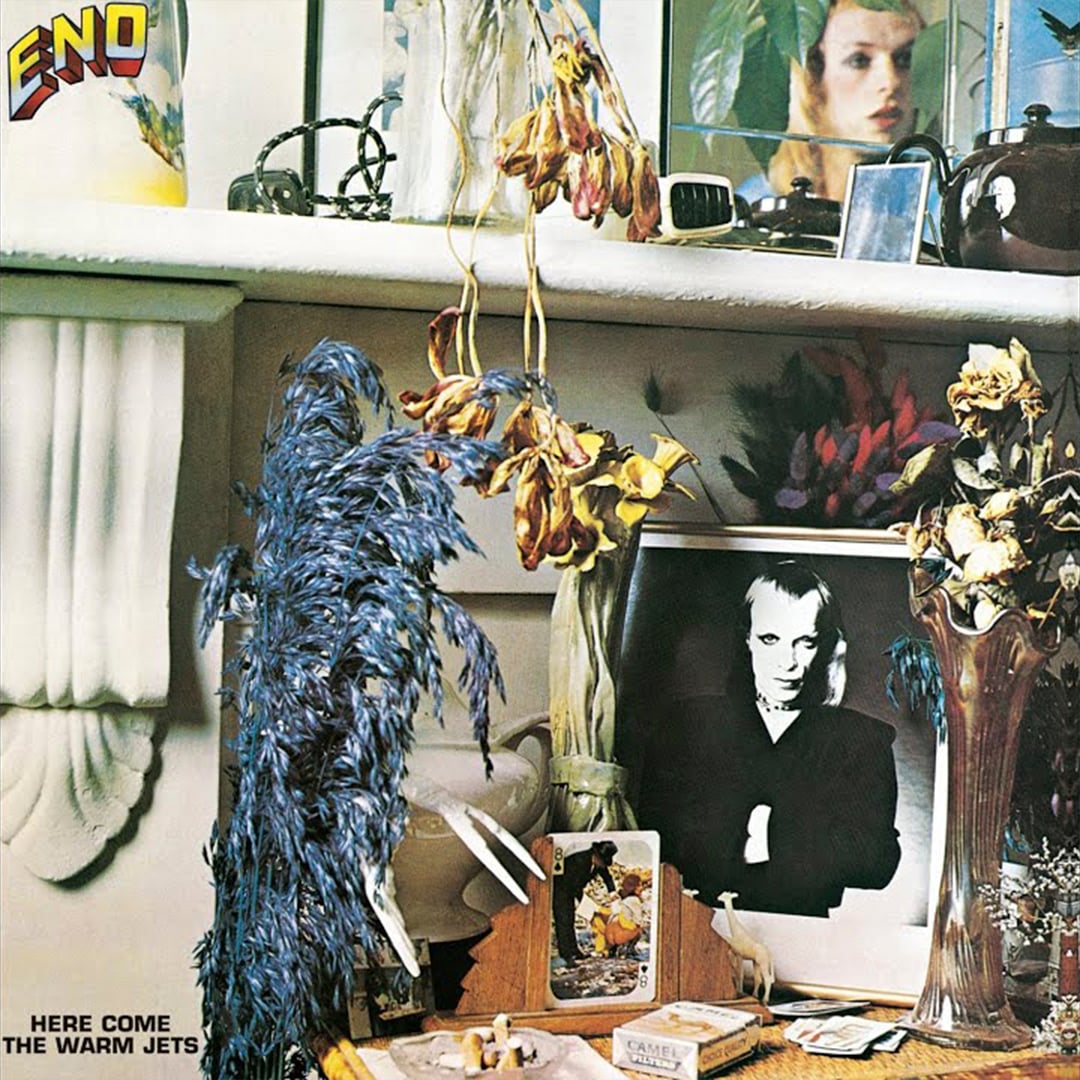
The standout track from Eno’s self-produced 1974 solo debut, Here Come the Warm Jets, linked up the energies of prog rock and proto punk like nothing else, and while a lot of listeners at the time were understandably distracted by Robert Fripp’s relentless guitar solo, Eno played a major role in how that guitar, his own synth, and everything else on the record sounded.
He told Rolling Stone at the time, “I assembled musicians who normally wouldn’t work together in any real-life situation, and I got them together merely because I wanted to see what happens when you combine different identities like that and you allow them to compete.
“My role is to coordinate them, synthesise them, furnish the central issue which they all will revolve around, producing a hybrid… [The situation] is organised with the knowledge that there might be accidents, accidents which will be more interesting than what I had intended.”
Talking Heads – ‘Once in a Lifetime’ (1981)
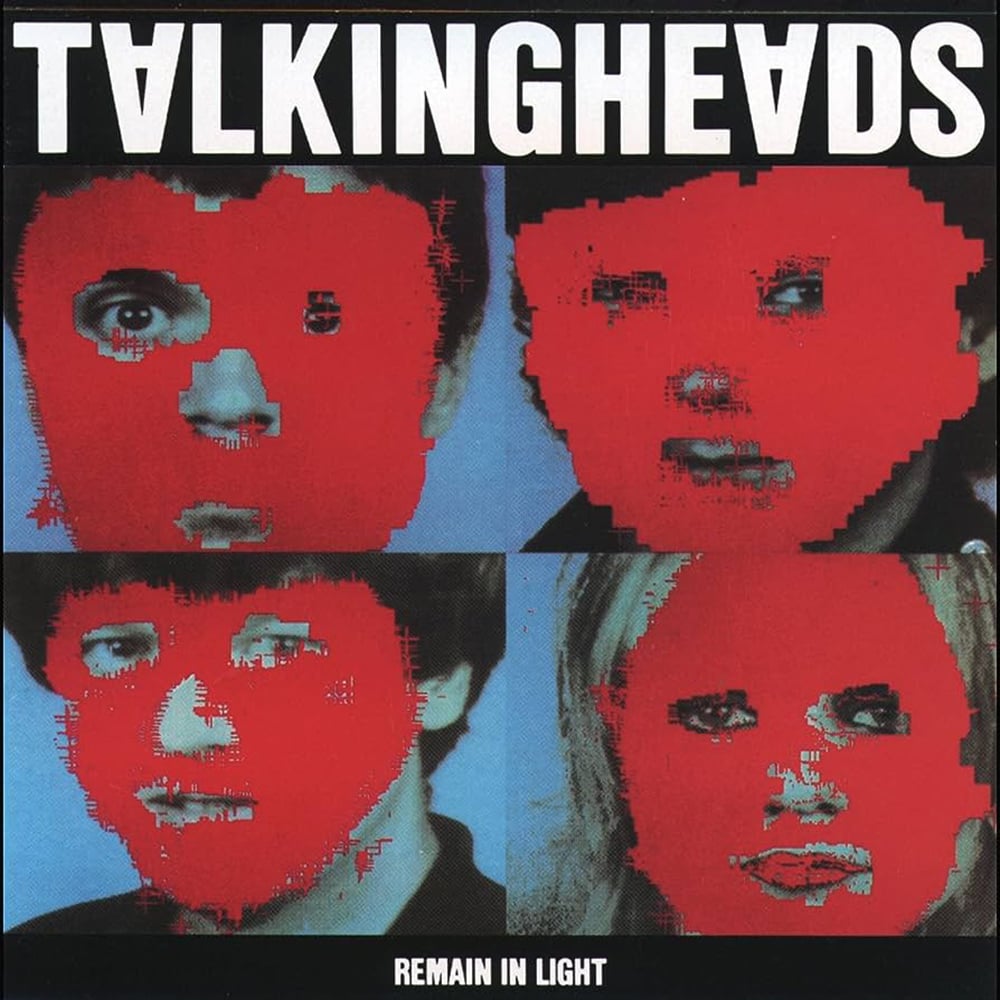
Even compared to his past work with Bowie and future success with U2, the argument could be made that Eno’s connection with David Byrne and Talking Heads was the finest artistic marriage of his career. ‘Once in a Lifetime’ is perhaps the best distillation of that dynamic, as Eno and engineer Steven Stanley helped transform a loose collection of grooves inspired by Fela Kuti’s Afrobeat into something entirely new: a hypnotic collision of funk, electronics, art rock, and spiritual anxiety.
Speaking to the Associated Press in 1983, Byrne acknowledged that Eno had essentially become another member of the band after working together on three albums.
“It began with him more or less helping us record ourselves,” he said, “Then over the years his involvement got closer. We were writing music together on a lot of songs.”
U2 – ‘Where the Streets Have No Name’ (1987)
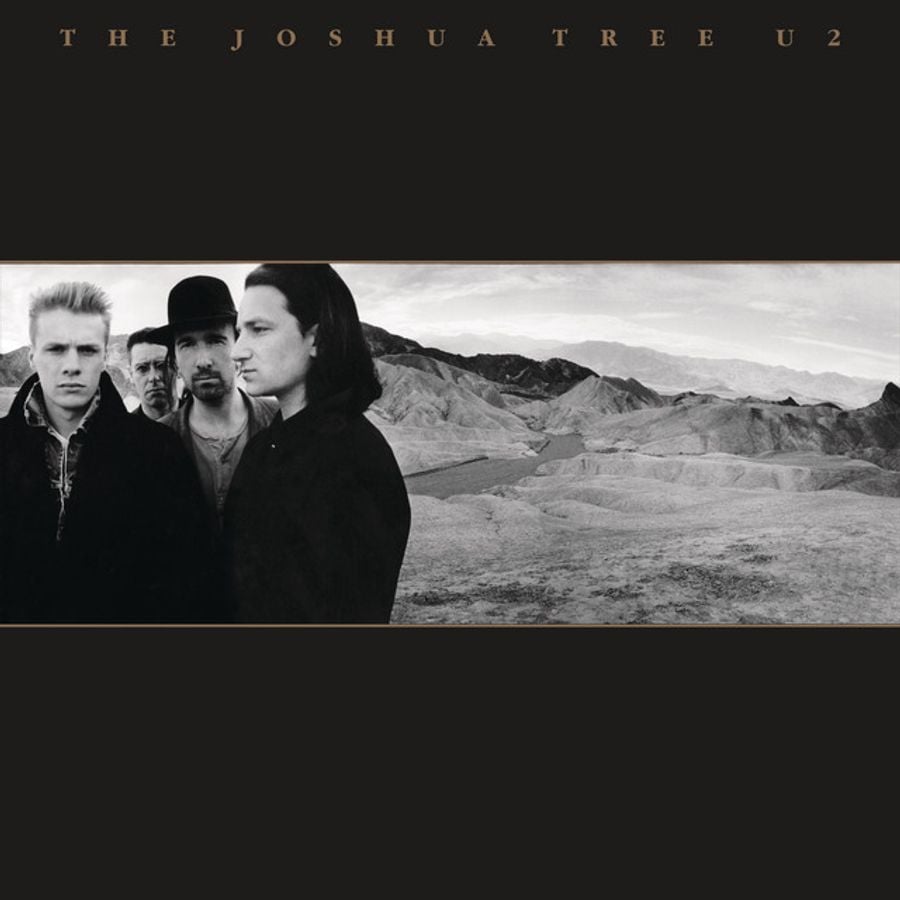
Technically, if Eno had his way, he might have been remembered as the guy who erased this beloved U2 hit from existence, rather than the one who refined it into its anthemic final form.
“Probably half the time the album took was spent on that song,” Eno moaned in a 1999 BBC documentary about the making of The Joshua Tree, “It was a nightmare of screwdriver work… My idea was to stage an accident so we would just have to start again.”
Apparently, that’s exactly what he tried to do, as engineer Pat McCarthy had to physically restrain Eno at one point to stop him from recording over the work they’d already completed. “Brian tried to wipe the master of that song,” Bono later recalled.
Adding, “I’m sure a lot of people would have been happier if he had. He loved the song, but he grew to hate it, because we were taking so long over it. He is a grumbler, one of the grumbling people of Suffolk.”
James – ‘Sometimes (Lester Piggott)’ (1993)
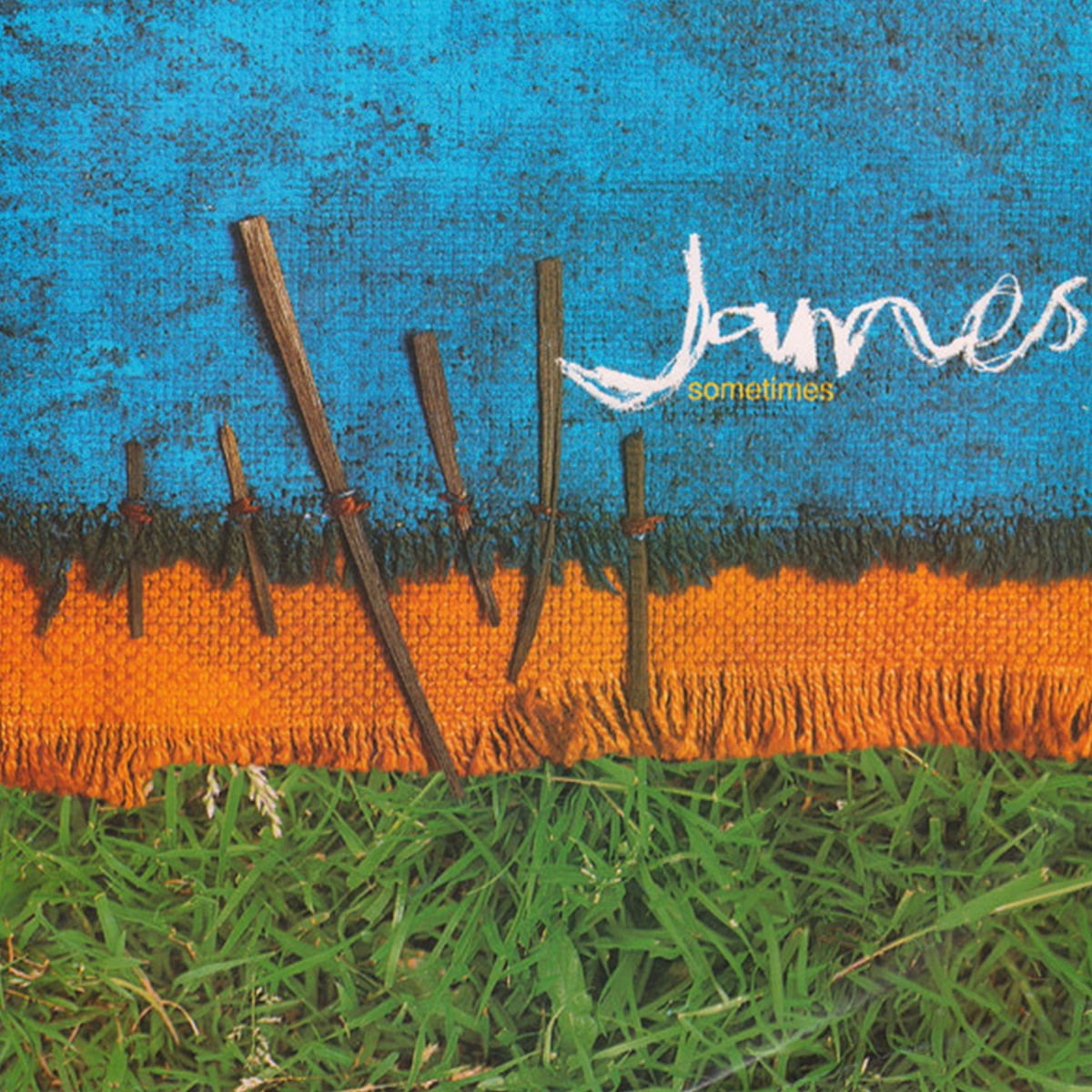
Fresh off the U2 explosion, Eno had become something of a creative mentor to the slightly less arena-ready Manchester band James, helping them move beyond the jangly indie-rock sound that first brought them attention. ‘Sometimes’, from the album Laid, is one of the finest examples of that partnership. On paper, it’s a pretty straightforward acoustic folk ballad: a gentle guitar progression, a heartfelt vocal from Tim Booth, and a slowly building arrangement.
Eno’s production, however, creates the actual feeling of the incoming weather system that Booth is singing about: “It’s a monsoon! / And the rain lifts lids off cars / Spinning buses like toys, stripping them to chrome”.
buryingRather than bury the song under studio tricks, he creates space around every element, allowing Booth’s vulnerable lyrics to feel intimate but defiant as the music and backing harmonies swirl around him. While Laid is remembered more for its cheekier title track, ‘Sometimes’ is the cinematic core of the record, and probably James’s most U2-ish moment.
Paul Simon – ‘Once Upon a Time There Was an Ocean’ (2006)
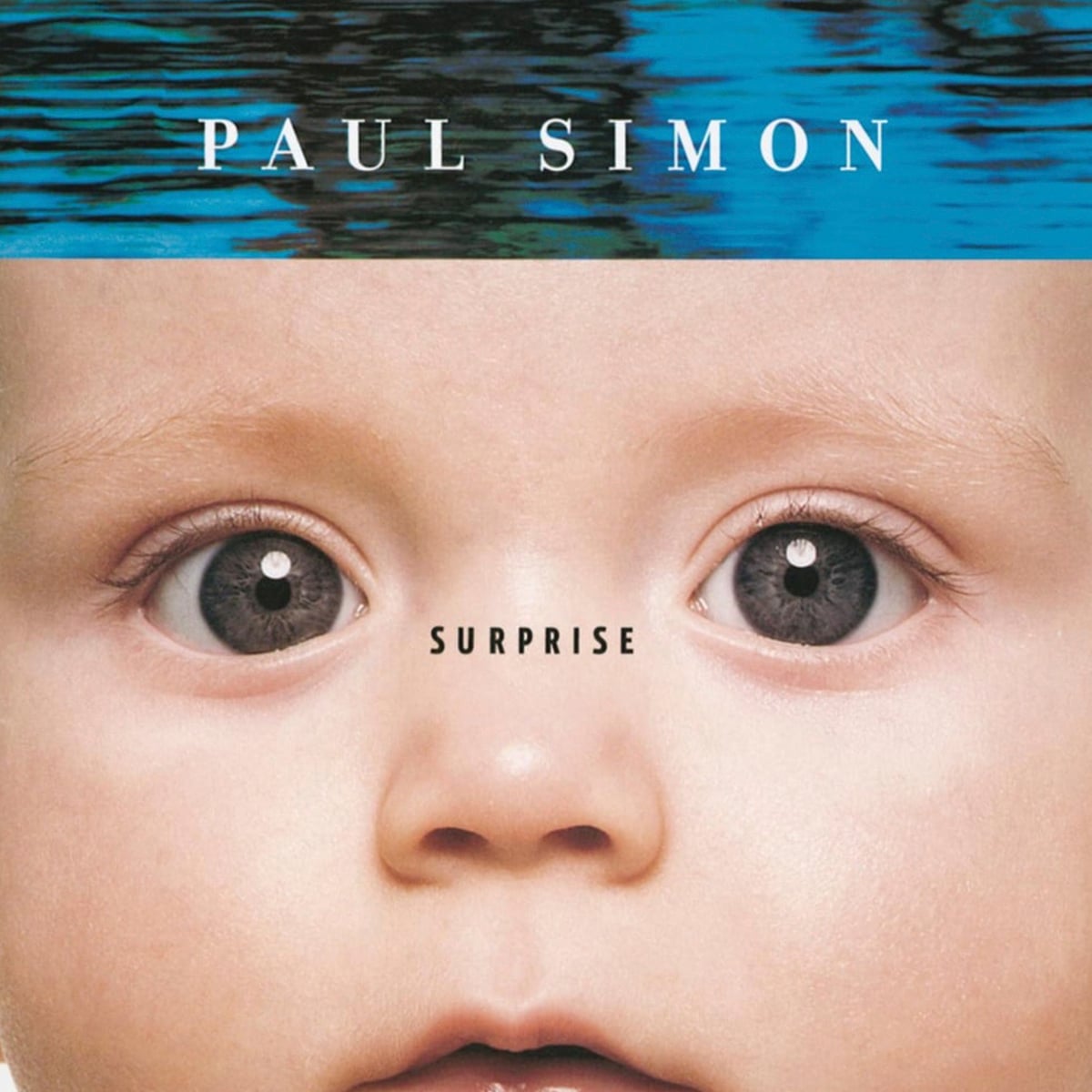
Eno had somehow never managed to cross paths with Paul Simon until 2004. Part of that was random, and part of it apparently rooted in a bit of bitterness over Simon’s ‘80s success with Graceland, as Eno supposedly felt like the integration of African influences into Western pop music was his jurisdiction at the time. In any case, the two agreed to work together on Simon’s next record, the excellent and often unfairly overlooked 2006 LP Surprise.
It started off as a battle of egos at first, and Eno did have to send Simon out to the shops in order to prevent him from peeking over his shoulder, Jerry Casale style. In the end, though, the depth and electronics Eno added to tracks like ‘Once Upon a Time There Was an Ocean’ helped Simon sound more vibrant and relevant than he had in 20 years.
“Working with Brian Eno opens the door to a world of sonic possibilities,” Simon said, “Plus, he’s just a great guy to hang with in the studio, or for that matter in life. I had a really good time.”

Never Miss A Beat
The Far Out Punk Newsletter
All the latest Punk content from the independent voice of culture.
Straight to your inbox.