


The five best movies from the 2000s that nobody remembers

In cinematic terms, the 2000s was a time to thrive: there was a wave of activity within the independent filmmaking scene while auteurs like Michael Haneke, Kelly Reichardt and Tsai Ming-liang were at the top of their game.
On the other hand, a steady influx of mainstream classics was making use of the new technology that was slowly creeping into the industry.
While James Cameron was making Avatar, Andrea Arnold was making Fish Tank, with a healthy balance between commercial and arthouse cinema, as some of the most important films of all time were made. There was room for risks to be taken on all sides of the industry, and some might argue that it was one of cinema’s most fruitful eras.
Independent filmmaking as a whole was more sustainable and achievable, meaning that far more directors were able to create and add new stories to the creative landscape. New voices were springing up from all sides, and while this might be great as a film lover, it also means many films were missed out on due to the sheer volume of work being produced.
In order to catch some people up, here are five great films from the 2000s that few remember and should be loved by far more.
Five best 2000s movies nobody remembers:
‘Love and Basketball’ (Gina Prince-Bythewood, 2000)
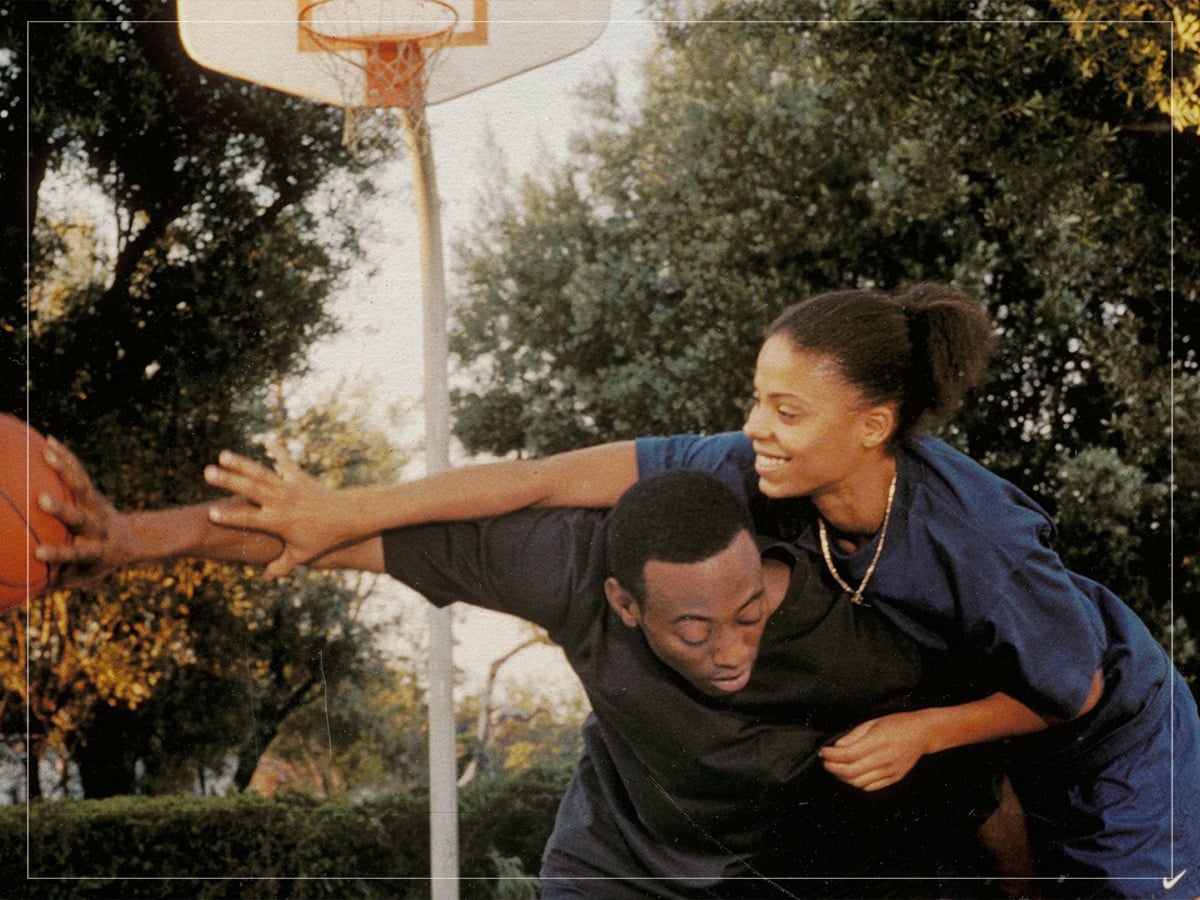
Directed in 2000, Love and Basketball charts the relationship between Monica and Quincy, two kids who grow up in the same neighbourhood and are madly in love with basketball. Their relationship takes many twists and turns over the years, evolving from enemies to lovers, following them throughout their adult lives as they try to balance their sports careers with their relationship.
Prince-Bythewood captures the rites of passage associated with coming-of-age stories in a gorgeous and deeply nuanced way, creating a story based on the pillars of the romance genre but adding meaning to these tropes through the complexities of race and their differing genders and upbringings.
It is a beautifully heartfelt and layered love story that looks at the cost of ambition and what it means to pursue the life meant for you, resulting in one of the most enchanting and quietly revolutionary love stories of all time.
‘Half Nelson’ (Ryan Fleck, 2006)

Before we knew Ryan Gosling as a singing and dancing fiend, the actor was demonstrating a lesser-seen serious side of his talents through the 2006 film Half Nelson, in which he plays a depressed yet incredibly charismatic high school teacher who forms an unlikely friendship with one of his students.
While we can imagine the pitfalls of this trope where countless other films have gone awry, Half Nelson manages to avoid being creepy and predictable through the vulnerability of Gosling’s character and the genuinely heartwarming relationship that blossoms, providing an anchor of hope for two very lost souls.
It’s a touching and devastating story that looks at the transformative power of kindness, and one that seemed to slip under the radar despite the presence of someone who is now a certifiable movie star.
‘Shortbus’ (John Cameron Mitchell, 2006)

Shortbus is one of those stories that floats over like a fever dream that you can’t quite wrap your head around. The opening scene encapsulates the madness of the 2000s by showing a long take of a guy trying to perform oral sex on himself.
However, this scene is deceivingly light-hearted, with the rest of the film showcasing the struggles of many New Yorkers in a post 9/11 world as they try to find meaning within the mundanity of everyday life.
There are many chaotic and surrealist scenes with the many weird and wacky characters that occupy such a large and colourful city, but this is contrasted with profound and philosophical conversations between those people about sexuality, art, politics and what it means to live authentically in a modern world. It’s a strange cult classic that was loved by many at the time of its release, but one that seems to have been forgotten and is due for a formal reintroduction.
‘Humpday’ (Lynn Shelton, 2009)
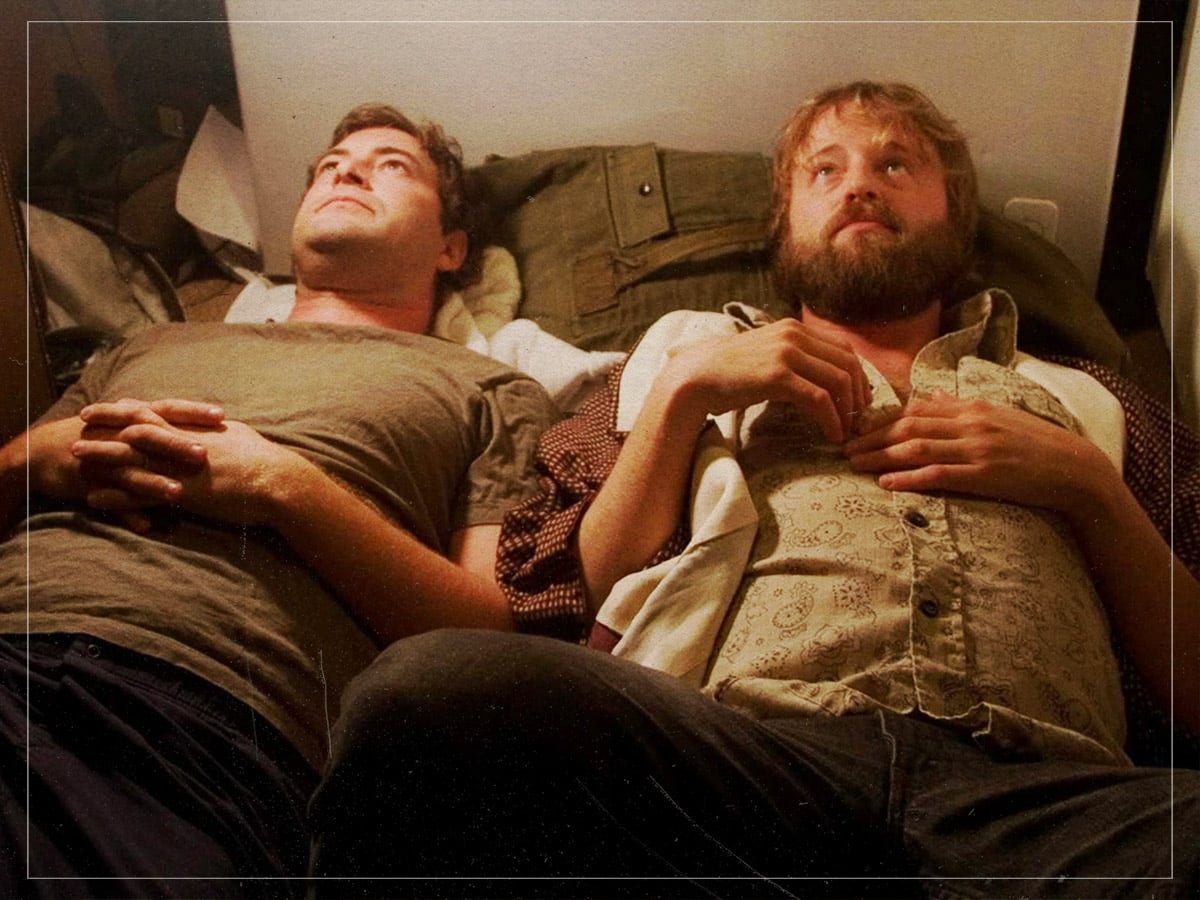
Another film that was ahead of its time yet sorely underseen was Humpday, directed by indie champion and mumblecore queen, Lynn Shelton. The director was known for rich and nuanced stories that honed in on emotional grey areas within relationships, breaking down the walls and examining everything that lies in between. And she achieved this through the story of two straight guy friends who plan to film a sex tape.
With this, Shelton creates an astute commentary on the male ego, exposing the anxiety and bravado that grows between these men as they desperately try to ‘one-up’ each other to prove their own liberal attitudes towards masculinity. It takes the game of chicken to a hilarious and erotic new level, with both of them not backing down until the very last moment as they sit in their hotel room on the cusp of doing the deed, eventually highlighting their discomfort with even expressing platonic intimacy. It’s incredibly sharp and remains one of the most cutting yet compassionate films from Shelton’s body of work.
‘Away We Go’ (Sam Mendes, 2009)
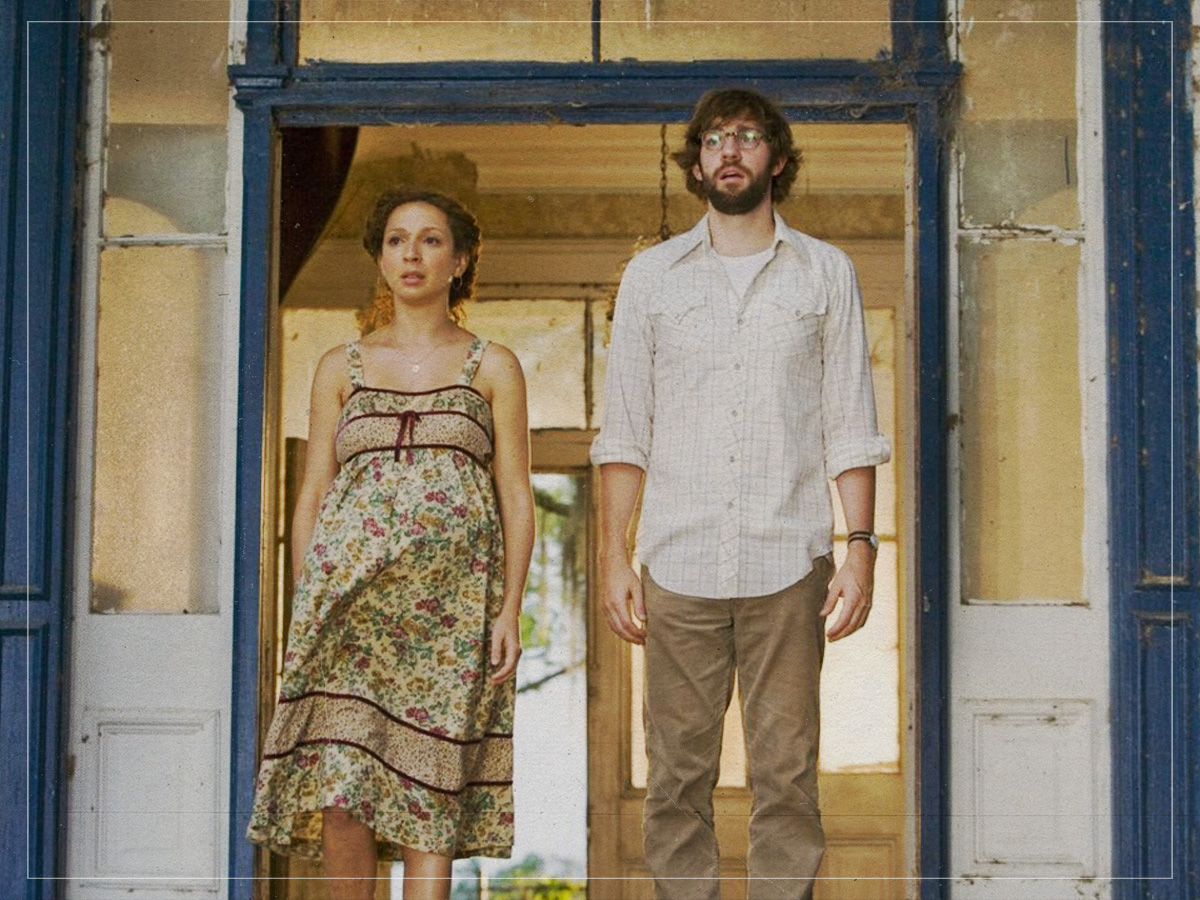
Before James Bond and 1917, Sam Mendes was an independent director whose focus shone through intimate stories about suburban life. While he is best known for his satire of this through American Beauty, Mendes spun an interesting twist on this genre with his 2009 film Away We Go. A low-budget comedy following a young couple as they trek around the country looking for the perfect place to buy a new home.
Starring John Krasinski and Maya Rudolph, the journey is made all the more complex through the looming deadline of childbirth, with the couple confronting their anxieties about parenthood and what kind of parents they want to be. There’s a wonderful balance between humour and heavier moments, with laugh-out-loud and thought-provoking scenes that feel beautifully reflective of the ups and downs in real life. Compared to the rest of Mendes’ work, it’s certainly less well known and one that deserves to be revisited, as this type of film slowly begins to die out.
