


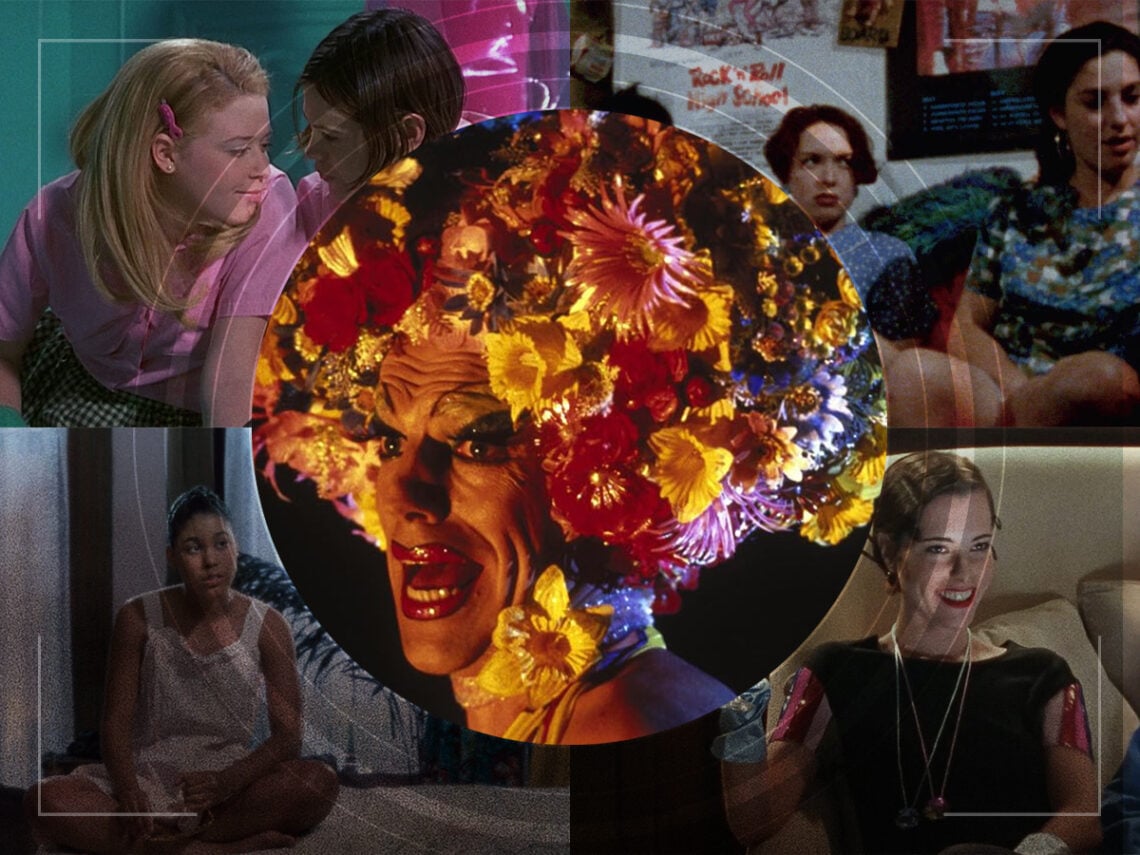
The five best directors of the 1990s you’ve never heard of

The 1990s were a period of great cultural and artistic change. Capri pants and tie-dye T-shirts came back into fashion, while the likes of Quentin Tarantino and Kelly Reichardt were rising through the culture ranks as the waistbands dropped lower, steadily changing cinema (albeit both for very different reasons).
It was a time of revolution and rebellion, with people setting the tone for the next century through making challenging art that brought conversations to the forefront of our minds that needed to be addressed in the next millennium. Whether it be the queer cinema movement and Gregg Araki’s trippy teenage tales or Tsai Ming-liang and his expansion of slow cinema, there were enough people challenging the status quo to keep even the most fussy cinephiles happy.
However, with such a steady influx of both mainstream and arthouse films, it’s only natural that some directors fell through the net and didn’t quite launch themselves to global success in the way that their peers did, despite being equally (or sometimes heaps more) talented.
So, without further ado, let’s revisit some of the greatest directors from the decade that might have slipped under your radar, and are well due another crack at the whip.
The five best 1990s directors you should know
‘The Adventures of Priscilla, Queen of the Desert’ (Stephan Elliott, 1994)
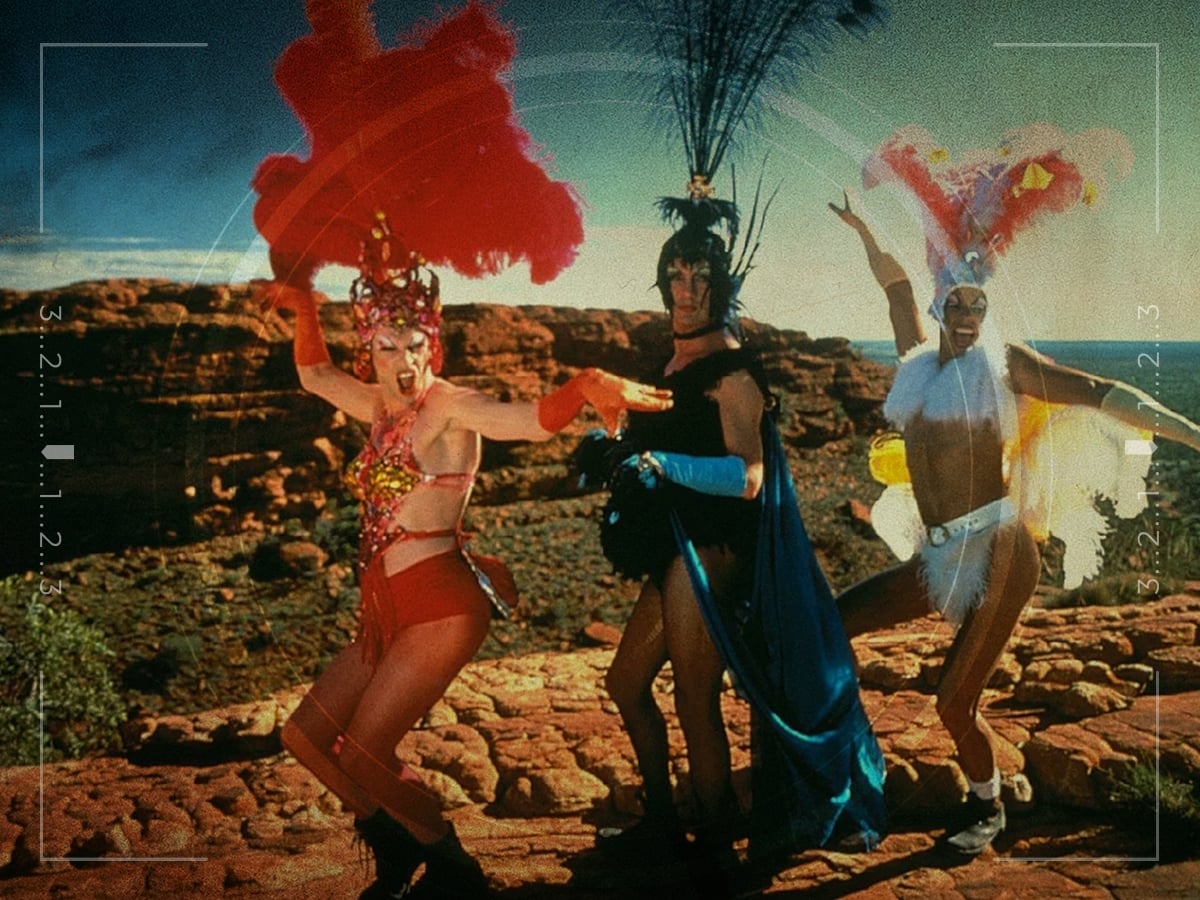
Few movies are an absolute joy from beginning to end but The Adventures of Priscilla, Queen of the Desert is one run of frames. It weaves radical acceptance and ugly prejudice into a story that’s both moving and feel-good – a layered tale of community, belonging, and proper, no-strings-attached friendship.
While we might love the antics of three drag queens stranded in the Australian outback, its success didn’t necessarily spark a huge Hollywood career for the director. The messy tale of embracing the things that make us different as the reason to come togeher, Stephen Elliot delivers cinematic bliss and one of the standout stories of the 1990s.
‘Alma’s Rainbow’ (Ayoka Chenzira, 1994)
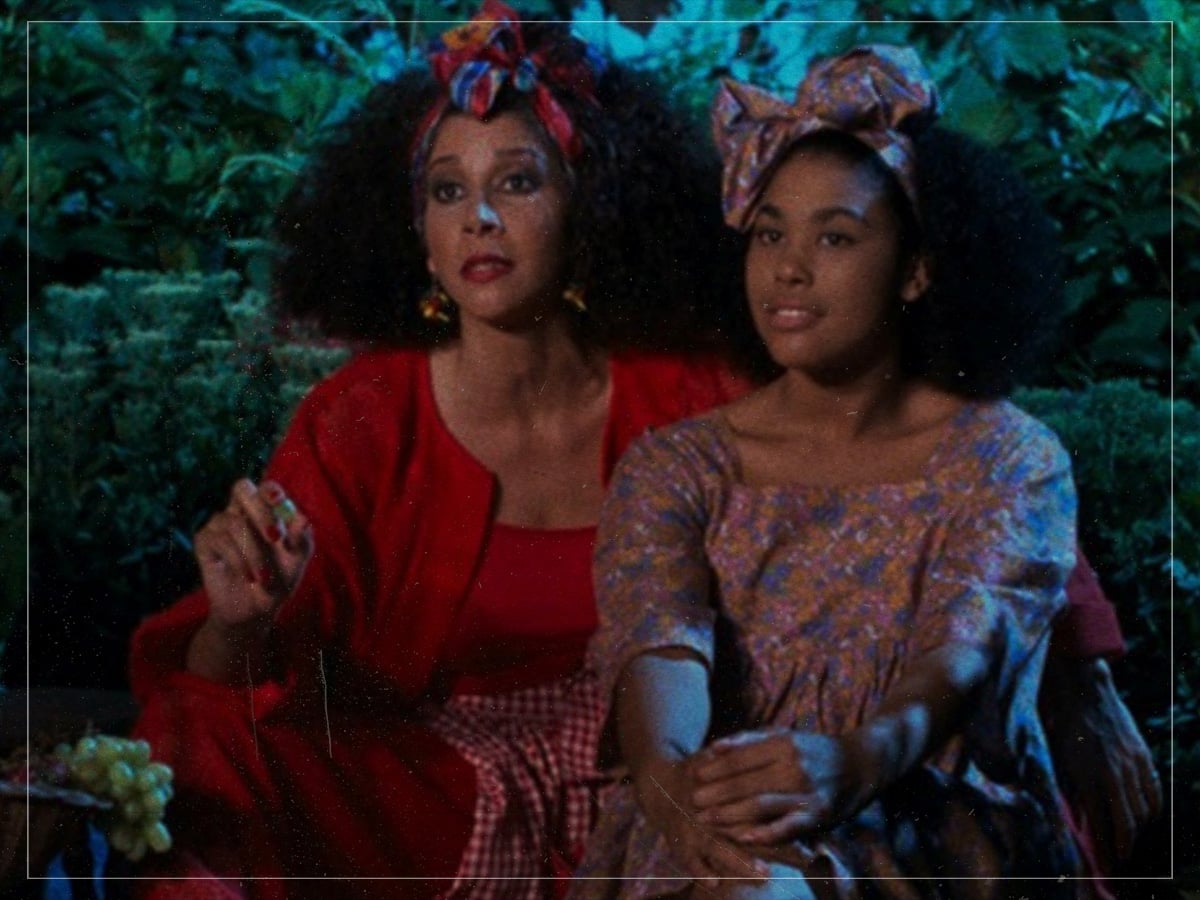
Are you ever looking for that movie that sets you apart from the pack when you suggest it? Alma’s Rainbow is that perfect movie. The 1990s weren’t exactly chock full of movies about Black girlhood and the story about Alma Gold wil leave you wondering why. Sex dreams and sparkling discos, it’s a charming portrait of puberty and the pangs of adolescence.
Many Black women at this time made pitch-perfect feature debuts, yet were not afforded the same opportunities as their white counterparts to expand and grow their career — Chenzira was another director who suffered this way.
‘Party Girl’ (Daisy von Scherler Mayer, 1995)
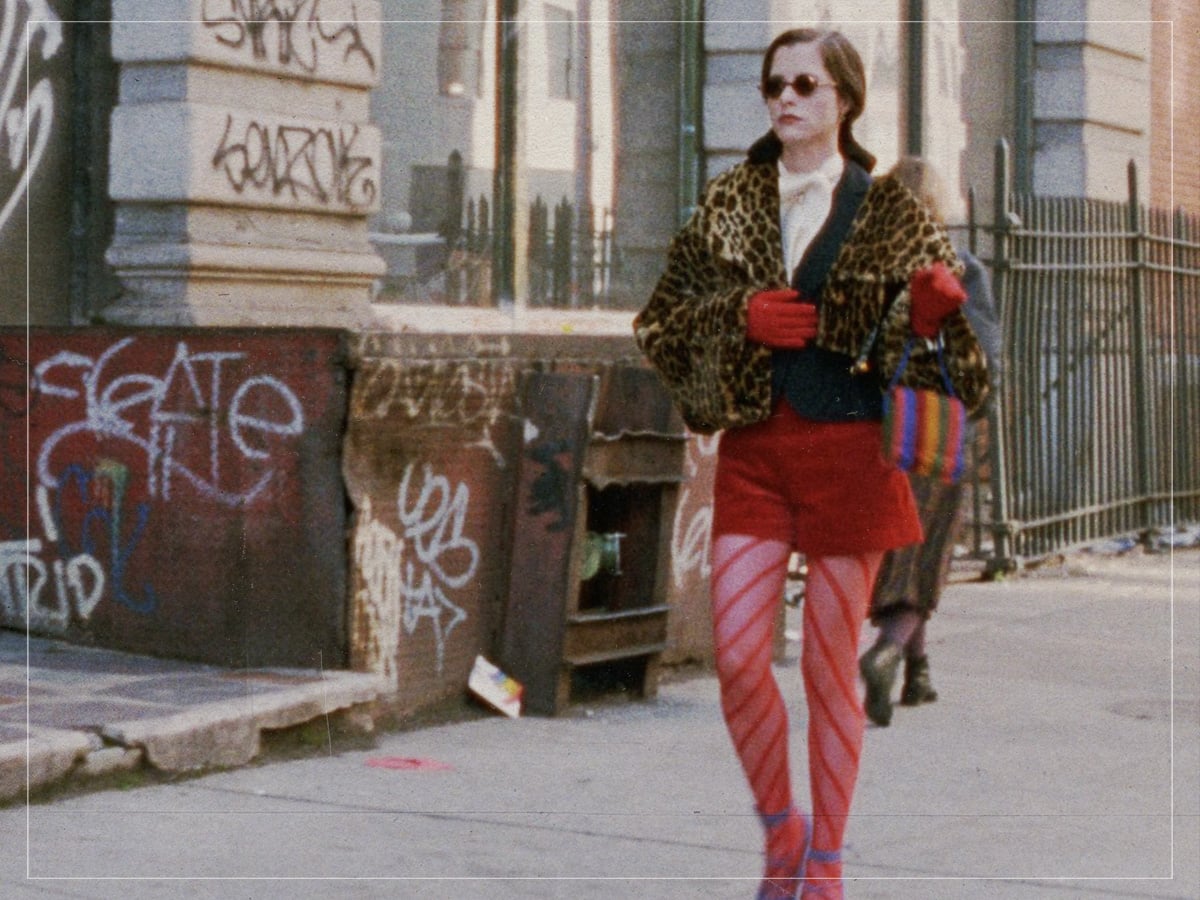
30 years after its release, Party Girl, has enjoyed a rip-roaring renaissance in recent years. It should have launched Mayer’s directing career but it didn’t quite pan out.
The story follows a spoilt New York socialite who navigates life as a full-time party girl and unemployed menace. But after being forced to work in a library, she discovers a new side to adulthood, being burdened with the responsibility of a job for the first time in her life, trying to figure out the knack for having it all.
‘Mary Jane’s Not a Virgin Anymore’ (Sarah Jacobson, 1996)
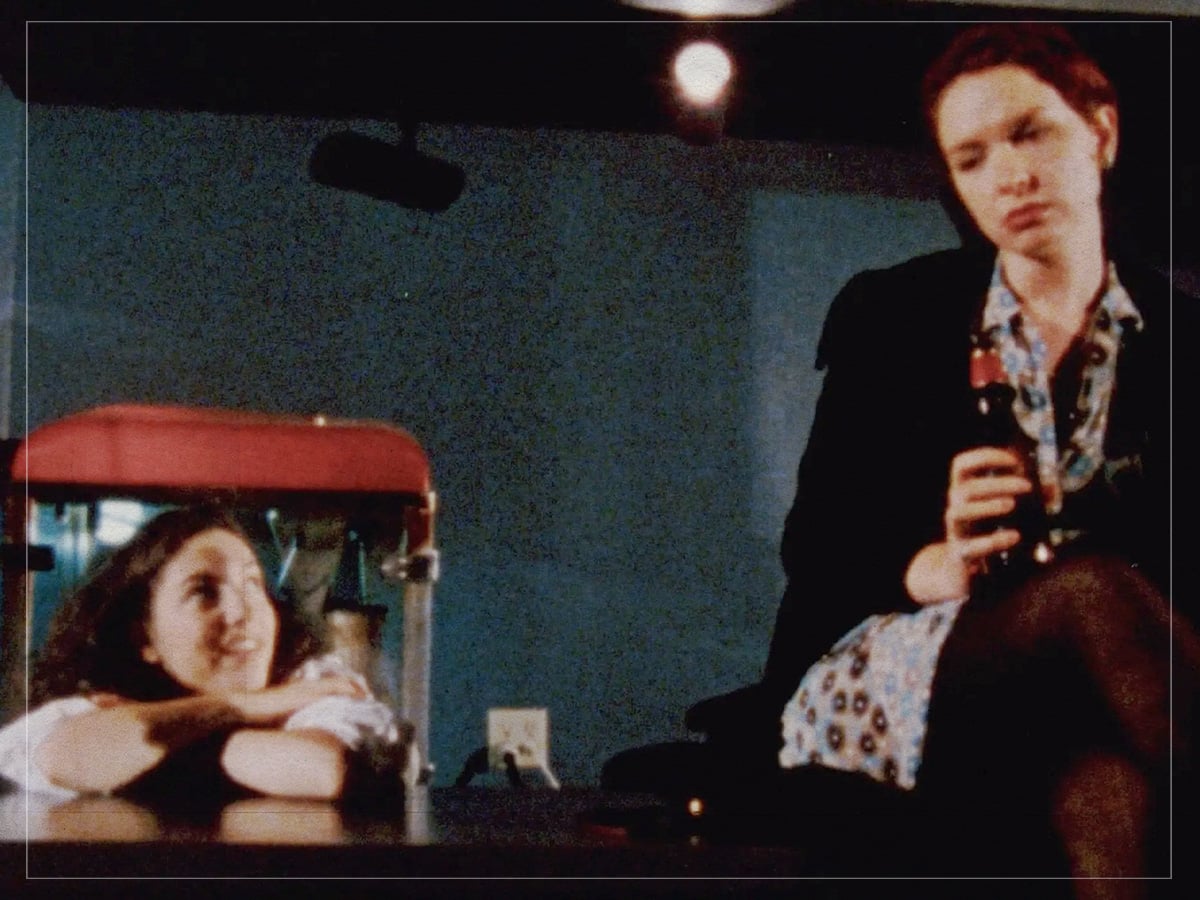
Mary Jane’s Not a Virgin Anymore is a journey many of us have experienced. A journey of self-discovery as the route of the titular character’s sexuality begins in earnest. A candid exploration of intimacy neatly lands between deliberate taboo breaking and delicat storytelling.
It’s hard not to align this movie with the explosive grunge movement in music that had been happening in the earliest part of the decade. Scrappy visuals and a scarred soundtrack only exentuate that feeling. Sarah Jacobson passed away at the age of 33, meaning it was never able to be the launchpad it should have been.
‘But I’m a Cheerleader’ (Jamie Babbit, 1999)
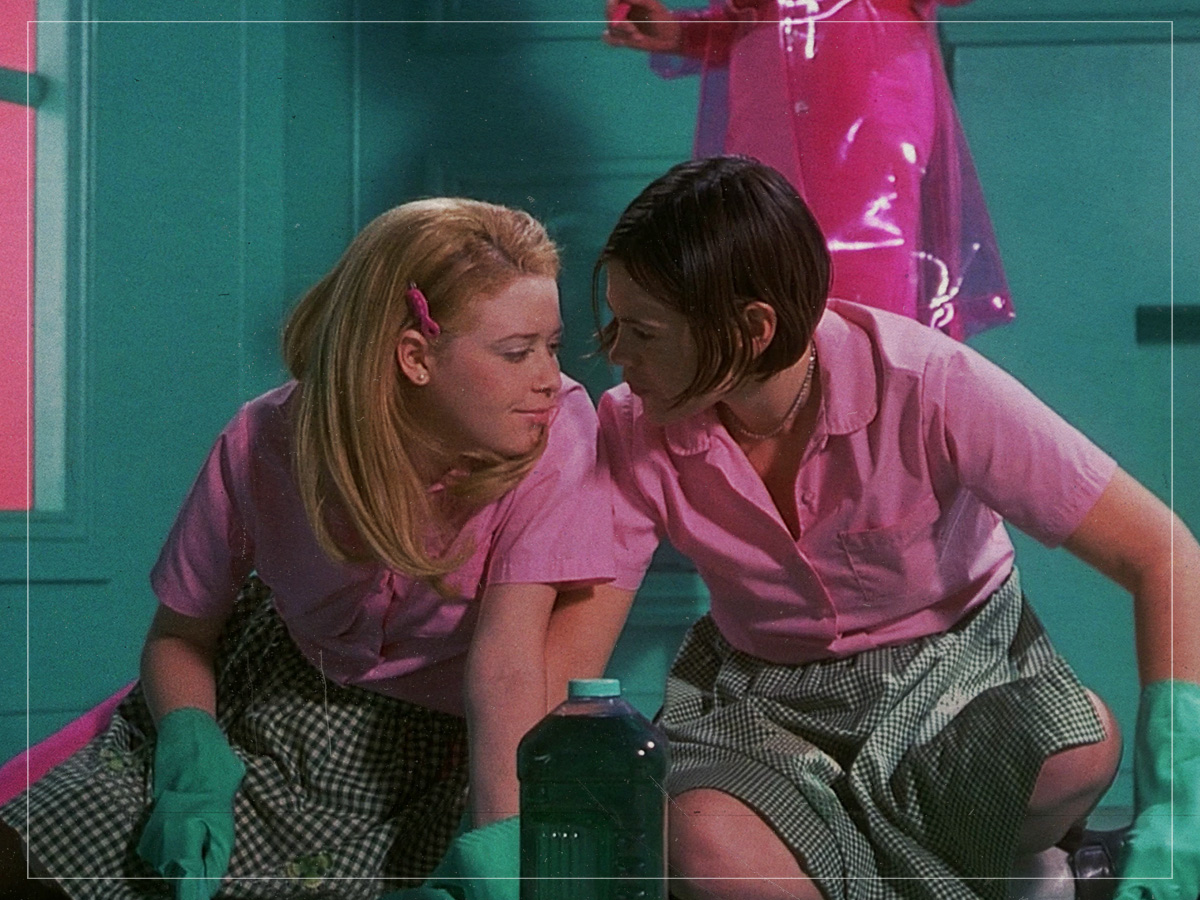
But I’m A Cheerleader feels like a movie that should have never been made.
Focused on a pray-the-gay-away camp, with cameo roles from Ru Paul, who plays an ‘ex-gay’, and Julie Delpy as the titular ‘lipstick lesbian’, it’s a miraculous ’90s gem that both mocks the inherent homophobia through its tongue-in-cheek humour, while also being undercut by a darkness that points towards the evils of its real-life implications.
While it’s an undeniable queer classic, with surrealist set designs and outrageous laugh-out-loud moments that make you wonder whether it’s even okay to laugh, Jamie Babbit’s future career didn’t quite have the same bite to it as her early work, even though her feature debut shows huge promise behind the camera and holds up to this day.
