


The prog band Phil Collins said was in a league of its own: “Absolutely phenomenal”

If you grew up in the 1980s, when the image of a mulleted Phil Collins singing ‘Take Me Home’ in front of the Hollywood sign was the most mainstream thing in existence, you’ll certainly remember the moment you discovered that Phil might not actually be so square after all.
It turned out that his band Genesis, long before those days of mid-1980s synth-pop radio staples like ‘Invisible Touch’, was a very different, untamed animal. That kooky fellow from the ‘Sledgehammer’ video was the frontman – dressed like a sophisticated space alien – and Phil Collins was merely a mysterious bearded druid banging away on the drums. This wasn’t mainstream fluff; it was something downright progressive.
Yes, Phil wasn’t just along for the ride. He was a virtuoso drummer with a jazz background and a sharp ear for rhythmic complexity, and he became a key architect of the progressive rock sound during its foundational years in the 1970s, as well as the familiar “gated reverb” style of drum recording in the 1980s. Before making any innovations of his own, however, young Collins was just an ambitious kid from West London, absorbing any and all new music like a sponge.
That curiosity would become one of Collins’ defining traits as a musician. Rather than confining himself to one genre, he immersed himself in progressive rock, jazz, soul and pop, allowing those influences to shape a playing style that balanced technical sophistication with an instinctive feel for melody.
In 1970, at the age of 19, he wormed his way into a recording session for George Harrison’s All Things Must Pass, playing congas til his hands bled, only to find out his part was later cut. Later that same year, he answered an ad in Melody Maker to join an upstart band called Genesis, fronted by Peter Gabriel. Collins liked what he’d heard of the band, but they hadn’t necessarily blown his mind. He’d been a tad more inspired by another adventurous group that was also new on the scene.
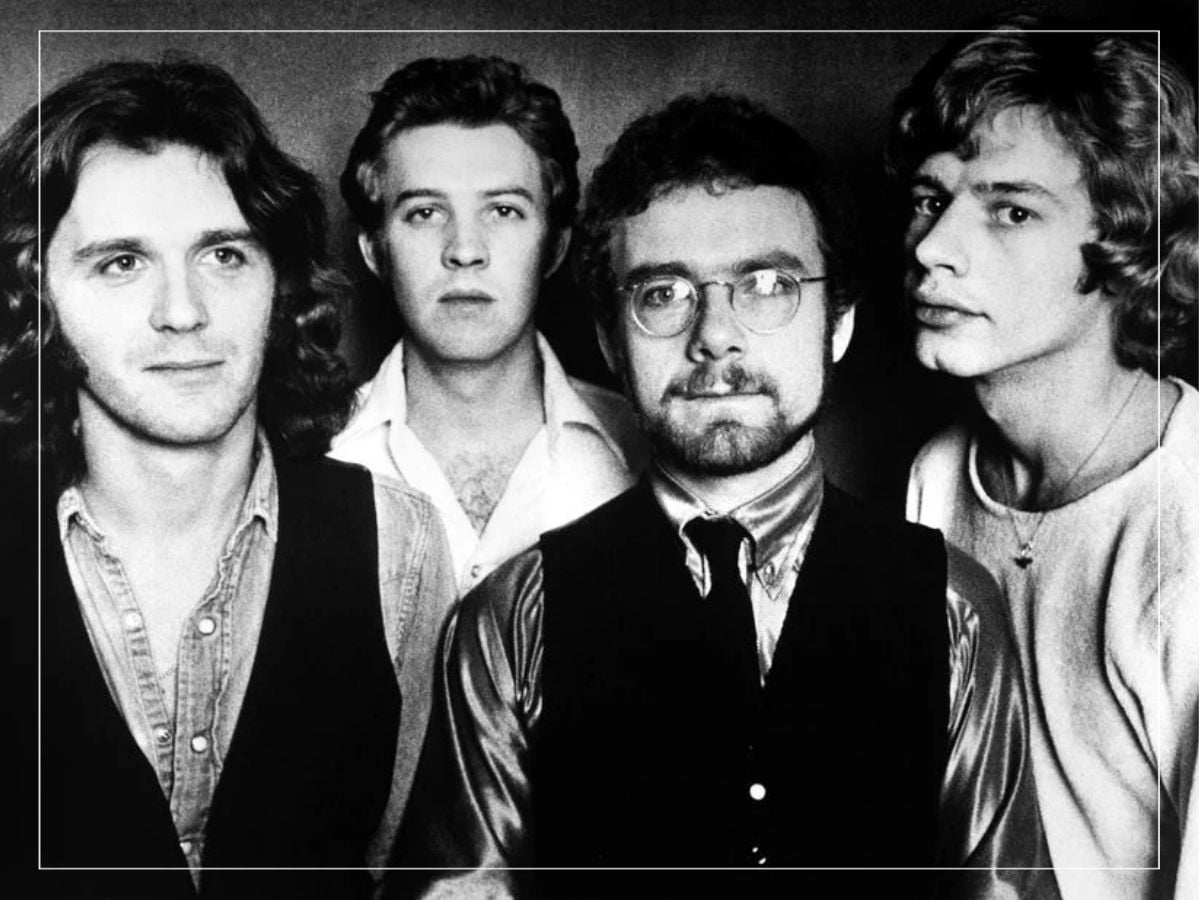
King Crimson’s debut, In the Court of the Crimson King, had fundamentally altered expectations of what rock music could achieve. Its blend of classical ambition, jazz improvisation and experimental textures made it an obvious touchstone for young musicians eager to push beyond conventional song structures.
“[King Crimson] were absolutely phenomenal,” he recently told Prog magazine. “Like nothing else I’d ever seen. This was before progressive rock was even called ‘progressive rock,’ but it was clear they were doing something that was completely new and fairly astounding. And while everyone else was wearing capes and flouncing about, there [Robert Fripp] was in his suit, sitting on a stool.”
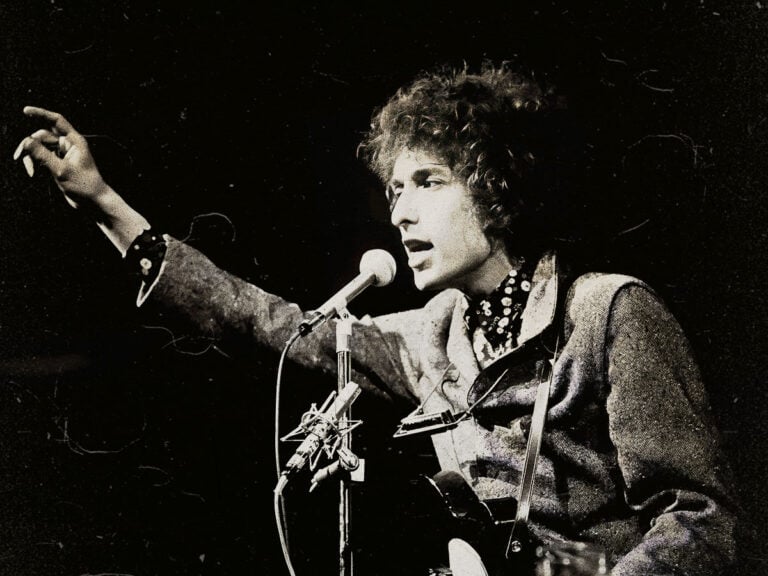
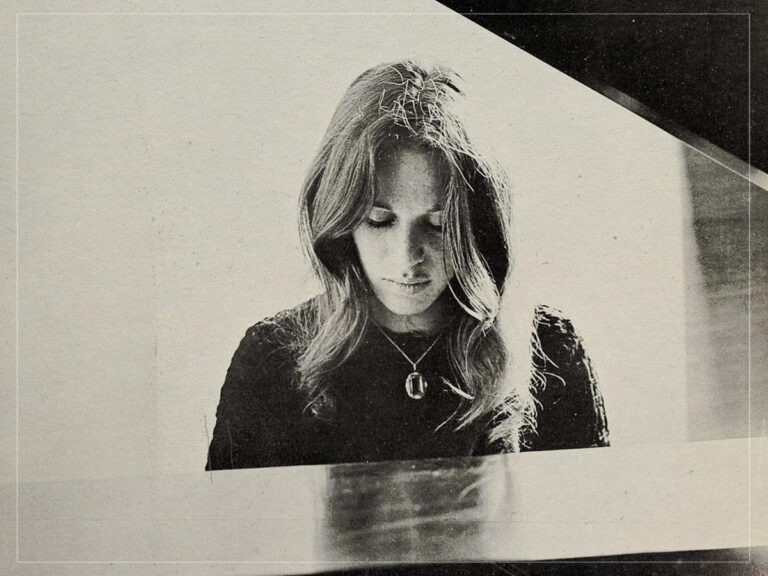
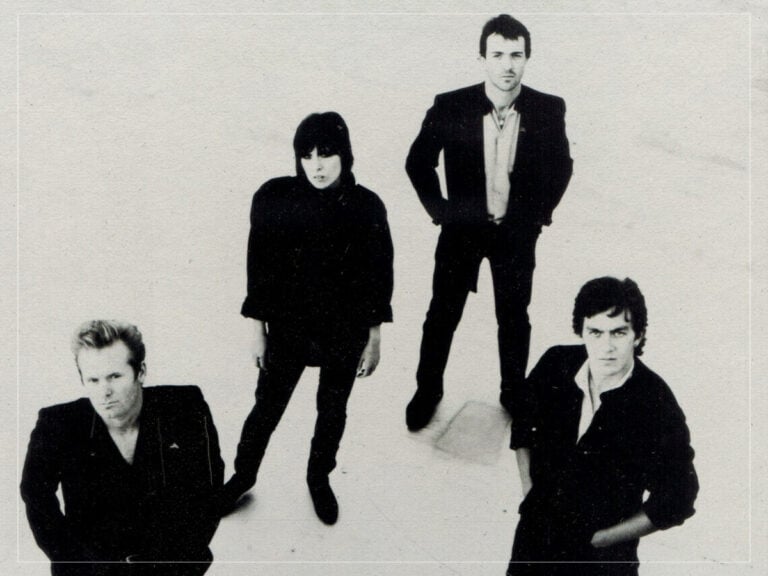
Inside Phil Collins’ unlikely link to King Crimson
Contrary to popular belief, Collins had a very friendly working relationship with Genesis’s original singer, Peter Gabriel – one of those men flouncing about in capes – during their time together from 1970 to 1975. In King Crimson’s Robert Fripp, though, he recognised a performer more in line with his own more buttoned-up sensibilities. In terms of his personal aesthetic and how he played the guitar, ‘Bobby’ was experimental yet disciplined, never letting the theatricality of the tunes and subject matter cloud the nuances in the music.
The respect soon became mutual, as Fripp observed Collins’ work with Genesis and his ability to elevate a wide spectrum of other noteworthy collaborators, from fellow prog rockers like Yes’s Peter Banks to John Martyn, Brian Eno, and the jazz outfit Brand X. Finally, in 1979, Fripp called on Collins to handle drum duties on two tracks for his own debut solo album, Exposure. The sessions for those songs, ‘Disengage’ and ‘North Star’, were different from anything Collins had experienced before, even with his buddy Gabriel.
“That was an interesting experience,” Collins told Prog. “Robert doesn’t work like anyone else. He’s very professorial and very focused, there’s no messing around. That’s not to say he’s not a warm person, because he is, but he knows what he wants from himself, and from you. And listening back to ‘North Star’, I think it’s one of my favourite pieces of music that I’ve ever played on.”
Sadly, both Collins, 74, and Fripp, 79, have been battling serious health problems in 2025, with the later recovering from a recent heart attack and the former still suffering from limited mobility caused by a 2007 spinal injury, which has prevented him from doing the thing he’s always loved most: playing the drums.
