


“It still stands up”: The 1966 Bob Dylan that just gets better with age

In a strange yet enticing way, Bob Dylan is one of those artists who exudes an overwhelming sense of complexity, making summarisation a challenge.
While Dylan has achieved many seemingly impossible feats, and his lyrical prowess is a constant topic of discussion, his talent can’t be condensed into just one song. However, there is one track that, without question, comes closest to encapsulating his genius.
Blonde on Blonde didn’t become hailed as one of the greatest albums of all time just because of its sound. That was, of course, a major factor, but one that wouldn’t have been entirely possible had Dylan not exercised the power of a highly focused, tightly knit group of incredibly adept musicians. What made the album so impressive wasn’t just Dylan’s abstract conceptualisation and poeticism; it was his ability to combine the colloquial with the visual, creating a vivid tapestry of imagery that resonated on multiple levels.
Recorded during the fertile Blonde on Blonde sessions in Nashville, ‘Visions of Johanna’ emerged at a moment when Dylan was pushing beyond conventional songwriting. Rather than relying on straightforward narratives, he embraced ambiguity, allowing images and emotions to drift in and out of focus without ever settling into a single, definitive meaning.
It’s tough to know where to start when explaining the brilliance of ‘Visions of Johanna’ in particular, not least because it has become one of the singer’s most celebrated songs but because there are many layers to its narrative that demonstrate his prowess as a storyteller and a skilled wordsmith. Dylan’s words are always chosen carefully, which makes the song even more intriguing, particularly when looking at its seamless blend of personal introspection and existential musings.
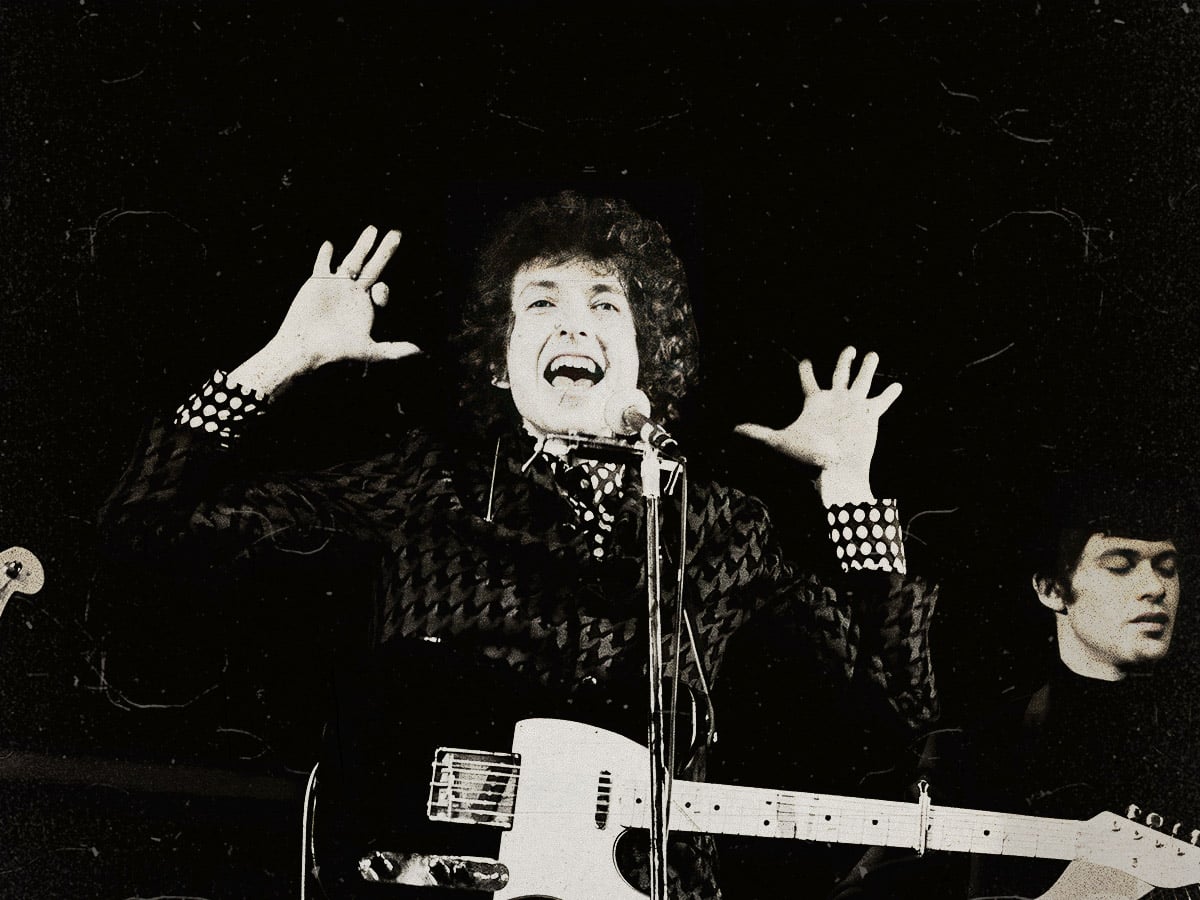
Despite the many mysteries it evokes, we do know that the song isn’t solely about Louise. In fact, it’s almost not about her at all, and it focuses more on Dylan’s mind being occupied by another woman, Johanna. For this reason, Dylan shows off his inherent ability to craft poetic lyrics and soundscapes that dance around his subjects like a flickering flame in the subtle breeze. There’s confusion and longing there, but it’s all grounded in grace and desire.
That openness is one reason the song has inspired decades of interpretation. Some listeners hear a meditation on lost love, others view Johanna as an unattainable ideal or artistic muse, but Dylan has consistently resisted offering a definitive explanation, preferring the song to exist on its own poetic terms.
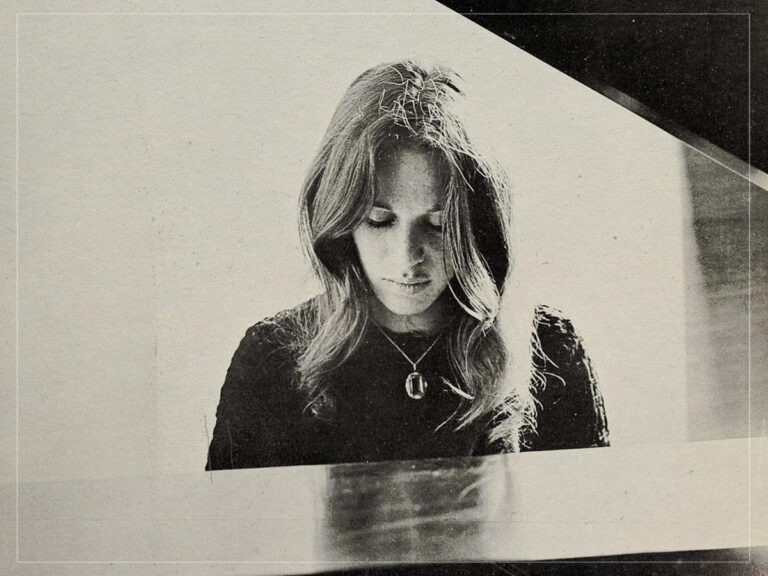
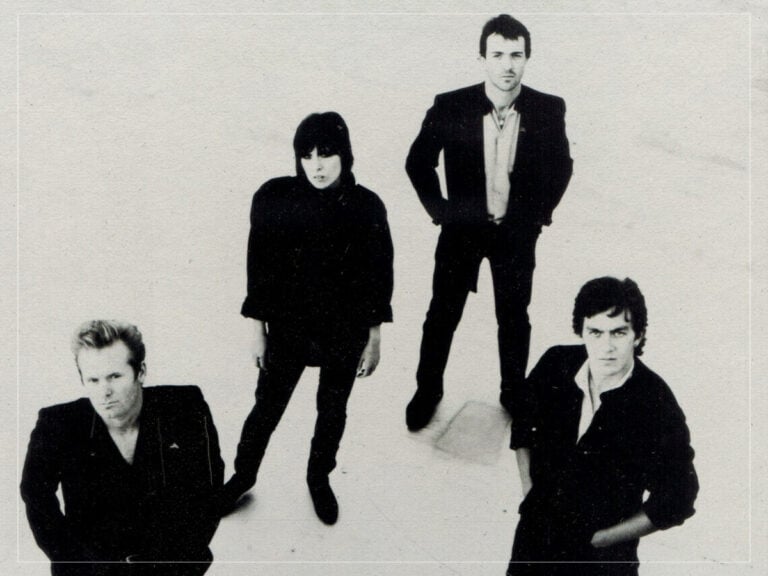
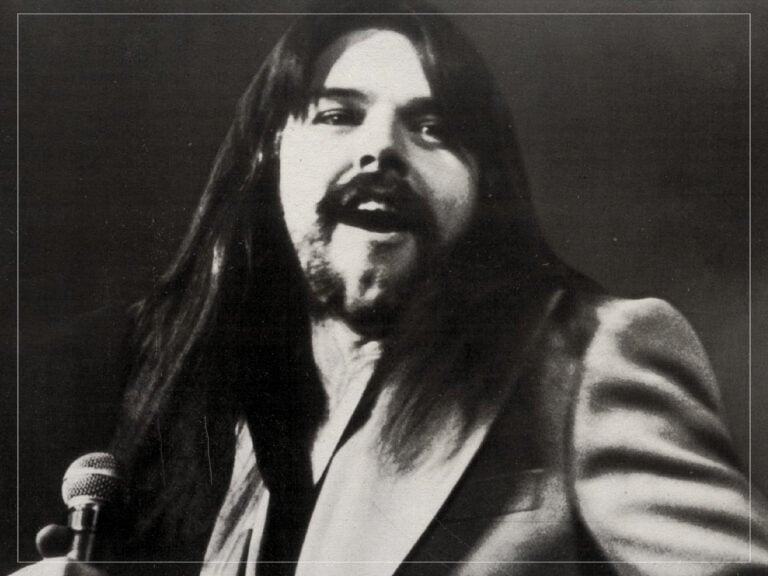
The concept of Johanna in this song feels akin to a seductive entity that may not be real but nonetheless feels it and refuses to subside from Dylan’s consciousness. “It’s extraordinary,” Bono once said. “He writes this whole song seemingly about this one girl, with these remarkable descriptions of her, but this isn’t the girl who’s on his mind! It’s somebody else!”
Dylan’s first live performance of the song occurred in 1965, during which some of his audience members included both members of his inner circle and those he had made a significant and lasting impression on since his early days. Joan Baez, for instance, was there, and it’s anyone’s guess how she reacted to a song admitting an obsession with someone else, regardless of whether such a person actually existed or not.
Still, even two decades later, Dylan knew the song had a certain spark that would never cease to exist. “I still sing that song every once in a while,” the singer said in 1985. Discussing its enduring appeal, he added: “It still stands up now as it did then. Maybe even more in some kind of weird way.” The more we discuss Dylan and his reputation as one of the greatest writers who ever lived, the more songs like ‘Visions of Johanna’ maintain their relevance. It may not be the perfect song, but it’s damn near the perfect Bob Dylan song.
Perhaps that is why ‘Visions of Johanna’ continues to fascinate generations of listeners. Rather than offering neat resolutions, Dylan leaves space for mystery, inviting each audience to find its own meaning within the song’s dreamlike imagery. More than almost any other composition in his catalogue, it captures the elusive quality that has made Bob Dylan one of the most endlessly analysed and celebrated songwriters in popular music.

Never Miss A Tale
The Far Out Bob Dylan Newsletter
All the latest stories about Bob Dylan from the independent voice of culture.
Straight to your inbox.