


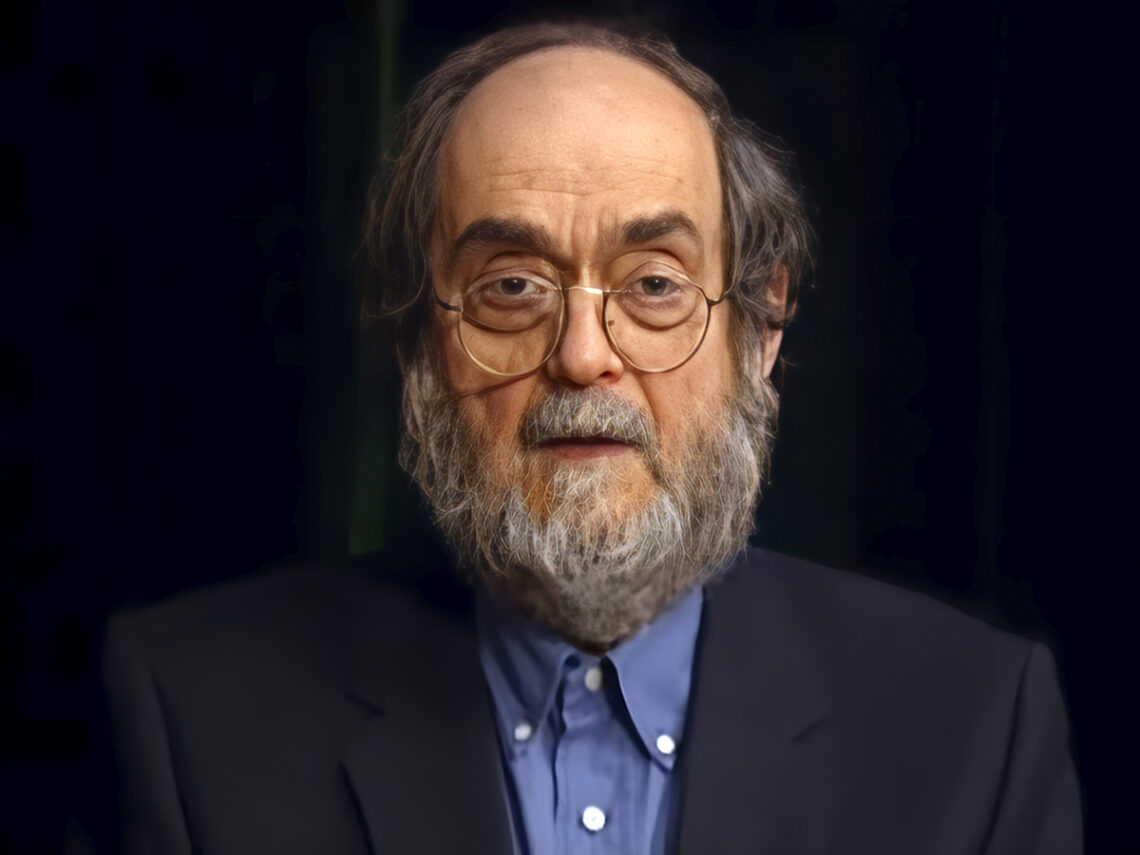
The one director Stanley Kubrick could never figure out: “All style and no content”

Stanley Kubrick was a man of very few words, with the enigmatic filmmaker rarely discussing his work in any public forum, preferring to shroud his films in a cloud of mystery. With transformative projects such as 2001: A Space Odyssey, Barry Lyndon and The Shining on his resume, Kubrick is widely remembered as one of the greatest directors of all time, masterfully adapting his style to wildly different stories as he explores subject matter relating to technology, sexuality and tradition.
Despite having and then becoming a wonderful well of knowledge on everything relating to cinema, the director infrequently shared his opinion on the work of other directors, which is why it was so surprising when he expressed his dislike of one filmmaker in particular.
Charlie Chaplin is one of the most prominent creatives within the silent film era, using exaggerated physical comedy and slapstick humour to create timeless stories such as Modern Times, City Lights and The Kid, lifting audiences’ spirits during the post-war era. While he has influenced many modern filmmakers through his ability to craft tension and drama without dialogue, Kubrick had his own thoughts about this style.
Kubrick is famously meticulous about every visible and invisible detail of a film, with excruciating attention going into the framing and mise-en-scene of every shot. Whether it be the subtle terror of the tracking shots in The Shining or the infamous zooms that gradually hone in on his characters as they slowly lose their minds, the director has established his own distinctive visual language for optimising the immersion of each story.
It is because of this that the director isn’t a massive fan of Chaplin, describing his shooting style by saying, “If something is really happening on the screen, it isn’t crucial how it’s shot. Chaplin had such a simple cinematic style that it was almost like I Love Lucy, but you were always hypnotized by what was going on, unaware of the essentially non-cinematic style. He frequently used cheap sets, routine lighting and so forth, but he made great films. His films will probably last longer than anyone else’s. You could say that Chaplin was no style and all content”.
However, while the auteur does not have high praise for the overall construction of his films, he has adopted a devil’s advocate stance over this stance, describing the polar opposite effect seen in Eisenstein’s films. “On the other hand, the opposite can be seen in Eisenstein’s films, which are all style and no content or, depending on how generous you want to be, little content. Many of Eisenstein’s films are really quite silly; but they are so beautifully made, so brilliantly cinematic, that, despite their heavily propagandistic simplemindedness, they become important”.
Kubrick always embraced an expansive cinematic style, constructing complex sets and working on location for the sake of authenticity and creating a vivid story world. However, perhaps Kubrick should’ve been less quick to judge Chaplin’s work, with both directors working in completely different time periods with very different creative constraints. Kubrick was perhaps allowed more freedom and luxury within his filmmaking practices because of filmmakers like Chaplin, who pushed the medium forward. While he may not replicate this style himself, there is definitely something to be appreciated in the simplicity and mass appeal of his films that entertained audiences at a time when they needed it most, regardless of their physical quality.
