


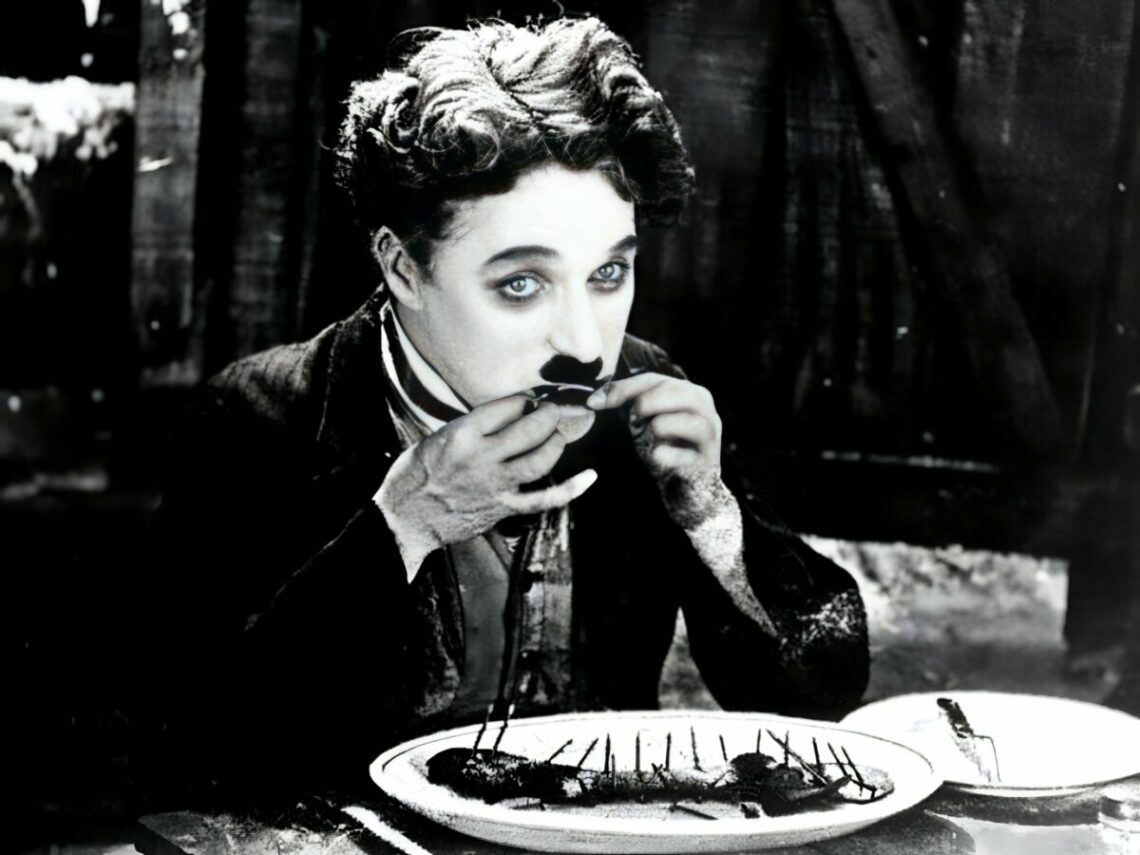
The simple scene that took Charlie Chaplin 342 takes to capture

Throughout cinema history, there have been a number of directors who have become famous (or infamous) for their exacting and occasionally agonising filmmaking style. These are auteurs who have a clear vision for their works and will drive the actors they’re instructing to breaking point to achieve those goals.
Stanley Kubrick was legendary for his precision and quest for perfection, brutally forcing Shelley Duvall do over 120 takes, backing up the stairs with a baseball bat on the set of his 1980 film The Shining, and on the same production made actor Scatman Crothers do over 100 takes of a simple scene until it matched his standards. The final scene in Eyes Wide Shut saw Tom Cruise and Nicole Kidman do over 95 takes before Kubrick was satisfied. A man who was meticulous and specific about everything, from the performances of actors to the lighting and exact camera positioning and focus pull.
A name that doesn’t often get mentioned in these scores of directors such as Kubrick or other famed perfectionist David Fincher, is an early star of Hollywood, Charlie Chaplin.
Before his death in the late 1970s, Chaplin was a pioneering part of the rise of motion pictures as a medium, becoming synonymous with the silent film era thanks to his recognisable appearance and physicality. At one time considered the most famous man on the planet, Chaplin made a staggering 80 films over his career, spanning the earliest years of the medium, through its transition out of the silent era.
Over his time working to help establish filmmaking as an industry, Chaplin was both an on and off-screen talent, occupying the position of star, producer and director more often than not.
In one of his most successful films, City Lights, released in 193, Chaplin would show his own exacting standards when Virginia Cherrill, herself not a professional actor, but someone that Chaplin had spotted at a boxing match, would be pushed by the famously moustached Chaplin to do a three-minute sequence that saw Chaplin’s ‘Tramp’ be mistaken for a rich man by a blind flower girl over 340 times.
“This was extraordinary even by his standards,” says Chaplin historian Hooman Mehran, when talking of the lengths the actor-director-producer-composer would drive Cherrill to. “It was not uncommon for Chaplin to re-do one scene 10 or 20 times. But 342?”.
City Lights would be one of the last silent films to be made before the advent of voice recording added a new revolution to the industry, and Chaplin was determined to make it a lasting masterpiece that would help define the era. Chaplin had also put all of his own money into the production, that would leave him penniless had it been a failure.
“He was very tough on set,” Mehran says of Chaplin, describing a time that saw him clash with new generational talent Marlon Brando on the set of A Countess From Hong Kong in which, in response to Brando asking for some help understanding the motivation for his character, Chaplin would respond “Forget about motivation, just do it as I tell you to do it, that’s your motivation”. A stark difference between two distinct eras of filmmaking colliding.
