


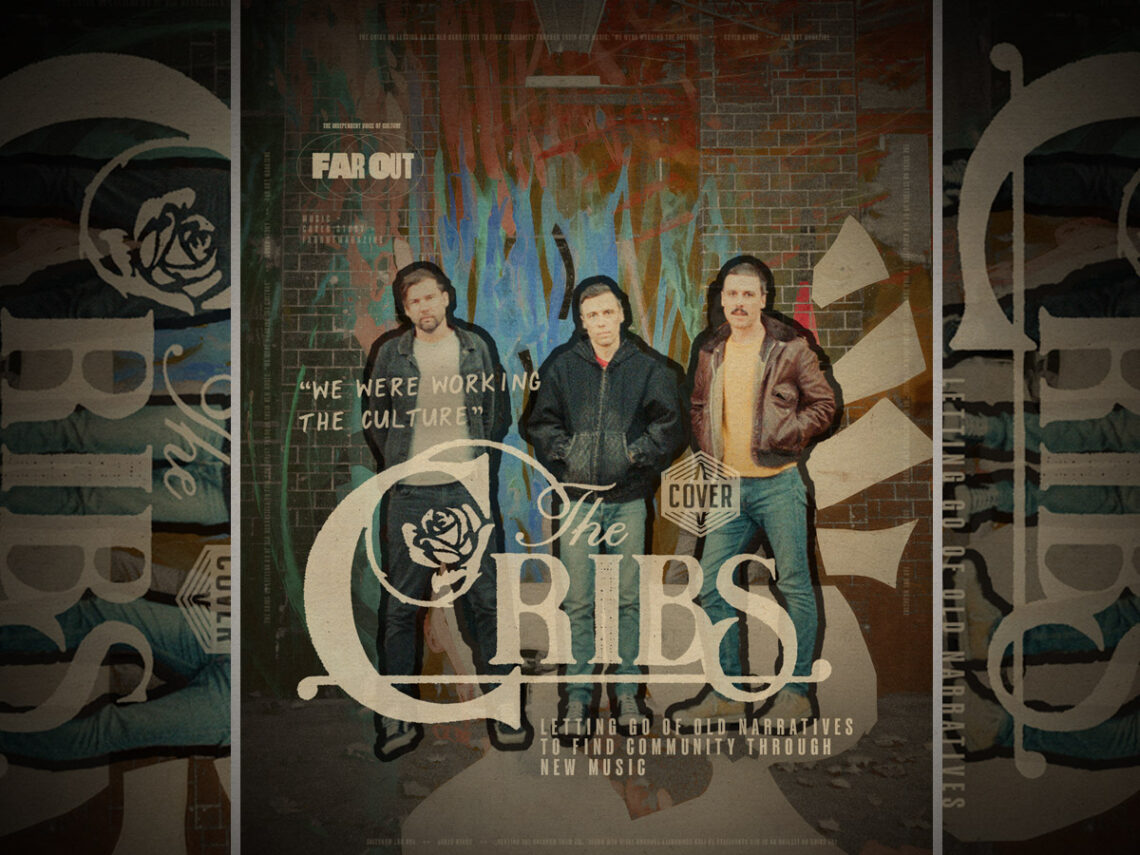
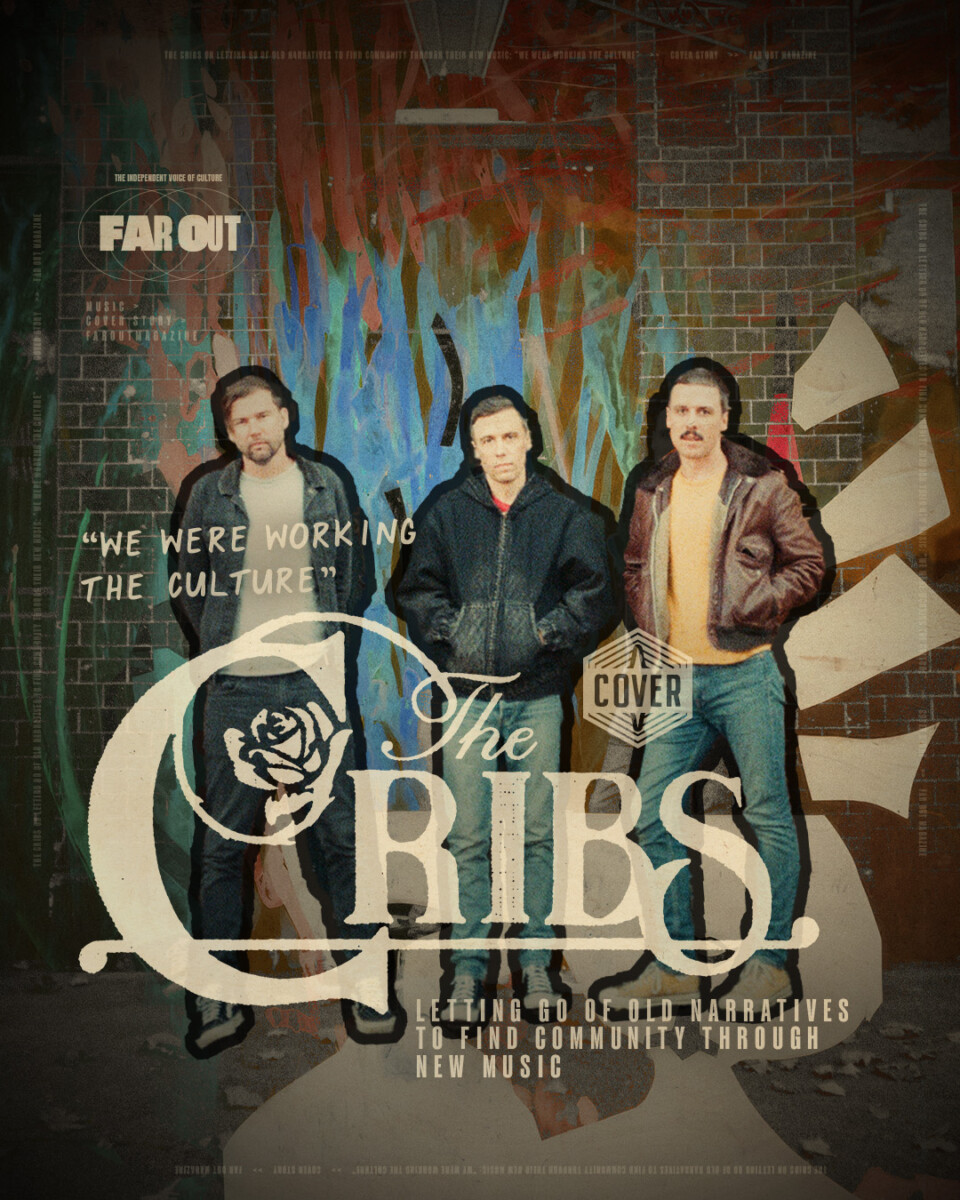
The Cribs are letting go of old narratives to find community through their new music: “We were working the culture”

Everybody likes a comeback story, so much so that any band returning from a period of absence is labelled as such, in the hope that the record in question might thrust us back into a state of nostalgia. However, when it comes to The Cribs, there seem to be two overwhelming misconceptions.
The first is that they have undergone a long period of absence; their consistency in the music scene all the way from the heady days of the 2000s to right now, has had them at times mislabelled as a band embarking on a comeback with any given release. The second is that by doing so, they are here to represent a window into nostalgia.
Their ninth record, Selling A Vibe, is another reminder of that, standing less as a defiant comeback statement or sonic slice of their millennial supremacy, but as a record for right now, a very different time in the life of The Cribs.
“For us, like making a record is something that it’s less about it being part of a culture now, and it’s more like we take more time over them and just do them when we want to do them because it is more on our terms now,” bassist Gary Jarman tells me, but that doesn’t mean wholly abandoning what came before; the 2000s are still referenced in some shape or form, but on Selling A Vibe, it’s in the rearview mirror.
He continues, “In the 2000s and particularly in the early 2000s, there’s a culture around everything, like we were working the culture. What we mean is, between the venues, the bands, the overall youth culture that you’re operating in means that you’d have to record and release the music at that time because it’s relevant to what’s going on at that time. But then, now that’s not the reality anymore. Culture’s more fractured, fragmented, and you sort of exist a little bit more; it’s not centralised in the way that it was.”
The changing tides of culture must seem easier to navigate when the creative ship is built on a familial bond, that much is clear, and the blood that binds them is smeared all over this ninth record. A record that is as vulnerable and stripped back as they’ve ever been. On the record’s final song, ‘Brothers Won’t Break’, the trio share vocals and percussive claps over the top of a pop-laden melody that in many ways puts them at the driver’s seat of their own destiny, seemingly wheeling off into a sunset.
“Lyrically, it was really the first time that I would say that it was specifically about the three of us,” Gary explains. It feels somewhat correct that he assumes the role of spokesperson for a song like this, because it was, after all, his homemade studio in Portland that made up the foundation of these recordings, with the quiet solace of his West Coast home providing an almost safe playground for these ideas to be explored.
He continued, “Not just our relationship, but also our worldview. Because we usually don’t do that kind of putting too fine a point on things, usually, but I just thought for the first time it just seemed like that would be a good idea.”
The proverbial sunset doesn’t exist, of course, but when your life revolves around the complexities of being in a band with your brothers, coming through the hedonism of noughties indie to be an outfit that is still standing strong over 20 years later, it’s as close as it gets. This album is brimming with that sentiment, be it on that rousing closer or the deeply intimate ‘Looking For The Wrong Guy’, it’s almost like a therapy session that brings closure to the past and opens up opportunities for the future.
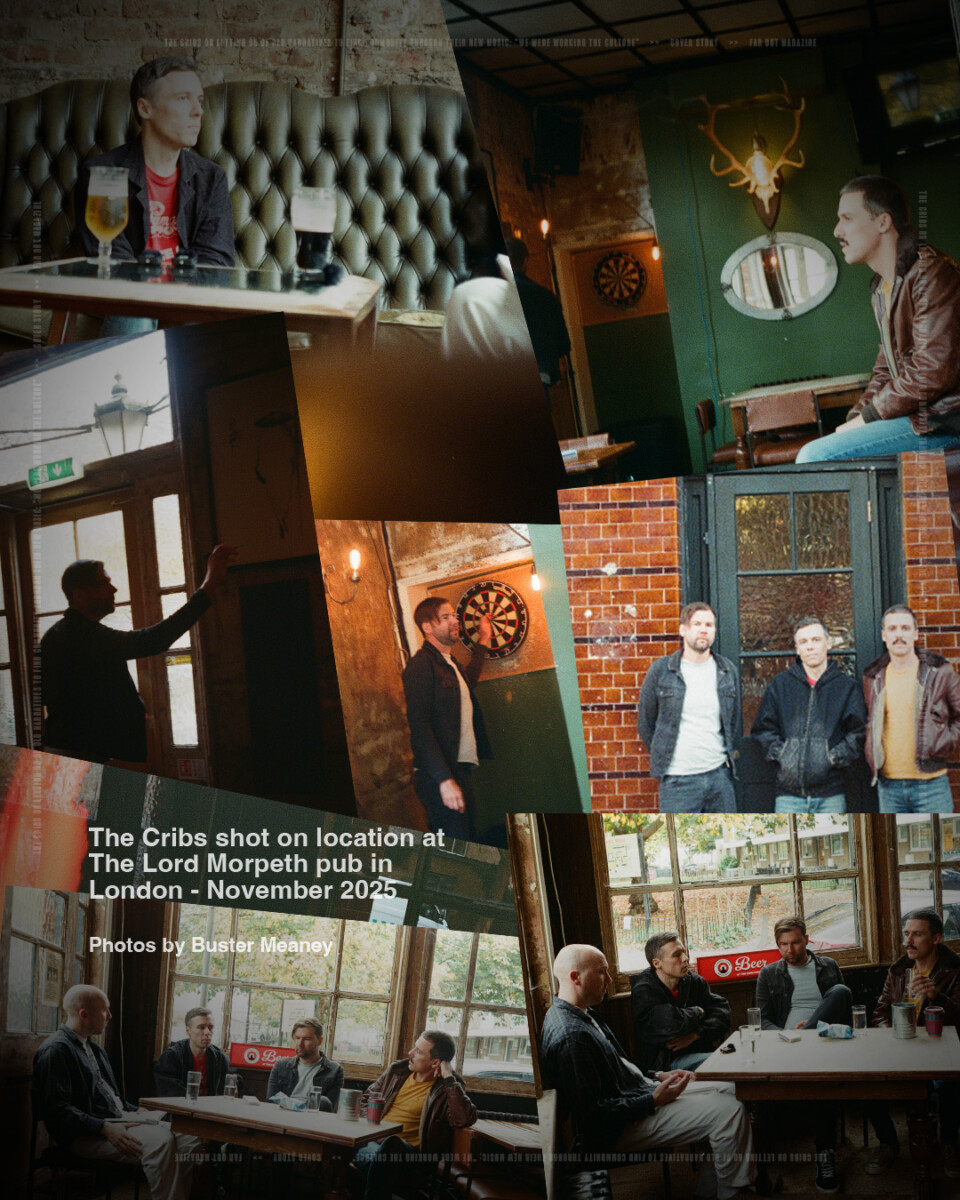
“I was uncomfortable with it for a while,” Ryan Jarman tentatively explains about his ballad ‘Looking For The Wrong Guy’, and the discomfort still clearly lingers as he answers my question about the song, but as his body half turns towards his brothers on the opposite side of me, an earnest feeling of safety appears through which he can explore these emotions once again.
“I was so uncomfortable with how on the nose it was, but then I was like, ‘man, this is why I should be doing this. I shouldn’t feel like this is just natural baggage and self-consciousness’. And any kind of it gets in the way of your best work, I think. You know, as we’ve got more experienced and got older and stuff, I’m starting to realise that this is a lot of what my philosophy is based on. It’s about getting out of your own way, you know?”
Getting out of your own way for what many would describe as one of Britain’s definitive indie bands can certainly be tough. The cobwebs of the genre you were once pinned to still exist within the corners of their instruments, and so often a new musical style is required to shake them off.
On Selling A Vibe, however, you can clearly hear that The Cribs know how their music manifests itself best and what worlds they feel most comfortable in, so their evolution needn’t come in elaborate genre shifts but more influential tinges of the sort of music they perhaps weren’t allowed to make in the heyday of trendy indie.
The ‘P’ word comes up regularly in our conversation, a word that 20 years ago we would have likely used in slanderous jest over a couple of pints, but one that now feels like an integral and respectable part of the lexicon: Pop has slowly been a reference point for the band on previous work and is now in full force on this record.
That doesn’t mean the instrumentation is drenched in glossy production á la Jack Antonoff, designed to thrust The Cribs to the top of the charts, but it’s to give them a framework through which ideas can be easily and truthfully explored. If Selling A Vibe is going to mine intimacy like it is, then there’s no point getting caught up in the self-imposed snobbery of high-brow arrangements.
Gary explains: “Pop music is fundamentally about the beat and it’s about the bassline and the riff, like it’s the core ingredients. Because you can have a great pop song and it’s just a repetitive beat with a repetitive baseline and repetitive riff. It doesn’t hide behind anything. It’s just like, this is the hook. This is what we want you to focus on. And that can also be a lyrical hook.”
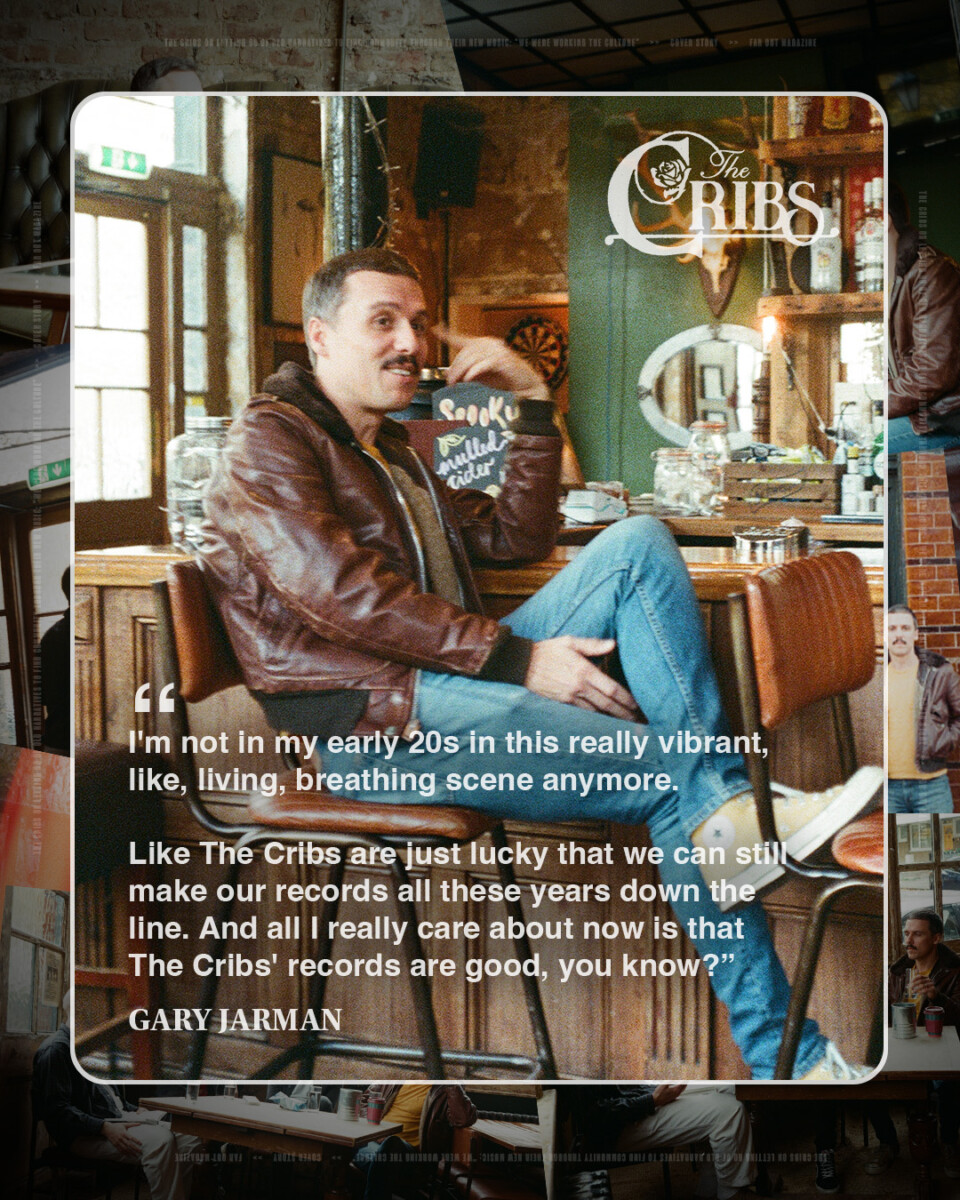
Adding, “That’s what it refers to. It just means that like, I’m not in my early 20s in this really vibrant, like, living, breathing scene anymore. Like The Cribs are just lucky that we can still make our records all these years down the line. And all I really care about now is that The Cribs’ records are good, you know?”
The idea of a scene falling away has crystallised the band’s musical process for sure, but there is a very distinct feeling that this eats away at them. In the 20 years they have been operating as a band, the idea of community has evolved drastically. To them, the change borders on a digital apocalypse, where the pubs and clubs have run dry, and everyone has taken safety in the shelter of the internet; there’s no culture to play to now, and that’s what has driven the music inwards.
Gary elaborates on this point, noting, “Unfortunately, the more mainstream outlets and stuff, only really, like, shine a spotlight on people who will put in numbers online. They have hard-line raw basic numbers online like just hard digital data that tells them whether something’s worth their time or not, but that’s really, really corrosive. It’s massively corrosive. And I’m sure that there’s some really, really awesome bands out there. And there’s probably kids that felt much like we felt when we were younger because we weren’t good at self-promoting and we were shy kids.”
He added further how this can feel massively discouraging for young acts, especially, saying, “I’m sure there’s so many that like doing that thing. And just like being demoralised by the lack of metrics that they’re seeing, like either stream counts or reposts or whatever it might be. We didn’t use to have that. We had a box of like 50 demos under the bed, and it’d be depressing that you couldn’t sell them. But like, but that’s fundamentally different than just sitting there and just like, looking at a fucking like, front end of a computer interface and just being like, ‘Oh, literally, nobody cares. I’ve got the whole world, and nobody cares’.”
There’s almost a feeling of mourning within the band that the great days of music scenes are long behind us. I raise the question that the internet and all its vices might just give us something to rebel against, in turn creating vibrant scenes that revel in community rebellion, and while they agree somewhat, they can’t help but view their own experiences as a success story of the past.
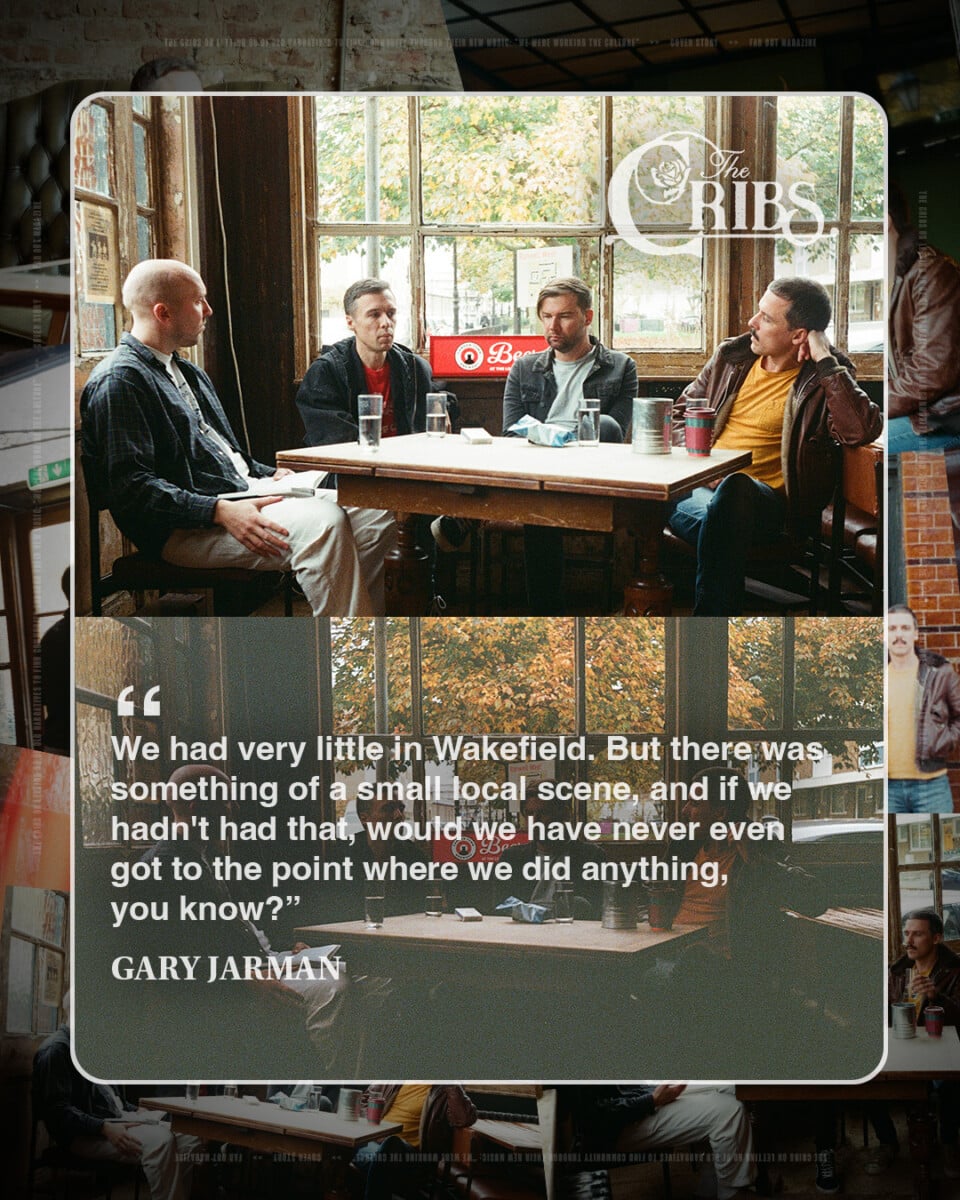
“I’m just saying it just makes me sad for the people,” Gary explains, “We had very little in Wakefield. But there was something of a small local scene, and if we hadn’t had that, would we have never even got to the point where we did anything, you know?”
It’s a fair point, when you’re nine albums in, cemented in the legacy of British alternative music and about to play a 6000 capacity homecoming show in Leeds. Their gig in the city’s Millennium Square next summer is somewhat of a victory lap for the homegrown band, who described it as a “bit of a kitchen-sinker” in their press release.
When I ask for something more specific, the fervence that existed in their appraisal of the internet quickly slips away for earnestness. I’ve come to learn that inside the inner circle of these brothers, I might not share vibrant laughs and blissfully ignorant clinks of our pints over the thought of a big live show. Instead, when they slowly avert their eyes towards mine and softly explain their position, that is them authentically expressing their gratitude.
“It’s a real high calling for the band,” Gary explains, “And I feel like we’ve often, kind of like, you know, especially in the last couple band cycles, we’ve kind of seen that as being like the high point of the modern era.”
With two decades under their belt, there is no denying that The Cribs know how to express themselves best through music. Somewhat disillusioned with the games required for the modern artist, they’ve doubled down on their sound and crafted a record that warrants the victory lap they’ve booked in for next year, but through it all, I have a sneaking suspicion that they might just undervalue their impact or maybe even the modern audience’s ability to defy their scepticism.
I’ve been to these big summer shows, where treasured British bands have played with a supporting line of burgeoning artists, and you can feel the torch being passed. Because even in the foggy mist of hyper digitalisation, great music can still impact change and inside the historic walls of Leeds’ greatest venues exists a scene of bands ready to make it happen.
