


The choreography of nightmares: why dance and horror are natural partners

A picture of a foot on a pointe is body horror.
Inside that delicate satin ballet shoe, dancers are holding the weight of their entire body on the tip of their toes; there’s no platform in there, just the bones of their toes, a few layers of material, and the wood of the stage.
Because of that immense pressure, did you know losing a toenail is so common for ballet dancers that it’s considered routine? Around the world, prima ballerinas sit on studio floors and simply tear off toenails that have cracked and split down the middle. The pressure placed on the toes while twirling, jumping, and landing en pointe can sometimes reach 12 times the dancer’s body weight, meaning split toenails, broken toes, severe bruising, and calluses are all standard. What do they do about it? They keep dancing.
In the 2026 film Pretty Lethal, a troupe of ballerinas attempting to escape the grip of some murderous mobsters and a vengeful ex-dancer keep on repeating lines like that. “These guys are drunk and out of shape, and we’re prima fucking ballerinas,” Maddie Ziegler’s character yells as they head into battle with blades strapped to the tips of their perfectly arched feet.
It’s not a cinematic masterpiece, and certainly not a masterpiece of script writing, but what Pretty Lethal does a great job of is tapping into a trope that is right there in front of all our eyes: dancing, especially ballet dancing, is already horrific.
Throughout the movie, the ballerinas do things that would make the average viewer shiver but likely wouldn’t even faze someone who has spent their whole life in the studio practising pirouettes. Ziegler’s character contorts herself and briefly pops her shoulder out to escape being bound. They hide in tiny spaces with their legs in vertical splits. They’re thrown to the ground as if it’s just another day practising lifts. Again and again, they simply crack bones back into place or tape up wounds and move on, because that’s exactly what a two-hour production of The Nutcracker demands, as do the months of rehearsals beforehand.
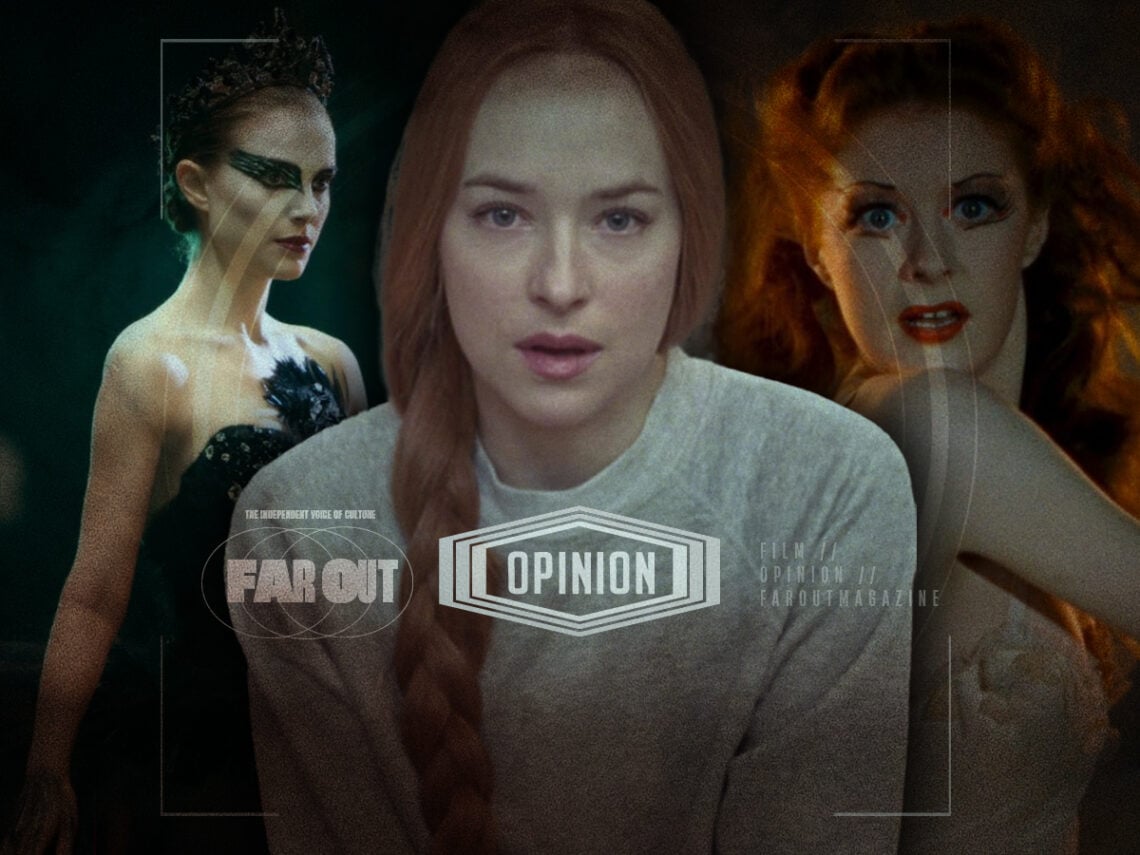
There’s a certain mania involved in it, and in Pretty Lethal, Ziegler, who is a dancer herself, having started out on Dance Moms, captures that feeling perfectly. There’s a palpable insanity in her eyes as pain ripples through her face momentarily, but is ignored to simply keep going, and it’s the exact same look that is seen on Moira Shearer in the most iconic stills from 1948’s The Red Shoes.
The story goes that when Powell and Pressburger were looking for the right person to play the ballerina Victoria Page, they knew they needed a dancer first, and given that Shearer rejected them repeatedly, determined not to impact her dancing career, she was perfect exactly because she was fighting against it. Clearly, the directors knew that no one outside of that world could capture that look of ignored anguish as their protagonist does what so many dancers do, which is push herself to the absolute limits of her body and mind.
The mental and physical strength required to be a dancer basically writes the films for directors. Anyone who spends even a day with a professional dancer or a ballet troupe could likely come away and already have the core of a body horror flick ready just from seeing all the injuries strapped up and ignored, or hearing the stories of cut-throat auditions, the intensity of the relationships between company members or the dedication and trust they have to devote to one another.
Dance groups have to move as one unit, all relying on each other to not let each other down. In that fact alone, you have the plot of Suspiria as the cult-like mentality involved in a troupe is already a perfect setting.
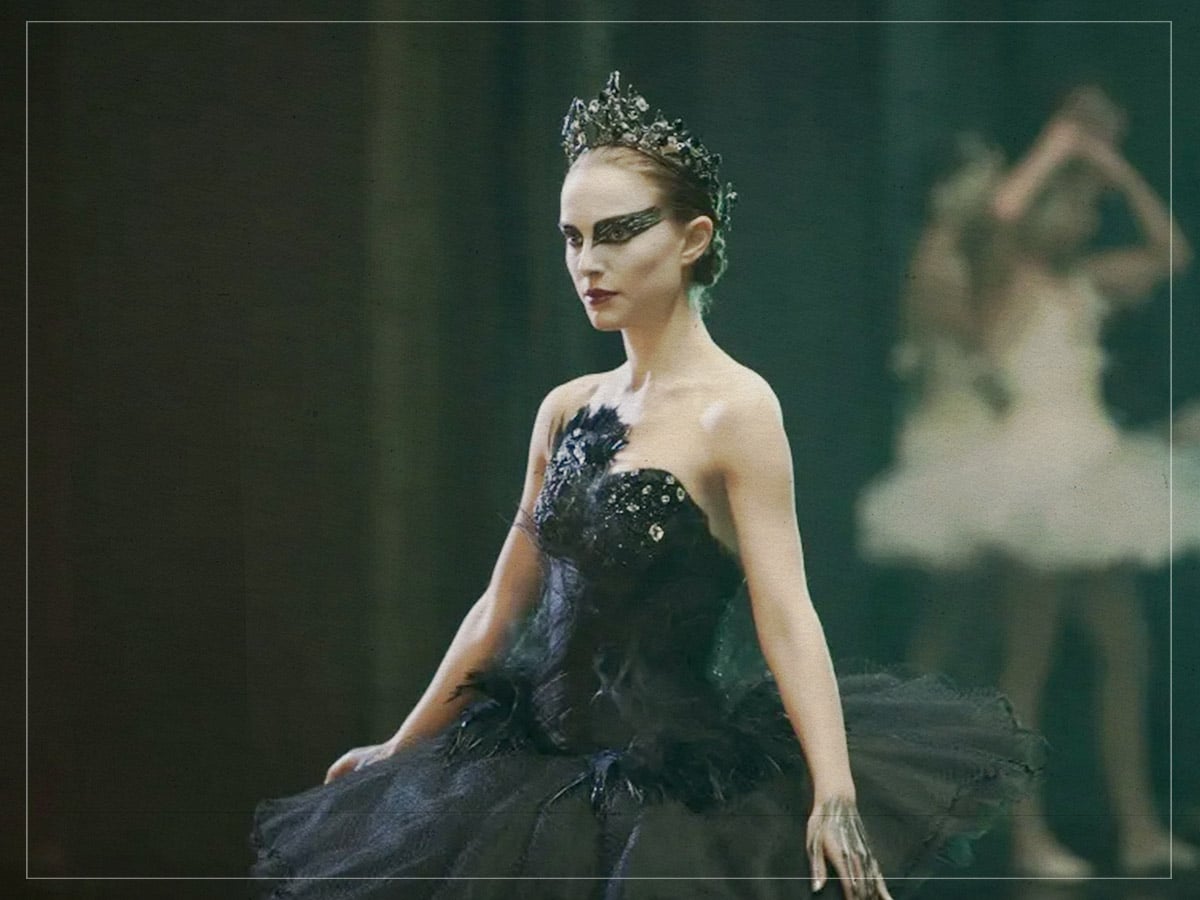
When making Black Swan, Natalie Portman lived like a ballerina for six months prior, existing on a strict diet and training intensively in dance. “Your whole body has to be structured differently,” she said of playing a ballerina, which, again, is body horror in a sentence.
It seemed once more that everyone was aware that you can’t adequately play a dancer without understanding what it is to be one, or at least getting a few of their bruises and pains. It spurred Portman on into a manic role that turns the mental toll of dance into a sinister horror of body and mind.
There’s a reason it seems to come up so often across the entire horror genre. Whether the whole plot or setting is rooted in dance, so often just a little detail of a ballet song, a dance school, or even a creepy dance segment will float into the frights. When considering the uncanny, dancers embody the motif as these beautiful, elegant things who also appear possessed by music, are graceful through the worst pains, and probably carry a knife in their bag, ready to scratch the soles of new dance shoes.
From the onstage ease to the backstage strife, dance already exists on that line of light and dark, sweetness and something sinister. Looking delicate and pretty but being able to handle 12 times their weight in their toes alone, ballerinas become the very vision of something that isn’t what it seems, but is scarier under the surface. So it’s really no wonder that throughout cinematic history, directors can’t ignore the twisted allure of the dance studio.
