


Filmmakers should be worried that their work only exists digitally

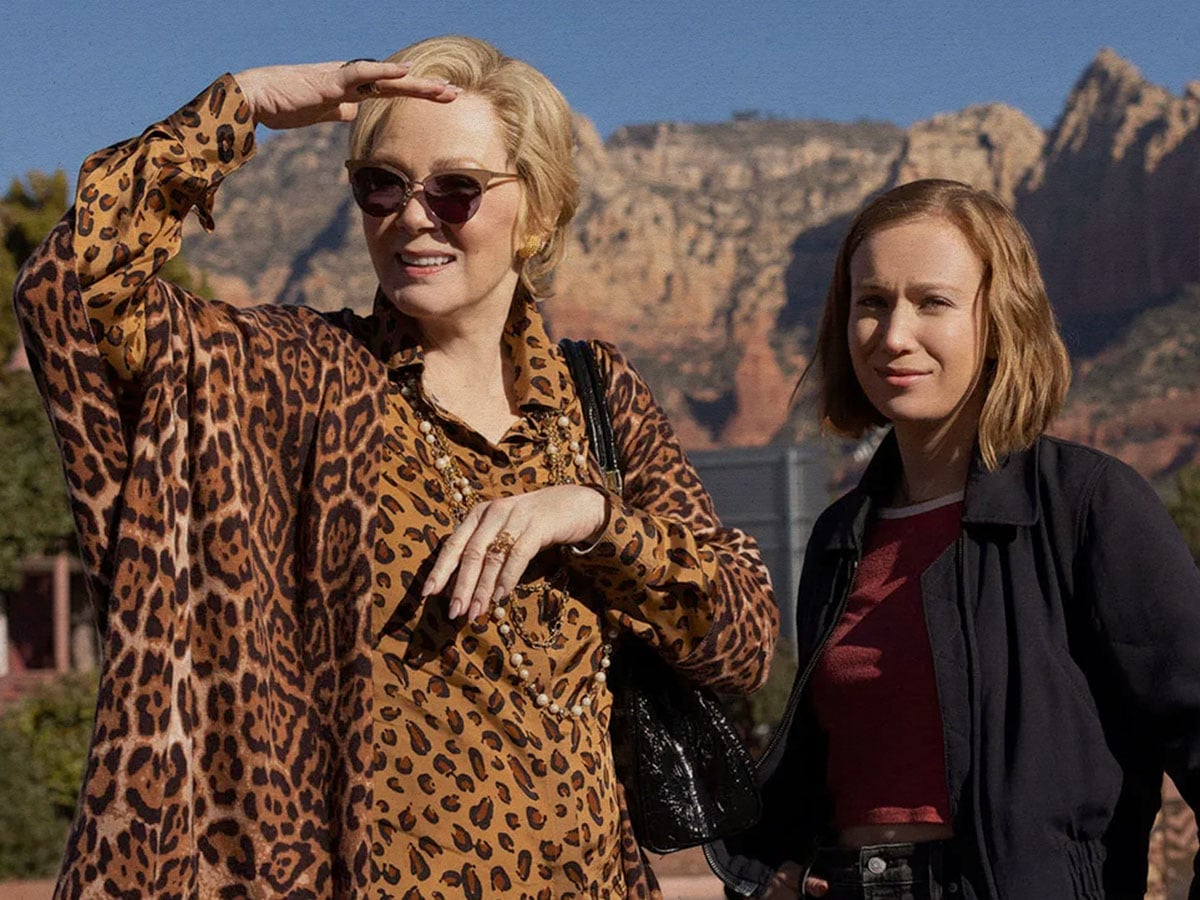
In May, one of the creators of the beloved HBO comedy Hacks expressed concerns about how the streamer’s acquisition by Paramount could affect the very existence of the show.
“It’s such an important time for people to invest in physical media,” Lucia Aniello said. “[Because] things are coming down all the time… That does really put so much power of the distribution of art in the hands of algorithms and people’s whims and certain executives not liking somebody’s brother.”
The fate of Hacks and other HBO shows amid Paramount’s acquisition of Warner Bros is the tip of the iceberg. For years, the film industry has been in a physical media tailspin, and no matter what executives tell you, it isn’t solely the result of viewers’ growing preference for streaming. To illustrate just how dire things are, consider these numbers. In 2005, DVD sales in the US peaked at $16billion. In 2023, they had cratered to $754million. That same year, Netflix finally pulled the plug on its DVD rental service, and major American retailers like Best Buy stopped selling physical copies of movies and TV series.
Things have only gotten worse since then. Earlier this year, Disney laid off its entire home entertainment team, with new CEO Josh D’Amaro explaining through a haze of corporate speak that it was all about cutting costs. “We have looked at ways in which we can streamline our operations in various parts of the company to ensure we deliver the world-class creativity and innovation our fans value and expect,” he said. In other words, they were shifting their focus to the streaming service Disney+.
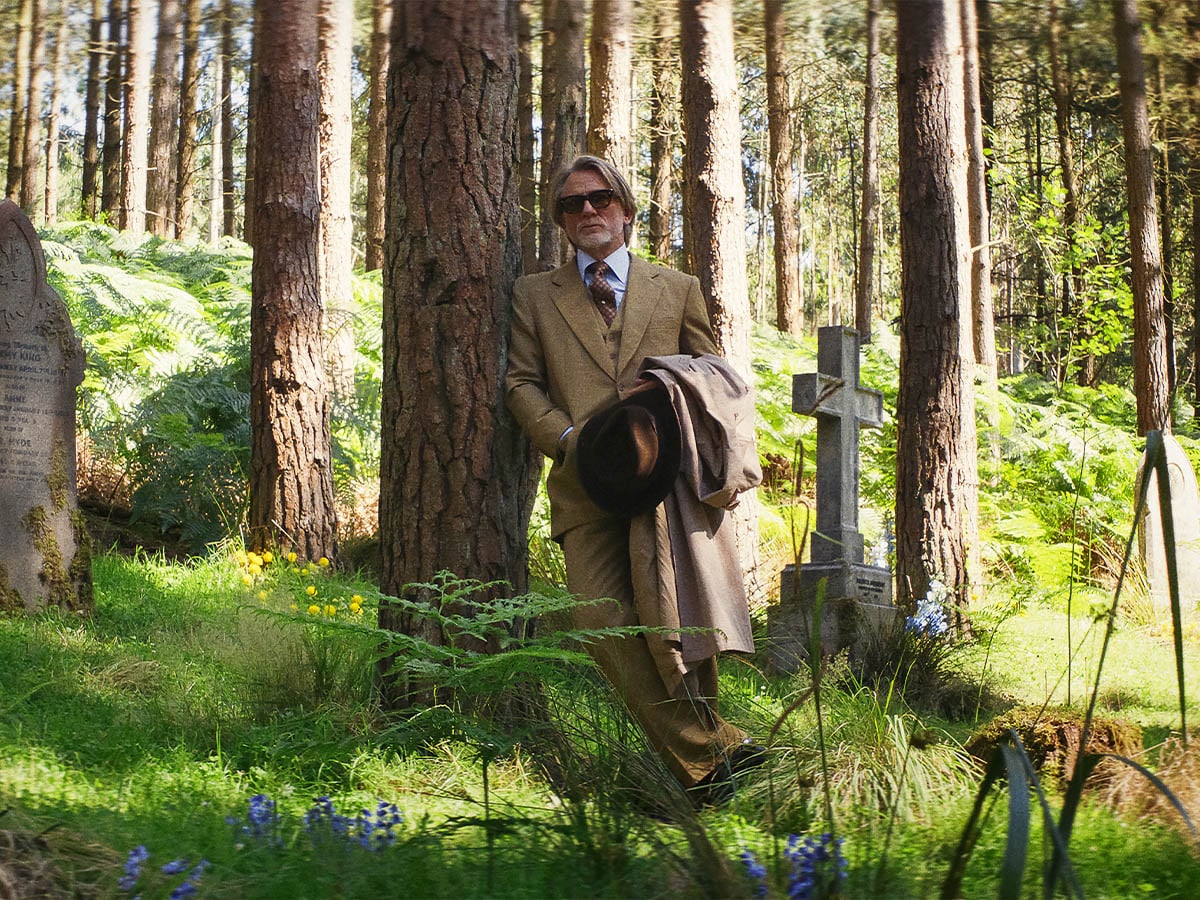
Meanwhile, Netflix has never released physical versions of its original productions, leaving distributors like Criterion to pick up the pieces. To date, there are just over a dozen Netflix movies released through Criterion, a mere fraction of the 800 movies the streamer has produced. Not even major Hollywood directors like Ryan Murphy are granted special treatment. Glass Onion and Wake Up Dead Man do not have official DVD releases, and it will be up to distributors like Vinegar Syndrome and Kino Lorber to save them.
For those who are not die-hard fans of physical media, these developments might not seem particularly alarming. After all, if something is on streaming, why clutter your house with DVDs? For one thing, “buying” a copy of something on a streaming service is very different from buying a DVD or Blu-Ray of it.
Hit the “Buy now” button on Amazon Prime Video, and you are actually just entering into a contract with the company for a “non-exclusive, non-transferable, non-sublicensable, limited license” to view the film for as long as it remains on the streaming service. If Amazon loses its licence for the title, you’ll lose your viewing rights, too.
A more significant issue is that, even if you just want to stream something in a platform’s library, you can’t guarantee that it will stay there. Over the past few years, streamers have been pulling content left and right. In 2022, for example, Warner Bros pulled well-known titles, including Westworld and The Time Traveller’s Wife, from HBO Max to cut costs. They might have been their own titles, but paying residuals to cast and crew meant that, by removing those properties, Warner Bros was saving about $100m a year, according to CNN. Many of these titles were then licensed to free streaming services with ads, such as Tubi and PlutoTV, but not all of them.
For films and series that never get a physical release, the cost of these cost-cutting measures could be existential. As Aniello noted, there is very little protection for a filmmaker if an executive decides to simply remove their work from a streaming platform. It might be a business decision, but at a time when the CEO of Paramount is more than happy to fire talent and cancel shows at the behest of a vindictive White House, who’s to say that they wouldn’t just remove shows on a whim?
Clearly, many of the people at the top of these companies have no reverence or even respect for movies as a creative medium, so why should we trust them to care about preservation when it doesn’t help the bottom line?
Shows like Hacks are almost certainly safe from permanent deletion. It’s a critical darling that has won multiple Emmys and Golden Globes, not to mention countless fans. What we should be worried about are all the films and TV shows that we haven’t fully appreciated yet.
If you look back on the history of cinema, some of the most important films are ones that were dismissed, buried, or simply not widely seen at the time they were made. If physical copies hadn’t existed for future archivists to stumble upon, we wouldn’t have a restoration of Ken Russell’s 1971 masterpiece The Devils premiering at Cannes, nor would we have Carl Theodor Dreyer’s 1928 film The Passion of Joan of Arc, which has become one of the most influential films of the era.
More importantly, perhaps, are the movies that were disregarded and suppressed when they were released due to bigotry. Oscar Micheaux’s 1919 film Within Our Gates was a direct rebuttal to the white supremacist hit The Birth of a Nation. While DW Griffith’s film received an unprecedented wide release and was even screened at the White House, Micheaux’s film was heavily cut by censors and then presumed lost. Thanks to the physical nature of film stock, however, a print was discovered in Spain in the 1970s, which allowed it to be restored and brought back into the cinematic canon for later generations to finally celebrate.
The fact is that many pivotal movies are not appreciated when they are released, either because they are ahead of their time or they simply weren’t marketed well. It is probable that many prescient movies exist now, released through streaming platforms, and only in digital form. If the streaming service shuts down without backups or simply decides to clear up space and delete them, these titles will be lost forever.
Media moguls are not archivists, and we shouldn’t trust them to view art preservation as their responsibility.
