


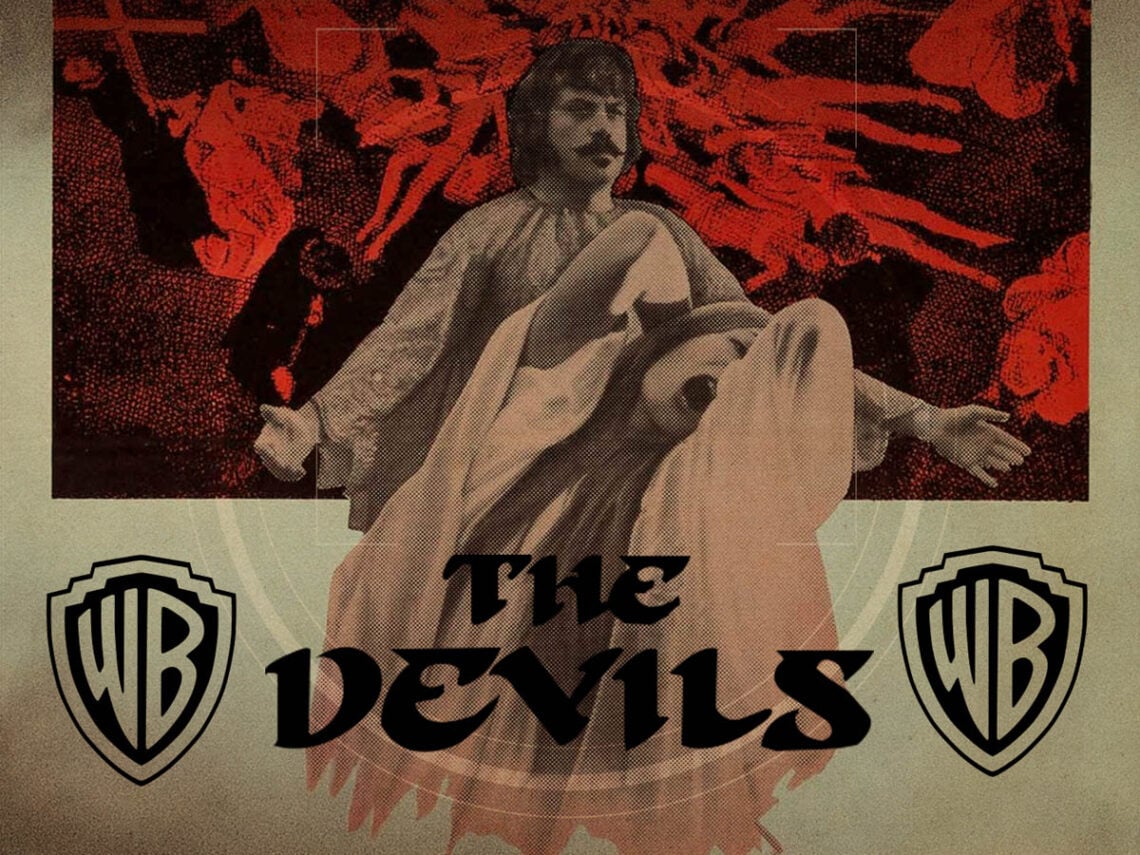
Warner Bros spent decades hiding ‘The Devils’ and now they’re taking it to Cannes

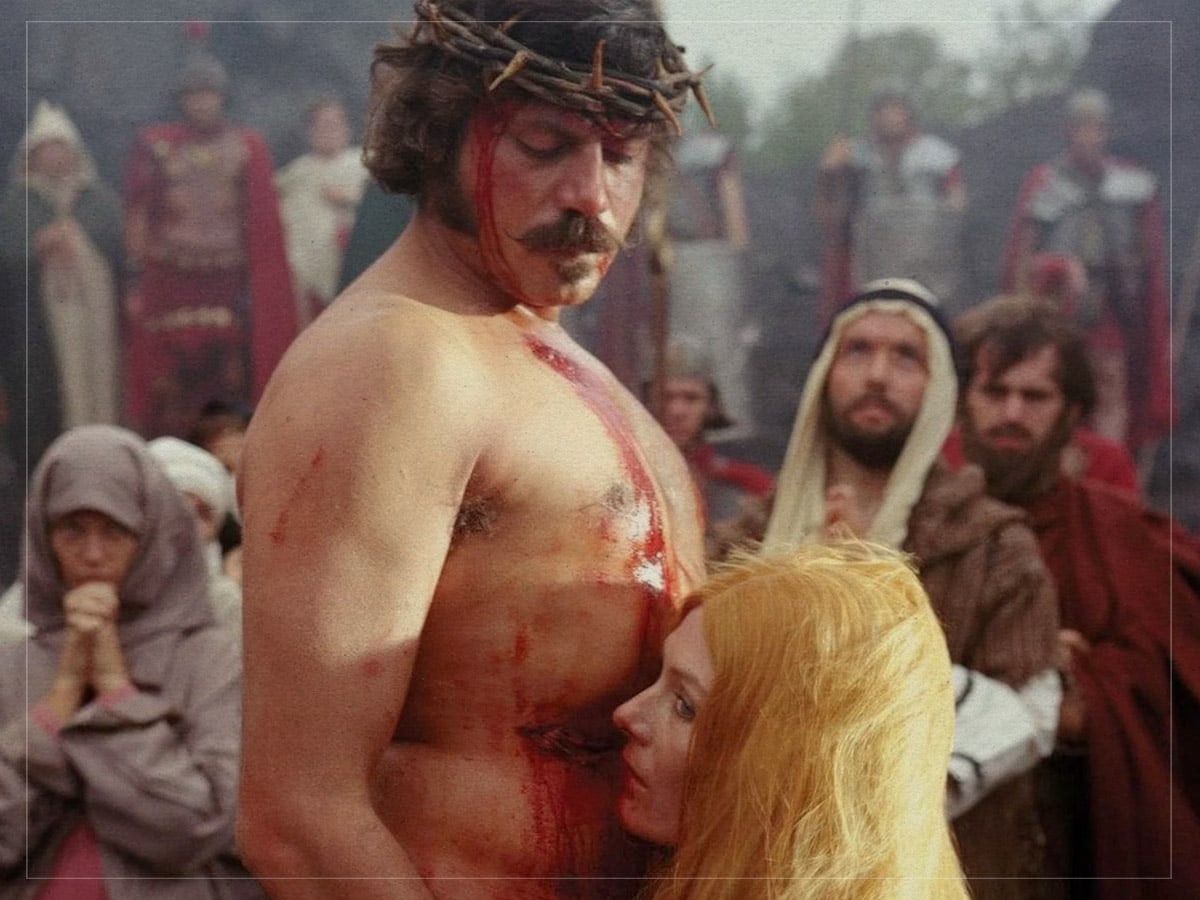
The gang rape of Jesus by possessed nuns. Masturbation with a charred human femur. Jousting with an alligator. All of this and more can be found in Ken Russell’s The Devils, except, of course, that finding it is exceptionally difficult.
Released, to one degree or another, in 1971, The Devils has been banned, censored, and buried from the offing, sending cinephiles on a desperate search for the complete, uncut version ever since. Now, after decades of refusing to distribute it in any form, Warner Bros is finally releasing a 114-minute restoration under its brand new label, Clockwork. It’s a move that speaks volumes, and it’s a rare piece of good news in an embattled Hollywood landscape.
The thing about The Devils is that it isn’t just full of boobs and blasphemy, it’s art. I can say that having only ever seen a fuzzy, bootleg version with truncated orgies, dodgy sound quality, and out-of-sequence editing. It’s based on the true story of the Loudun possessions, in which an order of nuns in the French city of Loudun claimed to be possessed by Satan in the 17th century. They blamed the local priest, Urbain Grandier. A noted ladies’ man with an untold number of noblemen’s wives and daughters on his score card, Grandier was an easy scapegoat, and he was tried, tortured, and burned at the stake in 1634.
Russell’s film follows these plot points with utmost care, right down to documented orgiastic antics of the nuns, the outrage against the authorities when they pressed ahead with Grandier’s execution despite an abundance of evidence in his favour, and the speech he made upon his execution pyre.
It’s not so much a story of demonic possession as it is a story of political duplicity and its use of religion to secure its ends, which was precisely what Russell, a devout Catholic who returned to florid religious imagery throughout his varied career, intended. “I knew I wasn’t making a pornographic film,” he said. “Although I am not a political creature, I always viewed The Devils as my one political film.”
Perhaps the most persuasive argument in favour of The Devils’ artistry is the fact that the script passed the BBFC’s censors, but the film itself did not. In other words, Russell’s filmmaking style is so distinctly cinematic that no one could imagine what the finished product would look like when reading the script.
Between the director’s corporeal tableaus, Derek Jarman’s towering set design, and Peter Maxwell Davies’ grating score, the film challenges, dazzles, and unnerves its audience through every sensory device that cinema has at its disposal. The Devils is a film that could only be a film. It’s a gobsmacking feat of the medium, and one whose very success was its downfall, at least when it came to distribution.
Look for a description of the movie, and you will find that everyone resorts to hyperbolic language, but no one can quite hit the nail on the head. It has been called everything from “nauseating” and “anti-human” to “a masterpiece in every sense of the word.” Guillermo del Toro described it as “exquisitely turgid, crazy and unbridled”. Russell himself, when shown some of the cut sequences, called them “mind-blowing and appalling”. It is cinematic maximalism, and it is not meant to be a frictionless viewing experience.
From the beginning, Warner Bros refused to distribute the film unless Russell made significant cuts, including removing the rape of Christ sequence. The version released in the UK was 111 minutes long and received an ‘X’ rating. In the US, it was cut by an additional three minutes for the same rating. For decades, Warner Bros simply refused to touch it, even when the Criterion Collection expressed an interest in buying the rights to distribute it.
Russell even believed that the company had destroyed all footage of the rape of Christ until film critic Mark Kermode, after years of searching, found a single canister of film in England that contained the infamous sequence. In 2004, a longer version of The Devils was screened in London that included the lost scenes, this time with Russell again at the helm, but it was not widely available to the public.
Since its release in the ‘70s, the film has been distributed on VHS and DVD in heavily cut, bootlegged iterations. Warner Bros itself released a 108-minute cut on iTunes in 2010, but removed it three days later without explanation. Nearly a decade later, a similar cut was available to stream on various platforms, including Criterion, but it was removed as well. Even a BFI DVD release from 2012 could only provide a 111-minute version.
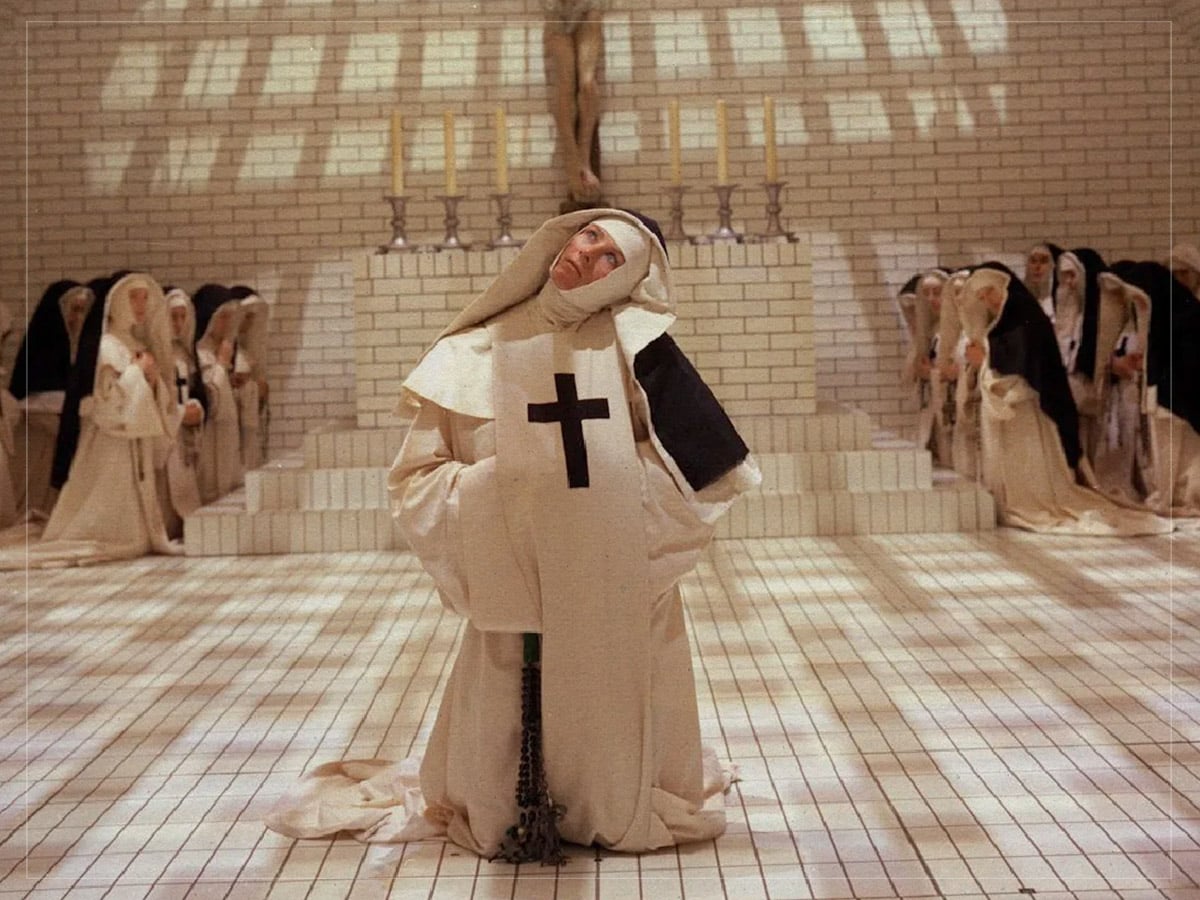
And then, out of the blue, it seemed, Warner Bros announced in May of 2026 that it was finally doing it. Through its new distribution arm Clockwork, it will be releasing a 4k restoration of Russell’s definitive 2004 cut, made in collaboration with the film’s editor Michael Bradsell. It will premiere at Cannes first, then have a brief theatrical release in October in collaboration with the BFI in the UK. After holding the movie hostage for over 50 years, the company has seen the light. But why now?
Back in December of 2025, it was announced that Warner Bros would be launching a new label led, in part, by former Neon marketing guru Christian Parkes, who helped shepherd Parasite to Oscars history. Also at the helm are Michael De Luca and Pam Abdy, who took a gamble on two auteur-driven properties in 2025 that many thought were doomed from the start – Ryan Coogler’s Sinners and Paul Thomas Anderson’s One Battle After Another.
Needless to say, De Luca and Abdy were vindicated. Sean Baker’s upcoming 2027 film, Ti Amo, was Clockwork’s first acquisition, but it’s the recent announcement of The Devils‘ re-release that really got people talking.
News from Warner Bros has been pretty bleak lately, with Netflix and Paramount tossing it back and forth like a volleyball until the latter secured the acquisition. This legacy studio that launched the careers of Bette Davis and Humphrey Bogart and distributed the work of everyone from Stanley Kubrick and Mel Brooks to Martin Scorsese and Christopher Nolan is now in the clutches of a cabal of Trump-worshipping hedge fund hacks and the sovereign wealth funds of Saudi Arabia, the United Arab Emirates, and Qatar. Things in Hollywood are bleak indeed.
The decision to finally (finally) release a director’s cut of one of the most controversial and censored titles in cinema history at this moment feels like a small but mighty battle cry in the name of cinema. Let’s hope The Devils is seen as widely as possible and evokes just as much outrage and controversy as it did in 1971.
