


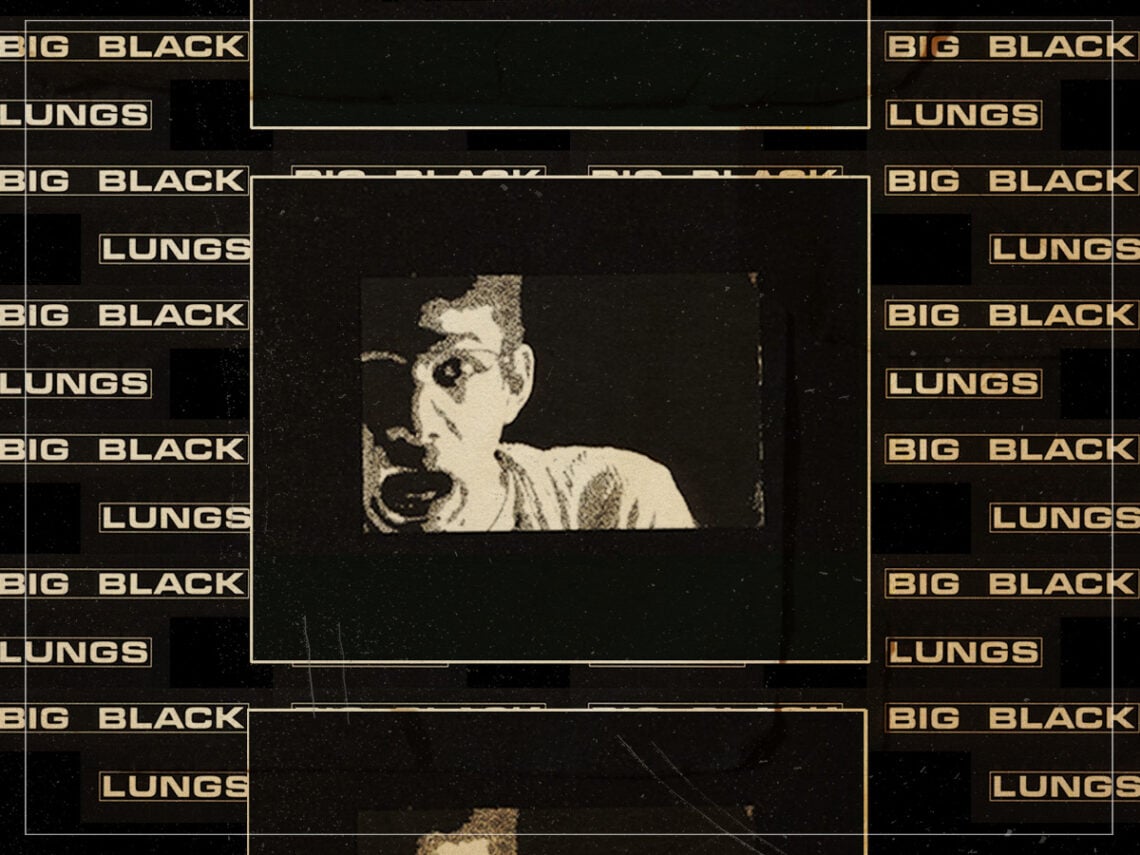
‘Lungs’: The Big Black EP packaged with hair, blood, and razorblades

Few names signalled such an unwavering commitment to punk’s foundational ethos of rejecting authority and commercial compromise as record engineer and all-around Chicago heavyweight Steve Albini.
Capturing some of alternative music’s biggest names at their rawest, from PJ Harvey’s Rid of Me, Pixies’ Surfer Rosa and Nirvana’s In Utero, in addition to the scores of fledgling punk bands that visited his Electrical Audio studio for the site’s unique sonic expertise, Albini’s credit or byline on any of his audio or writing work served as a mark of indisputable authenticity.
He was also a proud gobshite. Keenly embracing a reputation for merciless provocation, from his savage journalistic attacks on bands he didn’t think cut the mustard from his college days to his penned invective directed at Chicago Reader‘s Bill Wyman signed off with a ‘fuck you’, Albini asserted early on he was comfortable making enemies. The controversy that smattered his career would reach much murkier moral quagmires.
With a history of ironic racial slurs and misogynistic mordancy, including naming an early band Run N***** Run plus his shortlived late 1980s group Rapeman triggering protests from feminist groups in the UK, Albini’s redemptive rebuke against the trollish edge lords who idolised his juvenile nihilism on his 2021 Twitter thread was a welcome episode of contrition toward the end of his life, stressing punk’s obligation for inclusivity and community over hollow, reactionary afrontery.
Albini’s acerbic humour, when indulging in sheer punk opprobrium, could be the stuff of legend. Forming Big Black while still a student at Illinois’ Northwestern University, a borrowed TEAC 3340 four-track and the band’s signature metallic scrape guitar, with some additional sax bleats by John Bonhan, pointed Albini toward the abrasion that would thrust him to notoriety across the decade.
“I got kicked out of my first band, and that weekend, I bought a guitar and immediately started recording the first Big Black record. It was pretty horrible because it was pretty self-obsessed,” Albini told NME in 1992. “At that point, I was just satisfying my curiosity about what it was like to make records.”
Originally released on Ruthless Records, 1982’s Lungs wallowed in a greater febrile brittleness than the explosive pummel that would await on later records Atomizer and Songs About Fucking. Before recruiting Naked Raygun‘s Jeff Pezzati and Santiago Durango for the full, live band, Big Black centred around the austere beat omitted from a Roland TR606 Drumatix and acid guitars exploring small-town nightmares and base urges across stinging cuts like ‘Dead Billy’, ‘Steelworker’, and ‘I Can be Killed’.
Such dank subject matter required some creative packaging befitting the EP’s irreverent bite. Cut and glued by Albini and The Effigies’ manager Jon Babbin, the first hundred-odd copies came with an assortment of goodies including razor blades, hair, drops of blood, and tatty Bazooka Joe comics. Uniquely stuffed with whatever was at hand during Lungs‘ bedroom production line, reports of Public Image Ltd tickets, crushed Camel cigarettes, and even a broken version of Lungs all circulate on Discogs comments from the lucky few that nabbed those original copies.
While cutting starker and immortal records further down the line and ‘Dead Billy’ enjoying a beefier interpretation on the Pigpile live album, Lungs still stands as their most fetid, six skeletal songs illustrated with acrid perfection from its soiled contents waiting to be discovered.
