


The band that spared Steve Van Zandt from becoming a real-life gangster: “Don’t compromise”

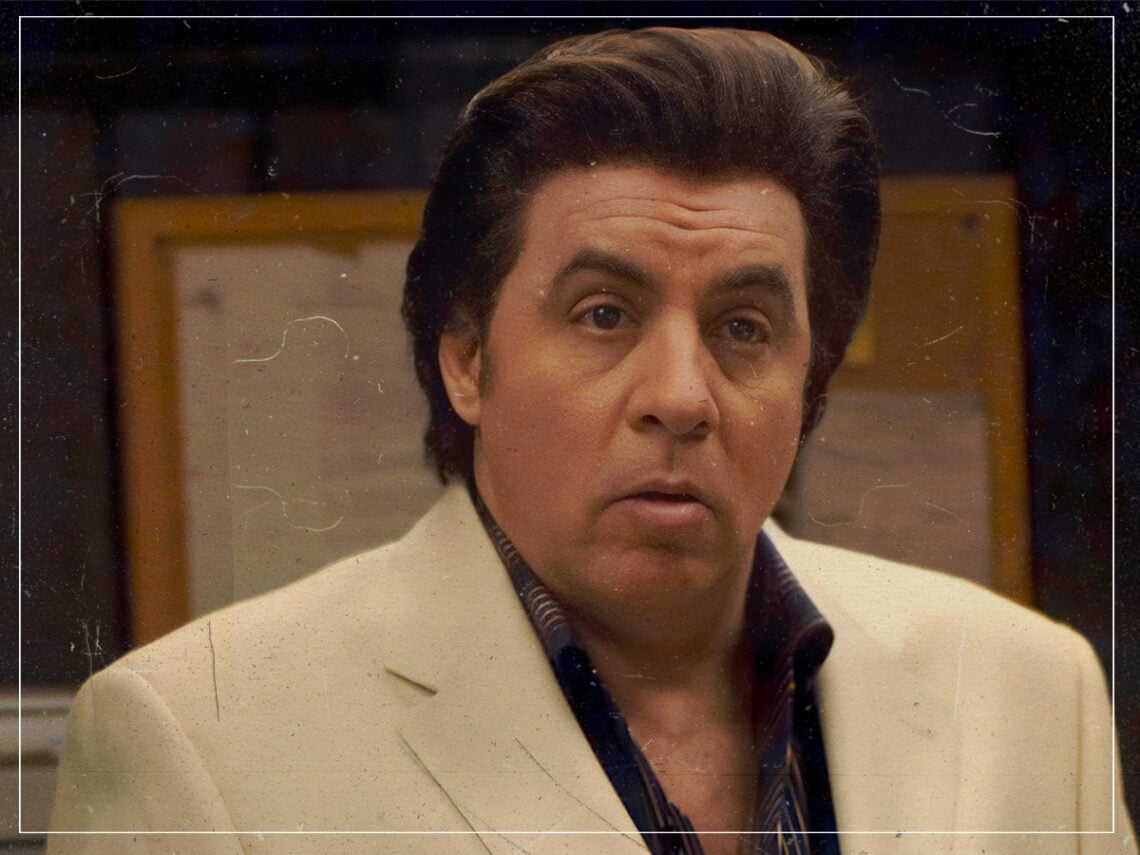
While inducting 1960s soul rock group The Rascals into the Rock and Roll Hall of Fame in ’97, Steve Van Zandt was inadvertently auditioning for his secondary career highlight. Catching the attention of TV writer and director David Chase with his animated presence and effortless humour, Chase wrote and offered the part of mafia consigliere Silvio Dante for the then-upcoming HBO mob drama The Sopranos, garnering critical plaudits for his charismatic performance and becoming a fan favourite character of the series.
The E Street Band guitarist and Bruce Springsteen comrade may have been drawing from more than just his natural presence for the part. In a 2022 SPIN interview, Van Zandt, albeit tongue-in-cheek, confessed that the road to organised crime may have beckoned were it not for the guiding hand of popular music directing him down another path, even going as far as stating the British invasion of ’64 and ’65 “saved his life”.
Van Zandt clarified, “No, I’m mostly joking about that. I was in a suburb, so it would have been unlikely, actually. Mob stuff is an urban thing for the most part. You never know, I’m not big on following rules. It was a little bit of that in me. That anti-authoritarian rebelliousness that I think that makes criminals who they are [Chuckles]. Give me the criminals of rock n roll, man.”
Despite his suburban background, an Italian-American growing up in New Jersey could have afforded the young Van Zandt an authentic intuition of the characters pulled into the mob’s underground. Initially born in Massachusetts but moving to NJ’s Middletown Township at the age of seven, it was the soundtrack of adolescence near the Navesink River from one band in particular that proved to be most life-defining. In his ’21 memoir Unrequited Infatuations, Van Zandt recalled witnessing the live US TV debuts of The Beatles and The Rolling Stones, emphatically stating at the time “this is my race. My ethnic group. My religion. My language. My creed. This is me“.
Like most of his generation, The Beatles’ TV spot on The Ed Sullivan Show proved consequential. It beaming ‘Beatlemania’ straight into the living rooms of mainstream America spearheaded the British Invasion, which, for the first time in a fundamental way, had shifted the attention away from the US to little ol’ UK as the world’s primary pop export. It was The Rolling Stones on Hollywood Palace, however, which inspired Van Zandt to pick up the guitar.
Speaking to Rolling Stone, Van Zandt elaborated on their life-altering effect, “In ’64, the Beatles were perfect: the hair, the harmonies, the suits. They bowed together. Their music was extraordinarily sophisticated. The whole thing was exciting and alien but very distant in its perfection. The Stones were alien and exciting, too. But with the Stones, the message was, ‘Maybe you can do this.’ The hair was sloppier. The harmonies were a bit off. And I don’t remember them smiling at all. They had the R&B traditionalist attitude: ‘We are not in show business. We are not pop music.'”
This was no accident. When confronted with the marketing dilemma of the press labelling band manager Andrew Loog Oldham‘s Stones as the ‘bad boys’ compared to Brian Epstein’s nice Fab Four, Oldham leaned into owning such a perception, and it worked. The Rolling Stones oozed sexuality, rebelliousness, danger, and crucially, accessibility. You may have wanted to write the songs of The Beatles, but you wanted to be in The Rolling Stones.
With a chequered career covering rock ‘n roll, acting, political activism, and even providing resources for music education as part of his TeachRock initiative, Van Zandt has clearly pursued a path guided by his gut, his principles, and that unforgettable TV moment in ’64. Summarising his affection for the Stones, he stated “they show that if you stick to your guns, and don’t compromise with what’s trendy, you’re gonna go a long fucking way.”
