


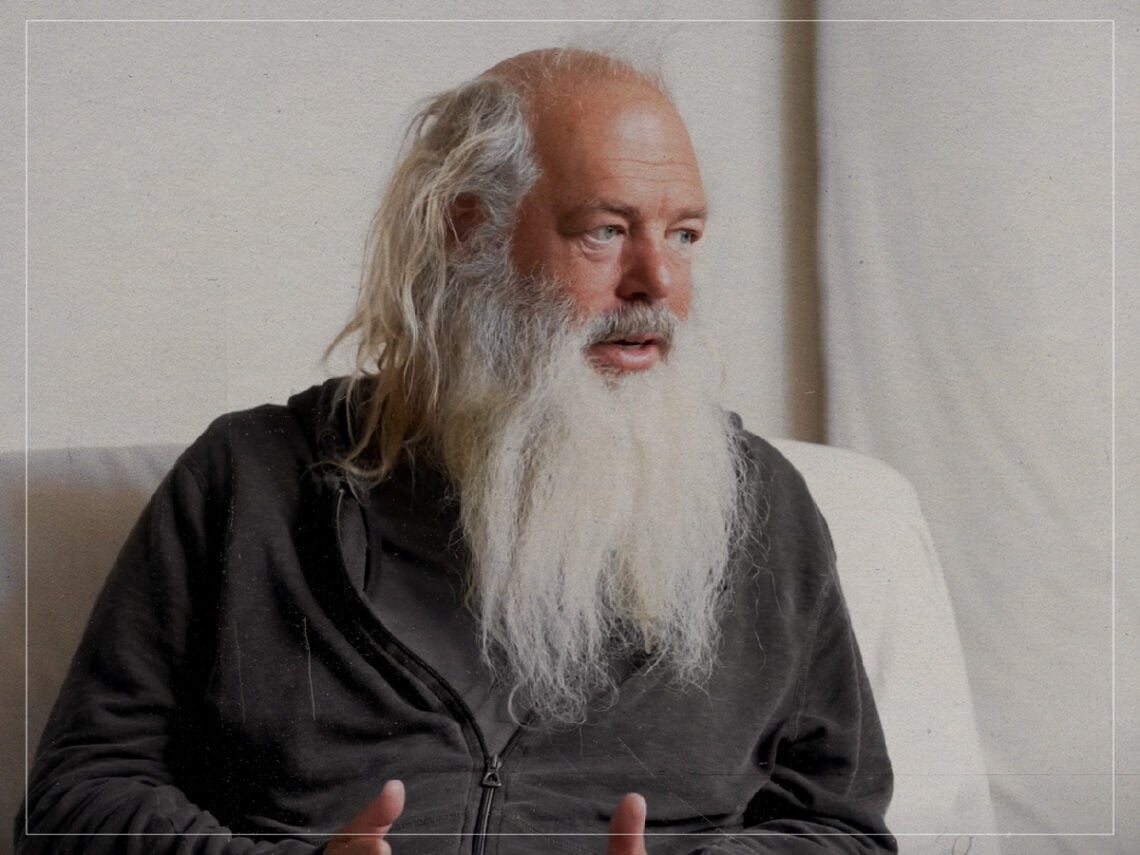
Rick Rubin on the impact of LCD Soundsystem: “James Murphy was a punk rocker”

It’s amazing thinking about the track record Rick Rubin has had for someone who doesn’t know how to play music.
He has had a hand in so many pieces of rock and roll history, and yet he’s also the kind of person who could manage to make a song that makes crowds of people bounce every single time he works with one of his artists. He was the kind of person who relied on how the music was making him feel, and sometimes some of the best songs that he ever heard came from someone who was working with the bare essentials.
After all, when he was a kid, the biggest sounds of the time were coming from punk, and no one in their right mind was trying to be a legend on their instrument. The era of Yes and Genesis had come and gone, and there was no reason for them to start making music that had the same kind of rigid structure as everything else. Rubin grew up in the environment of deconstructing music, and that’s half the reason why his flavour of hip-hop sounded the way it did.
He knew that this music could sound great if it had the punch that rock music had, and whether that was working with Run-DMC on ‘Walk This Way’ or turning Public Enemy into a global force on It Takes a Nation of Millions to Hold Us Back, he was on a mission to make songs that made the listener question what the hell they were listening to. And the same could be said of what the other mavericks of the industry were doing behind the scenes.
Rubin’s love of heavy music never went away when he started producing people like Johnny Cash and Tom Petty, but the deconstruction of music had gone in a much different direction after his time at Def Jam. The biggest names in New York by the 2000s were coming from the dance music scene, and in the midst of everyone latching onto albums like Discovery by Daft Punk, James Murphy was one of the few kids who was willing to throw caution to the wind every single time he made a record.
LCD Soundsystem was a much different beast than any of the other rock and roll bands that were coming out at the time, but that’s because Murphy approached his craft without ever trying to be overtly rock. Sound of Silver still had the ethos of a rock and roll album, but a lot of the music at his disposal came from the samplers and processed beats that he was working with. He didn’t know the first thing about being a dance producer, but that was what made it so inspiring for Rubin.
He understood that Murphy was working from a similar playbook as him, and whatever he was doing was bound to be wildly inventive, saying, “James Murphy was a punk rocker. He was the soundman at CBGB. When he brought his sensibility to the world of dance music, not being of dance music, it creates this new energy and light in it that people who have only made dance music—it always seems more ordinary to me when the people who are good at it just make it. When someone who doesn’t make it makes it, we learn something new, and when we learn something new, it’s always the most exciting.”


While a lot of those great bands might become legacy acts after a while playing the hits, it’s not like Rubin ever tried to stop once he had his own masterpieces to his name. He knew that everything from Slayer’s Reign in Blood to Wildflowers by Tom Petty was a stopgap in his career, and it was up to him to keep his finger on the pulse of where music would be found whenever he made a new record.
Because if Murphy taught Rubin anything, it was that people didn’t need to be the most technically gifted musicians to be able to touch people. It was all about putting a piece of your heart into your music, and across every single one of his projects, Rubin had the same kind of maverick musical style that he could spot in Murphy from the second that he heard ‘Daft Punk is Playing At My House’.
