


“I was going to join Mott The Hoople”: The 1973 performance that almost destroyed Roxy Music

Bryan Ferry strolled out in front of a drab York crowd, all bedecked in the latest prog gear. He looked like he belonged in the Louvre; they looked like they belonged in their parents’ garage.
He prowled around like a puma, knowing full well that he was in possession of some of the most potently progressive pop songs on record and at the pinnacle of his game. But as Roxy Music roared into the future with a sound so ahead of its time that they’ve been the bane of pub quiz music rounds ever since, and a Bond-like swagger befitting of the protagonist in a Peroni advert, a precipice was approaching that nearly brought it all crashing down.
“For me, 1973 was an exceptionally busy year. Looking back, it seems like a whirlwind of events,” the silken Geordie frontman told David Cavanagh. A “whirlwind” is putting it lightly. The band’s debut studio album had only arrived a year earlier. Then a global tour, where they rubbed Lou Reed the wrong way, followed.
Shortly after, Four Your Pleasure arrived in March ‘73. Ferry then decided to casually pop into the studio and record a solo album. And before the close of the year, further live shows were scheduled ahead of the release of Roxy Music’s third album, Stranded, due for release just in time to add some heat to a frigid November.
The terrifying pace of the band’s output was matched by the swelling of their pioneering sound. However, even from that surface scan of details and dates, a crash seemed inevitable. Ferry was operating with ferocious drive, and he was gaining confidence in the process. But that pioneering sound had a lot to do with Brian Eno, and he felt like the singer’s swashbuckling was getting in the way of creative collaboration.
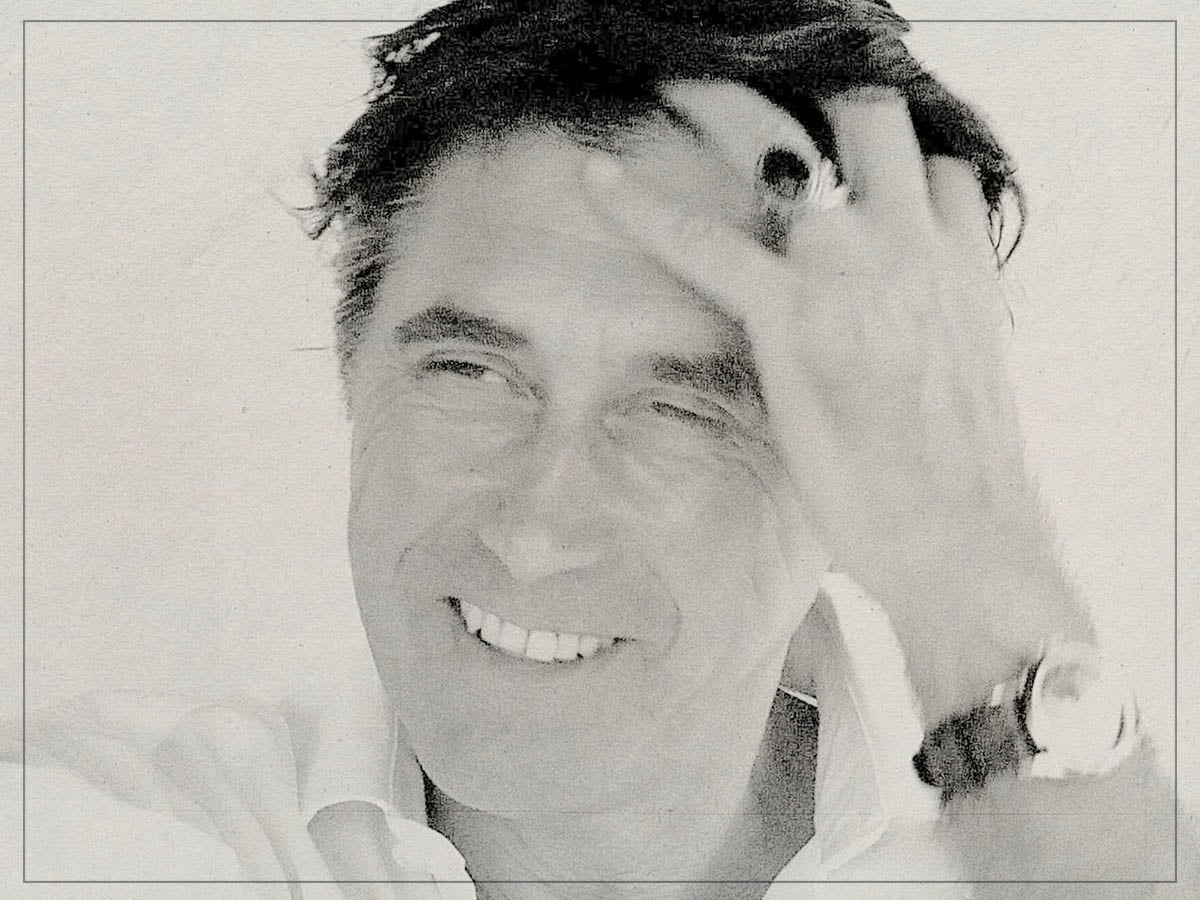
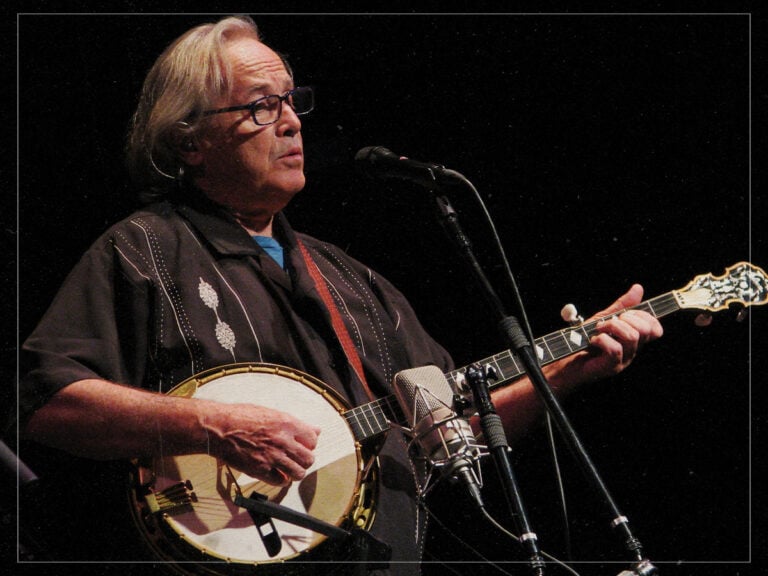
While Ferry, Phil Manzanera and Paul Thompson seemed to be happy to dance away the night, “firing on all cylinders”, Eno and Andy Mackay were thinking it was time to turn in for the night. “It wasn’t the happiest time in Roxy’s history. There was something of a battle going on between Bryan and everyone else,” Mackay, the band’s saxophone-touting multi-instrumentalist, claimed.
“Bryan’s solo success was threatening to blur the line between Roxy and him,” he told Uncut, “Bryan definitely felt that Roxy was his band and he could push it in the directions he wanted. He didn’t realise that your best work tends to come from a bit of struggle, rather than having things all your own way.”

That was particularly clear in Eno’s eyes. The keyboardist knew how pivotal he had been in the development of the band’s sound, and while Ferry’s blossoming stature was turning him into a supreme frontman, he feared that he was becoming autocratic along the way. Strangely, this didn’t anger Eno; it just left him despondent.
Ultimately, he left the band to do some laundry. Perched on the stage in York, ostensibly in the most buzzing band of the moment, he found himself distracted and thinking about when he might get a chance to attend to his mounting pile of washing. That thought startled him. It was the end of the road for Eno in Roxy Music, and, as it happens, his replacement was in the crowd.
You see, Ferry wasn’t just becoming a consummate frontman, but a bristling bandleader, too. And with his solo departure, he sensed Eno’s frustration might soon come to a head. “There was a degree of plotting going on,” Mackay noticed, “Even now, I don’t know exactly how much”.
But unbeknownst to the band, during Eno’s last show on that fateful day in York, Ferry had invited Eddie Jobson along to watch. The 18-year-old keyboard wizard had just played synths on Ferry’s solo debut. The singer evidently wanted him to get a feel for what he might soon be a pivotal part of.
Ferry had arranged this in secret, and while it might have seemed sensible given that it did, indeed, turn out to be Eno’s last ever show, the posturing behind the scenes threatened a full-scale implosion of the whole band. “It all seemed slightly underhand,” Mackay added, “Eno had been my friend before I met Bryan, and I was concerned about what might happen if he left. I considered leaving as well. I was going to join Mott The Hoople.”
Even Manzanera was on the wane. “I guess everybody thought the band was over,” he said, “I was upset that Eno had to go. But things had been getting a bit dodgy”. There was something rotten in Denmark on that day in York, not that you’d tell from looking at Ferry.
Ultimately, that’s what kept them together. Simply put, they were still a class above. With the skilful young Jobson already lined up, no matter how sneakily, the one thing that did seem certain was that great music almost certainly still lay ahead.
