


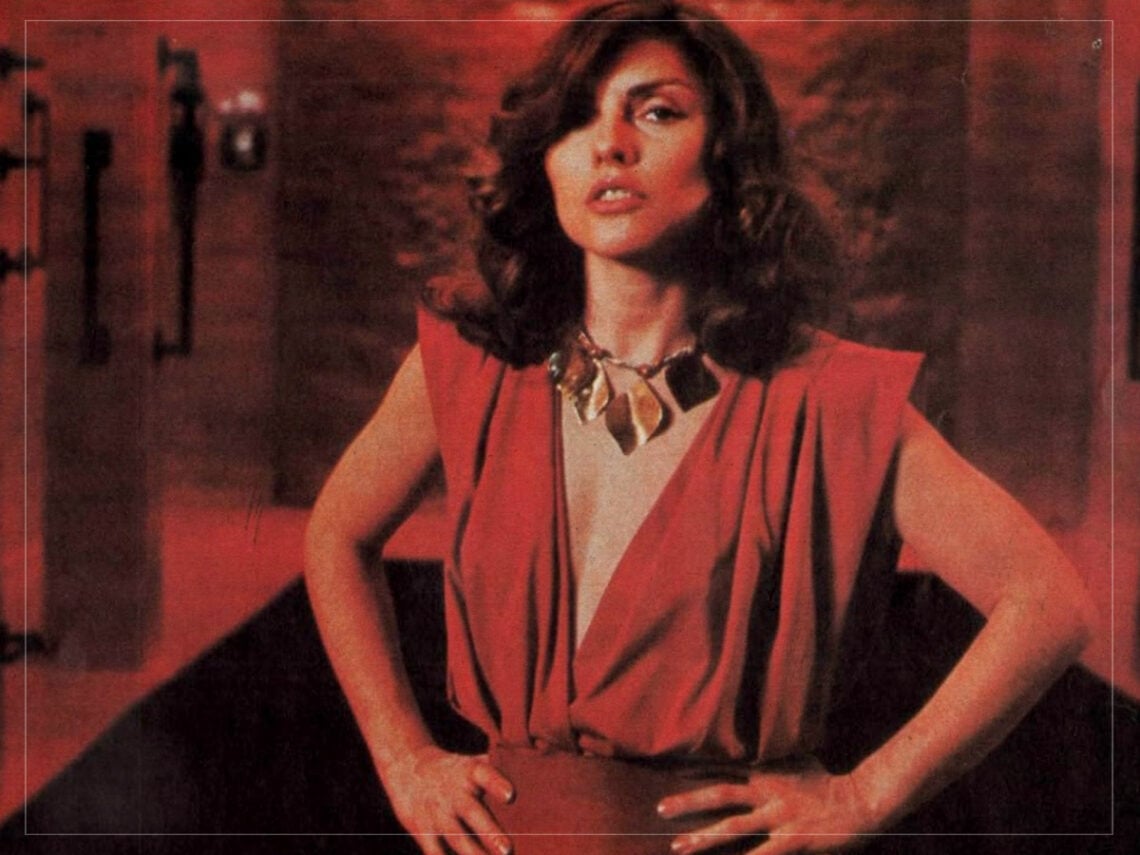
The musicians Debbie Harry crowned as the “unstoppable” force of Blondie

Whenever anyone thinks of New York’s bustling new wave scene, it’s usually with regard to three of its best and most defining bands: Blondie, Talking Heads, and Television.
And for good reason. While each act had its own unique offering, Blondie embodied the ultimate power of forward-thinking finesse, fronted by a woman who shouldn’t have been able to guide an entire movement but went ahead and did it anyway.
That said, it wasn’t exactly easy fronting an entire scene, and not just because it’s a hefty responsibility as is. Blondie’s charismatic frontwoman Debbie Harry faced just about every challenge a female rocker could have faced in the 1970s, and those who did embrace her presence weren’t always there solely for the music.
After all, even Chris Stein admitted a couple of years ago that it wasn’t their talent that gained them their position on the bill with people like Ramones and Television in the beginning. Back then, they blended in among bands who “came in fully formed” because Blondie were “trading on [Harry’s] looks”, with people initially drawn to her beauty before they got into the music.
This wasn’t inherently bad, per se, as Harry’s presence in the man’s world that was the aggressive punk scene was enough to make anybody look twice. It also gave them an in where they perhaps wouldn’t have had one, setting up the stage for their mainstream breakthrough and other experimental explorations that pushed them beyond the microcosm of punk rock and into something revolutionary.
And as the band progressed artistically, so did Harry’s offering. She was always cool and confident, and the complete opposite of many of her female peers fronting similar projects, but she eventually became a symbol of something far stronger than the simple shock of seeing her on stage. After a while, she was celebrated as a paradoxical figure that made the band’s erratic experimentalism seem fitting for the current climate, fearless yet feminine, and an uncaring figure in the face of exception.
However, Harry wasn’t the only reason why Blondie gained popularity. After all, she played a major part, but it was also a group effort, with Stein and Clem Burke also contributing to their success with sounds, styles, and general ideas that Harry could never have come up with on her own. And while some bands face tensions and fall at the first hurdle, Blondie was a tight ship, with everyone’s eyes on one common goal.
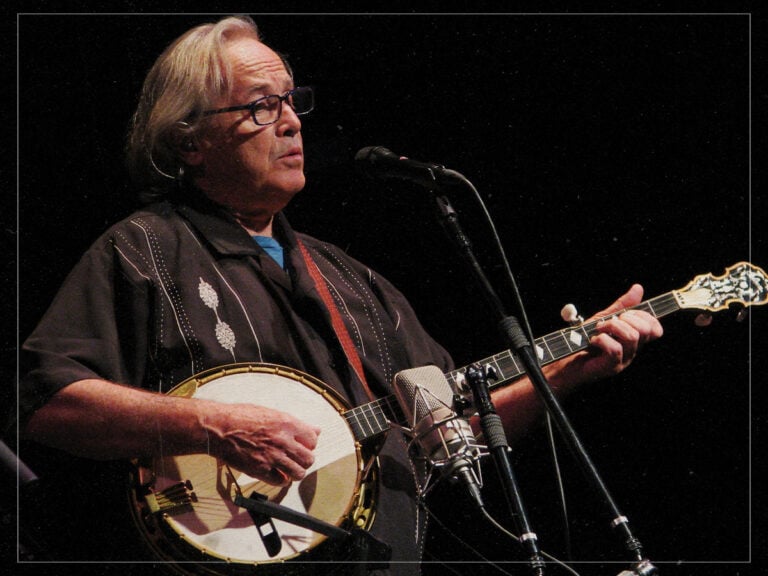
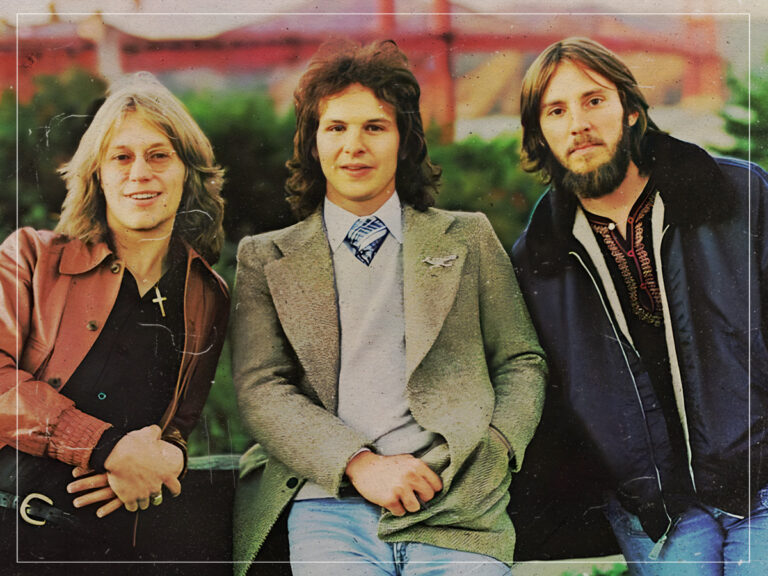
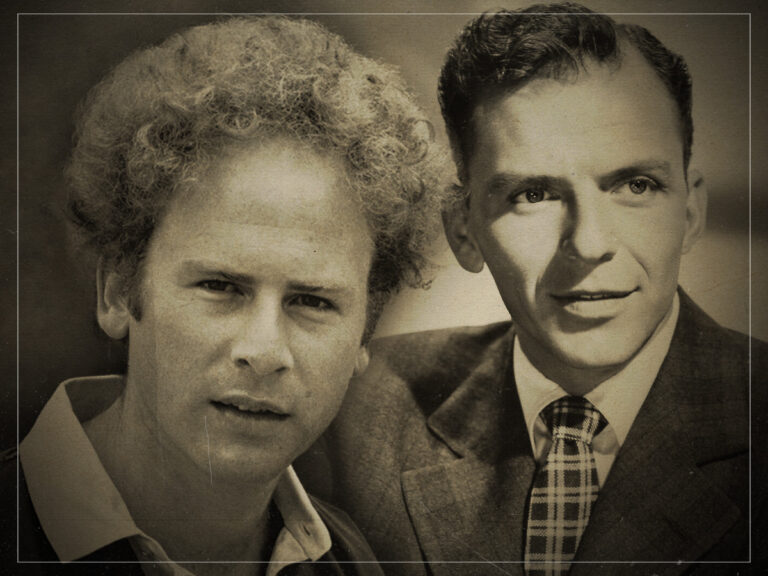
As Harry later reflected to Louder, “We really want to make it good. We’re real dedicated. I think [Stein is] a really funny guy.” She went on, describing him as someone who is “unstoppable” and always has” great ideas, while praising Burke as a “force of nature”. She added, “He’s living the dream. He’s achieved everything that he ever wanted.”
It’s true, Stein and Burke are as crucial to Blondie as Harry, especially as Stein co-wrote most of the band’s biggest hits, and Burke delivered the literal heartbeat of the entire operation, transforming great ideas into heart-thumping anthemic hits that were always fated to withstand the test of time.
