


The 1971 song that completely revolutionised Harry Nilsson: “Exactly what I hoped”

This has been a strange summer. Usually, in the UK at least, music lovers can divide their time into pre-Glastonbury and post-Glastonbury, but that hasn’t happened this time around.
These fallow years happen occasionally, as the time is taken to give the land at Worthy Farm time to recover. It makes sense, but it also leaves a hole in the heart of music fans everywhere, as people are usually excited to see what massive performances are going to happen and rejoice in the collective nature of live music.
You see, studio albums are all well and good, to an extent, but the thing that can really elevate songs and make them feel like something bigger than sound alone are good gigs. Standing there, in a collective crowd of hundreds and thousands of people, all strangers, and yet connected by the power of music, there’s nothing better. Most of the big bands you know and love are only able to reach the heights they do because they are willing to take their songs out on the road to as many people as possible.
Why am I telling you this? Well, it’s just to add some context to how much of a prolific songwriter Harry Nilsson was. You can listen to his records as proof for that, but one of the biggest indicators that he was one of the very best is embodied within the fact that he hardly played any live shows. He didn’t intend to be a touring musician, and yet, even without those frequent gigs, he still managed to sell records and become renowned as a pretty exceptional writer.
Arguably, the greatest songwriter to ever live saw as much in Nilsson, and so was keen to work with him. Paul McCartney asked Nilsson to write a song for Mary Hopkin, who had recently signed to Apple Records. Nilsson got to work and wrote ‘The Puppy Song’, a track which has since been covered by a few artists, and was a number one single for David Cassidy, who released his version in 1973.
Nilsson had success throughout the ‘60s writing this kind of upbeat pop-friendly music; however, by the time the ‘70s rolled around, he knew that it was time for a change. Fans were shocked when they first heard ‘Jump Into the Fire’, which saw Nilsson leave behind his roots and instead opt for something which was a lot more hard rock.
As the ‘70s rolled around, this kind of music was growing increasingly popular, as bands like Led Zeppelin and Black Sabbath slowly started to take over the music industry. As such, Nilsson’s departure into such a sound was very intentional, as he wanted to appeal to the masses more and make some commercial hits. He obviously knew how to write, but he wanted to make music that would make money.

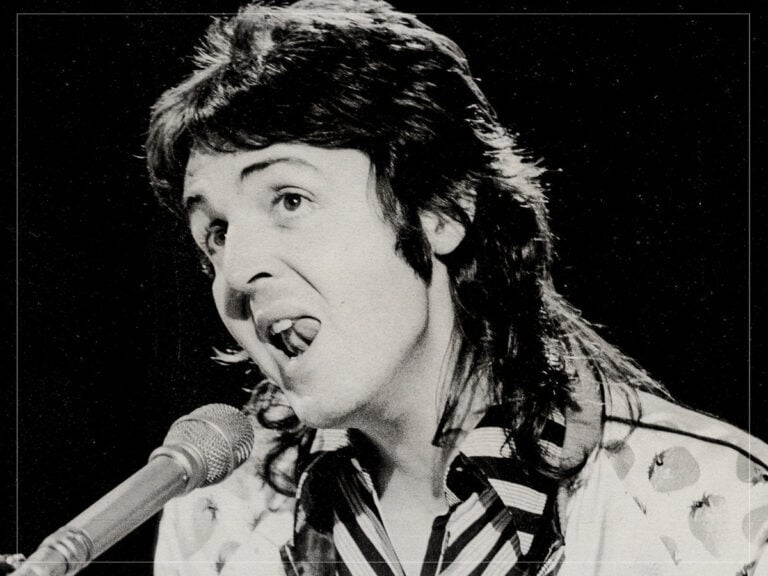
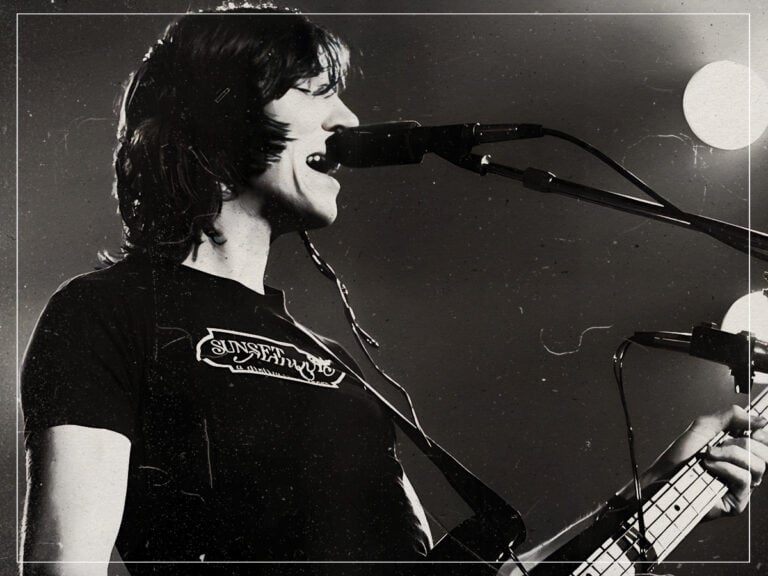
The song did relatively well in the charts, reaching number 27, and it had new life thanks to Martin Scorsese using it in the film Goodfellas; however, the real place where it succeeded was in turning Nilsson into more of a hard rock artist. Yes, a lot of fans were surprised by the move, but the song was a successful reinvention for him, who now had an open path that he could walk down easily.
“What do you say to a man who writes ‘The Puppy Song’ and then writes ‘Jump into the Fire’?” asked Nilsson, “I really needed [to make that change], too; that was exactly what I was hoping would happen”.

Never Miss A Tale
The Far Out Classic Rock Newsletter
All the latest Classic Rock content from the independent voice of culture.
Straight to your inbox.