


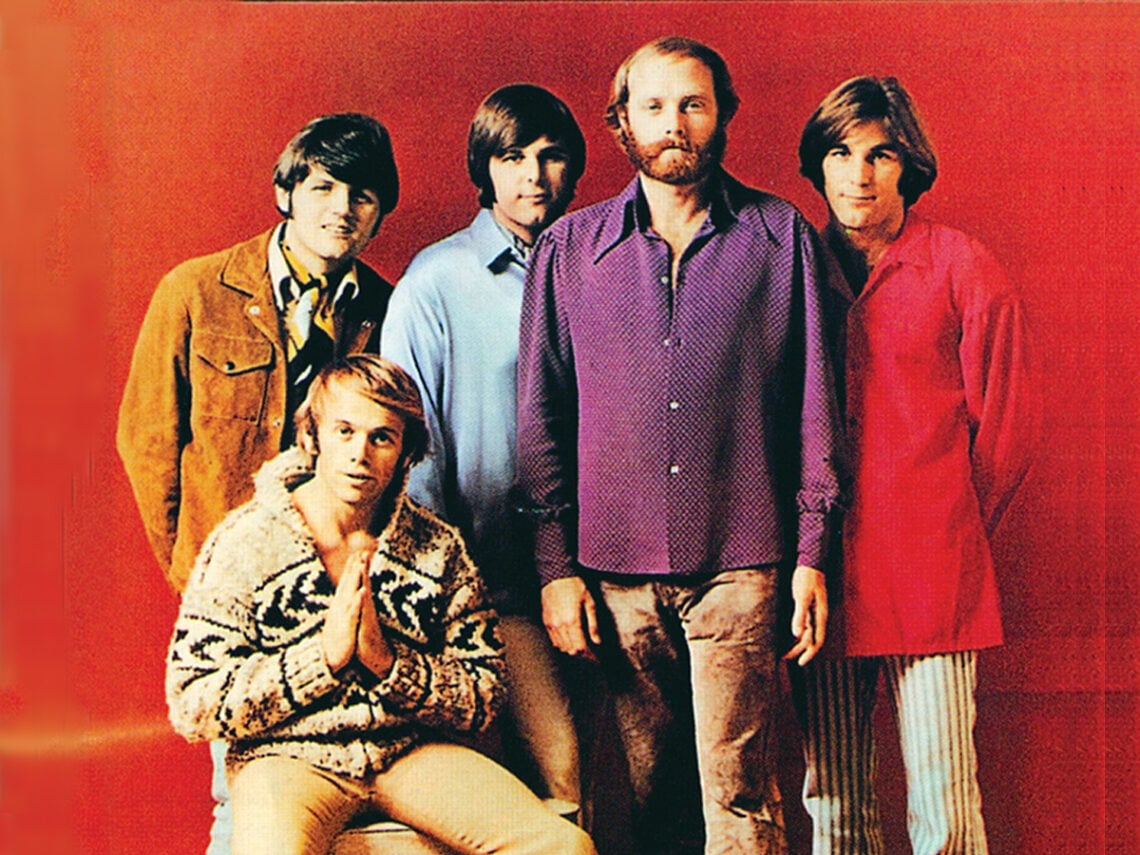
’20/20′: The 1969 Beach Boys album linked to three separate murders

If you think that the entire catalogue of The Beach Boys is one filled with joy, sunshine and bright colours, you’ve probably only been exposed to the more popular side of their work.
While enigmatic songwriter Brian Wilson was at the core of large amounts of their creative direction, responsible for bringing the overwhelmingly saccharine positivity to the party, he was also a troubled character who explored plenty of moods outside of those heard in tracks like ‘Good Vibrations’ and ‘Wouldn’t It Be Nice’. Buried beneath the jovial exterior are plenty of darker themes, lyrics about heartbreaks, anxiety and existentialism, and a band being held together by a thread as a result of the tumultuous relationships at its core.
Songs like ‘Till I Die’ see Wilson contemplate his own mortality while looking out to the sea that provided the setting for the band’s more vibrant early work, while later deep cuts like ‘Life Is For The Living’ are the sound of a man on the brink, trying his absolute best to hold onto his sanity while regurgitating encouraging adages that are ostensibly responsible for his mental decline.
It’s not all positive, that much is certain, but for all of the standalone songs that seem to represent the darkness that was bubbling beneath the surface, there’s one album that stands out as being the darkest thing ever produced by the California band, and it has nothing to do with its actual content or creation.
Their 1969 album, 20/20, while not necessarily dark in tone compared to other albums in their catalogue, somehow managed to contain three songs that are linked to high-profile murders in one way or another, making the subtext of the record much more disturbing than what you’re hearing.
Firstly, the song ‘Cotton Fields’ is a cover of a track by Lead Belly, the delta blues musician and songwriter whose various criminal offences often overshadow his outstanding contributions to music. Despite having been hugely influential to the genesis of rock and roll with his bold and brash delivery, his brilliance is sullied by the fact that he was convicted in 1918 for murdering a family member, and despite being let out after serving a seven-year sentence, he served two further terms for separate incidents of aggravated assault.
Moving further on in time, the next song to have a connection to a sordid series of events is ‘Never Learn Not To Love’, a song credited to Dennis Wilson, but that was actually a re-imagining of a song by the infamous cult leader Charles Manson, whom Wilson rather unfortunately found himself befriending shortly before he went on to orchestrate the killing of eight people in August 1969, now commonly referred to as the Tate-LaBianca murders.
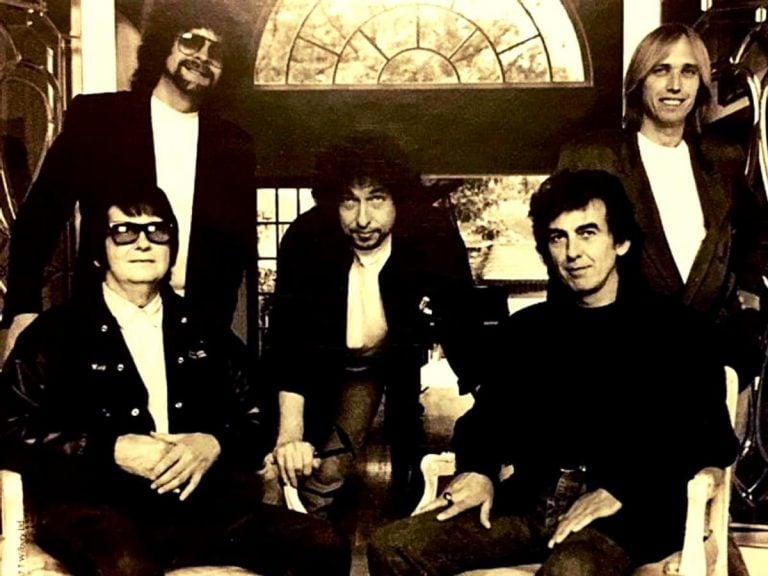


However, while the release of Manson’s song six months before his heinous crimes could be considered unfortunate, The Beach Boys probably didn’t have the foresight to know that the co-writer of ‘I Can Hear Music’, Phil Spector, would go on to serve a life sentence for the murder of his girlfriend, Lana Clarkson, in 2003.
These connections may be loose in some regards, and certainly weren’t foreseeable in two cases, but for 20/20, a rather insignificant album in The Beach Boys’ catalogue, to have found itself a trio of songs that would end up being connected to grisly murders, turns an otherwise unremarkable album into one of the most haunting works they ever made.

Never Miss A Tale
The Far Out Classic Rock Newsletter
All the latest Classic Rock content from the independent voice of culture.
Straight to your inbox.