


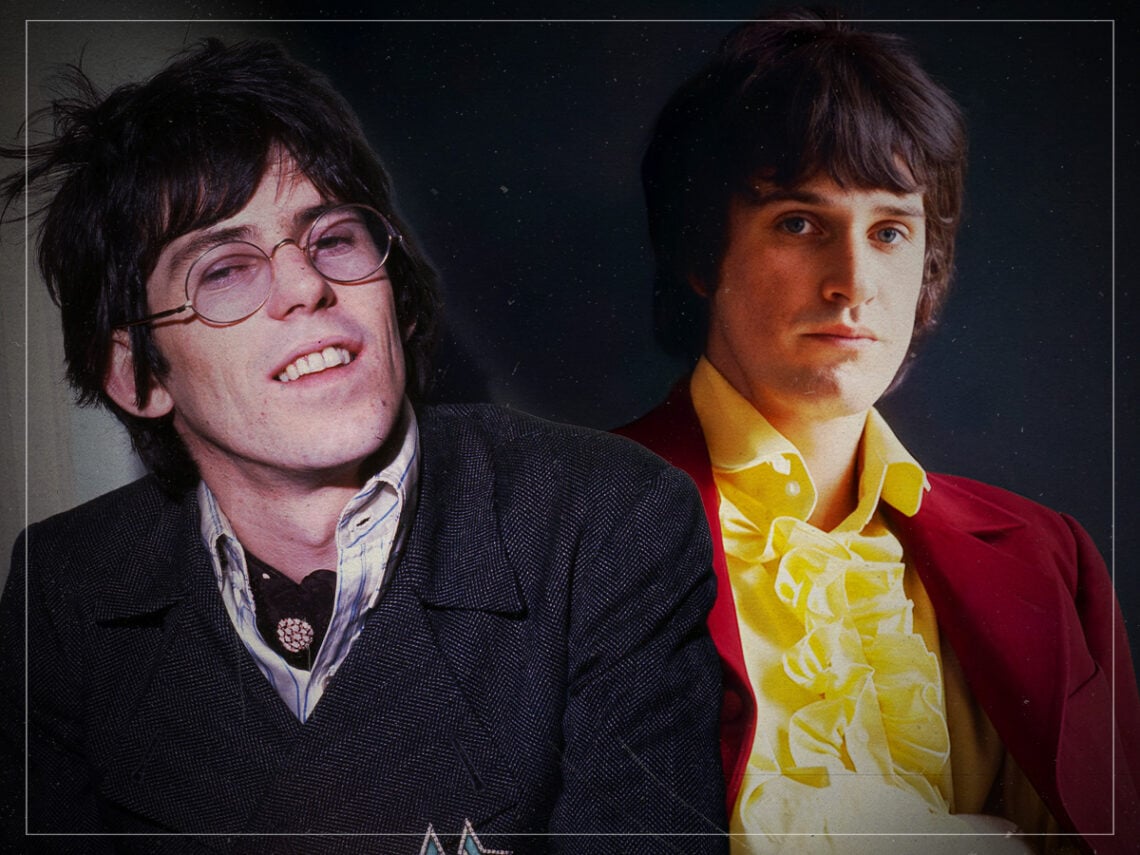
The 1967 masterpiece Ray Davies and Keith Richards believe is nonsense: “They got carried away”

By 1967, The Beatles were ready to start alienating a portion of their fan base.
At that point, it was safe to say that their fan base existed entirely in the world’s population. They were the biggest band on the planet, bar none, and had seemingly captured the hearts of everyone across multiple generations, knitting together the blues sensibilities of old with the pop appetite of the forward-thinking ‘60s children.
But that inoffensive charm that they had garnered in the early years was growing tired. Come the mid ‘60s, they had evolved into adults with a more curious and experimental brain, and the music had to mirror that. Blues riffs and lyrics about playground crushes didn’t cut it anymore; abstraction and spirituality were on order as they moved into a brave new future.
With that was the expectancy that they would lose a lot of fans. Fans with their feet stuck in conservative mud simply wouldn’t enjoy the innovation of their music that sought to tap into the swinging ‘60s desire for change, and so happy to accept that, they moved forward with Sgt Pepper’s Lonely Hearts Club Band.
While Revolver and Rubber Soul were the true beginnings of this change, it was Sgt Pepper that colourfully introduced it to the world. Part concept album and part persona change, it really was the band shedding their early skin and moving forward without hesitation. It provoked criticism from the expectedly narrow-minded bunch, but more surprisingly from their fellow musicians.
Maybe they were disillusioned, or maybe it was pure envy, but a string of high-profile musicians came out after the release of Sgt Pepper to claim that The Beatles had not only lost it, but were maybe overrated all along.
The Kinks’ Ray Davies sat somewhere between the two, opting to back himself over The Beatles for Sgt Pepper came out the same year as Something Else and the timeless hit ‘Waterloo Sunset’, which he believed trumped The Beatles’ effort by some margin.

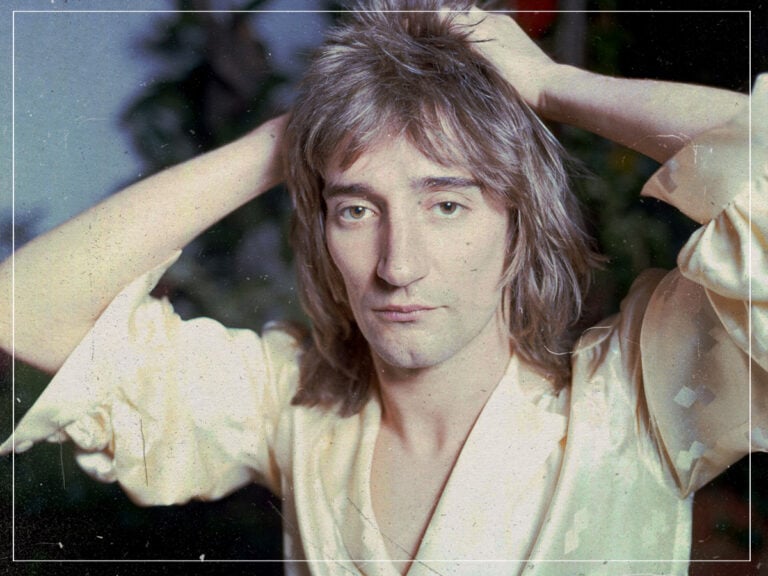

“I didn’t listen to all of it,” he said of the album, adding. “I knew I’d put out the best song of the year, so it didn’t matter to me.”
The Kinks were one of many bands that backed themselves amidst Beatlemania and were often left bemused at the subtle shadows they had to exist in at the expense of their popularity. They were alongside The Rolling Stones in that regard, who were often billed as the rivals of The Fab Four and maybe because of statements like this, from Keith Richards:
“I understand—the Beatles sounded great when they were the Beatles. But there’s not a lot of roots in that music,” he said, “I think they got carried away. Why not? If you’re the Beatles in the ’60s, you just get carried away—you forget what it is you wanted to do. You’re starting to do Sgt Pepper. Some people think it’s a genius album, but I think it’s a mishmash of rubbish, kind of like Satanic Majesties.
At the kernel of both of those statements is a feeling that The Beatles got away with a lot more than anybody else. As the golden boys of the generation they were afforded more room to experiment and in their opinion, under deliver. But ultimately, it’s not about whether Sgt Pepper is liked or not, but what came after it from both within the band and the rest of the world. On that record, The Beatles gave music permission to experiment, and so, for that, it was fully worth it.

Never Miss A Beat
The Far Out Beatles Newsletter
All the latest stories about The Beatles from the independent voice of culture.
Straight to your inbox.