


The 10 worst musicians to join classic bands

The core message behind any great rock and roll always comes down to chemistry.
There are plenty of opportunities where people can get their favourite musicians together in one place, but if they don’t manage to have the right rapport with each other, then everything’s going to come toppling down before it even gets started. But even if bands like The Beatles eventually settled on the perfect lineup, that didn’t mean that there wasn’t some musical dead weight that they needed to lose in the process.
Granted, being the worst musician in a band isn’t always a bad thing. There’s the old adage about never being the best musician in the room so you can learn from those next to you, but that’s not what we’re looking at here. A lot of the hopefuls here were trying their best to make everything work, but more often than not, they were their own worst enemy, usually getting in the way of what the band wanted or trying their best to overcompensate for how little they brought to the table.
But if we’re talking about a rock and roll band as a whole, you can be doing everything right and still not be pulling your weight as you should. The biggest names in rock and roll can try their best to fill the shoes of those who came before or work on new music, but if they don’t seem to gel just right with the rest of the band, it’s not exactly shocking when they get dropped the minute that the rest of their bandmates find someone better.
So while there are many band members who had a lot more talent than the ones who are actually in the band, it’s all about trying to work within the context of the band, and these clearly weren’t the ones for the job. Their musical friends were definitely building towards something, but it would be a future that they needed to be left out of if the band was going to succeed in any capacity.
10 worst musicians to join classic bands
Ray Manzarek as a singer – The Doors

Let’s get one thing straight here: Ray Manzarek was one of the cornerstone members of The Doors. The keyboard sounds behind their greatest songs wouldn’t have been possible without him, and when they didn’t have a bass player, he subbed in, holding down the low end on the keyboard, giving them a sound that no one else could have touched on. He was a man of many talents, but a singer he is not, and we all found that out the hard way once Jim Morrison passed away.
It was bad enough for the band to think that they could carry on after losing ‘The Lizard King’, but even if they had some of the greatest songs that anyone had ever written at their disposal, Manzarek is not the voice to carry the band forward. Is he terrible? Not at all. In fact, he’s pretty good in certain spots, but when everyone was used to having one of the most enigmatic geniuses of all time, there was no way that he was measuring up to that, certainly not on songs like ‘I’m Horny I’m Stoned.’
Half of The Doors’ best material was about playing into the more spooky side of their sound, but it turns out that when you take the frontman out of it, they just turn into any other bar band coming out of Los Angeles at the time. There are a few songs that almost resemble somewhat of a groove, but with Manzarek at the mic, all that it amounts to is a couple of lazy jams that the Grateful Dead would have thrown out.
‘Ray Tabano’ – Aerosmith

The best part about Aerosmith’s time together was seeing Steven Tyler and Joe Perry become musical soulmates. Tyler was always looking for people to build a brotherhood with, and even if people and drugs got in the way half the time, they were always going to give it everything they had whenever they started going for it onstage. But even when they were at the top of their game in the 1970s, things never fully settled in until they realised that Ray Tabano needed to get out of the band.
It was a bit of a touchy subject since Tyler was the one who brought Tabano into the band, but it didn’t take long to see what was wrong with him. In the early glamour shots of the group, Tabano already looked a little bit out of step with the rest of the band, and coupled with the fact that he would find himself slipping up in between practices and acting too cool for school around the rest of the guys, pissed everyone off before they even had time to flesh out some of their first songs.
And since the band didn’t need another wise-ass in the group, getting the silent genius Brad Whitford to complement Perry was the best thing they could have hoped for. Whitford might be a member of the Least Interesting Three in the band, but it’s better to have someone who can actually play their instrument and complement the rest of the band than worry about whether or not someone was going to show up for practice.
Every singer – The Heads

It’s a damn shame that Talking Heads will probably never get back together. Even if they never made another album again, the band were a much different animal whenever they played live, but since the rest of the band didn’t get along with David Byrne, it doesn’t seem like they’re itching to play again anymore. We’ll always have the footage from Stop Making Sense, but it gets more than a little bit sad watching the rest of them try to make the magic happen without Byrne at the front.
Byrne always had the nervous energy that made all of their records work so well, so when the band debuted as The Heads, it was like trying to watch someone rock climb with one of their arms missing. Not every member of the band is outright terrible at their job, but considering Byrne’s signature style of performing, getting everyone from Michael Hutchence to Debbie Harry to help fill his slot was never going to work, especially when Byrne was starting his own solo career at that point.
And it appears that even the band recognised that things weren’t working, either, considering that they eventually folded the group and Chris Frantz and Tina Weymouth went back to Tom Tom Club for the time being. Talking Heads were always looking to do whatever the hell they wanted, but considering all of them were looking to make something to get back at Byrne, it’s hard not to see the Heads as a cheap cash-in on what they used to do.
Dave Evans – AC/DC
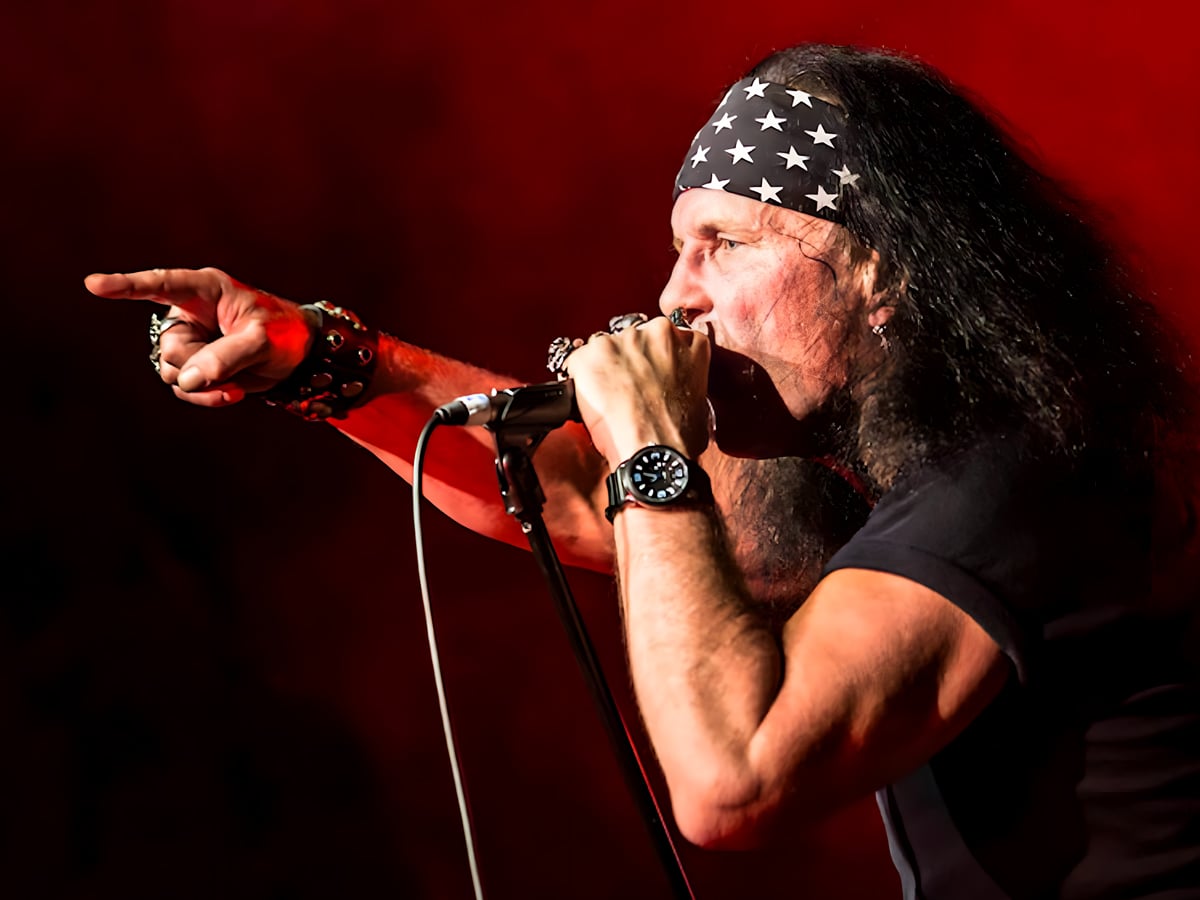
It doesn’t take a rocket scientist to figure out what AC/DC were all about. This was as straight-ahead rock and roll as it comes, and the Young brothers were willing to do anything to make sure that they could play the most balls-out riffs that they could come up with. And while Bon Scott was practically the mascot of the group for the first few years of their career, he was a welcome replacement once they heard what Dave Evans was trying to do whenever they played their first gigs down under.
But this is one of those cases where Evans seemed to be completely fine on the vocal front. He had the throaty scream that any singer for the band would have needed, and he could have easily fit into a decent AC/DC cover band, but the clash of styles was all over the place. This was the age of glam, and to see Evans onstage blowing kisses and trying his best to schmooze everyone in the crowd wasn’t going to fly when he started singing tunes like ‘TNT’ and ‘Big Balls’.
All of the passion for music was still there, but even if Evans claimed to be the best singer the band ever had, he could never have done what Scott would eventually do. He was forever going to be at the local level of the Australian circuit, and Angus and Malcolm weren’t going to let some kitschy frontman get in the way of them becoming one of the biggest rock and roll bands that the world had ever known.
Tim Ripper Owens – Judas Priest

How do you accurately replace one of the reigning kings of heavy metal? Rob Halford and Judas Priest were practically inseparable from each other, and even if he wasn’t the original member of the band, he was more than happy to fly the flag for heavy metal across every era of the band’s career. So when someone came out of the woodwork that sounded exactly like ‘The Metal God’ after he left, it should have been a no-brainer to get him in the band, right? You’d be correct…for a second.
Make no mistake, Tim ‘Ripper’ Owens is a world-class vocalist and one of the finest that the metal world has ever seen, but the fact that he managed to sound just like Halford did make the band look a touch desperate. Jugulator was a decent return to form for them, but since he was playing it a bit too safe when sounding like his counterpart, Demolition is the sound of the band trying to go too far in the opposite direction by keeping his trademark pipes to a minimum and preferring the lower range of his voice.
So while the lack of attention led Priest to bring back Halford only a few years later, this is one of the few cases where Owens seemed to be getting punished for doing absolutely nothing wrong. He could take the blame diplomatically and would have been happy to even sing for Priest for one show, let alone a few albums, but he should have had a lot more to do than being a cheap imitation of a legend.
Bekka Bramlett – Fleetwood Mac

Stevie Nicks has always been a touch neglected when it comes to what she brings to Fleetwood Mac. As much as people adore her for her stage presence and the songs that she wrote, there’s a lot more nuance going on with the way she writes that you aren’t going to find in the typical Lindsey Buckingham song. She could get down to the subtle emotions that most people don’t dwell on, but when she was taken out of the picture, Bekka Bramlett just didn’t seem to have the right stuff to take over for her.
Granted, anyone who has the unenviable task of matching Nicks is going to have their work cut out for them, and while Bramlett did a decent enough job on Time, the writing was on the wall that this version of the band was done. They had two of their greatest songwriters gone, and since Christine McVie didn’t really want to be there, it wasn’t like the rest of them were aching to make music that was on par with Rumours by any stretch.
And Nicks wasn’t exactly subtle about talking trash about her replacement, eventually paying her old friends a visit during her solo years and saying that Bramlett tended to oversing a lot of their songs whenever she tried to do an impression of her. Bramlett did eventually find her calling as a songwriter behind the scenes for a few artists, but she was one of the few that had to learn one hard lesson: there’s only one ‘Gold Dust Woman’, and anyone else who tries is going to be dealt with real quick.
Nick Sheppard and Vince White – The Clash
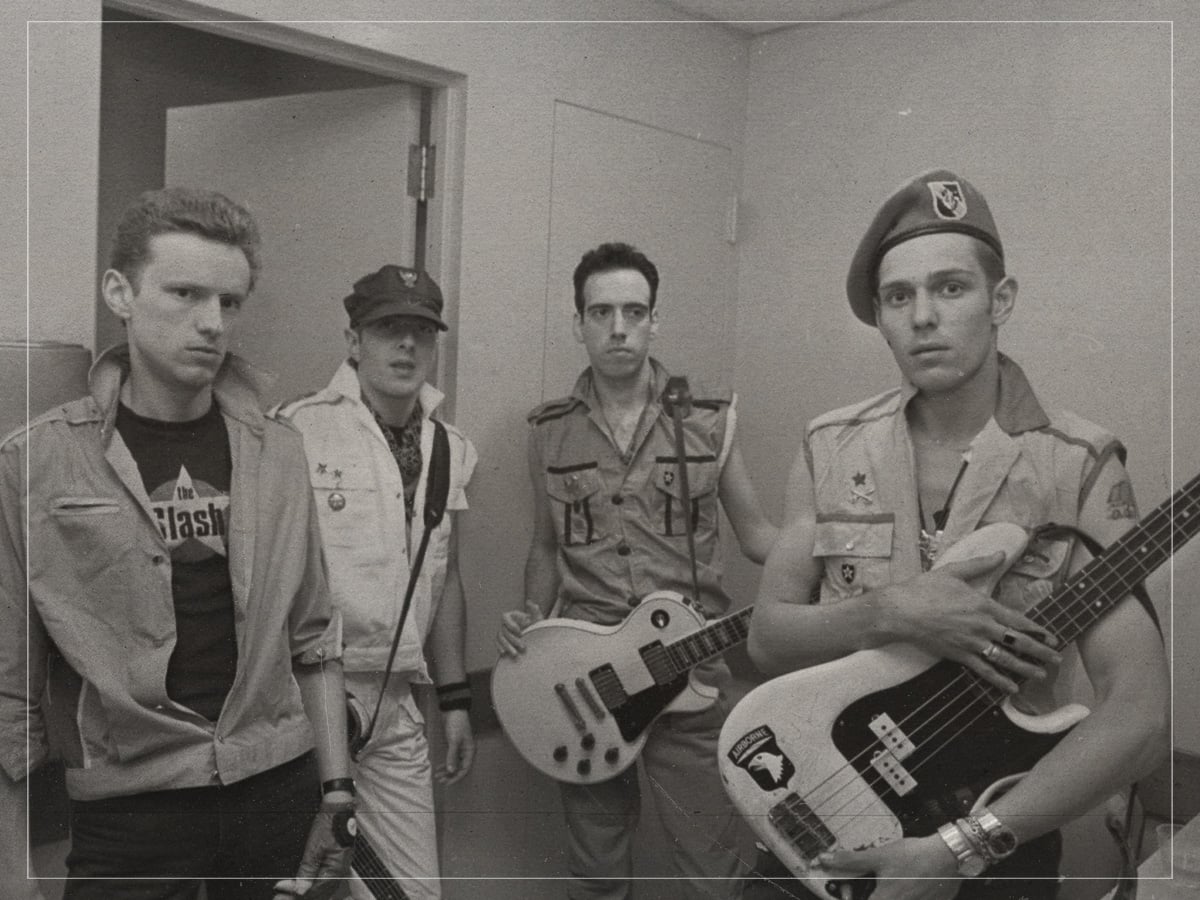
The entire story of The Clash always comes back to Mick Jones and Joe Strummer. They are the true Lennon and McCartney of punk in a lot of ways, and even if they had their disagreements, it was that tension that drove the band to become one of the most eclectic acts that the punk scene ever spat out. But even when things got incredibly bad in the studio, the thought of Strummer continuing on without Jones seemed like one of the worst ideas in the world before we even had new music.
As it turns out, Jones was so important that they needed two people to replace him, but Nick Sheppard and Vince White aren’t even the kind of bandmates that anyone would have wanted. They admitted to being fanboys of The Clash when they first joined, and since they didn’t want to step on Jones’s toes every time they played, a lot of what turned up on Cut the Crap feels like they’re being asked to play something vaguely punk and join in on the shout chorus that Strummer wrote every now and again.
If that wasn’t enough, the rare footage of them playing isn’t much better, especially with Strummer trying to do his town crier-style stage antics and the rest of them looking like a deer caught in headlights, trying desperately to play the guitar as best they can. Strummer had talked about stripping it down for the band’s final album, but even if they tried to build everything from the ground up, it wasn’t exactly the same as what they had before.
Ray Wilson – Genesis

There’s always a debate among Genesis fans over when the band truly ended. Although there are many people who swear by the Peter Gabriel era as the definitive account of Genesis, you can’t deny that Phil Collins knew what he was doing when he eventually took over and steered the band through the next phase of their career. Sure, they may have sounded a lot more poppy than normal, but even if they were a different band than before, they couldn’t even say that once Collins left the fold and Ray Wilson took over for him.
The 1990s weren’t exactly the best time to be a classic prog band, but even when Wilson was giving it his best shot on Calling All Stations, none of the songs managed to sound remotely like Genesis. Tony Banks did have his moments on the record, but compared to what they had been working on on We Can’t Dance, this feels like an adult contemporary record that most people ignore the first time they hear a song like ‘Shipwrecked’ on the radio.
This probably explains why the band decided that Wilson’s time with the band was over, once the tour didn’t even sell out when they first put tickets on sale. Wilson had said that he felt that the band could have built up something stronger had he had the chance, but since this is a business that relies on groups building off of momentum, there was nothing to really start with when the first record is already biting the dust.
Stuart Sutcliffe – The Beatles
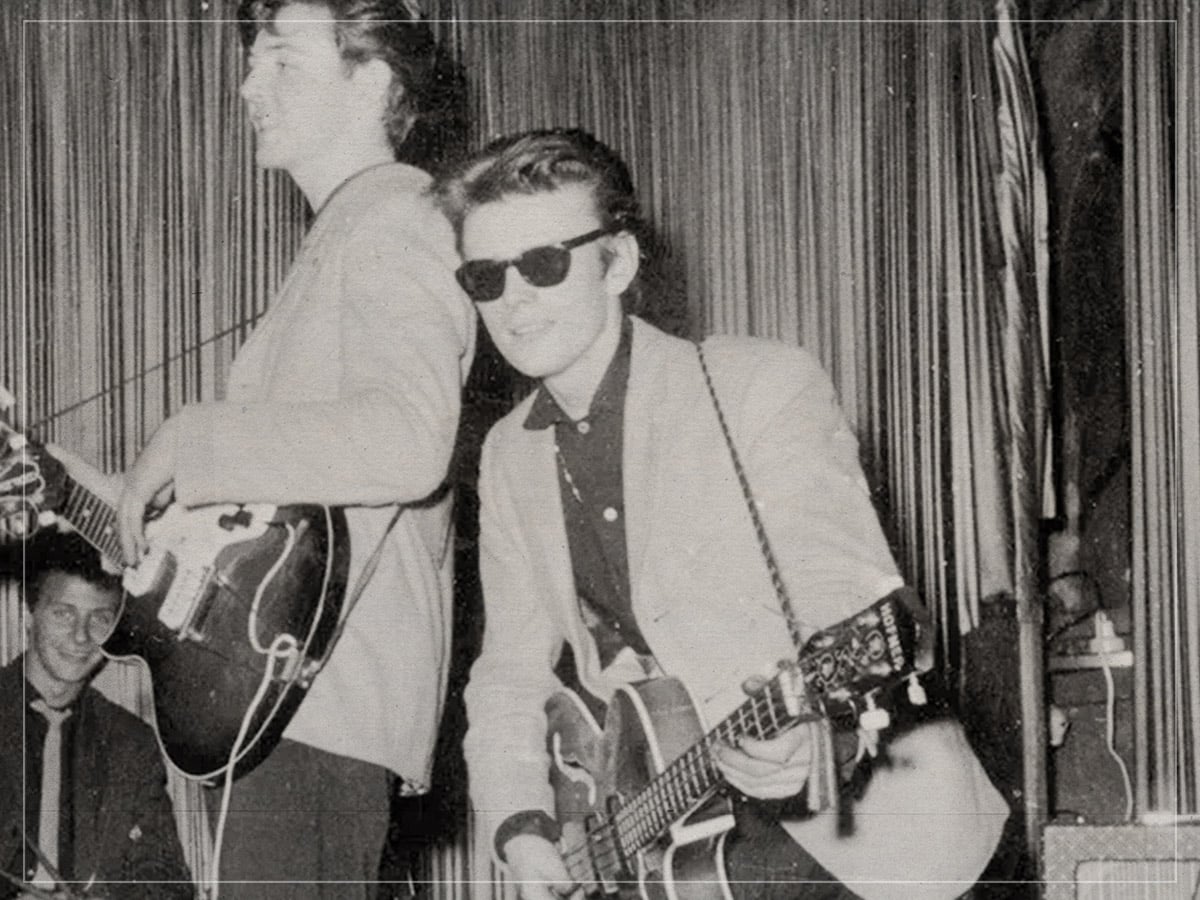
The Beatles were never truly born until the true Fab Four were all in place. They were already one of the hottest skiffle groups when they first began gigging around Liverpool and Hamburg, but even Paul McCartney would tell you that the moment Ringo Starr sat behind the kit and filled out the rhythm section was the real moment where everything truly came together. But if there was one band member who needed to go well before he even set foot onstage, it was Stuart Sutcliffe.
Then again, you have to give Sutcliffe a few points for dedication. He wanted to be a member of the band and still be mates with John Lennon, but since being able to play an instrument is usually a common rule, it’s not like he was that skilled as a bassist. I mean, who are we kidding here? It’s well-documented now that Sutcliffe could barely play a note, and even if Macca had no problem telling him that he was shit on his instrument, the fact that he turned the neck of his guitar away from the crowd was pretty telling of how little he had learned about music theory.
Sutcliffe’s ghost did linger around for a little bit after he passed away, but aside from getting prime real estate on the front of Sgt Peppers, he was never going to be in the true running for what a real ‘Fifth Beatle’ was supposed to be. Billy Preston, Eric Clapton and George Martin were seasoned veterans in their field, and Sutcliffe was clearly an amateur trying his best to have fun with his friends.
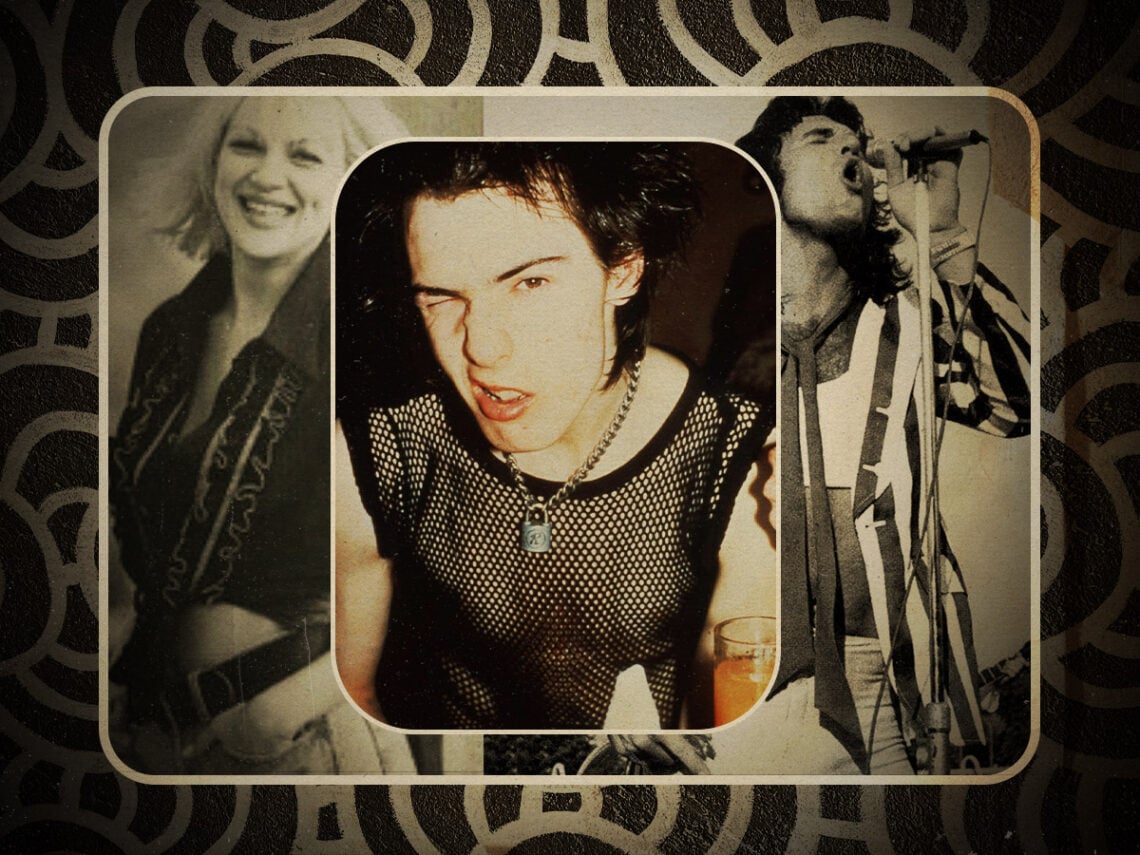
Sid Vicious – Sex Pistols

Punk rock wasn’t the kind of genre that emphasised being the most complex musician in the world. Everyone in the scene seemed to frown upon those who played sweeping solos, and there was no way that any member Sex Pistols were going to be caught dead making songs like Pink Floyd or Yes. They wanted to leave all of those phonies in the dust, but even for a band that didn’t have too much skill, having someone like Sid Vicious enter the picture was the best and worst thing they could have done.
First off, it’s not hard to see why they picked him. Vicious’s silhouette is as recognisable to punk fans as James Dean was to classic movie buffs, but sacking Glen Matlock for him was always going to be a bad idea. Matlock was the one person in the group who bothered to worry about studying theory, and when you take him out of the equation, all you’re left with is a guy with spiky hair who barely played a bass and was an even worse singer when he tried to comically recreate ‘My Way’.
Granted, having a lack of experience was only a good thing in the eyes of Malcolm McLaren, but since the band only lasted a few more months before they fell apart on tour, it wasn’t surprising that Vicious went down a dark path afterwards. He didn’t need to become a rock and roll casualty, but he definitely needed a few more lessons before he was anywhere close to ready for the stage.

Never Miss A Beat
The Far Out Beatles Newsletter
All the latest stories about The Beatles from the independent voice of culture.
Straight to your inbox.