


10 forgotten British albums from the 20th century that deserved to be regarded as classics

From The Beatles to the Bonzo Dog Doo-Dah Band, Britain has a rich history when it comes to popular music, whether we’re talking about the most beloved artists of all time or the cult favourites who are adored by a discerning few.
While popular music and the release of records has only been a phenomenon since the early 20th century, and only reached this level of cultural importance around the halfway point, this small island nation has produced some of the greatest art in this realm, but that doesn’t always mean that the finest albums are the ones we celebrate unanimously or the ones that have achieved the most mainstream success.
Because there’s been a near-constant barrage of music being released on a weekly basis since the 1950s, it’s impossible for individuals and tastemakers alike to keep abreast of everything that’s going on, and while certain new musical trends have emerged in the UK during the latter half of the 20th century, some of the finest examples are ones that have been buried under the deluge and are only remembered by a select group.
When we discover something a little more unknown, we usually respond with one of two instincts: either we spread the word as thoroughly as possible in an attempt to make sure everyone in our close circles and beyond is aware of its brilliance, or we keep it to ourselves as our own special secret. While the latter is often frowned upon and allows for unnecessary gatekeeping, the former is exactly what we prefer to do at Far Out Magazine.
With this in mind, here are ten albums hailing from the UK that never quite got the recognition they deserved, and the reasons why they should be on every music lover’s radar.
The 10 most underrated British albums from the 20th century:
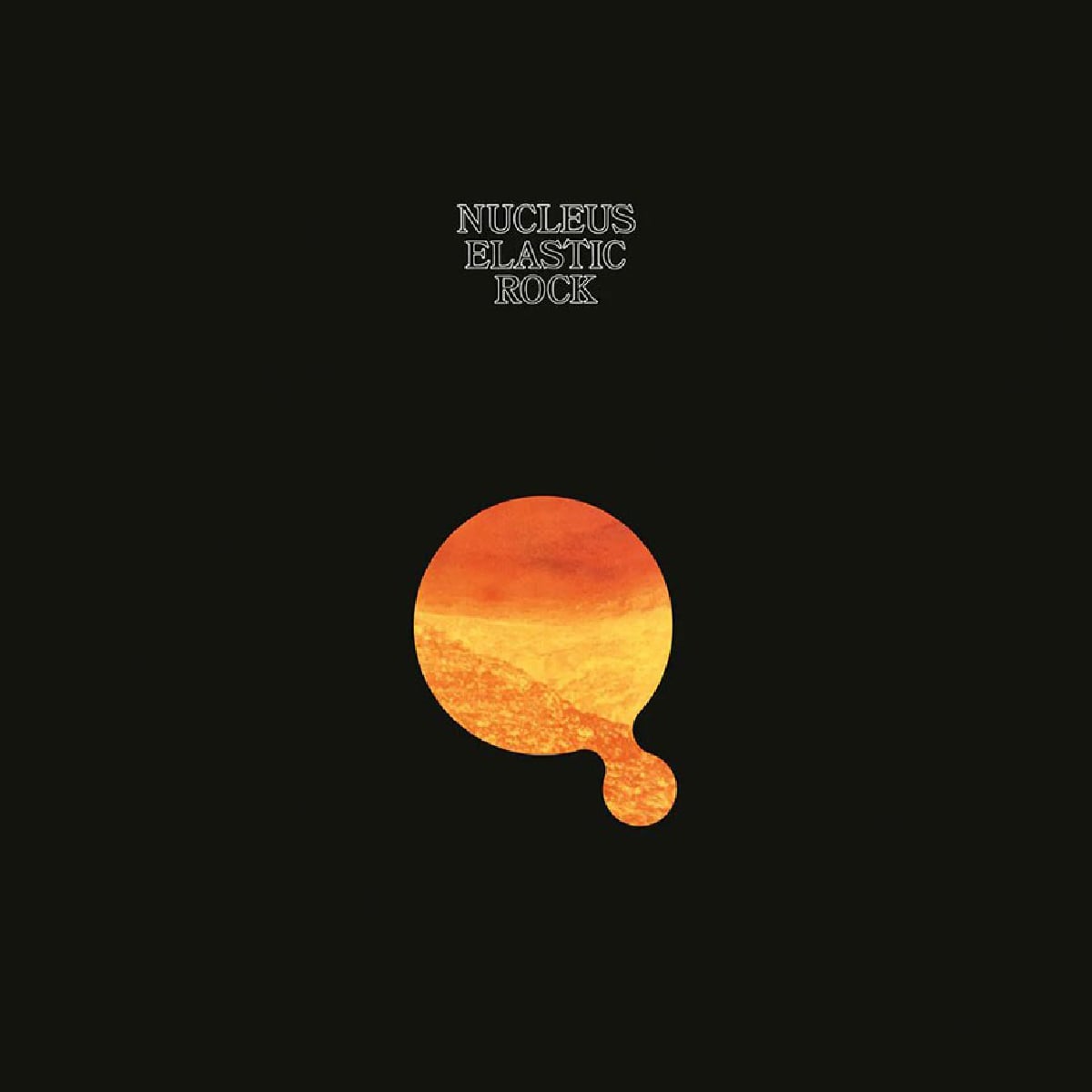
Nucleus – ‘Elastic Rock’ (1970)
While the UK is perhaps best known for its ventures into jazz in the early 20th century through big band, swing and trad styles, its forays in the latter half of the century are often overshadowed by the efforts of the esteemed players and ensembles coming out of the US.
If there’s one example of a British band who managed to excel despite all of the attention being focused on the other side of the Atlantic, it’s the efforts of the pan-British collective Nucleus, whose debut album, Elastic Rock, is one of the greatest challenges to American dominance.
Despite this, the band formed by Scottish trumpeter Ian Carr showed exactly why British jazz from this era ought to have more respect put on it, and while there are plenty of acts in the modern era who have showcased a flair not only for jazz but for fusing it with other styles, it doesn’t make up for the fact that Nucleus were sorely overlooked during their most active period in the 1970s, and called it quits in 1989 after 20 years of operation.
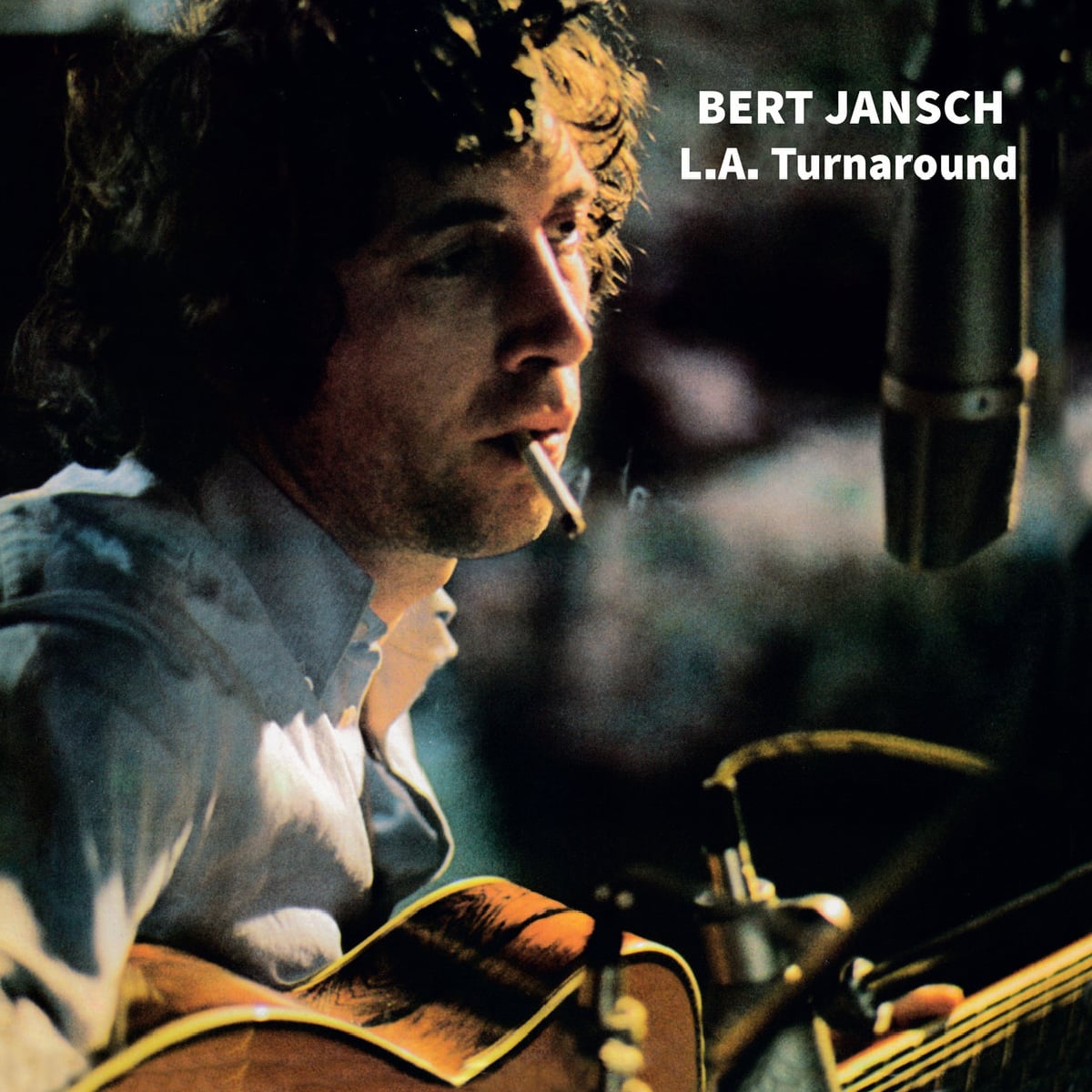
Bert Jansch – ‘LA Turnaround’ (1974)
If there’s one thing that the British Isles, including the whole of Ireland, has always been good at, it’s producing some of the most beautiful and ornate folk music. With such a plentiful history of telling stories to music, and with plenty for songwriters to focus their attention on, it should hardly come as a surprise that our folk music is among the most beautiful in the world, and that there’s a bounty of it out there to be discovered.
However, this does mean that some of the finest talents can get buried beneath the vast quantity of music in the same vein, and unfortunately, not enough people are aware of the beauty of Bert Jansch’s silken voice and exemplary guitar playing, especially his work as a solo artist.
Having been a founding member of Pentangle, a traditional folk group who had a number of minor hits in the 1960s and remain active today, Jansch’s solo career from the ‘70s until the 2010s is a catalogue of riches, with his 1974 effort, LA Turnaround, featuring some of his finest songs like ‘Fresh as a Sweet Sunday Morning’ and ‘Needle of Death’. Whether it’s just Jansch and a guitar, or if there are deft arrangements happening in the background, this is an album of sublime elegance.
June Tabor – ‘Airs and Graces’ (1976)
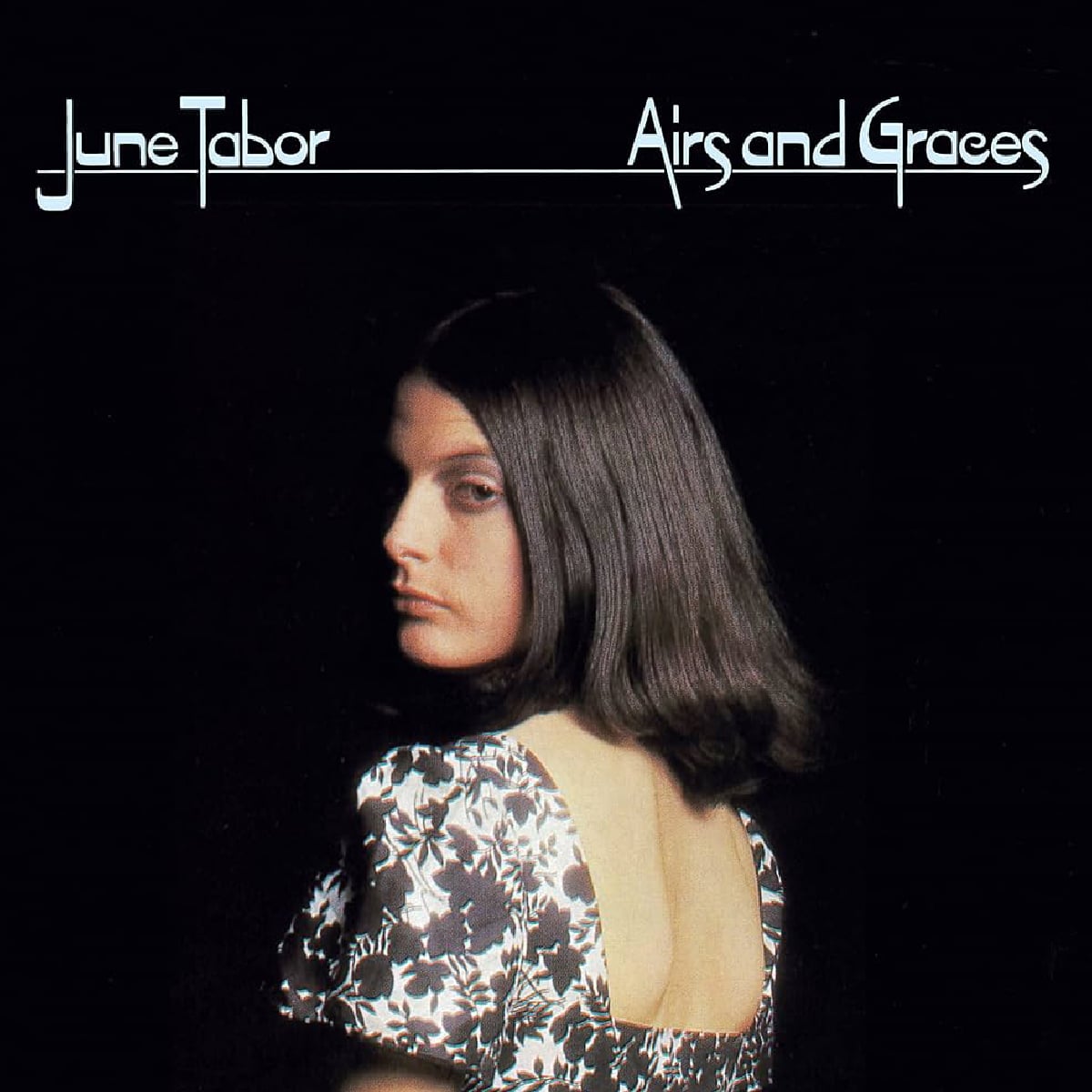
If Jansch’s interpretation of folk music was perhaps not stripped back enough to be able to entice listeners, then something for the stark in the vein of June Tabor’s 1976 debut, Airs and Graces, may be an even more honest representation of traditional folk in Britain. While Tabor was a skilled arranger herself, many of the songs from this record rely solely on the strength of her voice, with nothing else there to distract or disguise any potential flaws, and for a debut record, this is as bold a decision as one could take to present your craft.
The tracks that do have accompaniment on them have a similar air about them as Joni Mitchell’s early compositions, although the songs that Tabor showcases are largely interpretations of old songs. If anything, this is a greater advertisement for British folk heritage than Jansch’s offering, and the care with which the former Steeleye Span collaborator handles the songs she chooses to perform on this intimate first offering is exquisite.
Swell Maps – ‘A Trip to Marineville’ (1979)
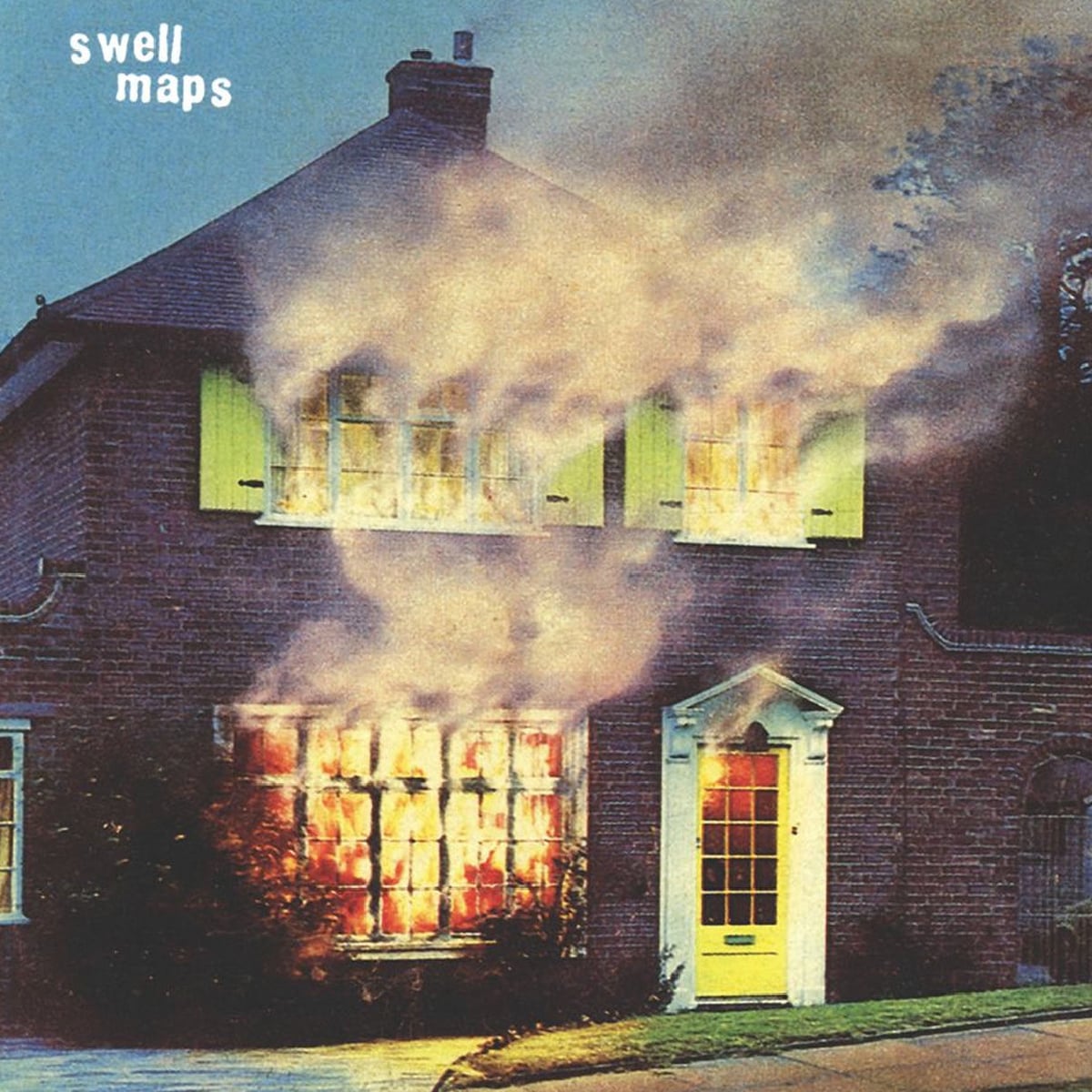
While the punk rock movement’s moment in the spotlight within the UK was over and done in a matter of just a few short years, with poster boys the Sex Pistols imploding on themselves after just two and a half years, a far more inventive and artistically-fuelled alternative was ready to take its place in the subsequent years. The commercial success of post-punk may not have been as notable as punk was, but it’s hard to argue against the impact that acts like Joy Division, Wire and John Lydon’s post-Pistols project Public Image Ltd had on the musical landscape.
However, the most underrated pick of the bunch was a scrappy six-piece from Birmingham called Swell Maps. Over just two studio albums, their brash DIY ethos and frenetic approach to the genre was a breath of fresh air when compared to the seriousness displayed by some of the more prominent names, and this can be heard in full force throughout their debut album, A Trip to Marineville.
There are moments where the band choose to lock into a cacophonous wall of noise such as on ‘Harmony in Your Bathroom’, and there are explosively gnarly riffs such as on ‘Vertical Slum’. Pick your poison, but prepare to be blown away.
Fred Frith – ‘Gravity’ (1980)
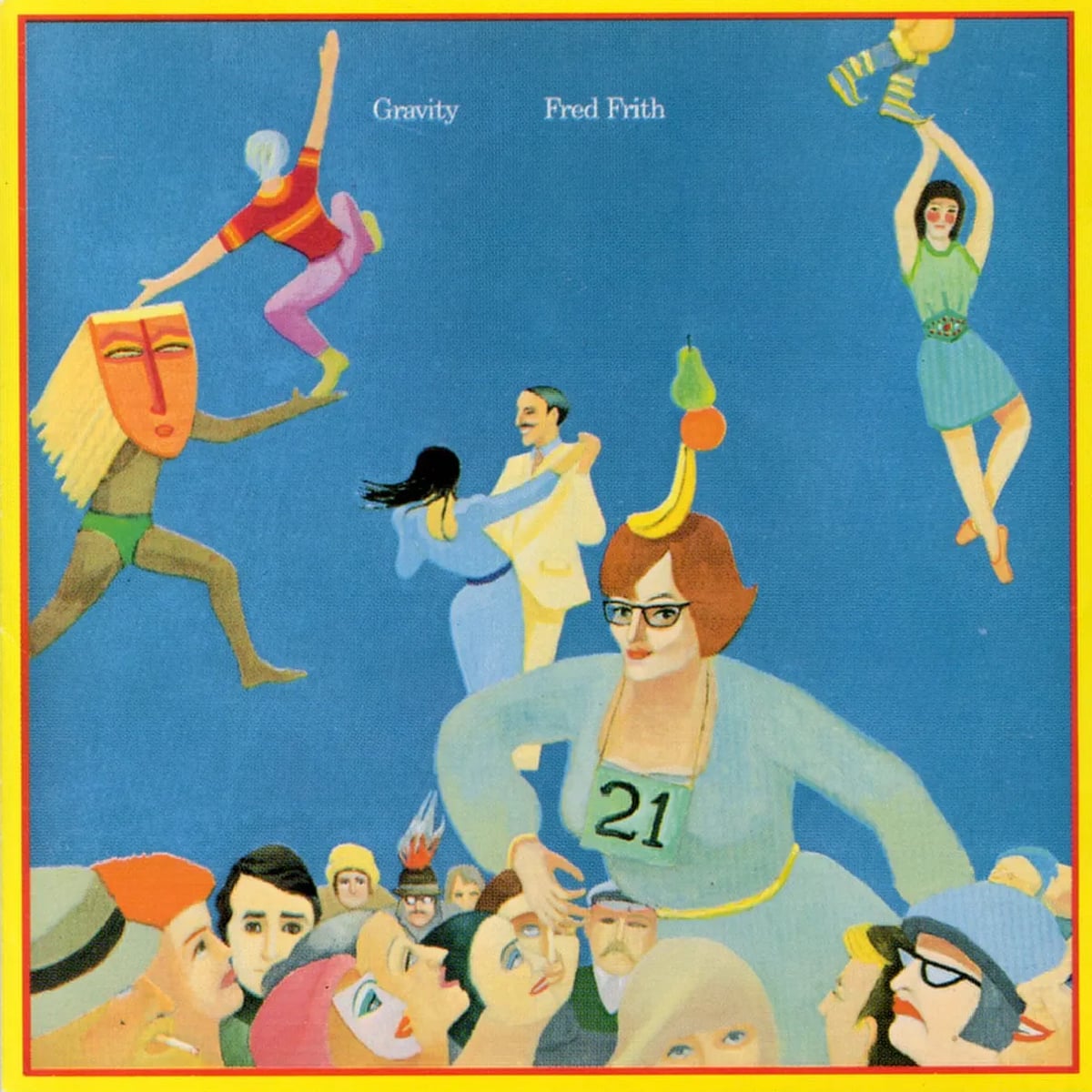
Usually, progressive rock is a term afforded only to artists who like to push the boat out with their ideas and try something that most others in the rock world would be too afraid to commit to. But what happens when your music is too bold, experimental and scatterbrained to even be accepted as an example of progressive rock?
Perhaps the best person to ask is Henry Cow co-founder and Rock in Opposition movement originator Fred Frith, whose solo debut, Gravity, is a confounding melange of stylistic insanity that does more than enough to put the fear into even the most ardent prog fan.
The multi-instrumentalist’s approach steers from jazz to Balkan folk via passages of free improvisation, and if that sounds like a dizzying affair, that’s because it is. Frith’s style is playful, but in a way where you feel you’re being teased at the same time for not understanding the joke. However, the minute you let your guard down and allow yourself to accept that the accordions, clarinets and tap dancing are all masterfully applied details to this rich sonic tapestry, then you’ll find plenty to enjoy in his barmy adventurousness.
Josef K – ‘The Only Fun in Town’ (1981)
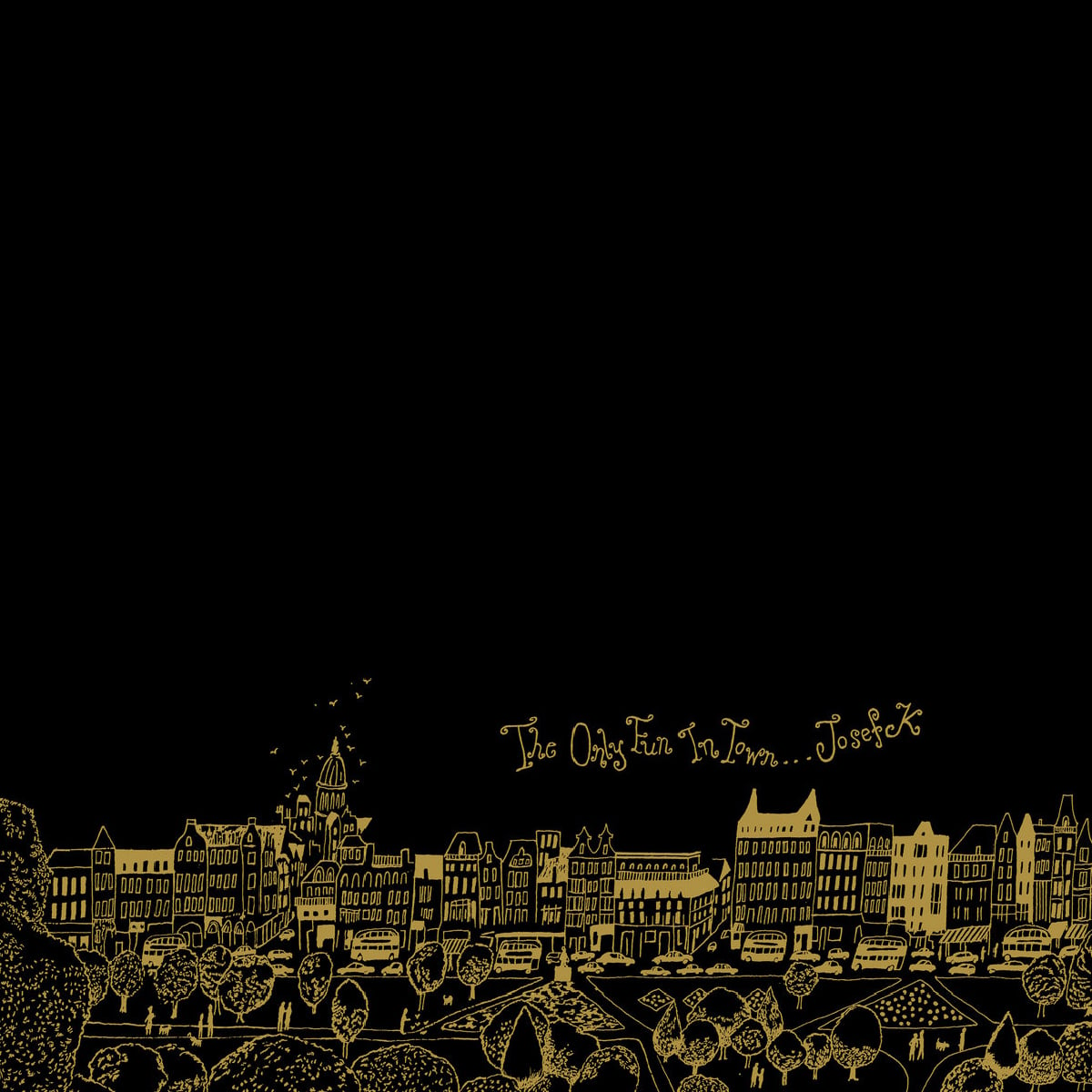
Frenetic post-punk wasn’t just a phenomenon in England in the late ‘70s, and perhaps the greatest proof of innovation happening north of the border came courtesy of the roster signed to short-lived Scottish label Postcard.
Best known for being the DIY enterprise that brought the world Orange Juice and Aztec Camera, arguably their finest release was the sole album by Josef K, The Only Fun in Town. If the rawness of English acts wasn’t to your taste, then what Josef K and their Postcard cohort offered was something driven far more by a desire to make post-punk grooveable.
The guitar interplay is frequently knotty, the basslines punchy and high up in the mix, and the drums tightly wound around the rest of the ensemble, creating an urgency to the band’s sound unlike many of their contemporaries. While the band were ultimately unsatisfied with the result of the recording, which can at times be heard in the cold and jaded environments created by the songs, this lone full-length offering has gone on to acquire cult status and proven to be influential to future generations, even though many aren’t quite aware of the fact that it’s this underheard masterpiece that they’re referencing.
Girls At Our Best! – ‘Pleasure’ (1981)
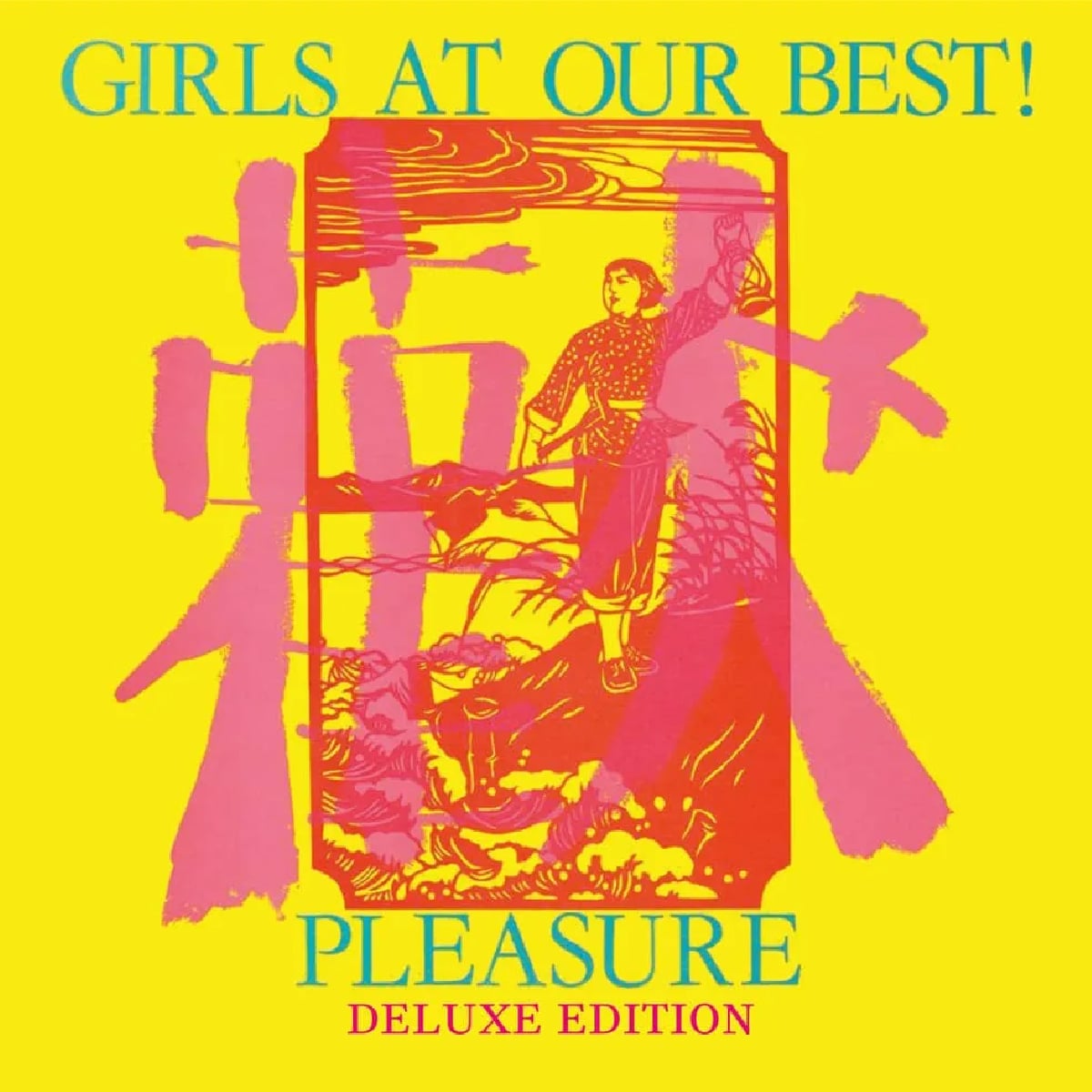
Almost concurrently with Scotland’s attempts to make post-punk a more jangly and carefree style that fused together elements from other genres, other pockets of musicians elsewhere in the UK were beginning to catch on and find a home within the outer boundaries of the scene.
Often emerging from art schools around the country, more post-punk acts began to adopt a tuneful approach that shunned the idea of needing to be proficient at their craft and relied largely on expressing themselves through simply having a good time.
While some of the more notable acts of this ilk include The Slits, The Raincoats and Delta 5, it’s the latter group’s Leeds contemporaries Girls At Our Best! who were perhaps the unsung heroes of this emergent style in the early 1980s. Despite having also become defunct after just one album, said album, Pleasure, is a riotously fun record that blends together elements of twee bubblegum pop, first-wave punk and emergent new wave tendencies. There’s every chance that the band could have offered so much more, but we ought to be thankful that this singular record frankly exists as an impeccable treasure waiting to be rediscovered.
The Wolfgang Press – ‘Bird Wood Cage’ (1988)
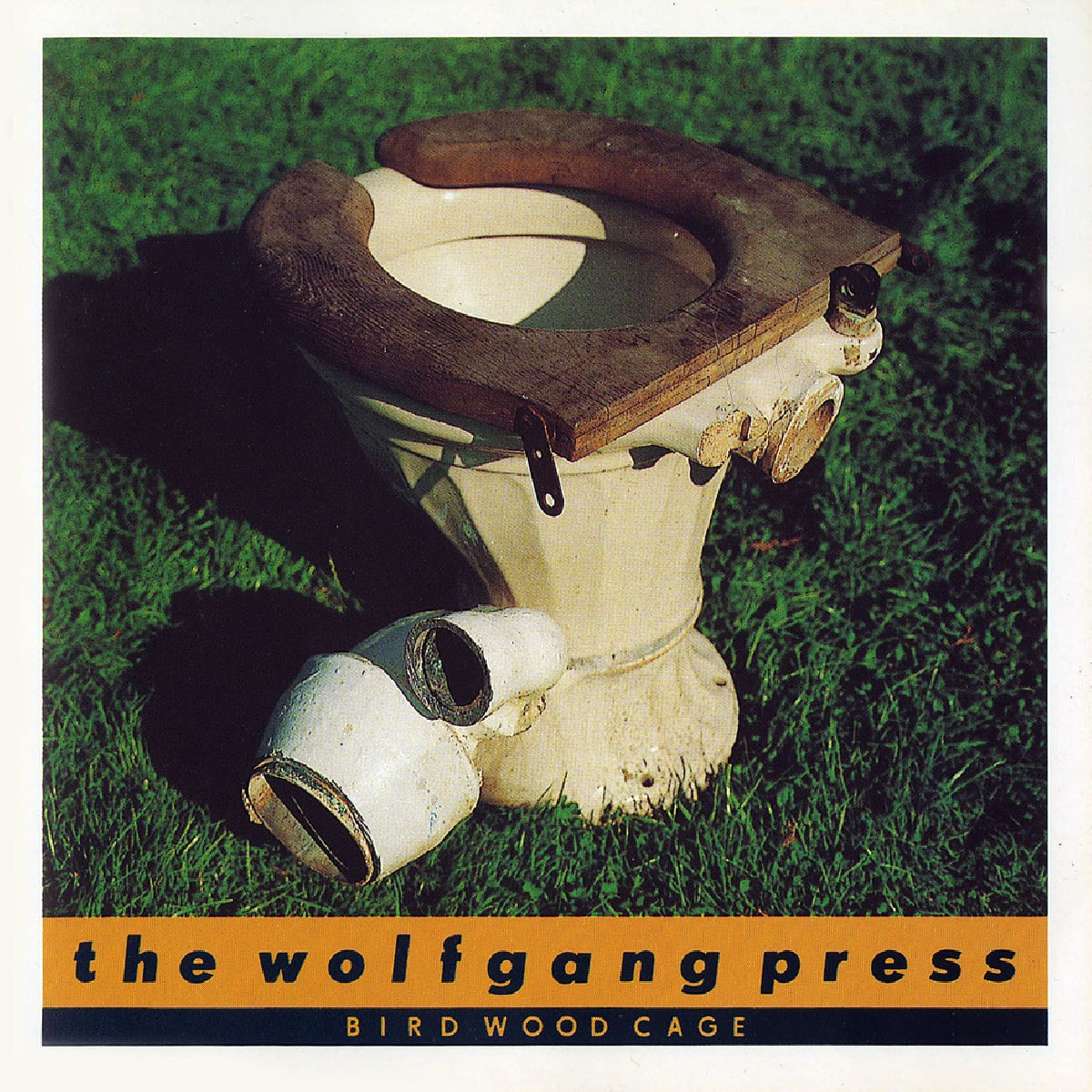
By the end of the 1980s, electronics were managing to seep their way into the artistry of many acts, regardless of the stylistic world that they lived in. While in some instances, this led to a horrific mismatch of ideas that is best forgotten about as an errant attempt to fit in with the zeitgeist, other acts were able to adopt these sounds into their music in ways that felt novel and exciting. Some may have initially scoffed at the prospect of gothic industrial in 1988, but London experimental outfit The Wolfgang Press arguably mastered this amalgamation on their third record, Bird Wood Cage.
Michael Allen’s baritone adorns each track in the same way as Nick Cave’s vocals would a Bad Seeds number, but the synthetic sounds underpin the songs in a way that adds an ethereal quality to the band’s overall sound. At times, Bird Wood Cage sits in the same world as the psychosexual madness of Nine Inch Nails’ Pretty Hate Machine, but equally shares some of the qualities that Happy Mondays were exhibiting around the same period. A truly fascinating album that shows just how much potential there was in their madcap ideas, but one that ought to have been far more lauded than it was for its inventiveness.
Dog Faced Hermans – ‘Hum of Life’ (1993)
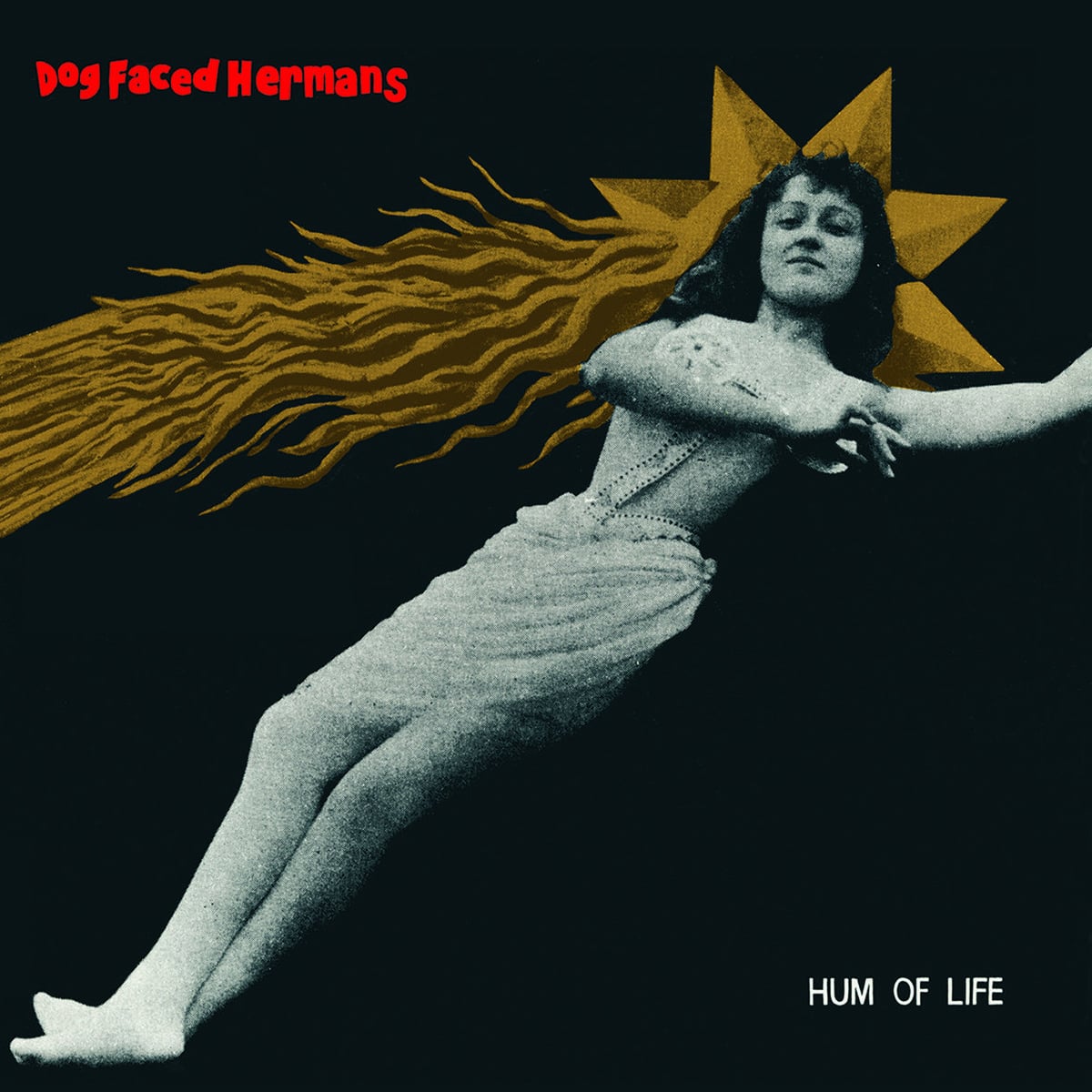
With Britpop primed to take over as the main focal point of the UK music press in the early ‘90s, post-punk was no longer the indie tastemaker’s primary obsession, and that led to some of the genre’s most inventive acts from its twilight years being ignored despite creating an iteration of the sound that was arguably as creative as it had ever been. Hailing from Edinburgh, Dog Faced Hermans were largely ignored in this era due to how they dared to push the genre towards new territory despite there seemingly being a dwindling number of people paying attention to proponents of this style.
On their fourth album, Hum of Life, their fearless mesh of noise rock, no wave and post-hardcore reached its peak, and while its terse and abrasive approach is maybe something that people could consider a stumbling block for getting on board with it, the sheer boldness of it all is what makes it a triumph. Besides, now noisy, post-punk-adjacent bands with a token brass player and sprechgesang vocals are back in vogue, I’d wager that if more people knew of Dog Faced Hermans, then virtually every cool kid in South London would be fawning over them. Sometimes the timing just doesn’t work for the bravest bands.
Gorky’s Zygotic Mynci – ‘Spanish Dance Troupe’ (1999)
Having claimed on multiple occasions that Britpop was merely a trite marketing term that attempted to encompass a collection of vaguely similar acts from our island nation, it shouldn’t come as a surprise that I’m equally unconvinced by the use of ‘Cool Cymru’ as a catch-all for a wave of bands emerging as Welsh representatives of the ersatz Britpop scene.
Other than all hailing from the same principality, barely anything connects the Stereophonics, Catatonia and Super Furry Animals, but sitting out in a world of their own was the freakshow of Gorky’s Zygotic Mynci.
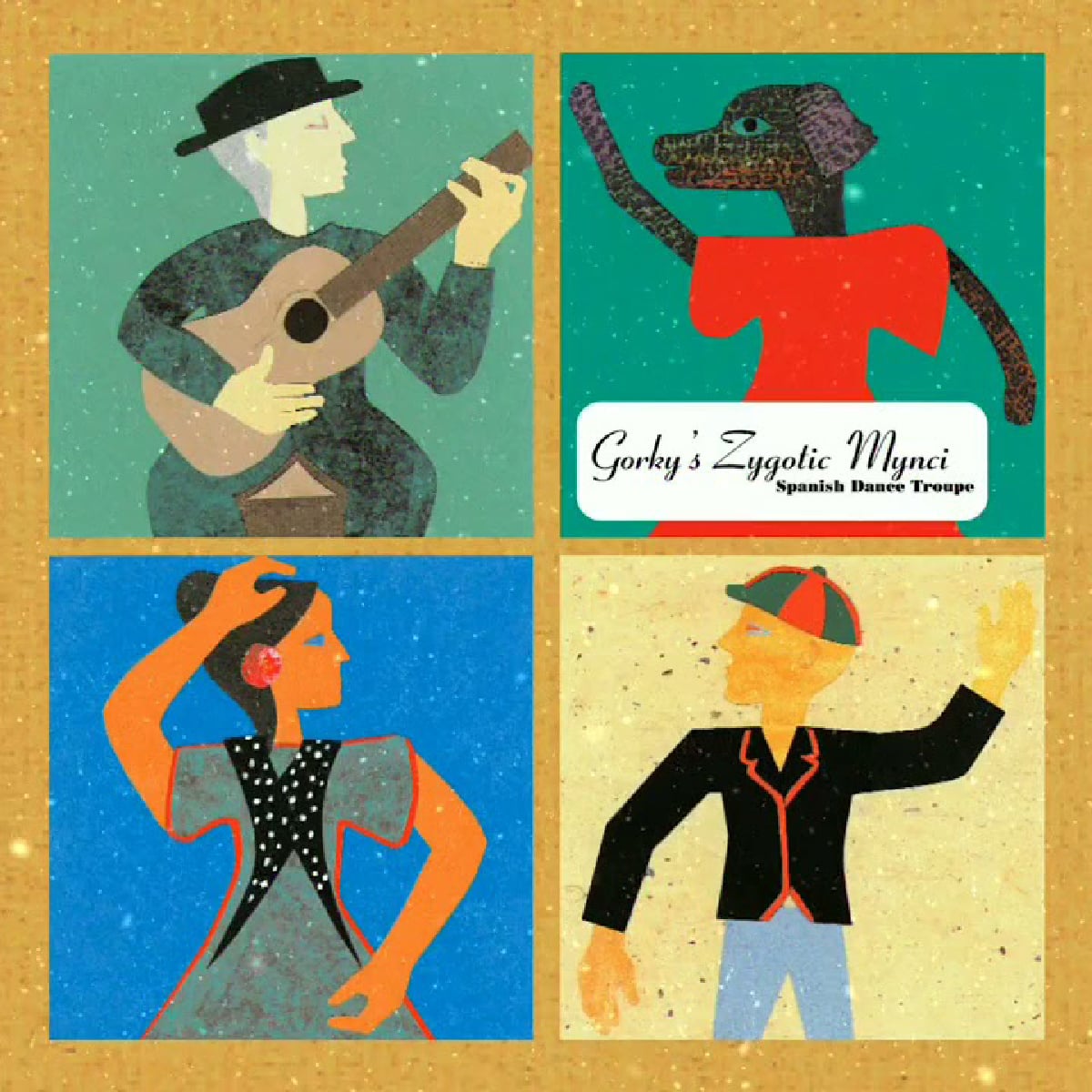
Barely scraping its way onto this list as a November 1999 release, Spanish Dance Troupe is the Pembrokeshire band’s opus, and an album that will equally make you gush at its tender folk ballads while descending into a spiral of insanity from its psychedelic flourishes. Euros Childs’ songwriting is laced with abstract humour throughout, and finds itself venturing towards the sublime at times, but if you think that ‘Poodle Rockin’ can comfortably sit in the same world as the Manic Street Preachers‘ ‘A Design For Life’, then you’d be sorely mistaken. You can forget about ‘Cool Cymru’, Gorky’s just happen to be quintessentially both.
