


Five songs from the 1980s which paved the way for Britpop

A much-maligned term, concocted by the music press and subsequently denounced by virtually every band that found themselves attached to it, Britpop nonetheless defined the airwaves of the mid-1990s, ushering in the age of ‘Cool Britannia’ and seeing a countless array of angry young bands rise and fall through the ranks in a haze of guitar-fueled hedonism.
Like virtually every other music scene throughout history, though, Britpop did not arrive out of the ether, nor was it born in some test tube laboratory overseen by Tony Blair. During the early 1990s, the musical realm of the UK was split between two core components: the acid house rave scene that emerged during the late 1980s, and the grunge scene that had travelled across the Atlantic from Seattle, Washington. For many budding young musicians in Britain, though, there was little to relate to in either of those worlds.
Inevitably, then, artists started looking back for other inspiration, and attention quickly fell upon the raw power of the rock and roll emerging from London during its swinging sixties period, when groups like The Kinks or The Who were taking their American blues inspirations and giving them a distinctly British flavour. In essence, it was this classic sound which formed the backbone of Britpop’s inspiration.
At the same time, though, there were a select few sounds and artists from the 1980s that managed to escape the clouds of hairspray and neon, forming a crucial aspect of indie inspiration and laying the core foundations of the Britpop age.
The 1960s might have been key, but without the likes of Paul Weller, The Stone Roses, or Factory Records, the likes of Oasis and Blur would have been left rudderless. So, join us as we revisit the age of shoulder pads, nuclear tensions, and industrial action, to examine the roots of the Britpop sound.
Five songs from the 1980s which paved the way for Britpop:
The Jam – ‘That’s Entertainment’
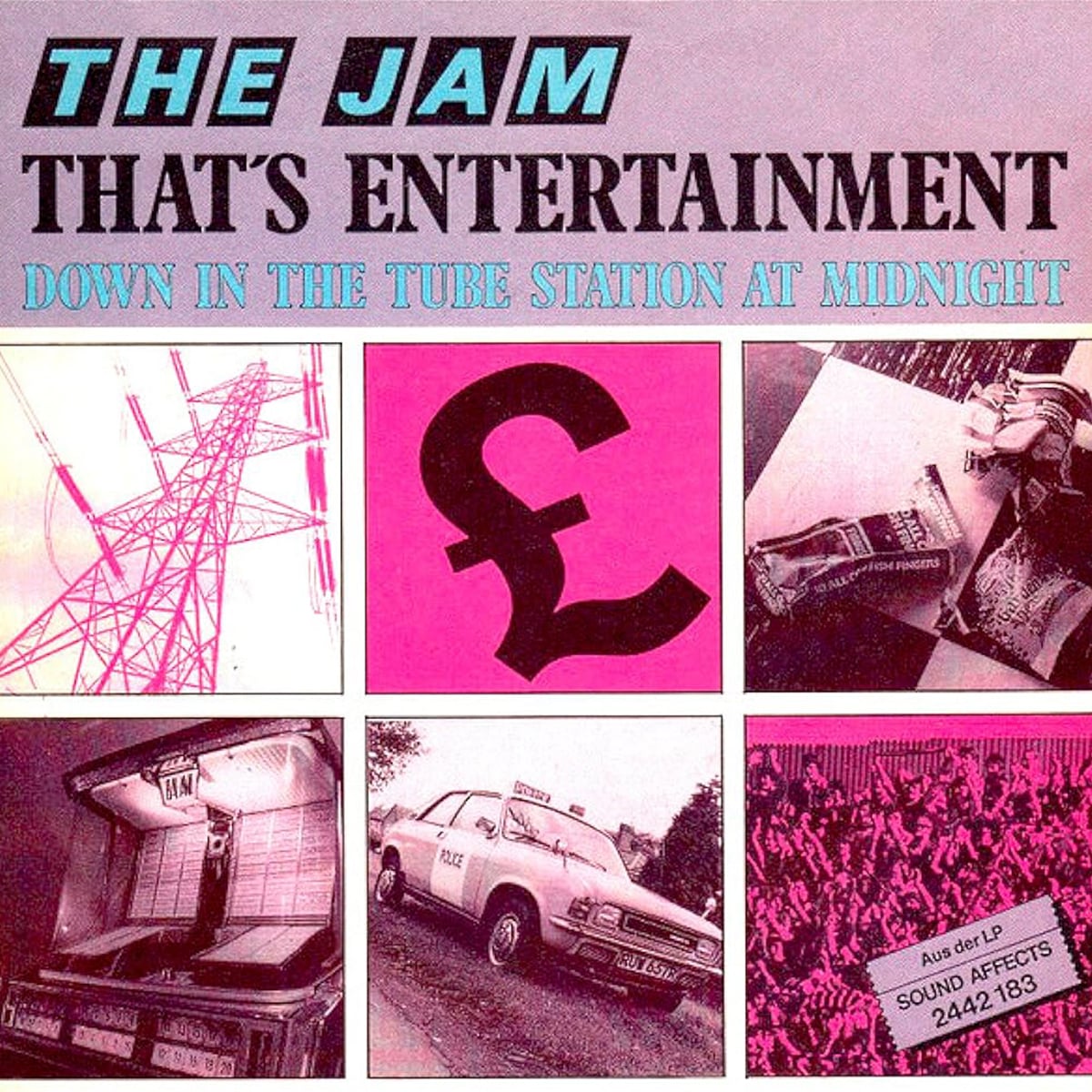
Starting at the very beginning of the 1980s, the influence of The Jam – and Paul Weller’s songwriting in particular – is impossible to ignore when looking at the Britpop years, even if you deliberately ignore the fact that Oasis drummer Steve White cut his teeth performing with Weller and The Style Council, or that The Jam songwriter has performed alongside both Noel Gallagher and Blur on various occasions.
Throughout his illustrious career, Weller has always held ideas of working-class reality at the heart of his output, and never has that been more overt than on 1980’s ‘That’s Entertainment’. While, at first glance, the song is a rather depressing, kitchen sink look at the world around him, from the songwriter’s damp flat in Pimlico, there is also a distinct sense of hope and optimism woven into the song.
Similarly, the defining tracks of the Britpop years, particularly Oasis’ early work, tend to focus on a sense of working-class alienation and optimism, which undoubtedly owes itself to ‘The Modfather’.
The Smiths – ‘Still Ill’
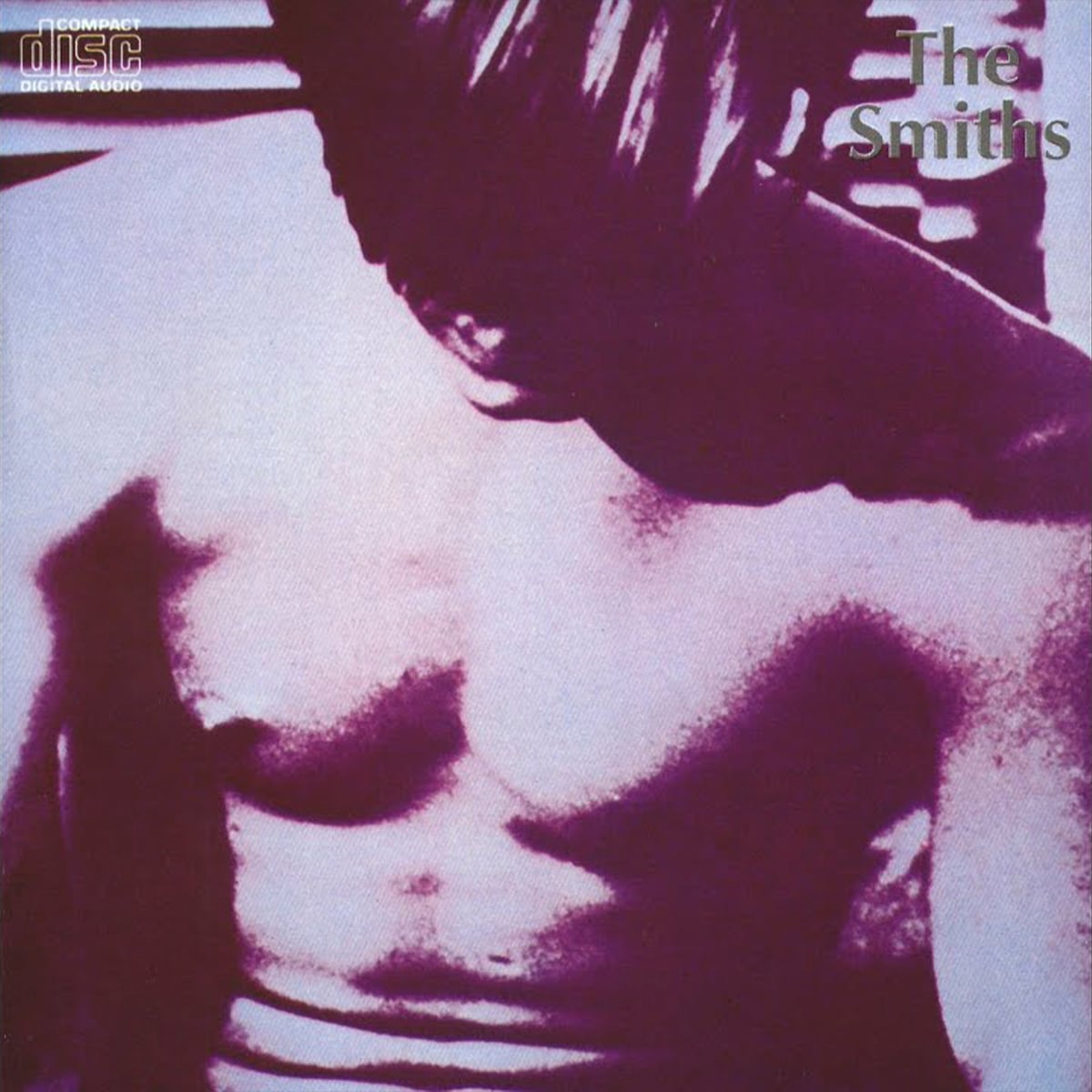
Britpop was, if you looked at it objectively, merely the continuation of the indie rock scene, which had been steadily building throughout the 1980s, housed on labels like Postcard, Factory, and Rough Trade.
It was The Smiths who introduced that latter label into the mainstream consciousness during the 1980s, becoming a regular feature of the singles chart in spite of their independent origins, and acting as a musical awakening for many of the future songwriters of the Britpop scene.
‘Still Ill’, from the band’s stunning self-titled debut, is particularly easy to link to the sounds of Britpop, as it sees Morrissey deliver each line with a sense of defiance that can only come from a true underdog. When the singer declares that ‘English is mine, it owes me a living,’ along with his musings on lost dreams and the political realities of the Thatcherite years, the inspiration of punk isn’t too far away, much like the underdog defiance of a band like Suede, Oasis, or even Pulp.
Cocteau Twins – ‘Ivo’
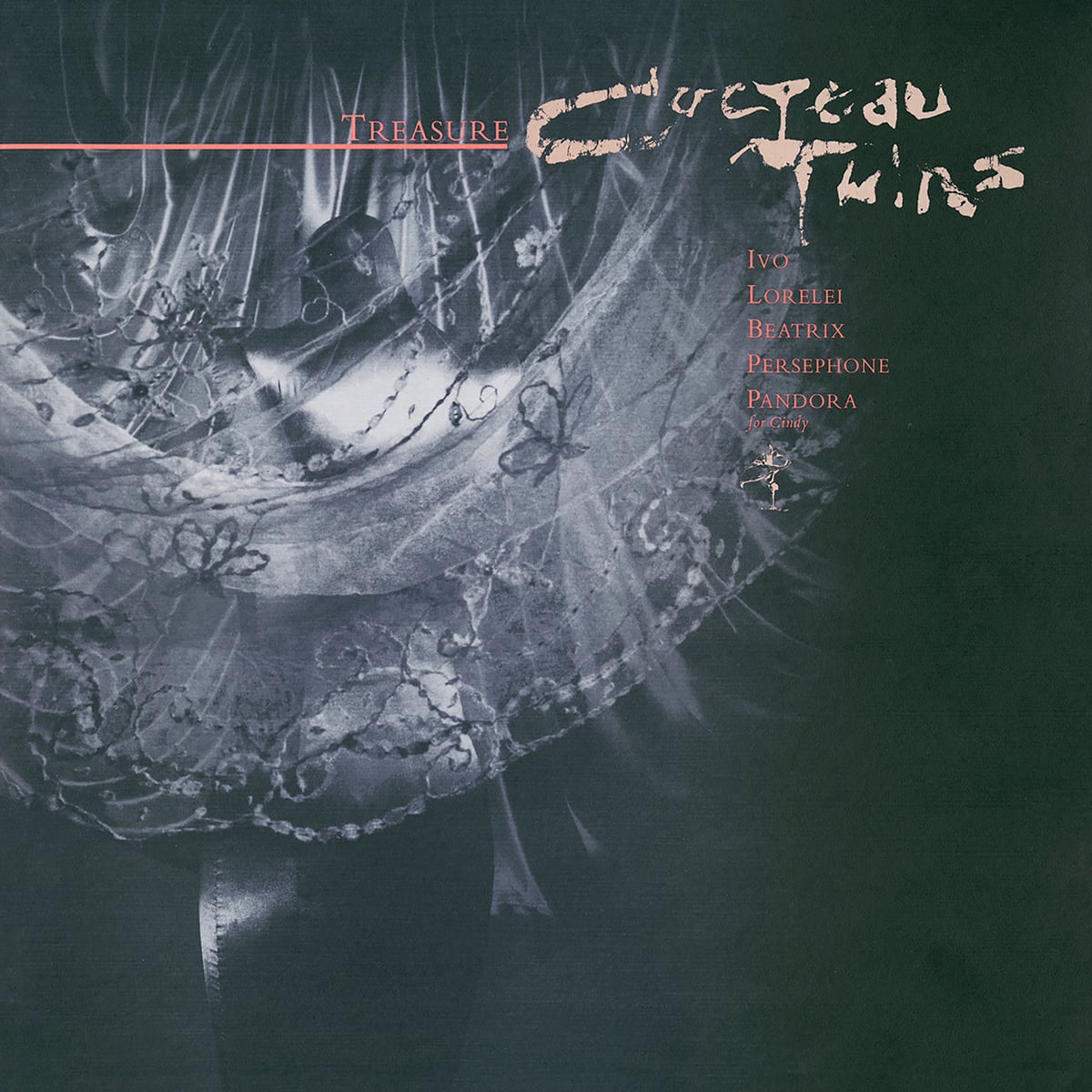
The ethereal, gothic dream pop of Falkirk’s premier trio, what with its litany of effects and often incoherent lyrics, might seem an unlikely influence on the raw rock and roll of Britpop, but those two disparate musical realms are linked by shoegaze. That cacophony of early 1990s pedal boards and fuzzy guitars had an undeniable impact on Britpop, particularly in the case of the scene’s far too often underrated heroes, Lush.
Lush largely predated Britpop, but their early days were dominated by shoegaze sounds before they landed upon the Britpop masterpiece of Lovelife in 1996. According to Miki Berenyi, though, the band might never have existed at all were it not for the otherworldly sounds of Cocteau Twins.
Of ‘Ivo’, from the band’s 1984 masterpiece Treasure, Berenyi once told Flood Magazine, “I bought this on release and played it to death,” going so far as to call it an “unavoidable touchstone” when writing her more recent material, in particular. Sometimes Britpop was much more than drunken mop-topped lads bashing out a few barre chords, and at least part of that is owed to Cocteau Twins, it would seem.
Inspiral Carpets – ‘Joe’

Where would the world of Britpop be without Inspiral Carpets? Well, there would be no Oasis, for a start. Not only did the Gallagher brothers – according to legend – pick that band name from an Inspirals poster hanging in their bedroom, but Noel cut his teeth as a roadie for the band during the early 1990s, after unsuccessfully auditioning to be their singer. It is no surprise, then, that you can hear the lineage of songs like ‘Joe’ in the early efforts of the Mancunian outfit.
A little too ahead of their time, Clint Boon’s outfit more or less perfected the Britpop sound before it had even begun, blending an unending appreciation for the psychedelic sounds of the 1960s with a raw, grassroots approach to rock and roll that the patrons of Bar Italia would end up desperately trying to recreate in the years that followed.
Although the Oldham band never quite achieved the same mainstream success as those that they inspired, there is no doubting the fact that Britpop’s inherent sound would be virtually unrecognisable were it not for their influence on the scene during its very early years.
The Stone Roses – ‘She Bangs The Drums’
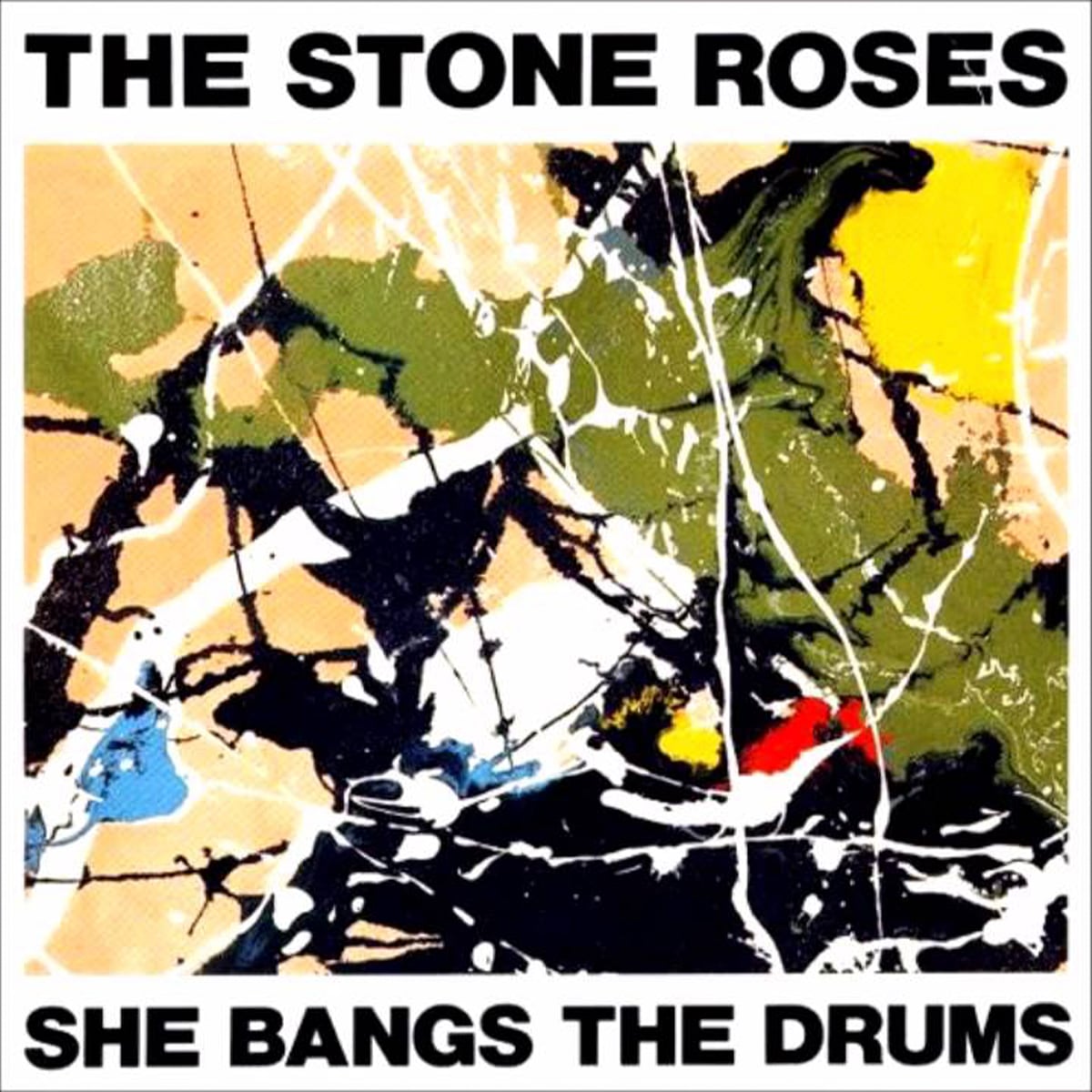
In a league entirely of their own, The Stone Roses’ sound was all over the Britpop scene, even if the band themselves spent the majority of that period enmeshed in lengthy legal proceedings. Uniting the sounds of Manchester’s acid house revolution with their indie rock sensibilities and a healthy appreciation of 1960s psychedelia, the Ian Brown-fronted group fostered a sound like no other and left a countless array of young bands trying anything to replicate the same infectious energy.
‘She Bangs The Drums’, in particular, is awash with the influence of the 1960s rock and pop that Britpop constantly harked back to, while also acting as a perfect encapsulation of the Roses’ distinctive output. It has everything: inspiring optimism, catchy hooks, and the kind of edge that could only have arisen from their formative experiences in 1980s Manchester.
You only need to listen to Oasis’ early demo recordings, like ‘Take Me’, to realise the fact that virtually every Britpop outfit was, at one point or another, doing a bad impression of The Stone Roses.
