


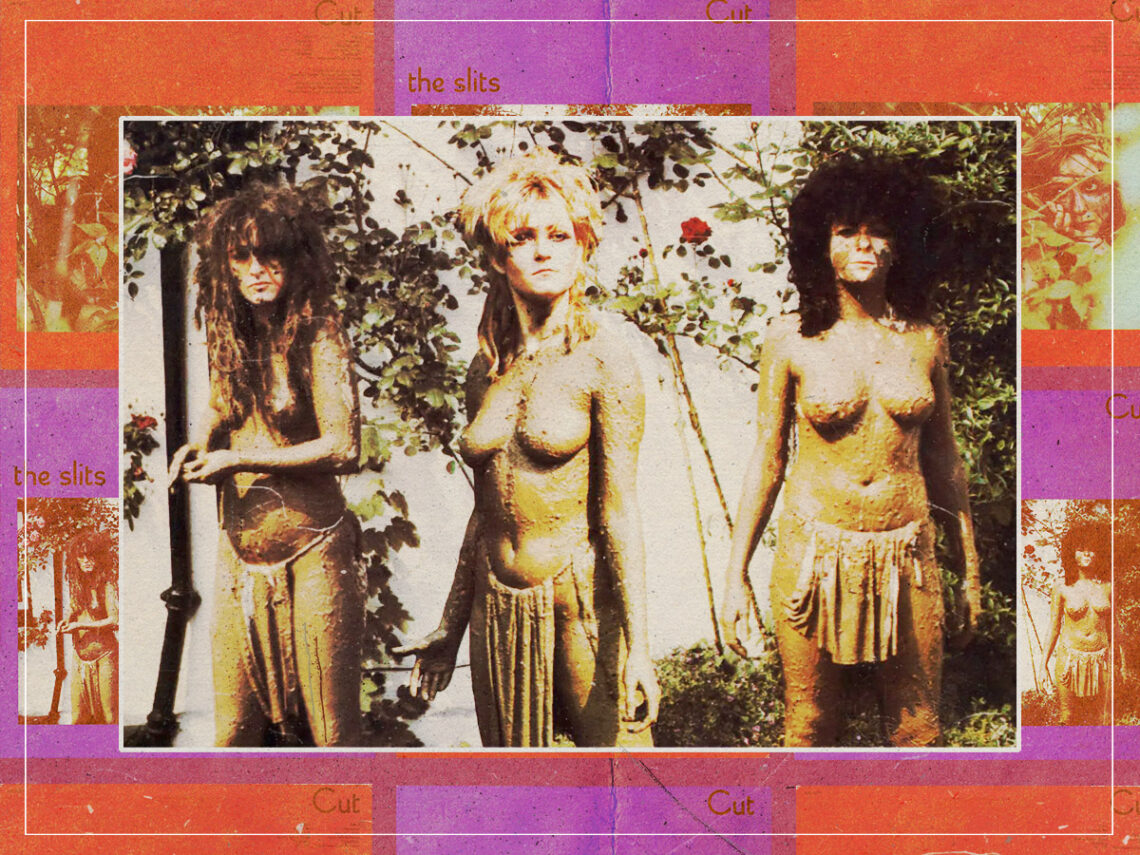
How The Slits out-punked the punks and became icons

When the word ‘punk’ is brought up in music discussion, you tend to think about the rebelliousness of acts like the Sex Pistols and the stir that they caused in the UK press during their short-lived existence.
Given its raucous presentation, people were shocked and appalled by them just as much as others were enamoured by this radically different approach to combining music and image. While musically, nothing was any more aggressive than the metal movement which had come before it, they were definitely more confrontational and deliberate in how they tried to cause commotion with all of their antics and public personas.
But for all of this, was it actually as subversive as they thought, and were there far stronger representations of punk just slightly further underground? Around the corner from them was a multinational group of four women adopting the punk ethos to a far greater extent, being even more radical in their presentation, and creating a style of music that wasn’t necessarily confrontational, but considerably more creative and challenging.
The Slits were founded in 1976 by German-born vocalist Ariane Forster, better known as Ari Up, and Spanish drummer Paloma Romero, known by her stage name of Palmolive. While they played alongside various other musicians in the early days of the group, they would quickly recruit two other key members in Viv Albertine and Tessa Pollitt, on guitar and bass, and their mission to subvert expectations would soon be on its way.
While they didn’t release their debut album, Cut, until 1979, by which time Romero had already left the band, it was evident from this that they were tapping into something so far removed from their contemporaries with its fusion of post-punk, dub and art pop sensibilities. Even though it lacked the aggression of many of the male-fronted acts in terms of its musical elements, the entire essence of the band was built around the idea of rebellion, and the earliest years of the group were characterised by shocking audiences to a far greater extent than their male counterparts.
It was in 1977, barely a year after they first formed, that The Slits made perhaps their biggest impact on the world of punk, putting the posturing and faux-rebel antics of the more established acts to shame when they were invited to perform on the White Riot tour alongside The Clash, The Jam, The Buzzcocks and Subway Sect. According to Albertine and Pollitt in a 2009 interview with Loud and Quiet, nobody was quite ready for the hell they’d unleash on the rest of their touring partners.
“We were like the massive rebels of the tour,” Albertine recalled. “The way we looked was much more unusual or far out than the guys, because by now people were used to rock and roll looking guys, but girls in fetish wear, with their t-shirts slashed, hair standing a mile on end and in Doctor Martin boots? They couldn’t stand it.” Further recalling how they were asked to stay in their rooms at hotels and having to beg their driver to stay on the tour, it was clear that something about their fearless feminine presence was intimidating to others.
Pollitt’s recollections seem to echo this sentiment. “I can’t really think of anyone like us before,” she argued. “I think because we were women it was even more threatening because of the way we looked. Especially when we were going out of London it seemed to cause even more shock. I think we got thrown out of one hotel because I had The Slits graffiti-ed on the side of my case. I suppose you have to look at what it followed, the whole ’60s apathy thing and the fact that it was a movement, it wasn’t just one group. Something had to break at that period.”
While they’re not a household name in the same way that The Clash or the Sex Pistols are, there’s no denying that The Slits were not just one of the most important punk acts of the original wave, but absolute trailblazers who broke down barriers in a genre that was supposedly designed to not have them in place. Frankly, you can’t get more rebellious than that.
