


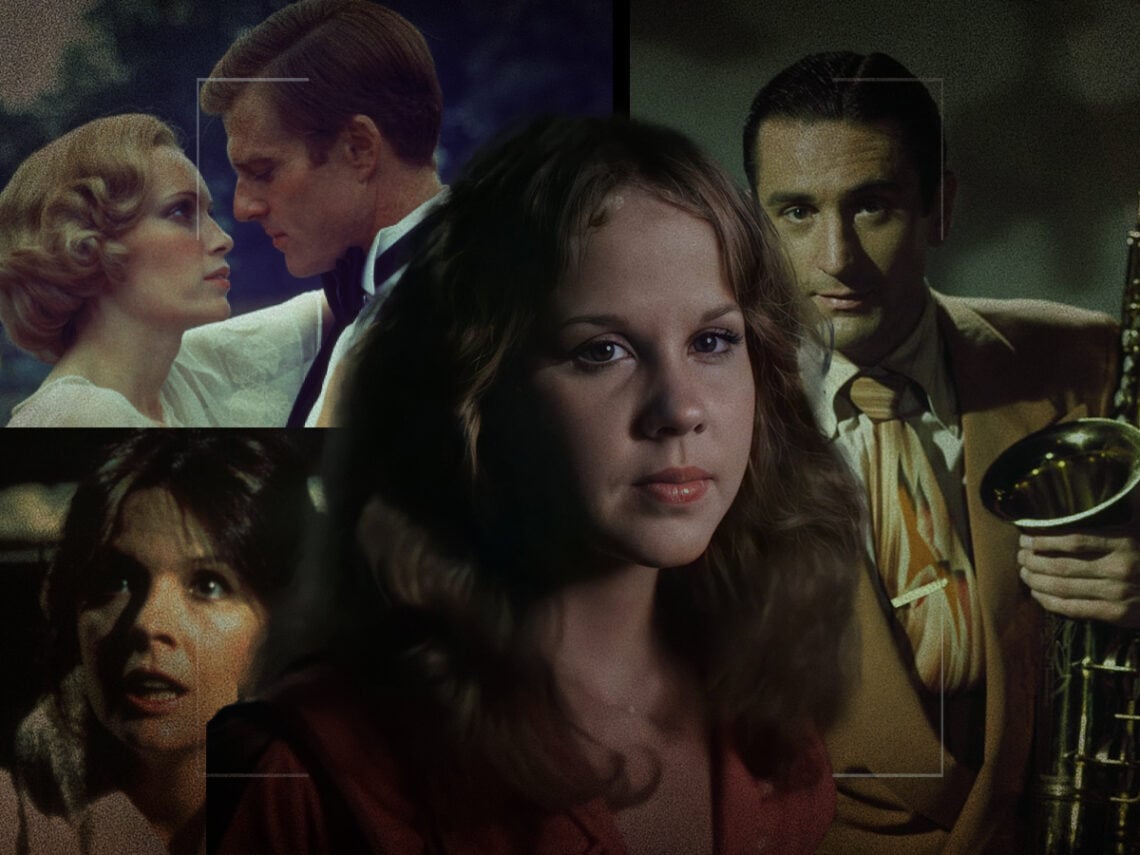
The 10 most pretentious movies of the 1970s

The 1970s were the most ambitious decade in cinematic history, but not all of those lofty goals were well-founded.
The word ‘pretentious’ can be overused, as it has become a favourite adjective among extremely dedicated fans of certain properties who accuse pundits and critics of not understanding something that they cherish. It’s also been used to describe certain filmmakers who dare to make something outside of the mainstream.
It’s particularly odd that pretension has been ascribed to filmmakers like Christopher Nolan and Steven Spielberg, who generally make very accessible, mainstream films aimed at broad audiences. Although it can be mischaracterised to describe anything that shows ambition or artistic ambiguity, pretension certainly exists in the entertainment industry, and it would be impossible to deny that. Some filmmakers have such wild expectations for how their work should be perceived and received that it can be all the more ridiculous when they prove to be shallow.
The ‘70s were undoubtedly the greatest decade in American film history, but they’ve also been memorialised with rose-tinted glasses, so while it is true that there was a tremendous amount of creative freedom granted to directors who wanted to make something challenging on a massive canvas, not every filmmaker had the talent of Francis Ford Coppola, Martin Scorsese, Roman Polanski, or Alan J Pakula.
Many of them aimed to be something greater without having the precision to feel sincere, and challenge the popular notion that the average ‘70s film was infinitely superior to anything released recently. These films aren’t guilty pleasures, as they’re so high on their own supply that they can’t even be enjoyed in an ironic sense.
10 of the most pretentious movies of the 1970s
‘Kotch’ (Jack Lemmon, 1971)
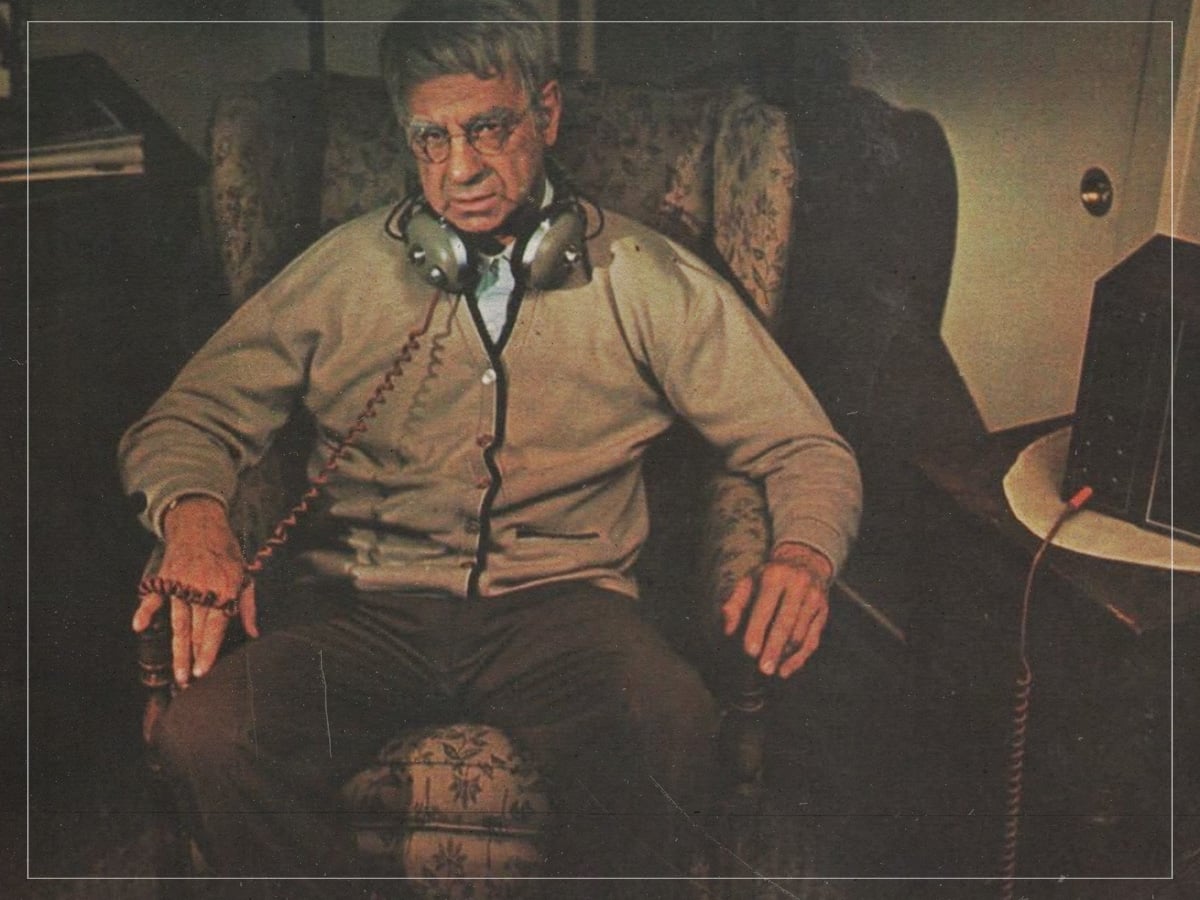
While a bad horror or action film can be inadvertently entertaining in a ‘so bad it’s good’ way, a bad comedy is just unpleasant. Kotch is a film that should have been a light-hearted film about familial connection, but Jack Lemmon’s direction is vastly inferior to the many great filmmakers he had worked with. Lemmon and Walter Matthau were frequent screen partners, which makes it all the more unusual that the former wasn’t able to direct the latter to a better performance.
Kotch tries to make commentary on everything from women’s rights to economic instability, and it comes off as out-of-touch musings by privileged Hollywood elites. Matthau was a much better comic actor when he made films that were genuinely heartfelt without obsessing over their own importance, such as when he did The Bad News Bears only five years later.
‘Last Embrace’ (Jonathan Demme, 1979)
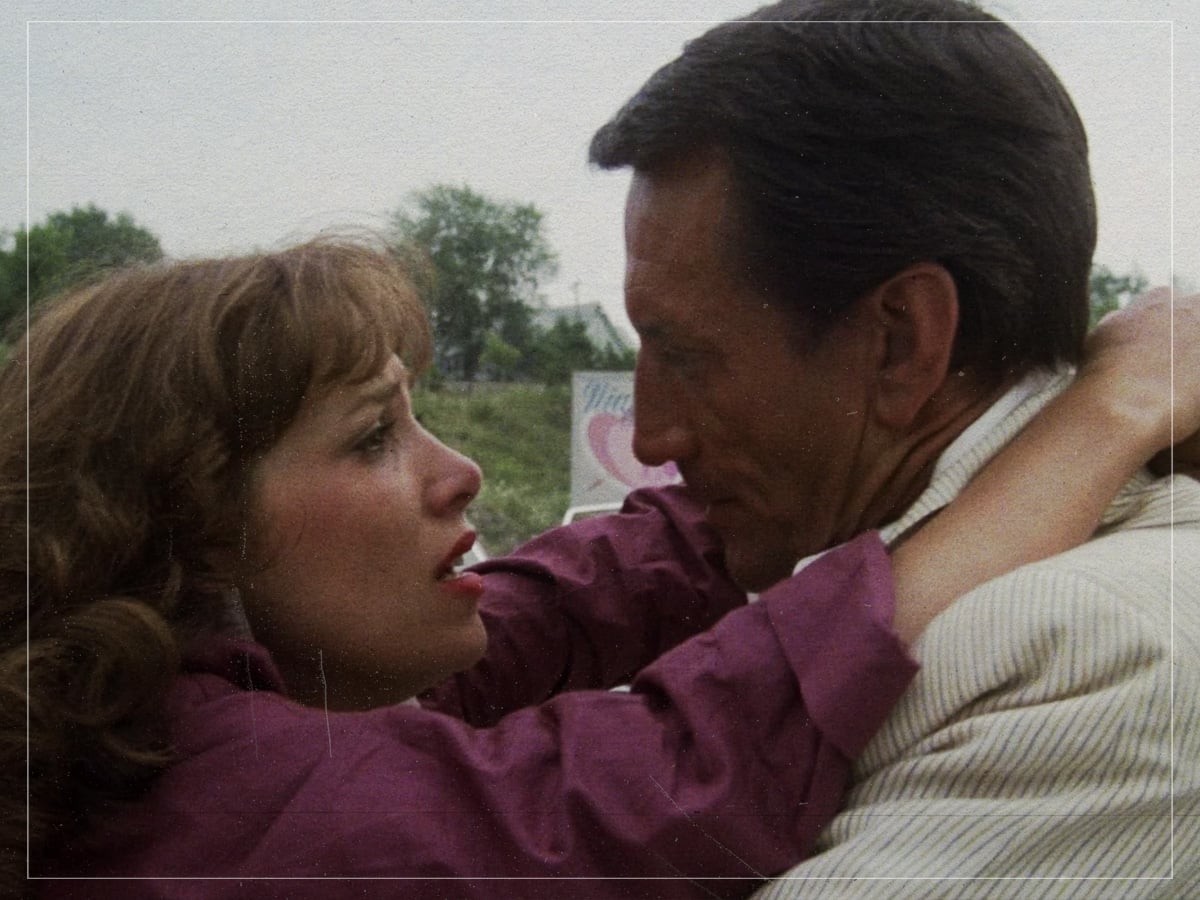
Jonathan Demme was a brilliant filmmaker who was known for his humanist approach, as he understood how to generate emotional sincerity from his stars. Demme’s talents for realism made up for the fact that he was never much of an action filmmaker, as it was often his genre films that were his least successful. Last Embrace is a twisty spy thriller that would have been perfectly suited for someone like John Frankenheimer or Walter Hill to direct, but Demme’s unusual staging choices and overcomplicated conspiracy obsessions make the film virtually incomprehensible.
Even though Demme was working with a lower budget, he had already proven that he could do something inventive while working with limitations, given the films that he directed for Roger Corman. When not even Roy Scheider at the height of his stardom was enough to save a film, it’s a massive problem.
‘Love Story’ (Arthur Hiller, 1970)
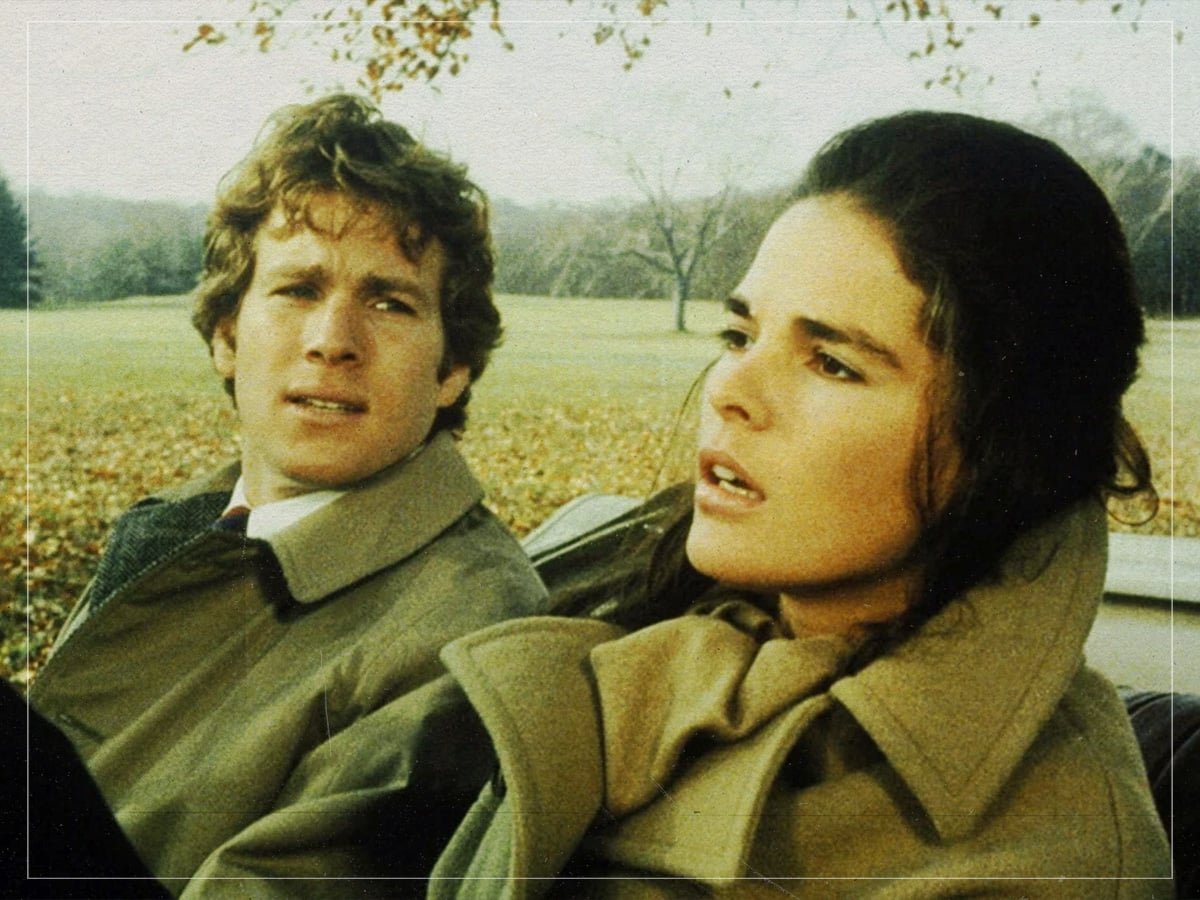
Ryan O’Neal and Ali McGraw make for one of the most insufferable couples in cinematic history in Love Story, the highest-grossing film of 1970. While it is easy to poke holes in older romantic dramas for being outdated, Love Story was regressive in its time; just look at the screwball comedies and melodramas of the ‘30s and ‘40s for much healthier takes on marriage and dating. While McGraw does her best with the material, O’Neal is a black hole of charisma.
Love Story thinks that it’s saying something profound about class dimensions, but it offers little insight about the actual struggles of working-class people, and while it might be the original romantic drama about a terminal illness, which led to a trend capitalised on by hack authors like Nicholas Sparks, even after 56 years, the tagline “love means never having to say you’re sorry” is just as harmful.
‘Exorcist II: The Heretic’ (John Boorman, 1977)
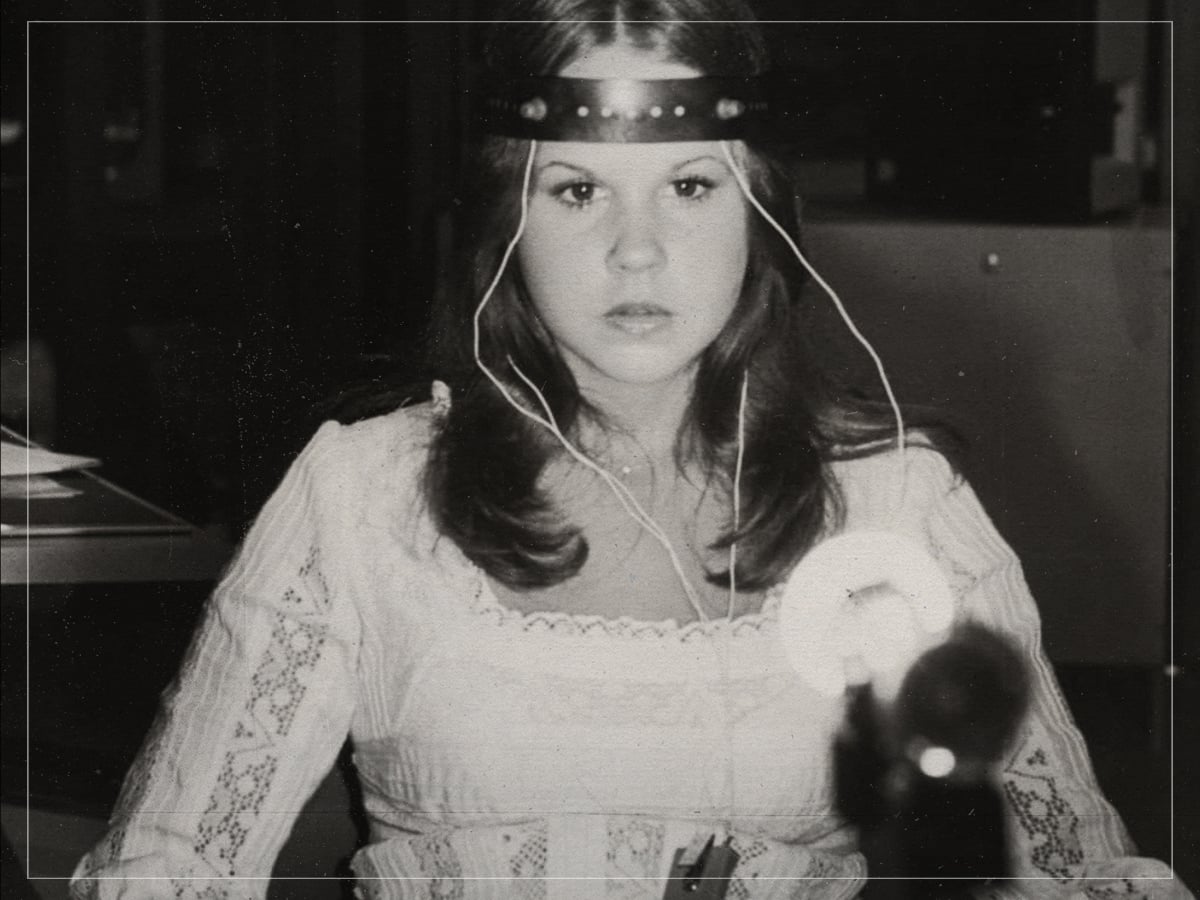
The Exorcist was a phenomenon in 1973, and it worked because it told a confined, claustrophobic story about the terror of watching a child slip away. Naturally, a sequel was guaranteed, even if William Friedkin had no interest in directing it, and while John Boorman is a great filmmaker who has made masterpieces like Deliverance and Excalibur, he overthought Exorcist II: The Heretic, which became a globetrotting adventure that packed a dense amount of mythology into a convoluted script that was impossible to follow.
It was such a misguided sequel that no one hated it more than Friedkin, who took the opportunity to make fun of the film every chance he got. The pretentious nature of Exorcist II was so immense that it took over a decade for the third film in the series, The Exorcist III, to redeem the franchise by resuming a tone closer to the original.
‘Looking for Mr Goodbar’ (Richard Brooks, 1977)
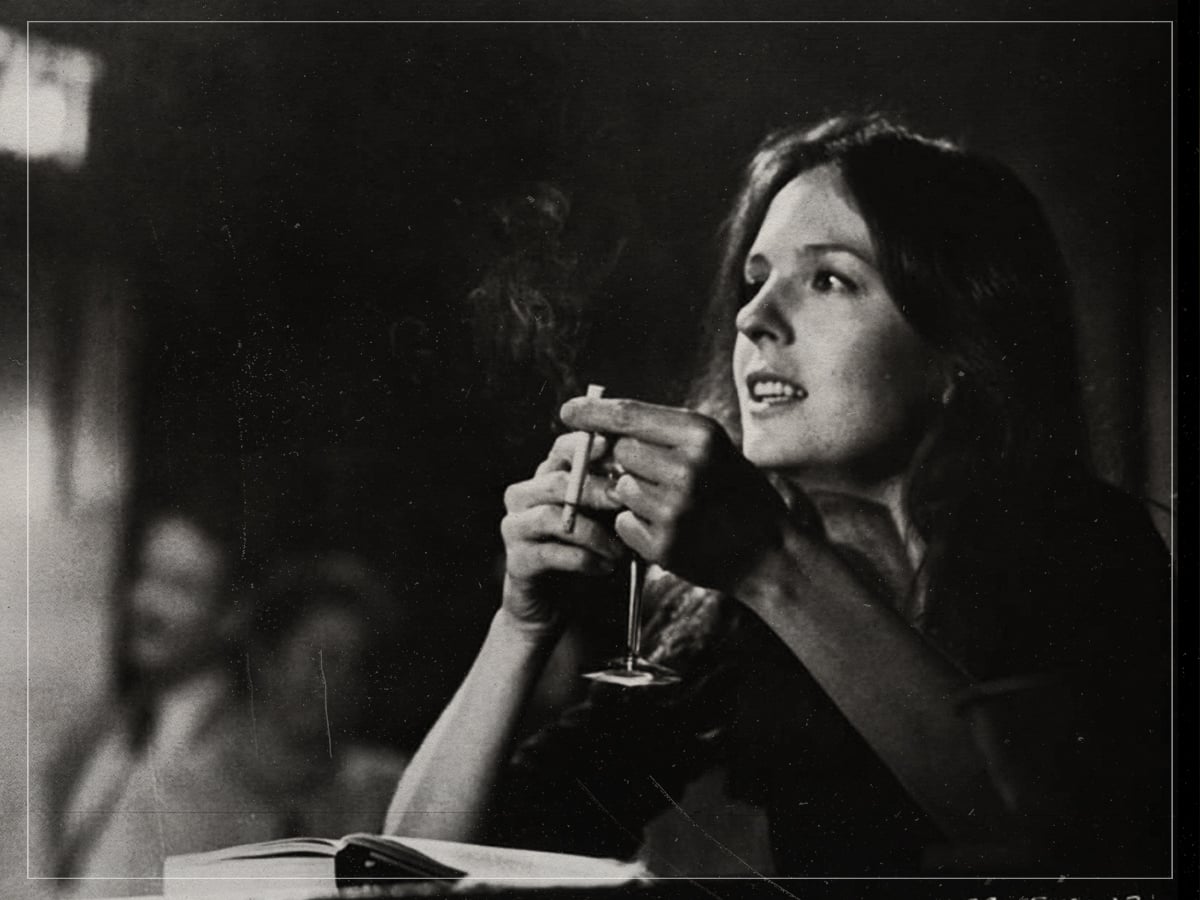
Diane Keaton gave one of the most iconic performances of all time in 1977 when she starred in Annie Hall, which makes it easy to forget that she appeared in a bizarre psychological drama the same year, Looking for Mr Goodbar, which was intended to be a frank exploration of sexual liberation and experimentation, but its relentlessly caustic, cacophonic style is far more exasperating than it is revelatory, making it a pale imitation of the better films about the same subject released the same decade.
Just look to Carnal Knowledge for a film that is sharp, funny, and emotionally resonant, and doesn’t rely on shocking interludes or bizarre flashbacks to desensitise the viewers, and while it is admirable that Keaton tried to do something more serious, as her performance is easily the best thing about the film, it’s not surprising that she mostly did comedies for the rest of her career.
‘The Great Gatsby’ (Jack Clayton, 1974)
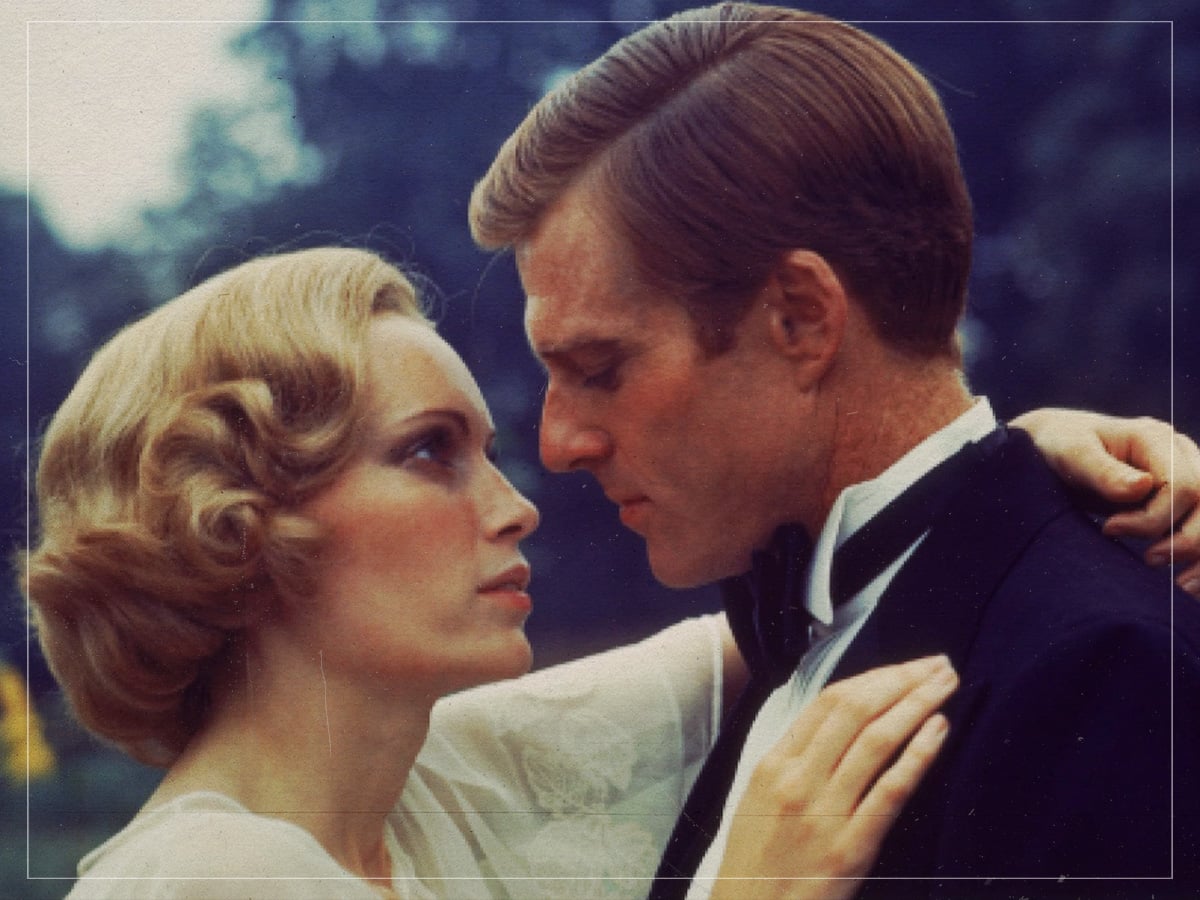
The Great Gatsby is a classic novel that many filmmakers have attempted to bring to the big screen, and there has yet to be a definitive adaptation. While Baz Luhrmann’s 2013 film caught some criticism for its use of modern music, it’s nowhere near as unengaging as the 1974 film from Jack Clayton, which is devoid of any of the energy and excitement of the novel and seems to conflate emotional distance with gravity.
Despite being one of the most charismatic movie stars ever to grace the screen, Robert Redford feels far too buttoned-up and formal to play the titular role, while Mia Farrow’s performance as Daisy is far too fleeting, and Sam Waterson’s Nick Carraway makes one of literature’s dullest characters even more boring. Although Bruce Dern’s Tom is far too much of a moustache-twirling villain for what Clayton was going for, he might have been the only actor to understand what the tone should have been.
‘Hanover Street’ (Peter Hyams, 1979)
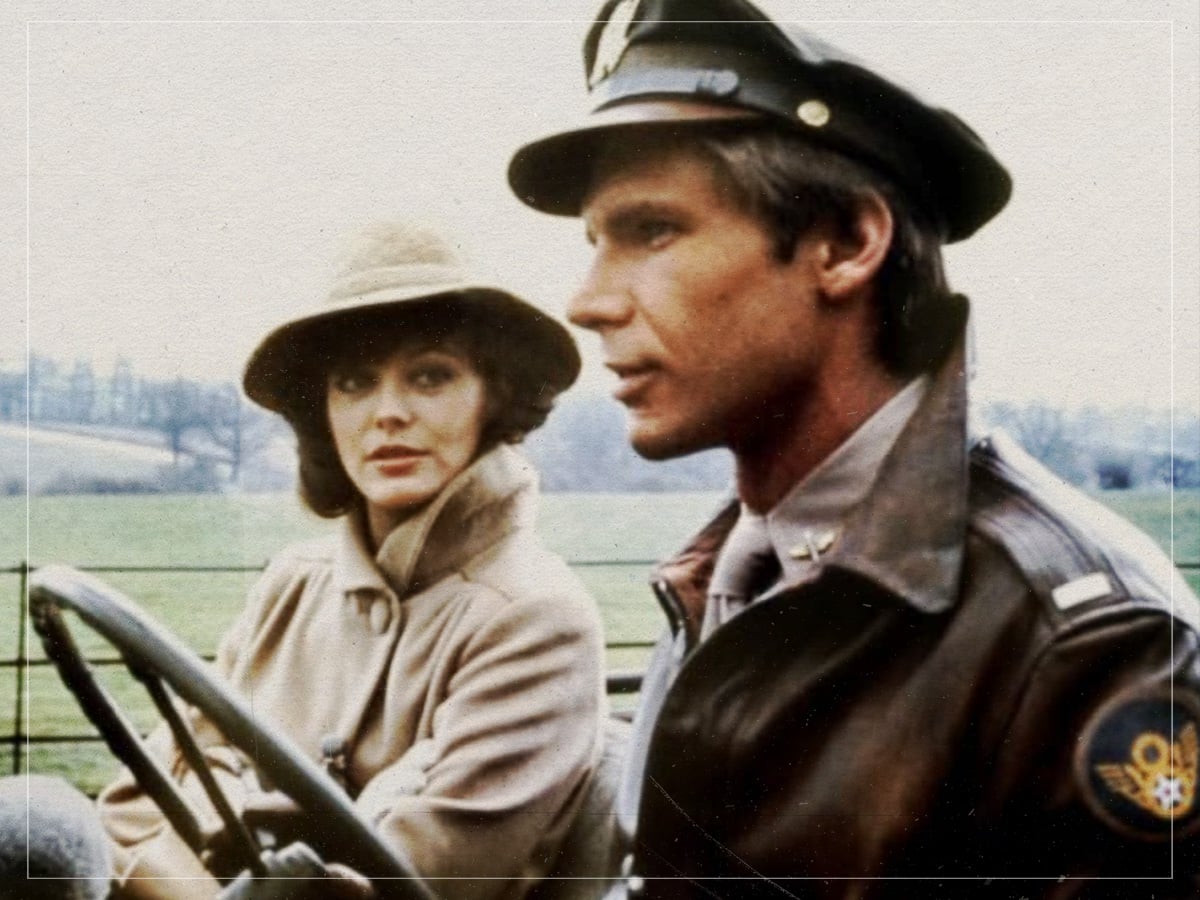
Harrison Ford became such an overnight sensation with Star Wars that he quickly got offered a number of opportunities in the years before The Empire Strikes Back and Raiders of the Lost Ark solidified him as the coolest actor on the planet, leading him to Hanover Street, which was intended to be an old-fashioned melodrama that paid tribute to the World War II films released during the era, but its pacing is so glacial that there is never a sense of urgency.
The best that can be said about the film is that Ford delivers a reliably great performance, which is impressive because he replaced Kris Kristofferson at the last minute, and while Peter Hyams is one of the most underrated directors ever, he has a much better eye for genre films, as evidenced in 2010: The Year We Made Contact and Timecop, which involved greater momentum.
‘New York, New York’ (Martin Scorsese, 1977)
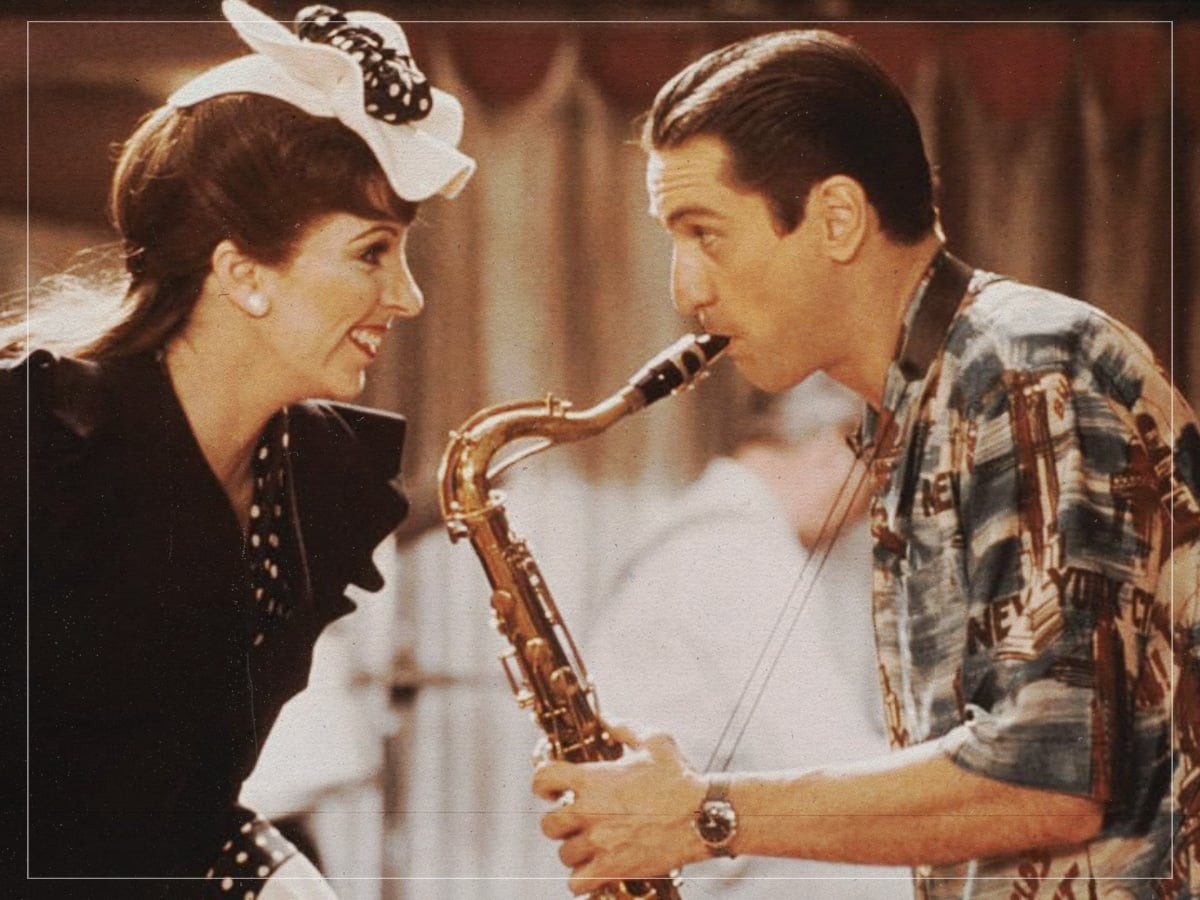
Martin Scorsese is known for making long movies, but somehow the 155 minutes of New York, New York feel longer than Killers of the Flower Moon, The Irishman, and Casino, combined, all of which were well over three hours in length.
New York, New York offers up a story about the difficult path to a rags-to-riches stardom that had already been well-documented in many other films about the industry, suffering also from being released only a year after the remake of A Star is Born, and while Liza Minnelli and Robert De Niro are always compelling to watch, the story is downbeat without deviation, and meanders its way through years of quarrels that reiterate the same point. Scorsese has made more masterpieces than nearly any other living filmmaker, but New York, New York suggested that the musical was one genre that he wasn’t suited for.
‘Born to Win’ (Ivan Passer, 1971)
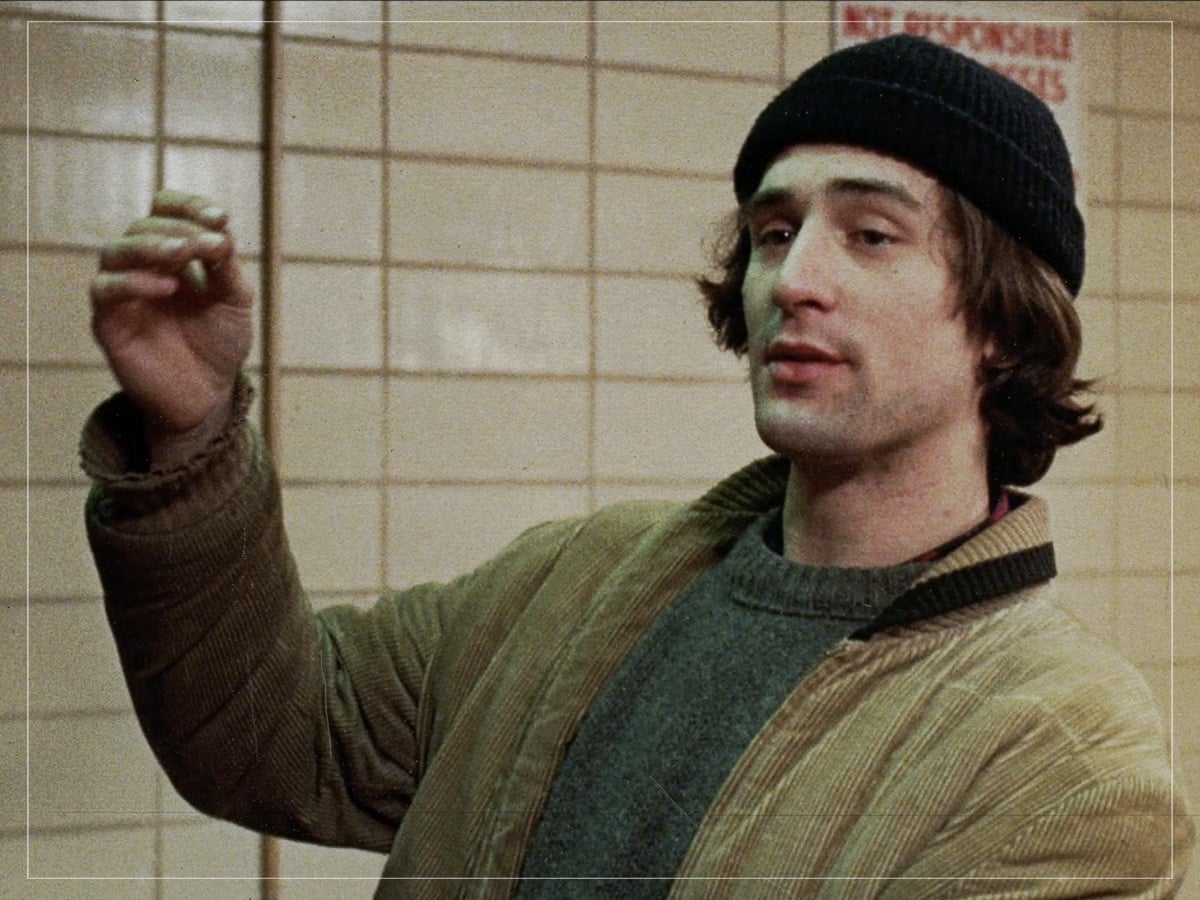
Drug addiction was a major topic of discussion in the ‘70s, and the opening up of the MPAA guidelines guaranteed that filmmakers had more freedom to get explicit and actually name the substances being used; the Frank Sinatra vehicle The Man with the Golden Arm famously couldn’t actually identify the use of heroin. While 1971 saw the release of one of the all-time great addiction films with The Panic in Needle Park, it also featured Ivan Passer’s Born to Win, an oddly-pitched crime thriller with a misguided, melodramatic lead performance from George Segal.
Born to Win felt closer to a PSA than a psychological drama, as it tried to recapture a vision of the gritty underbelly of New York that had already been perfectly executed in Midnight Cowboy two years prior. Other than an early part for Robert De Niro, there’s nothing in Born to Win worth revisiting.
‘The Wiz’ (Sidney Lumet, 1978)
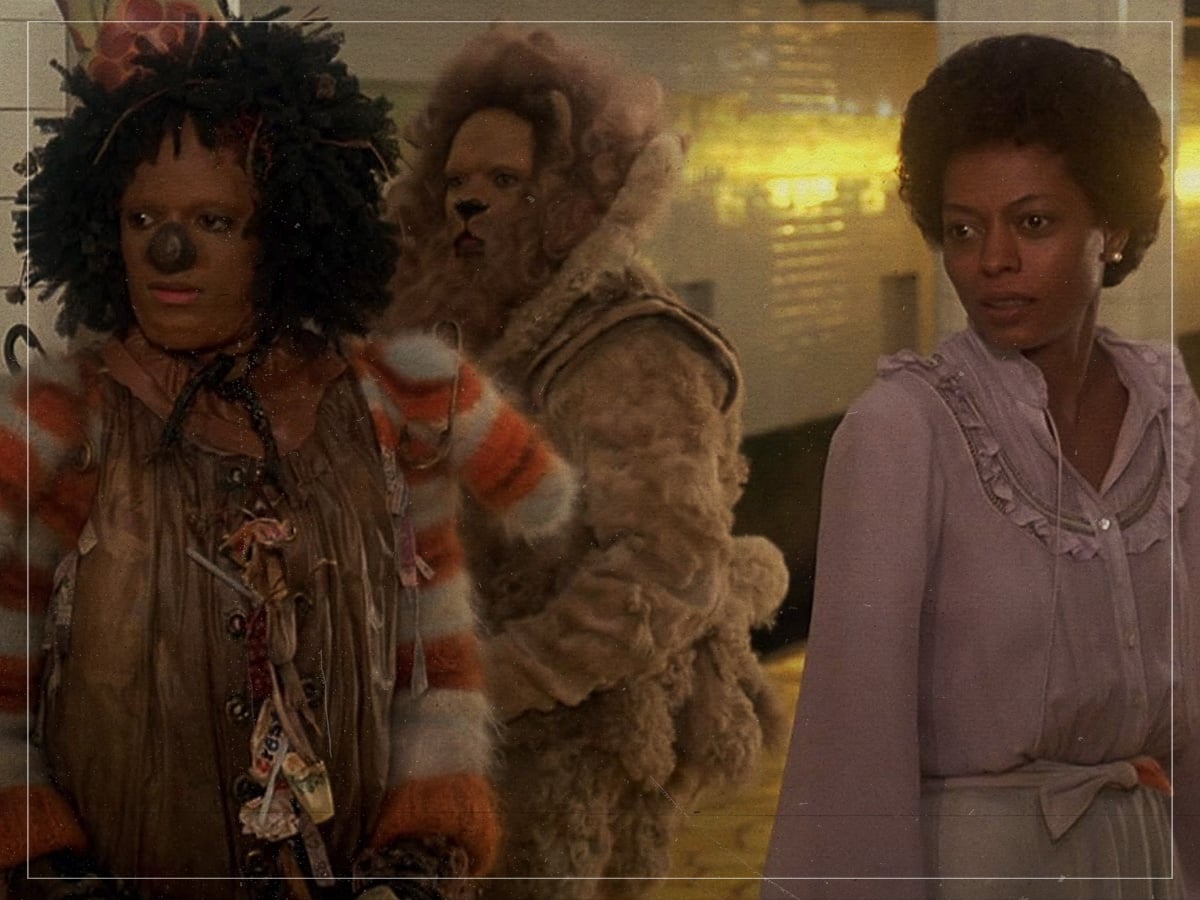
The consequence of 1939’s The Wizard of Oz being one of the greatest films ever made is that every subsequent attempt to approach the source material has fallen flat. While 1982’s Return to Oz can be defended as an interesting experiment, Sidney Lumet almost immediately apologised for his attempt to translate the complex Broadway musical to the big screen, calling it “a disaster”.
Lumet tried to mould his vision of Oz out of real New York settings, which only made the film feel non-committal, with the bracing seriousness of the scenes set in Harlem coming off as surprisingly amateurish, given that the 34-year-old Diana Ross was completely unbelievable as a 20-year-old schoolteacher. The biggest takeaways from The Wiz were that not every successful Broadway stage show was worth making into a film, and that Michael Jackson was still incredibly creepy back in 1978.
