


The 10 best Aurora songs

Norwegian singer-songwriter and producer Aurora crafts dreamscapes through songs that meditate on themes of mortality, love and the natural world, evoking a divine feeling.
However, beyond the gentler notes is also a darker undercurrent, a sort of soft-goth vision balancing the lighter and more sombre aspects.
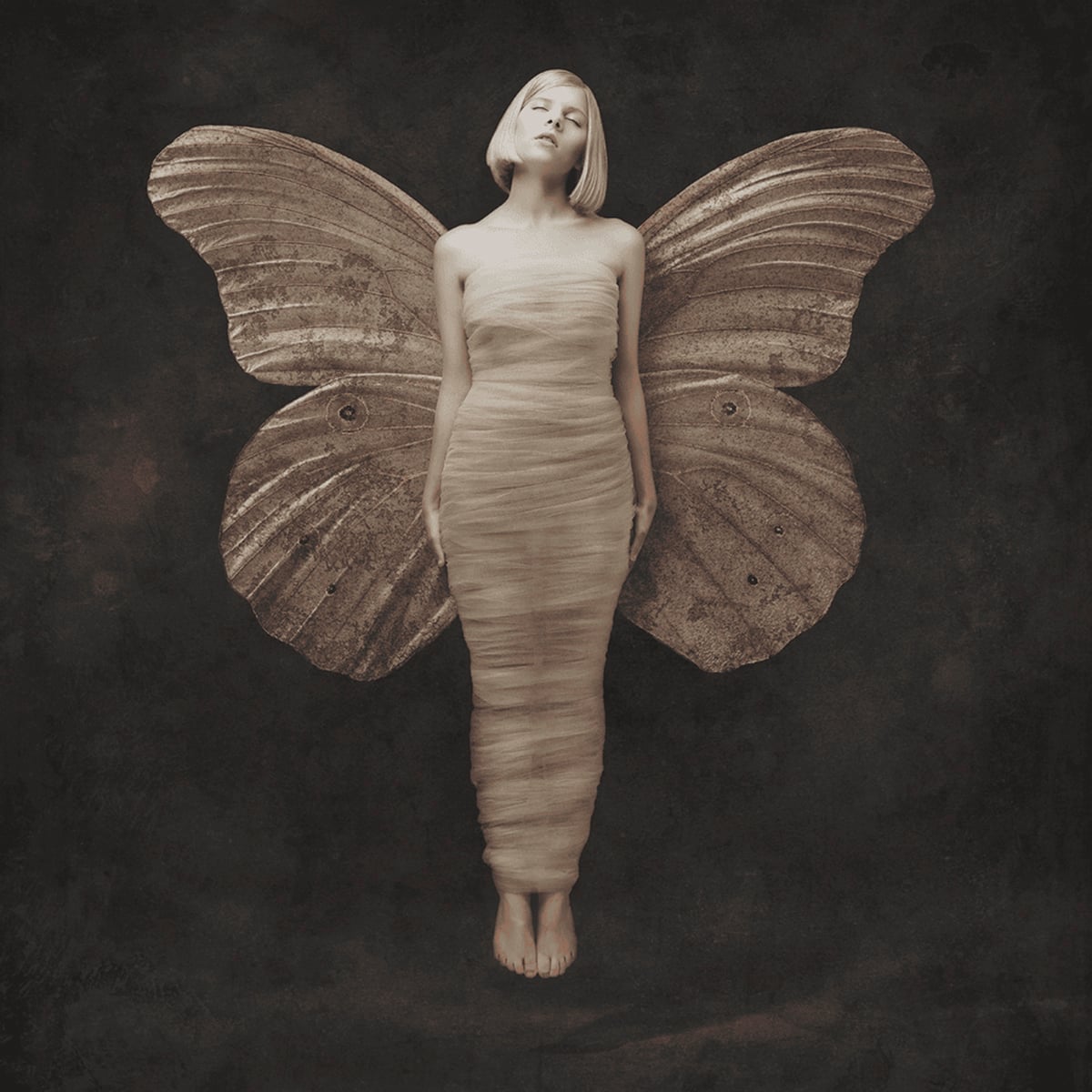
“When my management approached me in 2013, I didn’t really know what to think,” Aurora revealed to Buzzfeed, reflecting on the tenth anniversary of her debut album, 2016’s All My Demons Greeting Me as a Friend, “Back then, I wasn’t sure about my art becoming my work or being shared. I just enjoyed doing it for me, because it made me feel heavenly.”
For an overview of Aurora’s worldbuilding through music over the years, below are ten of her greatest compositions.
The 10 best Aurora songs
‘Blood In The Wine’
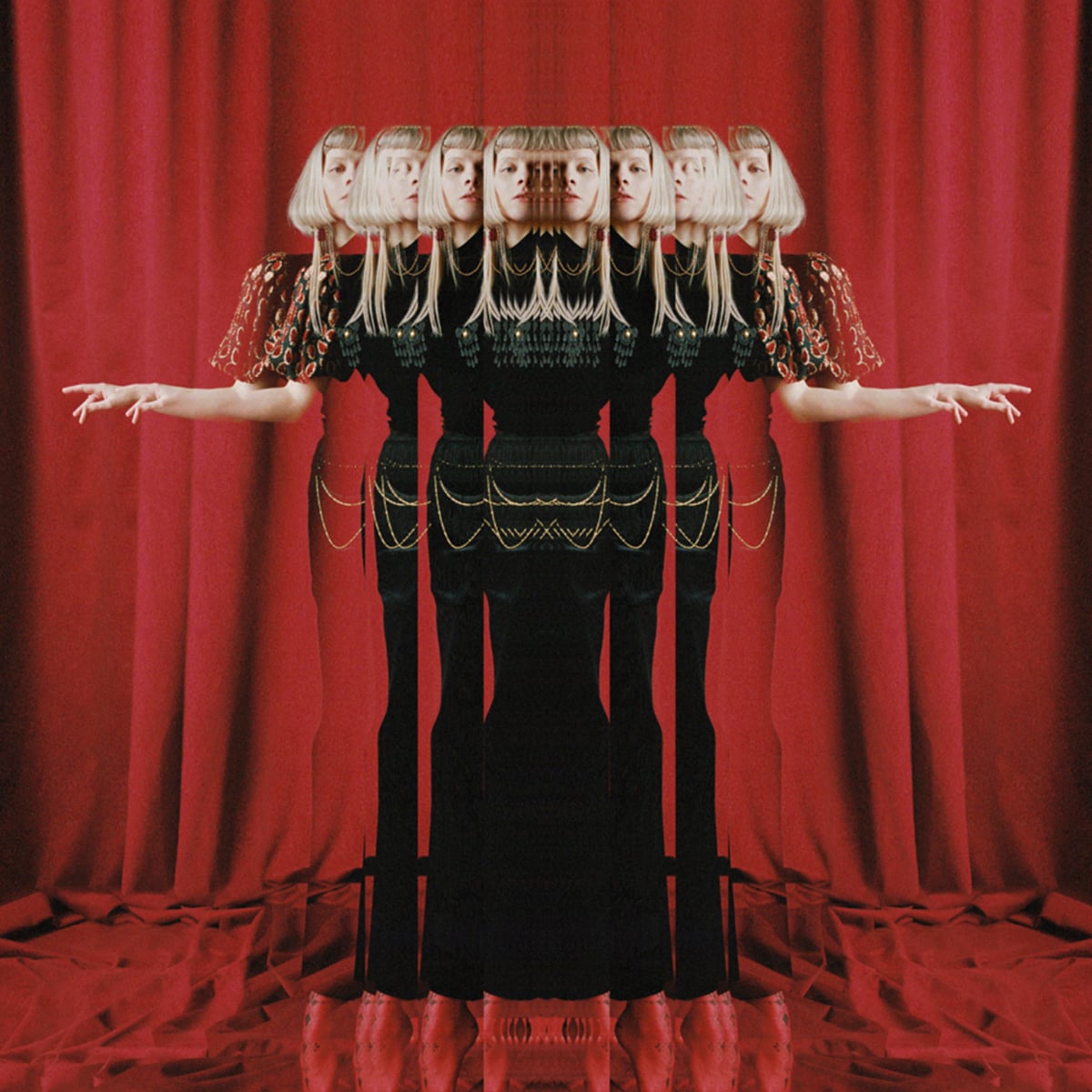
From Aurora’s 2022 album The Gods We Can Touch, ‘Blood In The Wine’ opens with a dramatic cry, contemplating the balance of “a thirst for pleasure and war”, the duality of humans and the nuance that exists within.
The orchestrations are stunning, a cinematic feat of weighted percussion, bell chimes and operatic echoes that reverberate as though headed for a battle. During the writing process for this album, Aurora had read about the history of religion, and thematically, such histories became intrinsic to the compositions we hear, including on ‘Blood In The Wine’.
Coming to life in the composition of the song, there is an encouragement to be alive, to feel the sensations of emotions that may feel foreign or shameful and instead, reframe them as a sort of liberation: “Not a sinner,” Aurora declares, “she’s a lover”.
‘A Different Kind of Human’
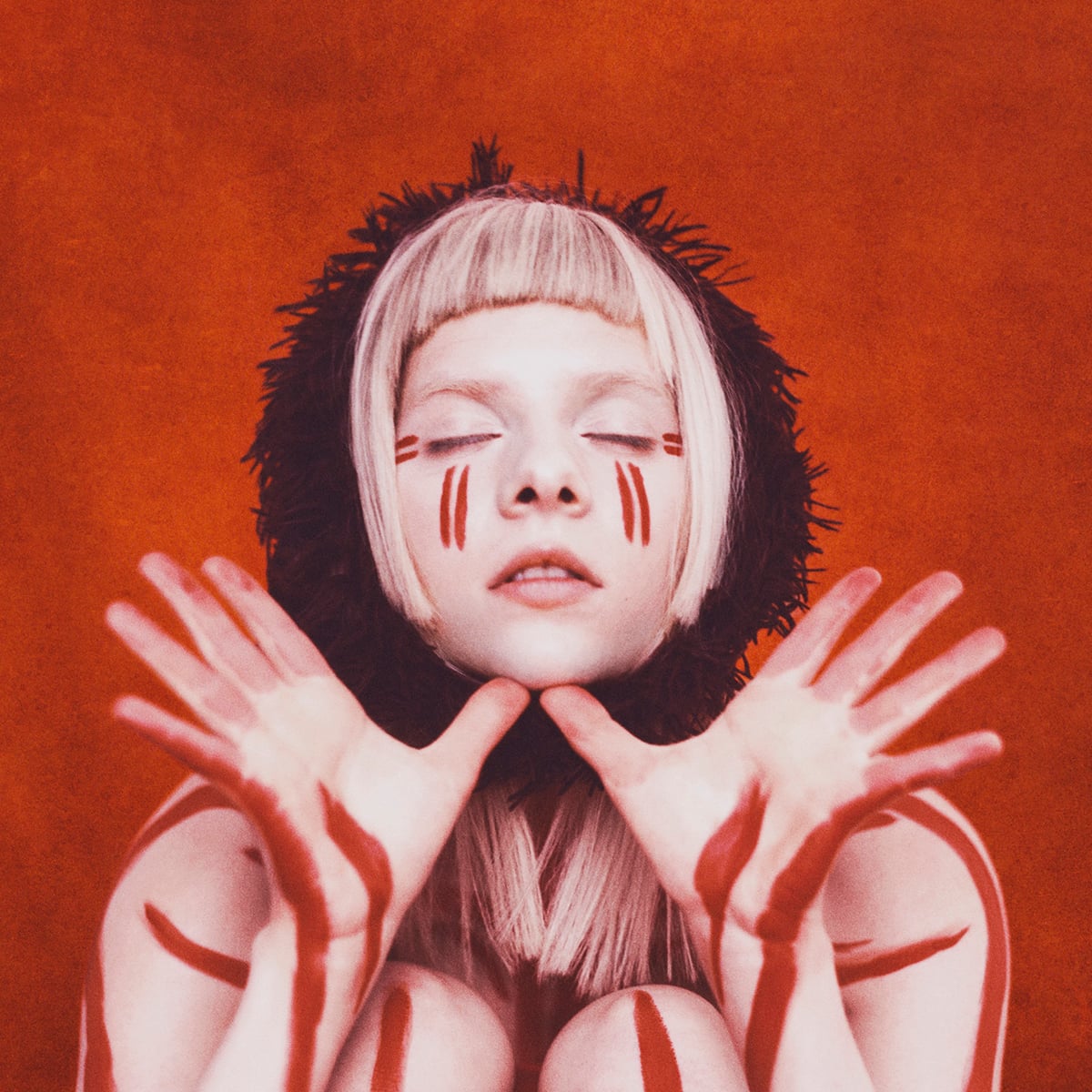
The title track from Aurora’s 2019 album, Step 2 of a two-chapter collection of songs, ‘A Different Kind of Human’, branches off from her debut in dedication to its title.
The song opens with a chorus of “Hello-s”, a welcoming tone for a message of openness and comfort. With gentle melodies, the sound of a ticking clock and fairy-like vocal echoes, for instance, there is, as with many of Aurora’s songs, a whimsicality that guides us into her world.
“I really wanted to make a song to help people cope with death and to cope with losing people they love,” Aurora told Bandwagon of the song’s intention, crafting a story of creatures that arrive on Earth to look after a human who is dying. In this song, there is no underlying darkness; rather, it is an escape from it, and we’re offered a peaceful melody that acts as a safe place.
‘Some Type of Skin’

One of the lead singles from Aurora’s most recent album, 2024’s What Happened to the Heart?, ‘Some Type of Skin’ is an assemblage of strength in the face of ‘building’ skin, turning an urge to conform into a cry of freedom. “Should my heart reveal itself to be more than a muscle?” Aurora asks, “Or a fist covered in blood?”
Melodically, the song is bound to be one that leaps out of your speakers and into your bloodstream, tumbling percussion and synths join with Aurora’s wails of, “My god! It’s a lot”, screamed with a euphoric thrill. Indeed, it may be a lot to simply exist in the world, but Aurora’s song eases some of this burden.
‘Black Water Lilies’
‘Black Water Lilies’ was born from a dream that Aurora had, the melody lurking in the background. As she recounted to Indievidualist in 2016, the dream saw her grab an unknown hand and be pulled underwater, as she began floating down a river towards a magical, unknown place, after which she woke up from this world and immediately ran to her piano, writing the song.
Droning rhythms, coupled with light piano chimes, mimic the sensation of floating somewhere unknown, and while there could be a sense of danger coursing through the story, Aurora curates a sense of optimism, instead; if the thousand black water lilies symbolise some kind of magic that lies ahead, then she will embark on the journey, hoping for the best.
‘The Devil Is Human’
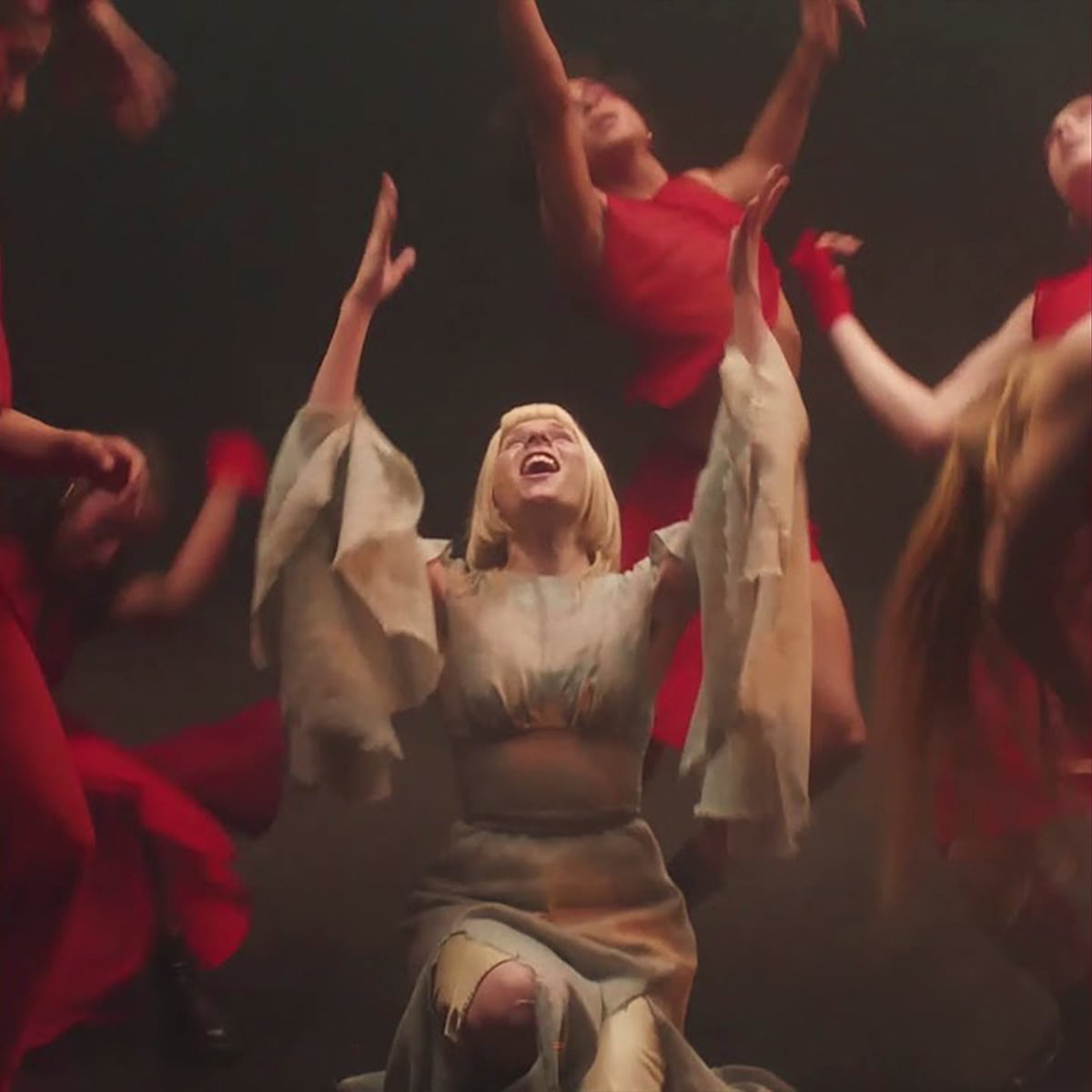
Initially released as a vinyl-exclusive track on The Gods We Can Touch, ‘The Devil Is Human’s story is one of reclamation, against unwarranted sexualisation and removal of autonomy from women, by men. Aurora takes the notion of a woman being a ‘devil’ for taking ownership of herself, her body, her freedom and her sexuality and places it in question: how far will people go in trying to burn the women who simply exist for themselves?
Over a trip-hop melody, Aurora sings of the mistreatment of women from the beginning of time, even invoking the biblical image of Eve: “Why did you give us hearts we don’t understand,” she asks, “Like an apple in our hand that you’ll never let us have?”
With further religious reference to the figure of the Father, asking for absolution from blame for simply living life as they see fit, Aurora speaks for the scores of women who have been and continue to be mistreated and misrepresented.
‘Running with the Wolves’
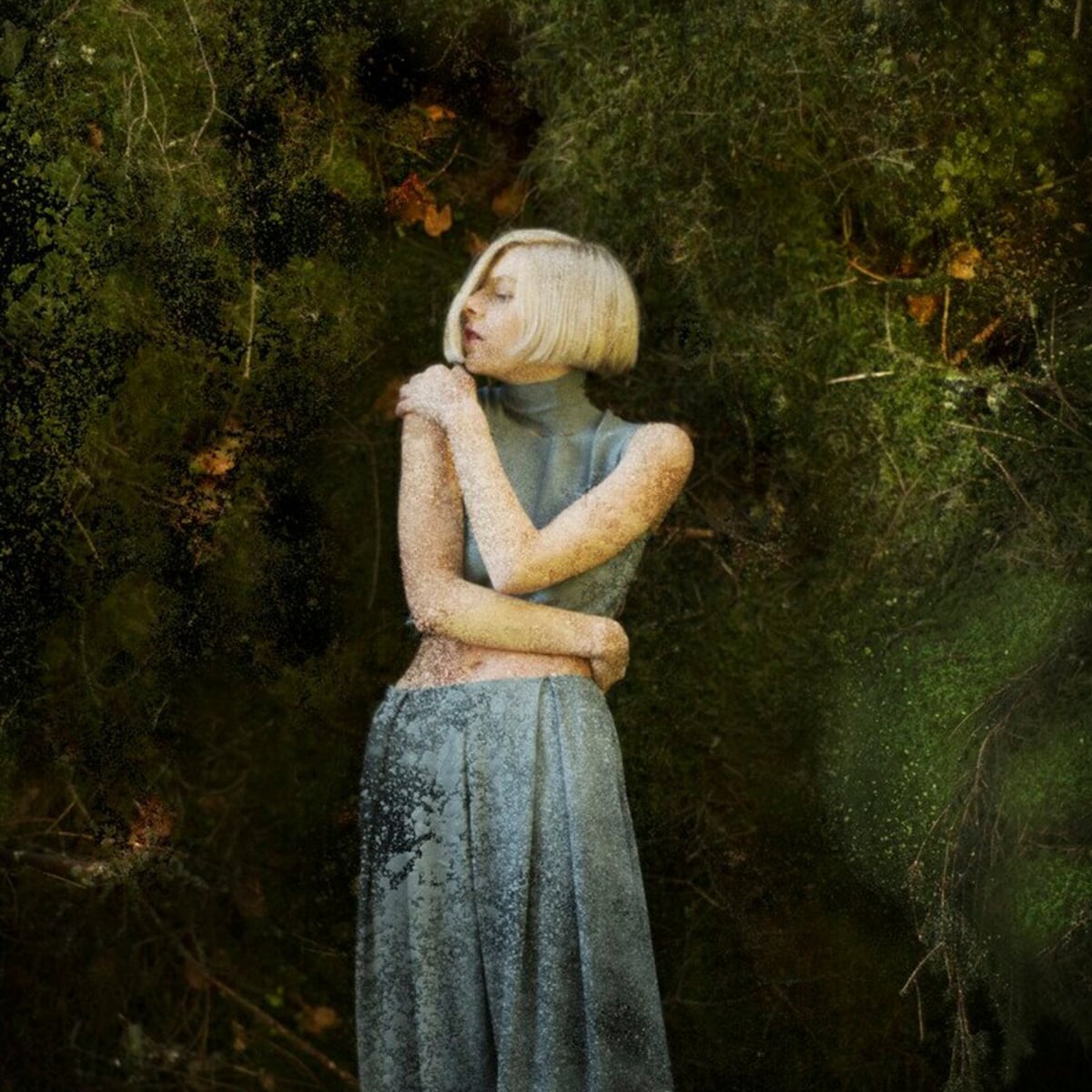
Aurora remembers that she began writing ‘Running with the Wolves’ when she was still a teenager, returning to it under a blood moon. There is an adventurous streak that courses through the song, not just through the drums that lead its way, but in its sentiment of freedom found in nature, following the moon’s path towards something unknown and exciting.
The song becomes a call to action, to succumb towards the urge to live life with a sort of reckless abandon, against the human condition to refrain from letting ourselves indulge, before time runs out for our chance to do so. “There’s blood on your lies,” Aurora warns, “The skies open wide / There is nowhere for you to hide”; under the moon, as she sees it, anything can happen.
‘Through the Eyes of a Child’
Many songs have attempted to capture a childlike spirit, with songwriters returning to their younger selves through melody and story to find a semblance of who they once were, and Aurora achieves this on ‘Through the Eyes of a Child’, a poignant reckoning with her child-self and with the world that once surrounded her, how it has changed and how it remains the same.
Aurora’s lens is that of a child’s perspective, as it is pure and shielded from the cruelty of reality, and, even when darkness creeps in, the eyes of a child restore a sense of faith. The song itself is quiet, with simple piano and strings guiding the story, leading to the crafting of a lullaby of haunting nostalgia.
‘The Seed’
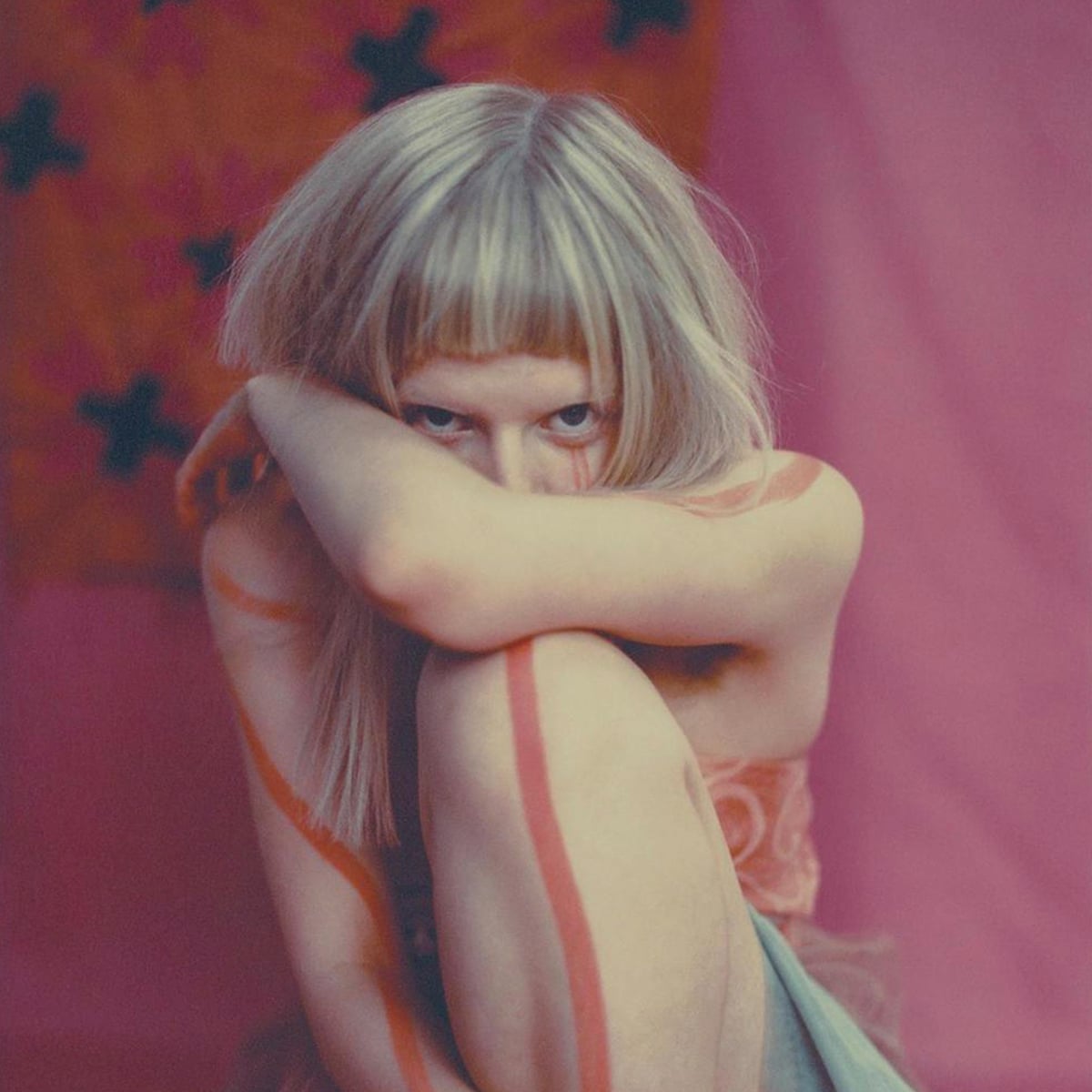
“Through dirt and shadow, I grow,” Aurora declares on ‘The Seed’, a song that is defiant with an undercurrent of rage, “I’m reaching light through the struggle”. Comparing her own path to one of a seed attempting to sprout, Aurora traces a story of pain and disillusion. Beginning with a gentle tone, the song builds into a synth-infused folk cry, becoming a call for protection, not just for herself, but also for the natural world.
‘The Seed’ is an empowering song, one that builds with every struggle and transforms these hindrances into forgiveness and strength, mirroring how nature persists while being both threatened and destroyed. Still, the chorus’ repeated echo of “You cannot eat money” reminds us that no superficial threat should ever supersede the power woven into the world that already surrounds us.
‘Starvation’
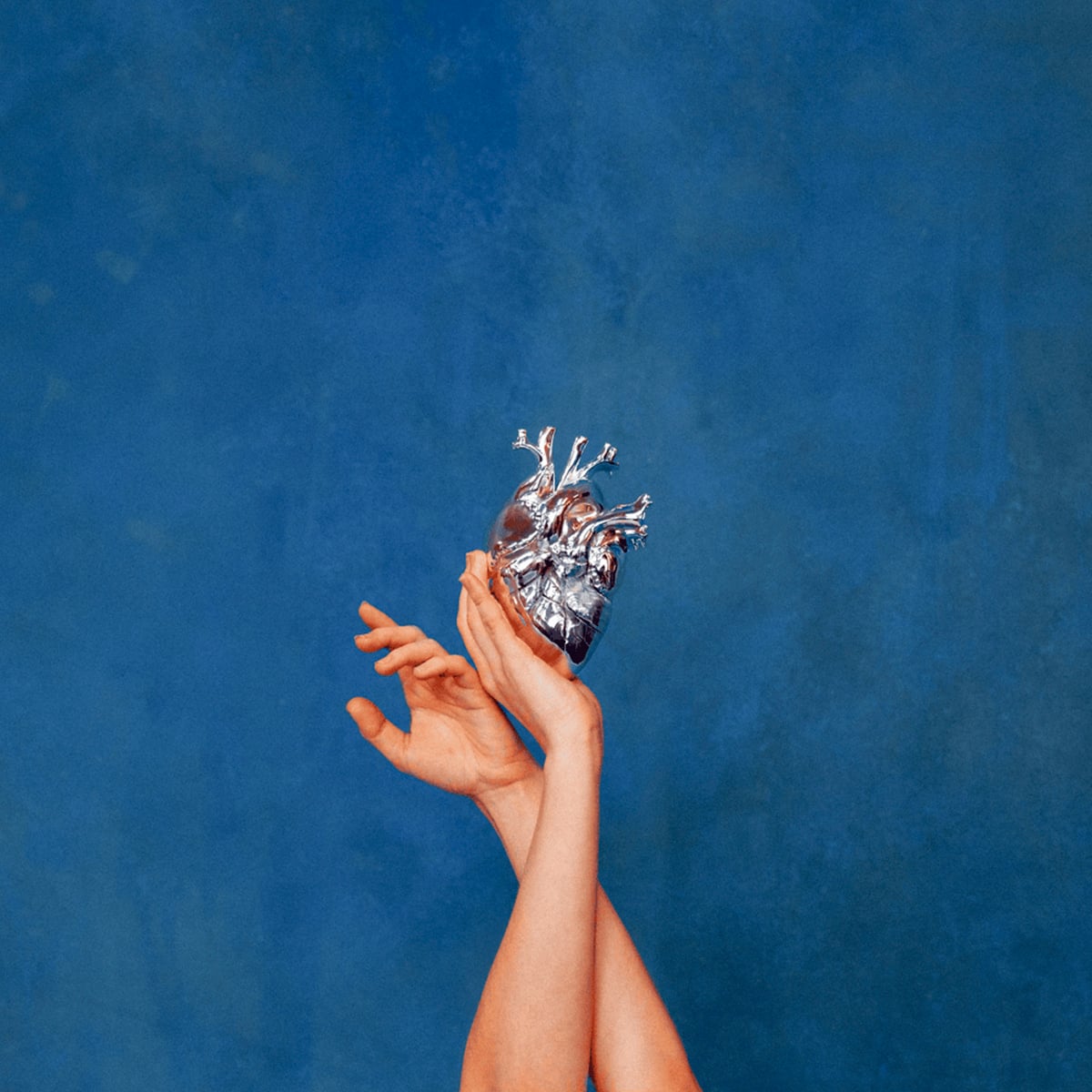
On ‘Starvation’, Aurora tackles the unfortunate state that the world has come to: souls that are starving for a sense of connection and a hope for change. “I sleep on the floor / Dreaming my life away,” she laments, questioning why death seems to be the only way for people to achieve “the light”, true peace and freedom. She rejects the transition from a tangible reality to a passive online one and longs for the days when human connection happened in real-time, not on a screen.
‘Starvation’ then sees the singer caught between two worlds, recognising the intrinsic, nearly-inescapable trap that the world has fashioned itself within, while determined to be released from it. Over electropop melodies, Aurora begins to find her escape, leading us along the way.
‘When The Dark Dresses Lightly’
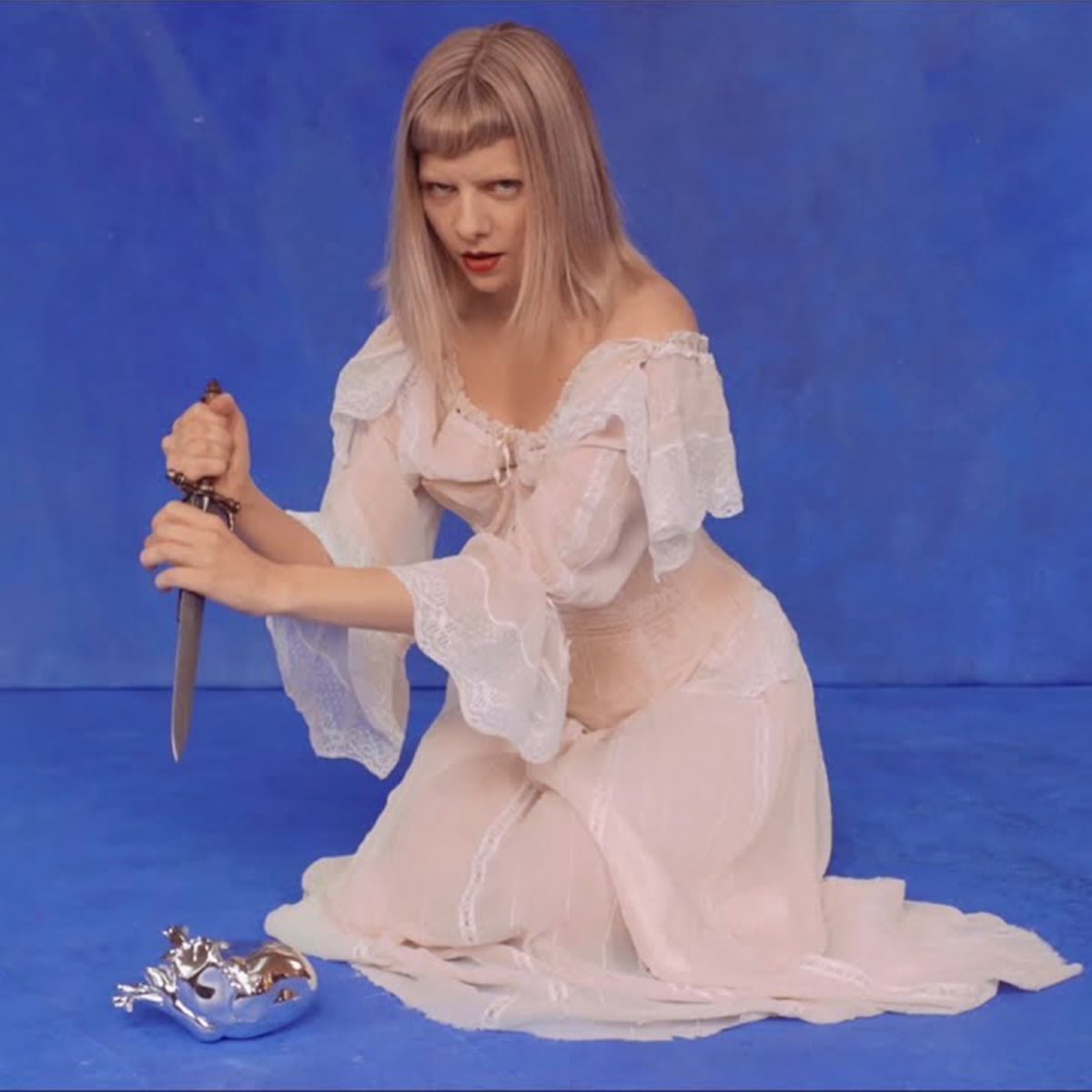
When writing ‘When The Dark Dresses Lightly’, Aurora imagined the heart and the mind as two distinct characters sitting at a table, sharing a drink as they stare into the faces of their shared problems. Where one may compel the other to think a certain way, she positions them as confronting their issues, spurred by the wine in their glasses. The song is a brilliant display of how a conversation can unfold, and what it means to reckon with problems (whether within oneself or between two people) when you feel pulled by two worlds.
As the beginnings of a synth-driven percussion build, Aurora considers, “Guess I shouldn’t have kept the knife in my heart for so long”. There is a blend of fear and adrenaline that pushes the song forward, building to the final confrontation in Aurora’s screams as pent-up frustrations reach their boiling point.
