


The revolution will be live: 10 protest songs that will be just as powerful in 100 years

Like any good, balanced diet that keeps us healthy, music needs dissenting voices that give a well-rounded and informative perspective on what’s happening in the world around us.
Musicians have often acted as a mouthpiece for conveying complex socio-political issues that people may not be exposed to via mainstream media, usually because there are fewer restrictions preventing them from what they can say. While news outlets, particularly those controlled by the state, have a duty to be bipartisan and report from both sides, music has the luxury afforded to it of being a viable means of calling out bad actors, corruption and injustice through powerful songs of protest.
No form of art is complete without a message behind it, and using your art as a vessel for protest and instigating reform for the collective good of the people is one of the most valiant things a creator can do. If you think about all of the major voices throughout the history of music who have used their platform to speak out about pertinent issues, if the right to protest was stripped from us as individuals, then vast amounts of their work would be wiped from existence.
Of course, we live in an age where this right is being repressed in countries with democratically elected leaders, people are being held as political prisoners for demanding that war criminals be held accountable, and families seeking asylum are living in fear of paramilitary groups raiding their homes to deport them to unsafe environments, and thus, protest music becomes not just a means of expressing anger, but a way of offering hope in dire times.
As terrifying and dystopian as the world seems hell-bent on becoming, protest songs have continued to hold great significance, so we’ve opted to pick ten of our favourites where the message will still be powerful enough to start a revolution, regardless of how far in the future you go.
10 protest songs that will still spark a revolution in 100 years:
Bob Dylan – ‘Masters of War’

There’s no better place to start than with the undisputed king of the protest song. Over the course of his storied career, Bob Dylan has written countless songs that have told stories about the world and its many injustices, and while it would have been easy to pick any number of tracks from his oeuvre, ‘Masters of War’ is perhaps him at his most vicious and scathing.
While the song is critical of war and warmongers in general, the primary object of Dylan’s ire is the Vietnam War, and he attacks those responsible for orchestrating acts of violence in foreign territories while also using young men as the conduit, as the war mongers stay safe in their ivory towers.
Much like many other Dylan classics, the song’s structure and arrangement are straightforward, with only his voice and an acoustic guitar taking up space. If there were more things going on, it would surely detract from the harrowing lyrics of death and destruction, and lines such as “You hide in your mansion while the young people’s blood / Flows out of their bodies and is buried in the mud” would lose their potency.
Thunderclap Newman – ‘Something in the Air’
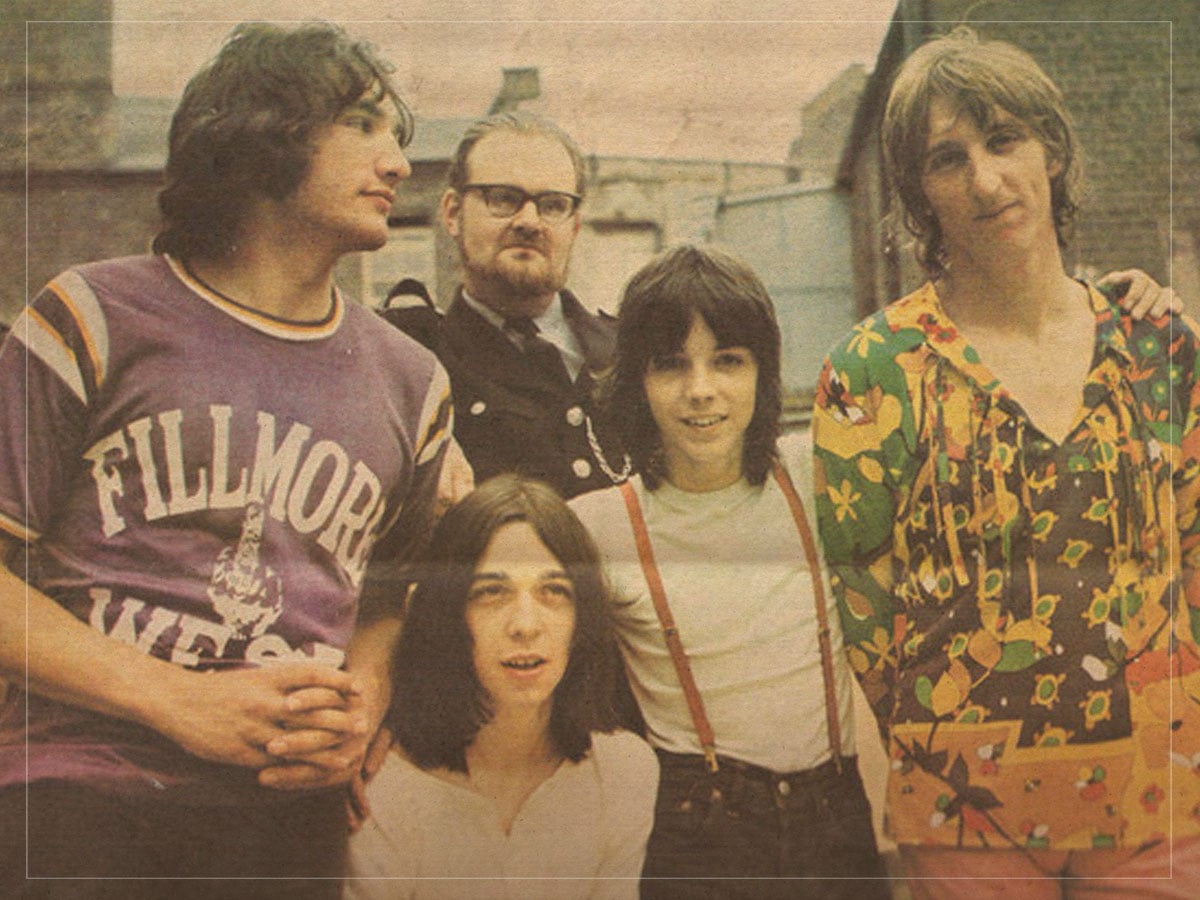
This 1969 track from English group Thunderclap Newman was frankly a complete fluke of a hit, and provided the band with their solitary chart hit, but what a way to have an impact with one of the most optimistic protest songs of all time.
The band worked alongside The Who’s Pete Townshend to bring the song to life, with the guitarist playing both bass and producing the song, but not even he could dream of writing a protest song this timeless. As the track ducks and weaves through its multiple sections, the lyrics ask the listeners to take action in the most direct manner: “We got to get together sooner or later / Because the revolution’s here”.
It stands as a rare example of a British act writing a commercially successful protest song about the Vietnam War, but their call for revolution is still powerful nonetheless, and regardless of where you happen to be, the message is still loud and clear.
Crosby, Stills, Nash & Young – ‘Ohio’

Storytelling is often a fitting revolutionary technique, and there is perhaps no finer example of that than Crosby, Stills, Nash & Young’s ‘Ohio’. Because the death of four students at Kent State University in Ohio was a hugely pivotal moment in American social history, Neil Young’s truthful account of that, over the top of an aching melody, is inherently powerful.
The harmonies of Crosby, Stills, Nash & Young almost sound like a collective cry and subsequently foreground the tragedy of the subject.
It’s a changing point in the history of counterculture that will forever be remembered, even 100 years on, and serves as a perfect warning sign for the abuse of power.
Black Sabbath – ‘War Pigs’

Even before Ozzy Osbourne’s rally cry descends upon this song, sending the music-loving masses into the breach, it’s an arrangement fitting of a rebellion. That opening guitar line rings like a siren call, while the rolling drums provoke a powerful response before making way for the chord progression that perfectly soundtracks the full-on sprint into revolution.
But then Osbourne does come in, delivering an almost William Wallace-like speech that cuts to the very heart of the issue. There really is no metaphorical word play or thinly veiled messages, but instead, it simply outlines that the system is corrupt, we mortals are the victims, and it’s now up to us to act.
While Osbourne brought colour to the message, it was Geezer Butler’s lyrics and when asked about, he simply said, “Britain was on the verge of being brought into it, there were protests in the street, all kinds of anti-Vietnam things going on. War is the real Satanism. Politicians are the real Satanists. That’s what I was trying to say.”
Marvin Gaye – ‘What’s Going On’

Every reference on Marvin Gaye’s 1971 political album, What’s Going On, is worryingly specific to the modern age, with talks of environmental crises, crippling inflation and police brutality all topping the list of subjects on this record, all of which, at the dawn of 2026, feel strikingly on the nose.
While the song can be viewed as a sad indictment of our failure to make change, there is an optimistic undercurrent to it. While ‘Inner City Blues’ is more pointed in its social remarks, ‘What’s Going On’ almost serves as a plea, a sonic unifier of people under the boot who may not be able to make systemic change, but can practice more profound ideals in their community.
Over half a century on from its release, Gaye’s forecasted accuracy tells you everything you need to know about the cyclical nature of society and history, making it increasingly likely for it to be a political anthem in 100 years’ time.
Gil Scott-Heron – ‘The Revolution Will Not Be Televised’
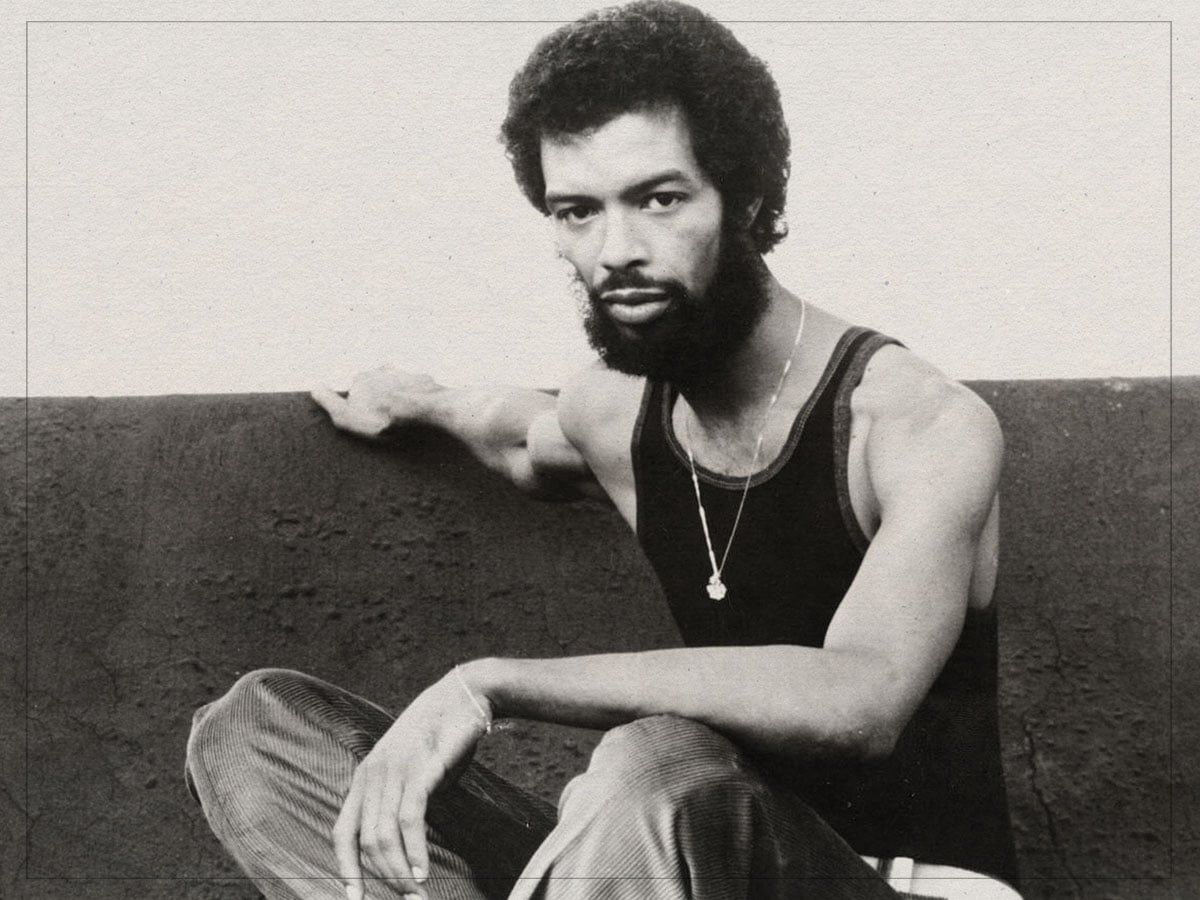
Revolution isn’t always a literal concept, bound by the constructs of weaponised uprisings or strikes, but instead is open to the idea of revolutionising yourself through mindset, and that is ultimately what the powerful lyrical performance of rap pioneer Gil Scott-Heron taps into on this track.
He explained, “The revolution takes place in your mind. Once you change your mind and decide that there’s something wrong that you want to affect, that’s when the revolution takes place. But first you have to look at things and decide what you can do. ‘Something’s wrong and I have to do something about it. I can effect this change’. Then you become a revolutionary person. It’s not all about fighting. It’s not all about going to war. It’s about going to war with the problem and deciding you can affect that problem. When you want to make things better you’re a revolutionary.”
Ultimately, Scott-Heron’s spiritual advice was passed through the lens of racial injustice in 1960s America and so subsequently became an anthem for the Black Power movement, but the human themes that lace the points he delivers render it a timeless classic and one that will similarly incite revolution in a century’s time.
Public Enemy – ‘Fight the Power’

Like folk music in the decades before, the mainstream emergence of hip-hop in the 1980s allowed it to become the most frequently used vehicle for protest in music, providing a voice for Black Americans to express their discontent in a novel fashion that empowered the youth.
One of the most politically astute acts to have come from this movement was Public Enemy, and once again, while many of their songs could be construed as protest anthems, the one that is sure to live on and remain relevant for centuries is 1990’s ‘Fight the Power’.
There are lots of similarities between this and Dylan’s ‘Masters of War’, but delivered in a very different way while speaking on the same subject. Dylan was ready for a one-man insurrection, whereas Chuck D and Flavor Flav are calling upon everyone to do as the song’s title instructs, and that “It’s a start, a work of art / To revolutionise, make a change”.
Parquet Courts – ‘Total Football’
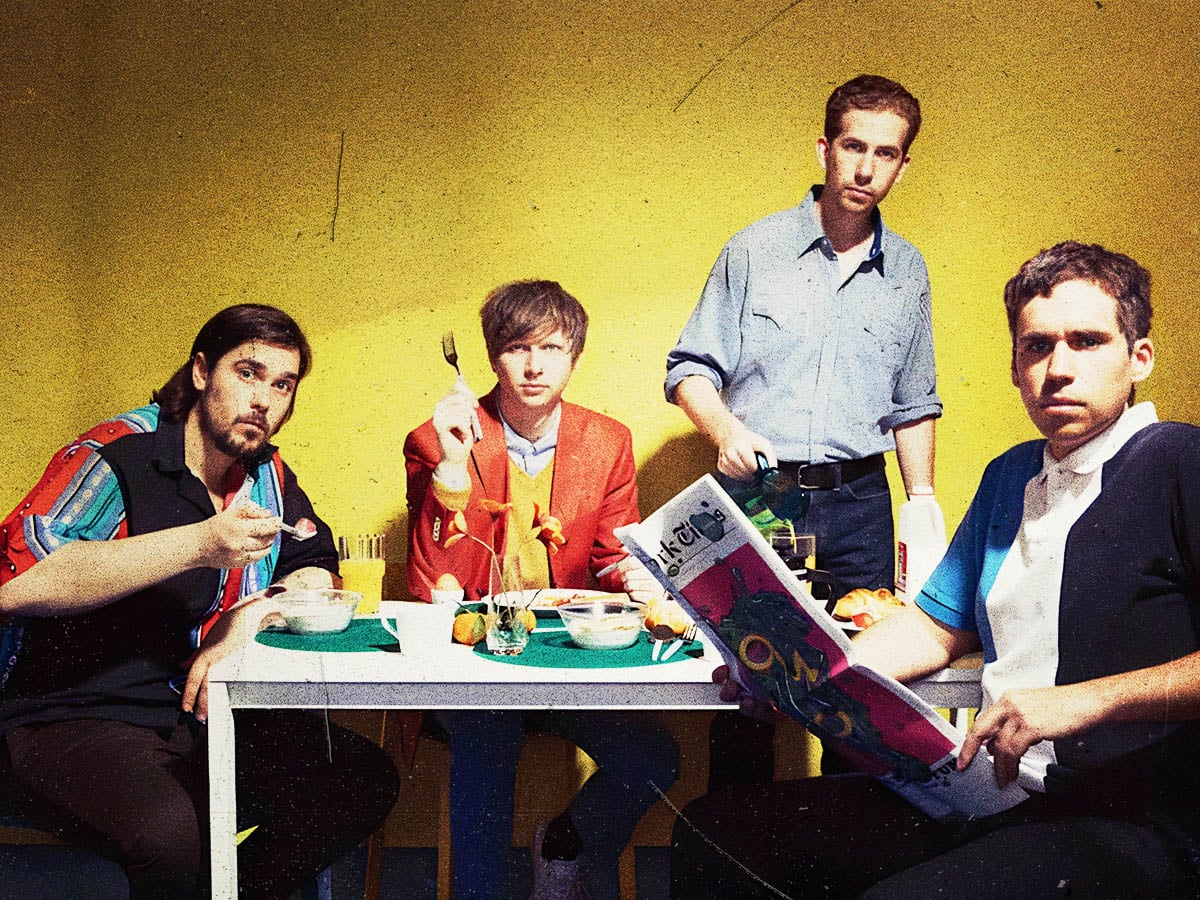
Parquet Courts’ ‘Total Football’ isn’t strictly about the philosophy adopted by Rinus Michels’ football teams in the 1970s, but at the same time, it also shares some of the same ideas as the revolutionary sporting tactic.
While managing Ajax and the Netherlands national teams, Michels instilled a belief that no player should be considered of greater importance than the team itself, and as a result, there were no concrete roles or positions given to any of them. Parquet Courts frontman Andrew Savage uses this philosophy and applies it to methods of dismantling oppressive power structures, and asserts during the song’s climax that “swapping parts and roles is not acting, but rather emancipation from expectation”.
In an interview with NPR, Savage proclaimed that ‘Total Football’ takes “the form of a manifesto”, and that it is a “bold and declarative” way of starting off what is considered to be their most political record. It might seem like a convoluted and niche way of getting the message across, but when you dive deeper into the ideology behind it, it mutates into a timeless message about collectivist action.
Sault – ‘Wildfires’
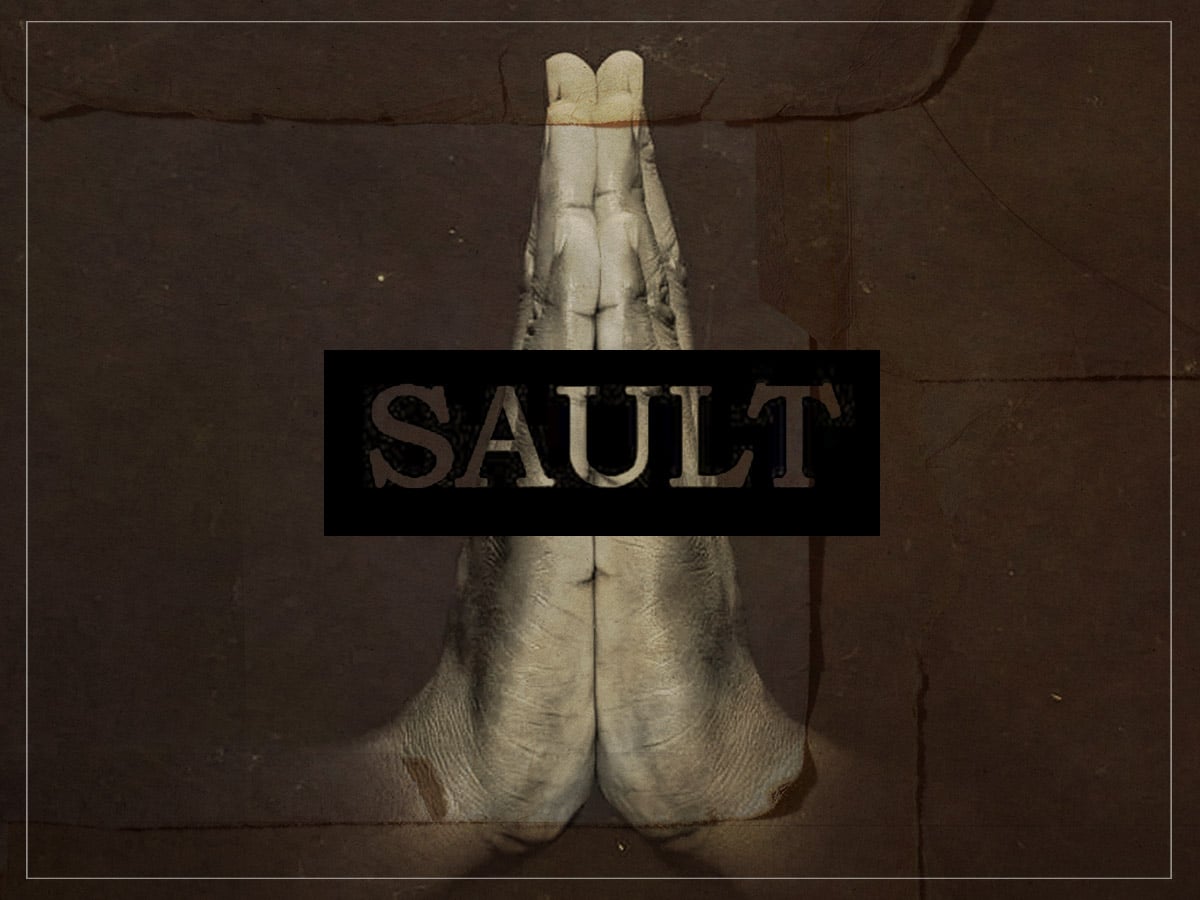
Despite the specificity of the track, being written in response to the police killing of George Floyd, the song is a timeless take on the systemic oppression of the Black community, and straddles the line between collective grief and defiance. It’s timeless, especially when viewed next to the remaining picks, and being released nearly half a century on from most of them, Sault’s ‘Wildfires’ sadly proves the cyclical nature of systemic oppression that will likely be relevant in the coming century.
In the face of that realisation, this song addresses a cruel history while quietly sparking an uprising through its lyrical imagery, comparing the oppressed peoples’ survival instincts to the transformative effect of wildfire: “But we will never show fear / Even in my eyes / I will always rise / In wildfires”.
That regenerative idea is only strengthened by the arrangement of the song, which is quietly stirring, making it a perfectly timeless protest anthem.
Special Interest – ‘LA Blues’
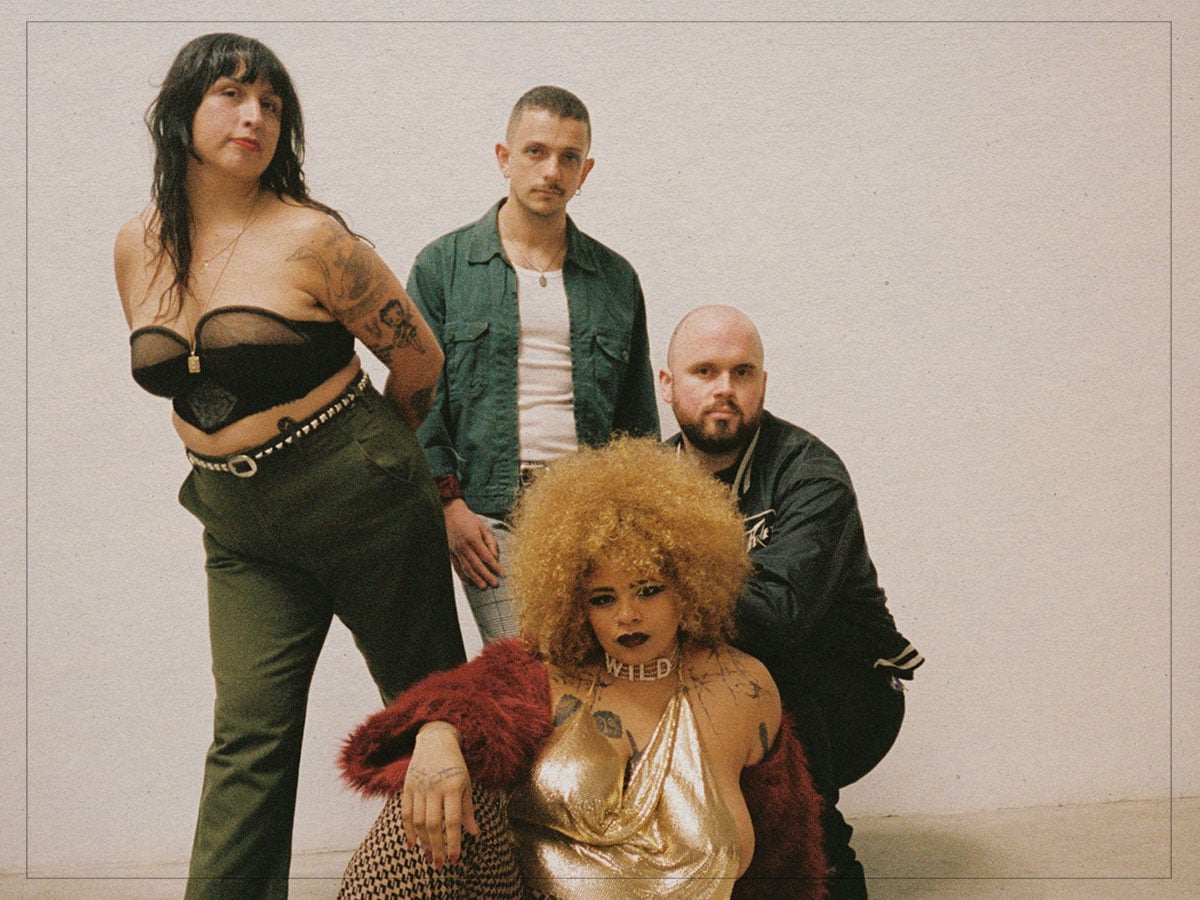
One of the most confrontational punk acts of the modern era, Special Interest is a formidable force that brings the voices of queer, POC anarchists to the front, and a band that will trample over anyone without hesitation or remorse if they step out of line against the collective goal of levelling the playing field in society.
‘LA Blues’, the closing track from their spectacular 2022 album, Endure, isn’t about being down in Los Angeles, but actually about the oppression of the police force (blues) in Louisiana (LA) and their native city of New Orleans. While much of the imagery used by vocalist Alli Logout is violent and visceral, with brutal murders being committed by cops being followed by acts of debauchery, dehumanisation and denigration, there are still a few messages of hope thrown into the mix.
Asking the listeners to rise up, ‘LA Blues’ is a great curtain call on a record that isn’t full of much optimism, but they assure you that hope is not out of the question, as the song so gleefully reminds us, “If you don’t like it, you can fuck right off”.

Never Miss A Tale
The Far Out Bob Dylan Newsletter
All the latest stories about Bob Dylan from the independent voice of culture.
Straight to your inbox.