


‘Nameless, Faceless’: Five songs that capture the ugly reality of modern misogyny

Misogyny is not a new phenomenon in modern music or in modern life.
You only need look at the legacies of Sister Rosetta Tharpe, Bessie Smith, Alis Lesley or Big Mama Thornton, compared to those of Carl Perkins, Jerry Lee Lewis, Buddy Holly and Elvis and to see that despite being wildly popular and influential in their time, women have always had a harder time making it into the history books than men do (and especially when there is a racial element involved, as well).
But in the post-MeToo world, something even more insidious has been going on in our culture; in our movies, in our music, in podcasts and public debate, on screen, and in our day-to-day lives. The backlash that women have faced for simply standing up for themselves and saying ‘we won’t let you do this to us anymore’ has been frankly terrifying.
You could make an unfortunately lengthy playlist out of songs that perfectly describe the modern misogynist ecosystem. Warren Zevon’s ‘Excitable Boy’, once a sensational but satirical take on the phrase boys will be boys, and how brushing early indicators under the rug can lead to dire consequences later on. It’s not long before “he rubbed the pot roast all over his chest, ‘Excitable boy’, they all said” leads to “And he bit the usherette’s leg in the dark, ‘Excitable boy’, they all said” to eventually “And he raped her and killed her, then he took her home, ‘Excitable boy!’ they all said / Well, he’s just an excitable boy!”, all of which now reads like the kind of breaking news alert we all run the risk of becoming desensitised to, such is the overwhelming deluge with which we are faced with similar stories.
When John Prine wrote about a guy who had a lot to lose in 1978 that “He’s got muscles in his head that ain’t never been used, thinks he own half of this town”, you’d be forgiven for thinking he was singing about the then-future President Trump, but he could also have been singing about any number of the men who support him, or about his English bulldog, Nigel Farage. “Starts drinking heavy, gets a big red nose”, Prine continues, “Then he beats his old lady with a rubber hose. Takes her out to dinner, then he buys her new clothes”, before delivering the off-hand acknowledgement that, “That’s the way that the world goes ’round”.
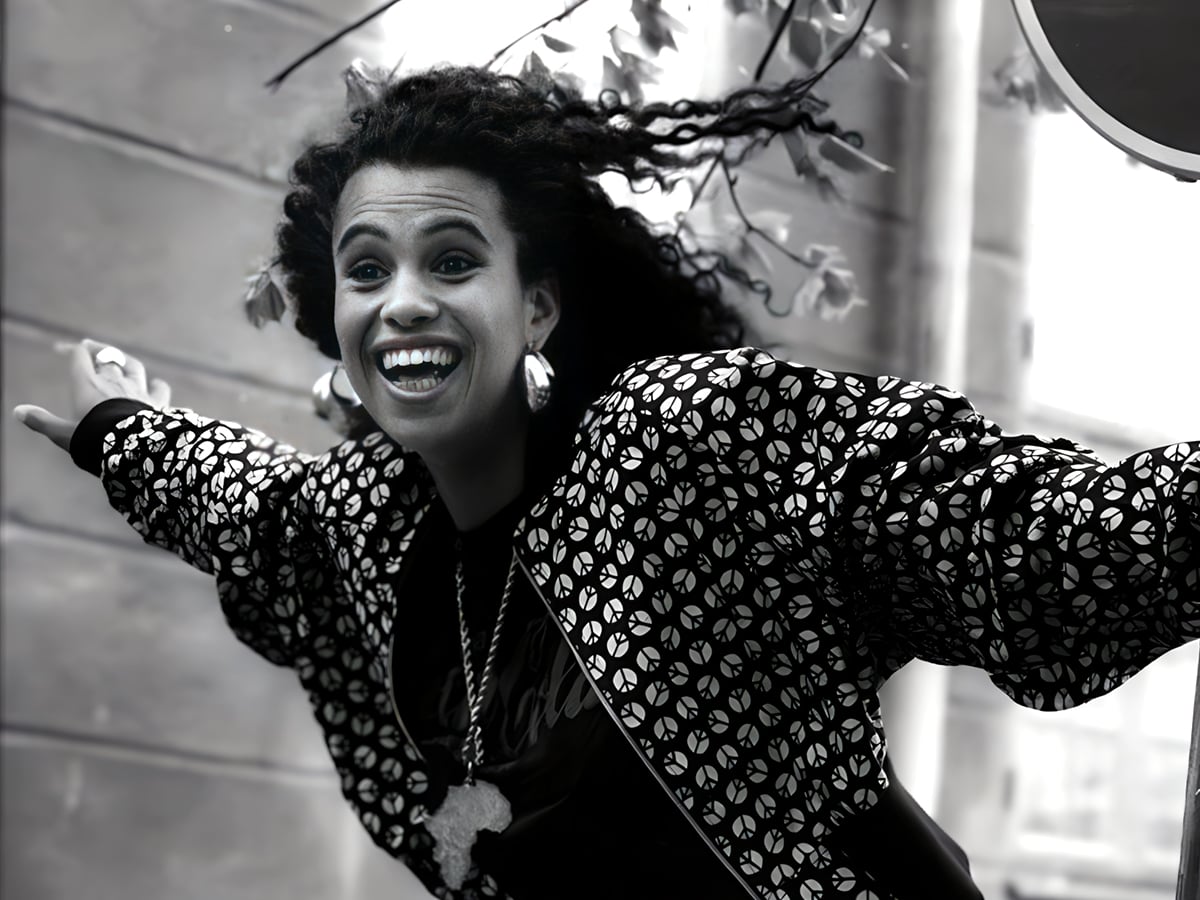
Then there was Neneh Cherry, singing about manchildren a full ten years before Sabrina Carpenter was even born. “OK, you’re on your own, it’s late”, Cherry sang in 1989, “Your girlfriend is on another date / With the hero in your dream / Turn around, ask yourself, So you think you’re gonna win this time, manchild?” What used to just be lyrics now read like a lonely, self-sorry 4Chan post about the injustice of not being allowed unfettered access to any woman’s body that you want.
And speaking about the injustice of not being allowed unfettered access to women’s bodies, remember Robin Thicke’s ‘Blurred Lines’ and its terminally creepy “I know you want it” refrain? In the aftermath of the song’s release, Katie Russell, a spokeswoman for Rape Crisis England & Wales, a feminist charity which raises awareness and understanding of sexual violence, explained how the lyrics glamorise violence against women and reinforce rape myths.
As if the song, and its direct emboldening impact on young men who would hear it everywhere the summer it came out, wasn’t bad enough, Emily Ratajkowski revealed that during the course of filming the song’s music video, Thicke assaulted her by groping her body, at which point she called him out, called a halt to the production, and only continued once he had apologised in front of the crew.
For those in the manosphere, Thicke would likely be viewed as the injured party in that account. He’d been emasculated in front of his peers (or, as the star/alpha male on set, in front of his subordinates), and anyway, Ratajkowski should have felt lucky that he deemed her worthy of his time, touch and attention in the first place. And that is one of the main problems with the toxic manosphere in the first place. They don’t believe that women should have autonomous voices; that they should have agency, control, free will, or, maybe especially, equality. They should be submissive, grateful for your time and attention, and most importantly, silent.
The songs discussed above demonstrate that the opinions of those in the manosphere are not new, that toxic masculinity and violent misogyny have always plagued women’s lives and safety, but since the MeToo movement took off, the backlash from men at all levels of society against women has intensified, a phenomenon which has only picked up in pace in the ever-more online post-lockdown landscape.
In her excellent 2020 book Men Who Hate Women: The Extremism Nobody is Talking About, Laura Bates detailed the frankly terrifying ways in which women are increasingly in danger of suffering massive, permanent, physical, professional and emotional violence at the hands of men who believe that it is actually they themselves who are the real victims. Bates’ more recent, similarly scary but also brilliant, The New Age of Sexism: How the AI Revolution is Reinventing Misogyny, outlines how technology is exacerbating the problems that women were already facing in the real world.
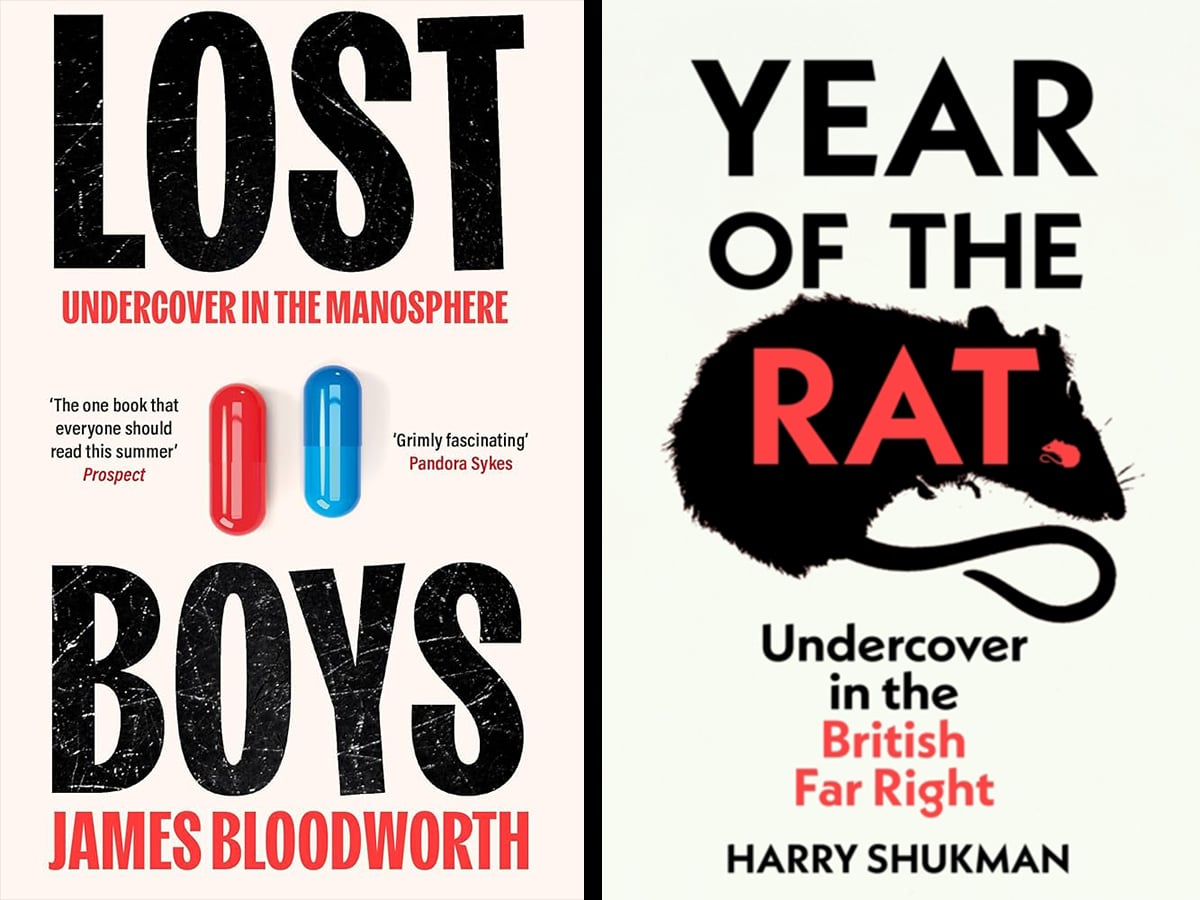
Similarly, Rebecca Solnit’s Men Explain Things to Me: and Other Essays outlines the history and impact of our problems, whilst James Bloodworth’s 2025 book Lost Boys: A Personal Journey Through the Manosphere is also an essential read if you want to gain a better understanding of what is going on all around us, both online and in the all-too-real world, and exactly how we got here. Elsewhere, Harry Shukman’s Year of the Rat: An undercover investigation into the British far right outlines how young men and teenage boys are specifically and insidiously being targeted online by far-right groups for early indoctrination, leading them early into a lifetime of hatred, including (and, in some cases, especially) against women.
And there is a deep, serious and important connection between the far right’s actions and the manosphere rhetoric. Nigel Farage has called Andrew Tate, a man who has been accused of multiple counts of rape as well as human trafficking, an “important voice” for men. Much of the far right, who will drop whatever they are doing to riot across the country on Farage’s command, act under the pretense that they want to “protect our women” or that they are “fighting for our children’s future” but were notably silent when three British boys aged between 13 and 14 were charged with the assaults of two teenage girls earlier on this year, or when a 15 year old British teenage boy was charged with 22 counts of sexual assault, against 10 separate girls over a three year span, at the end of last month. Whilst the far right might act under the honourable guise that they are concerned with keeping British women safe from foreign assailants, white British men actually account for 79% of all violent crimes committed in the UK.
The recent documentary Louis Theroux: Inside the Manosphere highlighted some surface issues with the movement without interrogating it too deeply, though Channel 4’s 2025 The Secret World of Incels: UNTOLD did a better job of uncovering the dangers of the modern idolisation of people like Andrew Tate, Sneako, Jordan Peterson and Adin Ross, and the exploitation of vulnerable, isolated and lonely young men.
It is clear that the push-back against feminism has been the machination of a systemically patriarchal society and a culture that is desperately trying to reassert the accepted order, which has stood for centuries. That is why the Depp vs Heard court case was so publicly performed, and why, regardless of the outcome of the real case, the court of public opinion was always so heavily stacked against Heard; why Louis CK’s apology tour was so contrived, and why the Epstein Files have become such a side-show in most corners of the press. It’s why women’s voices are once again being supressed, quashed, ignored and smeared, and it’s why the far right specifically target and exploit men, and especially young men, by blaming and explaining away all of their problems on women’s demands for respect and equality.
Women are dismissed as over-emotional and angry, and any number of other out-of-hand disdainful and diminishing descriptors, but as Alanis Morrissette told us, when it is used in the right way, “anger is a powerful life-force”.
Here are five times that women channelled that anger into great songs that sum up the modern age of misogyny, rather than into physical harm or damage; into songs that describe how we got here, what is going on and how it is affecting everybody.
Five songs which sum up the modern face of misogyny:
Sabrina Carpenter – ‘Manchild’ (2025)

If you don’t think this song should be on this list, then just take a look at the insane, inane and frankly ridiculous backlash it provoked, and the online vitriol that Carpenter received from the manosphere for having the temerity to call the titular manchildren stupid, in the wake of the song’s release.
Some suggested that it was this kind of lyric which drives men to such extreme violence against women in the first place, while others tried appealing to a more sympathetic nature by suggesting these kinds of lyrics only fuelled the so-called male loneliness epidemic. Another online troll suggested that “women are always like ‘men are useless’, but Sabrina Carpenter is like four foot 11, she can’t even climb into a mid-size SUV without help”, to which Carpenter concisely clapped back with “yes, i can ?”
Carpenter’s latest album, Man’s Best Friend, which featured ‘Manchild’, as well as songs like ‘Tears’, ‘We Almost Broke Up Again Last Night’ and ‘Nobody’s Son’, is, in fact, proof that the singer uses irony and provocative lyrics to make it clear that she’s in charge of her own narrative, and that she’s having plenty of fun with it.
Carpenter hasn’t only received online backlash and vitriol for her music, though, and has experienced the dangers of unwanted male attention first hand. Just this week, she been granted a temporary restraining order against a 31-year-old male fan who tried to enter her home in California.
Dua Lipa – ‘Boys Will Be Boys’ (2020)

Joan Baez recently called out certain contemporary singers, fairly, for not using their platforms to raise awareness of important issues, but nobody can accuse Dua Lipa of shying away from doing so.
Dua has consistently advocated for Palestinian rights in the face of the genocide being committed by Israel in Gaza, and has made it clear that she did not support her talent agency WME’s attempts to silence other artists who were speaking up on the matter. Similarly, she has brought the topic of feminism into the public conversation time and time again, not least of all with the closing song on her chart-topping 2020 album Future Nostalgia, ‘Boys Will Be Boys’, which brilliantly and directly condemns toxic masculinity and the way in which it makes women reduce themselves to fit into an acceptable space in public life.
“If you’re offended by this song”, she sings towards the end of the track, “You’re clearly doing something wrong / If you’re offended by this song, then you’re probably saying ‘Boys will be, boys will be, Boys will be, boys will be boys'”.
Fiona Apple – ‘Relay’ (2020)

“Evil is a relay sport / When the one who’s burnt / Turns to pass the torch”.
Fiona Apple, who, at 12, was raped in the New York apartment building she lived in, said that ‘Relay’ was written in response to the confirmation hearings around Brett Kavanaugh’s nomination to the United States Supreme Court, which heavily centred around the multiple allegations of sexual misconduct and assault relating to his time in high school and college.
Apple expertly gets to the heart of what is so infuriating about so much of the way the worst men among us take on the role of the victim, even in the aftermath of having committed the most heinous of crimes. Her highlighting of the role that the dismissal of the credible allegations against Kavanaugh, and of his being awarded one of the most powerful official positions in American political life, is also a hugely important point, as well.
The legitimisation of men who have shrugged off such allegations against them has helped to empower, encourage, and embolden the worst impulses of the worst men in our society, while simultaneously endangering all women. Sickeningly, it wasn’t long before Kavanaugh got to vote on whether women should have the right to an abortion or not, which, in overturning Roe vs Wade, led manosphere martyr (and married man) Charlie Kirk to join in the chorus of “your body, my choice”.
It doesn’t matter whether the example is being set by the Supreme Court or by the president of the United States, by footballers from the Premier League, Netflix’s highest-paid comedian or an actor from a famous movie franchise with access to the world’s finest legal team, in the post-MeToo world, the message being sent to men is: do whatever you want to whoever you want to do it to and don’t you worry about the repercussions. It’s something that Fiona Apple knows as well as anybody, so kick her under the table all you want; she won’t shut up about it.
Stella Donnelly – ‘Boys Will Be Boys’ (2019)
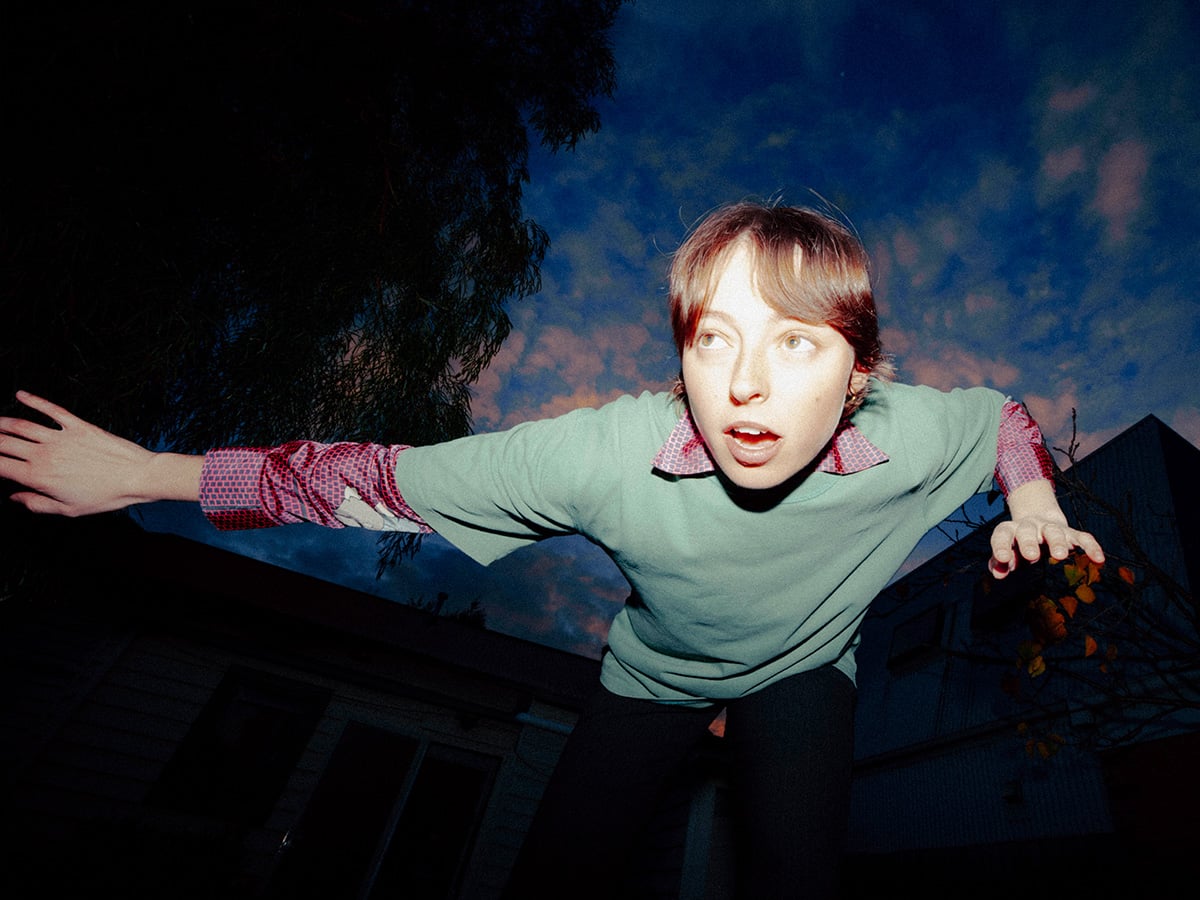
Stella Donnelly’s ‘Boys Will Be Boys’ is one of those songs which makes you incredibly uncomfortable to listen to, akin to Billie Holliday’s ‘Strange Fruit’, because it’s so visceral and evocative, so direct and unflinching in its telling, that you feel like you’re listening to something you shouldn’t be hearing. And, isn’t it sickening that the whole history of male violence is so easily brushed off with the casual phrase “boys will be boys” that it is the central theme and name of two very different songs on this list?
“My friend told me of a secret, told me that she blames herself / You invaded her magnificence, put your hand over her mouth,” the song opens. The World Health Organisation have estimated that around one in three women alive today has experienced physical or sexual violence in their lifetime, so there are a lot of women out there who will be keeping a similar secret, and who will similarly be blaming themselves. Donnelly’s chorus then powerfully echoes something else that we are all far too familiar with, in the form of the victim blaming which is rife around the world. “Why was she all alone, wearing her shirt that low?”, she sings, “They said, ‘Boys will be boys’ / Deaf to the word ‘no'”.
But let’s hear again about how many false claims are levelled by women, and how much they ruin men’s lives and careers.
Courtney Barnett – ‘Nameless, Faceless’ (2018)

“Don’t you have anything better to do?” Barnett drawls in the opening line of this excoriating take-down of fragile and toxic masculine keyboard warriors. “Must be lonely, being angry, feeling overlooked”, she sings, before adding that “You sit alone at home in the darkness, With all the pent-up rage that you harness / I’m real sorry, ’bout whatever happened to you”.
So often, Barnett can feel like she is trying to fit as many words into as short an amount of time as possible in her songwriting, but here, she opts for brevity and concision. It’s almost as if she doesn’t want to have to waste any more breath on the topic than she needs to.
In the second verse, she brilliantly redirects the comment of an internet troll back at him, quoting verbatim from a comment that was left under a post about her brilliant debut album when she sings, “He said ‘I could eat a bowl of alphabet soup and spit out better words than you'” before perfectly undermining the point with a shrug and the casual “but you didn’t”.
In the chorus of the song, Barnett repeats another quote, and this time it’s one from Margaret Atwood, when she chants that “men are scared that women will laugh at them, women are scared that men will kill them”. I can’t think of any other phrase which has ever so accurately, and yet so succinctly, summed up every single argument presented by those in the manosphere than that.
