


Exploring the strange history of Nicolás Maduro’s Venezuelan rock past

It wouldn’t be the start of a new year without the emergence of a batshit and utterly terrifying news story breaking courtesy of Donald Trump‘s increasingly tyrannical rule of the United States.
His decision to invade Venezuela and oust the incumbent president, the controversial Nicolás Maduro, is the sort of unprecedented event we’ve come to expect from the opening week of the theatre of horrors we call ‘January’, and while it’s normally a journalist’s job to carefully cross-examine all of the reasons as to why such a fiasco has unfolded, my role as a music writer doesn’t make me the most well-equipped to do so.
That being said, while doomscrolling through countless articles on the state of affairs in trans-American political relations, one tidbit of information happened to come my way that combined both my grim fascination with the deposition of the Venezuelan leader with my area of expertise.
Despite already boasting a rich backstory that consists of being raised by a political activist father, joining socialist and Marxist groups as a teenager before becoming a bus-driving trade union leader, also under Maduro’s belt is the fact that he was once the guitarist in a rock group in his hometown, the nation’s capital, Caracas.
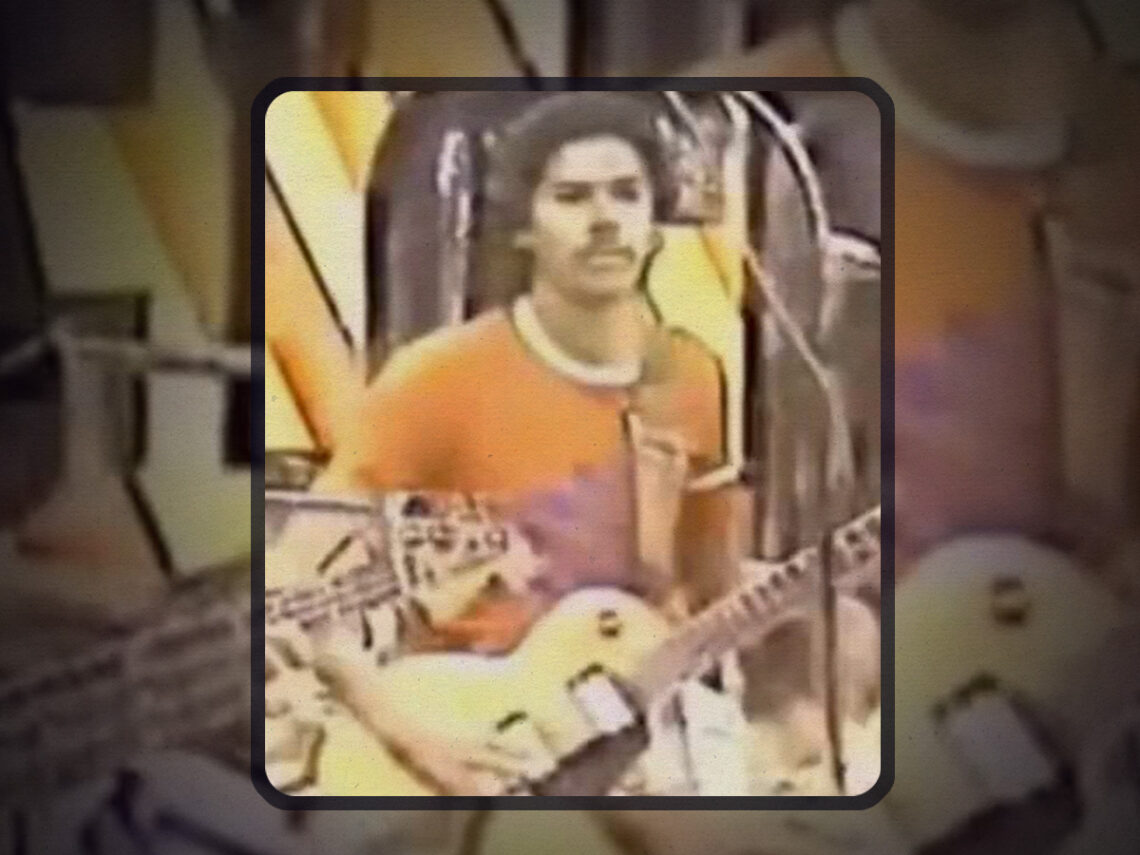
Footage that supposedly showed Maduro performing with Enigma resurfaced on social media in the aftermath of the US invasion of Venezuela, and while many were sceptical about the suggestion that the recently-deposed president was indeed pictured in the video, a little research proves that not only is it him, but he’s got plenty more stories to tell about his past.
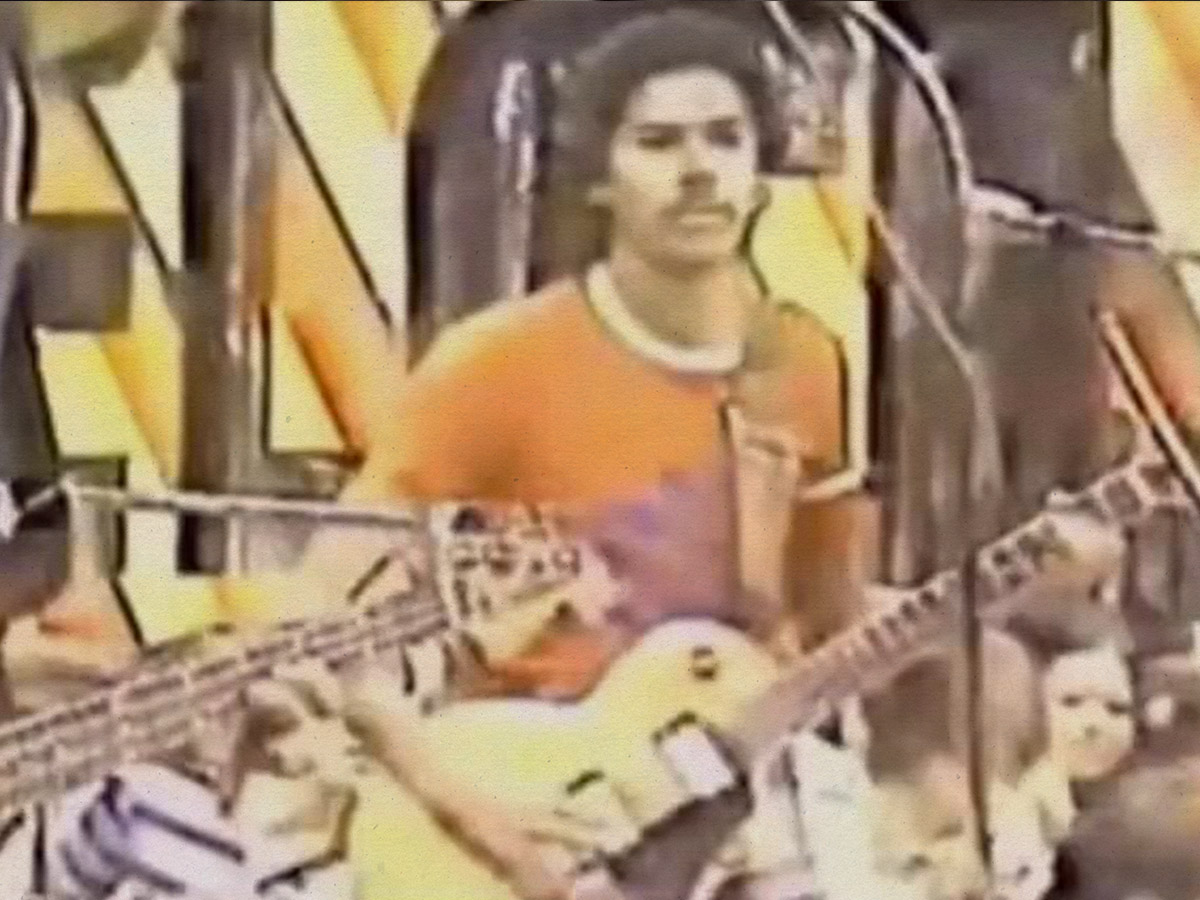
During a 2013 interview with Venezuelan news channel teleSUR, while he was the acting president following the death of Hugo Chávez, the same video of Maduro and Enigma performing on the Venevisión programme, Show de Richard, in 1981, was played, with Maduro offering an explanation as to who else was in the clip with him.
“The one who played lead guitar was Carlos Carrillo,” he offered. “I played second guitar and bass, I didn’t sing. Of course, sometimes it makes me nostalgic to see that.” Adding that he was part of the group from around 1980 until 1982, he then went on to reminisce about some of the other bands who were present in the city at the time, some of whom went on to become some of the country’s biggest alternative acts. “The youth movements in Caracas at that time included Resistencia,” he said, adding: “[Their frontman] Paul Gillman was very young; he had a group called Power Age and later, I think, the group Arkangel.”
Not only did Maduro speak about his time with Enigma, but he also explained that he had some involvement with Grupo Madera, a folk music collective spearheaded by Carlos Daniel Palacio that focused heavily on community work, and while the group was struck by tragedy in 1980 when their boat sank in the Orinoco River, with Palacio being one of the only survivors, Maduro expressed that the early days of the group, which he participated in, were a formative experience for him.
“We played in the neighbourhoods at the time, not only playing rock but also salsa, guaguancó, and Caribbean percussion workshops,” he said, referring to some of the local genres that they dabbled with. “It was impressive. Cubans came and saw how the rhythms of guaguancó and all its derivatives were played in the neighbourhoods of Caracas. They were played with as much mastery and strength as in Cuba in the ‘30s, ‘40s, and ‘50s. Truly impressive.”
While little else of Maduro’s contributions to Venezuelan rock music in the early ‘80s has a record of it available online, it’s still fascinating to see that as a teenager, he was heavily engaged with an underground cultural movement long before his ascent to becoming the country’s leader.
