


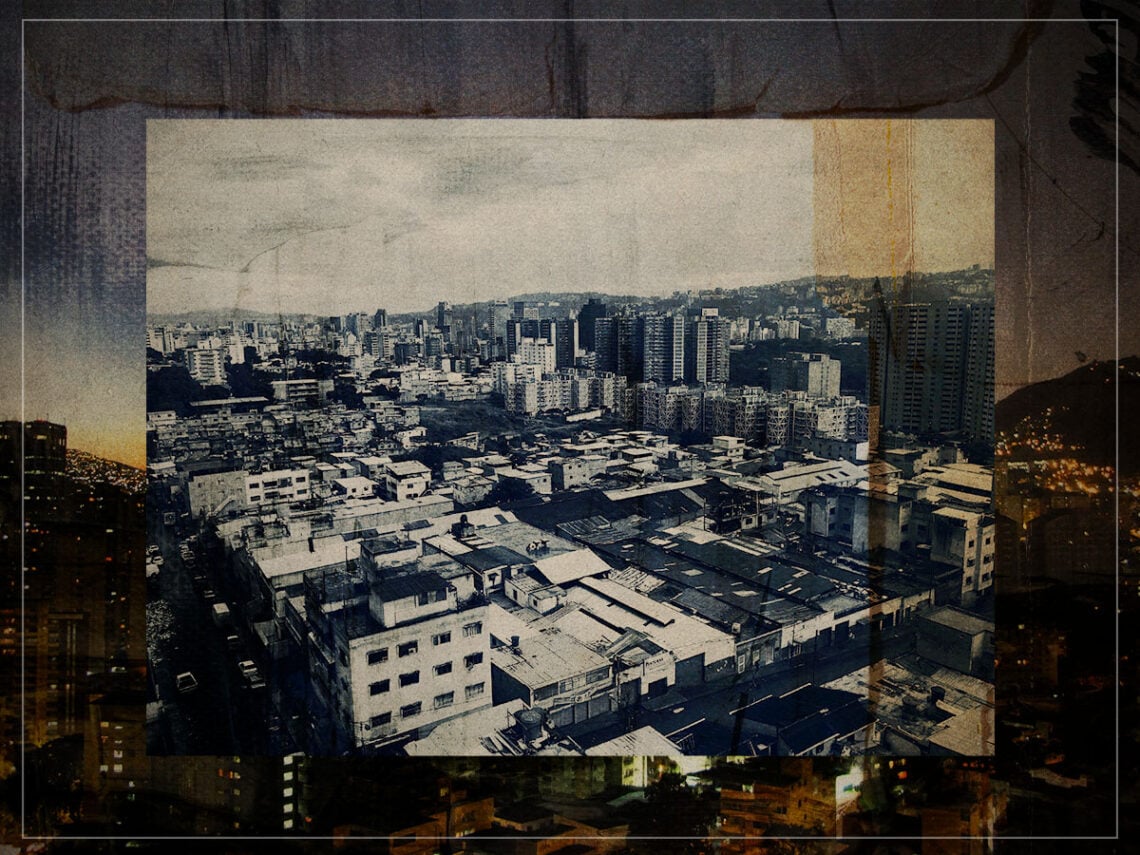
Caracas, Venezuela: The story behind the deadliest city in the world

In the UK, there seems to be a pattern when it comes to tourism. You’ve got your young families that might take an easy trip to the beaches of Turkey, Spain or Portugal, then you’ve got your teenagers who set off for a “gap yah” to South East Asia. Some of the braver travellers might opt for South America, like Brazil, Colombia or Guatemala. But, it seems like in our ever-expanding world, many people crave the adventure of less-discovered destinations.
After all, from London, you can pretty much take a trip to anywhere you like, and for not a huge amount of money like it used to be a couple of decades ago. Social media has played a big part in this; people want to be the first to set a new trend for a destination and not go to the same place. So, long days of riding elephants in Thailand or getting alcohol poisoning in a dingy club in Budapest on your interrailing trip.
But a less-discovered destination doesn’t always mean it’s going to be a blissful, authentic experience at good value for money. A lot of countries are outright “un-visitable” because they’re too dangerous or hostile for the average European tourist. For several years, one city has taken the lead in being the least favourite holiday destination. Not even the most adventurous, most experienced travellers take the risk. That city is the capital of Venezuela, Caracas.
Caracas, for over a decade, has been named the deadliest city with regard to homicide rates, making it one of the most dangerous, both for Venezuelans and especially tourists. According to the BBC, about 20 bodies are delivered to morgues across the city each day, caused by suspected murders. The number is so high that nine out of ten of these go unsolved.
Venezuela used to be one of the wealthiest countries in the world with its abundance of natural resources, but dictatorships devoured the country’s wealth to the bone. Under Hugo Chávez and now Nicholás Maduro, government corruption and economic mismanagement have led to hyperinflation, making the Venezuelan currency, the Bolivar, basically worthless.
People can take a week to make enough money to buy a small bottle of water, and the inflation rates can change so rapidly that by the time you get to the grocery store, you no longer have enough money to afford it. To make ends meet, a large majority of the population, particularly young men between 15 and 25 years, have turned to organised crime, such as drug smuggling, prostitution management, kidnappings and murders.

The kidnapping of businessmen has become the most lucrative form of making money. Gangs will identify and study a businessman for a couple of weeks before kidnapping him and keeping them in captivity in exchange for thousands of dollars in ransom.
What’s terrifying is that frequently, in the footage of kidnappings and homicides, the faces of the thugs are completely visible. This is because they know that no one is going to arrest them since the police are incapable of arresting so many; the problem has escalated out of hand.
Thus, seeing a dead body on the street after being shot has become a normality for the people of Caracas, who are indifferent to the violence at this point. People are more concerned with saving their own skin. Mothers worry about their children not returning home, and fathers worry about making enough money, in any way they can, to feed their families. Some of the poorest people living in slums have begun to worship dead thugs, keeping shrines to them in their homes. This twisted reality proves the desperation of people who believe that these thugs will protect them since they were able to dominate the city.
Caracas’ thugs often congregate in communities known as ‘colectivos’, building a village, which is also protected by security, in which their families can live peacefully. For them, crime is the only way to survive, so they are all for it.
It’s almost better to be part of these than not, as they are some of the wealthiest citizens. With the people they rob and kill, they are able to set up their own separate currency and schools and shops from which they can work and buy products. These thugs are, in many ways, protected because they don’t oppose the government and are against Western media.
The wealthy, those who haven’t already fled, live in gated communities with walls and barbed wire that engulf their homes. When they leave their homes to go to work or school, they are often accompanied by security in bulletproof cars, and they don’t leave their house after it goes dark. The number one rule is to, no matter what, leave your car.
Because of this, there is one industry that continues to thrive—the armoured car business. The wealthy citizens that rely on armoured cars to transport them basically anywhere get their them specifically vamped up to protect from gangs. They will give the windows specific protections with 20-centimeter-thick glass. However, making these modifications can cost between $18,000–$20,000, so it’s a highly lucrative business and only accessible to the very wealthy.
Venezuela isn’t all bad; in fact, far from it. Outside of Caracas, there are beautiful places in Venezuela to visit, like the turquoise waters of the Los Roques Archipelago and the huge uninterrupted waterfalls of Angel Falls. As we all know, anything is possible when it comes to travelling, so going to Caracas and surviving is possible if you take the right precautions. Even my own parents have made it through.
