


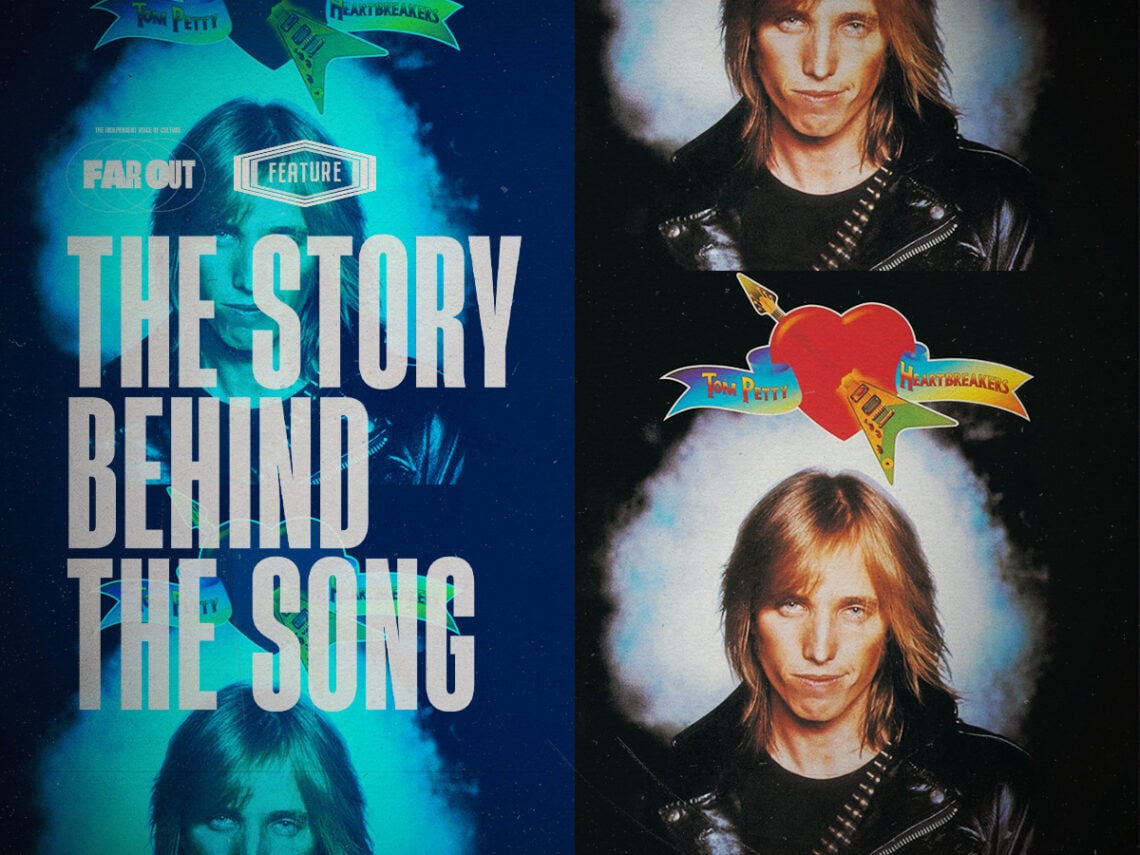
The Story Behind The Song: The breakthrough of ‘Breakdown’ by Tom Petty and the Heartbreakers

For a brief moment in time, the consensus among Tom Petty’s management team was that he’d be better off dumping his bandmates, those hangers-on from Gainesville, Florida, and trying his luck as a solo artist in Los Angeles.
That was the plan Shelter Records had in mind when Petty entered the studio in the bicentennial summer of 1976. At 25, he was still young enough to become a rock star, but the clock was ticking because Peter Frampton was the same age and was already the biggest breakout star of the year. Then you had other Springsteen-inspired young rockers like Johnny Cougar (the early alias of John Mellencamp) and Eddie Money coming up the ranks.
It didn’t take long for Petty to realise, however, that trying to make a pop record in Hollywood with a collection of strangers wasn’t going to deliver the results his label wanted.
“I didn’t like the sound of the session musicians,” Petty told the Bangor Daily News a few years later, “Didn’t excite me very much. I just work better in a band. So when I ran into these guys, my old friends, we played together and made up our minds.”
Those old friends were essentially the same ones he’d parted ways with a year earlier, the key members of his Gainesville band Mudcrutch: guitarist Mike Campbell and keyboardist Benmont Tench. So, they were reunited, and with members of Tench’s new band brought into the fold, they became Tom Petty and the Heartbreakers after one conversation, and started work on their debut album the next day.
It would be easy to say “the rest was history” after that, but the first, self-titled Heartbreakers record didn’t actually fly up the charts upon its initial release in November of 1976. Oddly underpromoted by ABC, Shelter Records’ distributor, the album failed to reach the ears of the American public, despite fitting quite snuggly alongside the biggest-selling discs of that year.

It was of the same ilk as some of its high-flying competitors, including Fleetwood Mac’s self-titled record, Wings at the Speed of Sound, the Eagles’ Greatest Hits, and ELO’s Face the Music. But it barely seemed to budge the dial. The lead single, ‘Breakdown’, also came and went virtually unnoticed.

In the end, it was the Brits who actually caught on to Petty’s sharp and melodic brand of retro American rock first, as the Heartbreakers’ UK tour with Nils Lofgren in 1977 generated a lot of buzz, and helped their next two singles, ‘Anything That’s Rock ‘n’ Roll’ and the soon-to-be-classic ‘American Girl’, hit the UK top 40. Unfortunately, word of that success still wasn’t reaching the radio stations back home.
“We came back from England, from that experience, to be unknowns again,” Petty recalled, as quoted in Warren Zanes’ 2015 book, Petty: The Biography, “And as jarring as the England experience was, coming home was just a bit more jarring. And not in the way we wanted.”
Back in LA, Shelter and ABC decided to try a rare ‘do-over’ of sorts, giving Tom Petty & The Heartbreakers a fresh push, including a re-release of ‘Breakdown’ as a seven-inch single. Promoter Jon Scott made it his personal mission to force the record down the necks of key, influential disc jockeys on both coasts, and this time around, the song finally cracked the top 40 in America, giving Tom Petty the first of many hits to come in his homeland.
In order for ‘Breakdown’ to serve its important purpose as Petty’s introduction to a wider audience, though, the song needed to go through its own maturation process. In a famous bit of Heartbreakers lore, the original recording of the track was done and ostensibly in the can, having met with Petty’s satisfaction, until a chance meeting with a fellow up-and-coming songwriter completely changed the song’s trajectory.
“I wrote ‘Breakdown’ in the studio,” Petty told Guitar Player in 1986, “and the first version was seven minutes long, with this long guitar solo in the end… Everyone had gone home, and I was sitting there listening, and in walks Dwight Twilley.”
A Shelter Records labelmate, Twilley, at that particular moment, was several steps ahead of Petty in the race to rock stardom, whose debut single, ‘I’m On Fire’, had reached the top 20 a year earlier, and his debut full-length was about to be released. His opinion carried some weight. Petty was listening back to the closing guitar solo of ‘Breakdown’ when Twilley popped into the studio, and the feedback was swift, as the new set of ears immediately honed in on a certain descending Mike Campbell riff lurking in the outro.
“Twilley turns to me and says, ‘That’s the lick, man!’” Petty recalled, “How come he only plays it once at the end of the song? It’s the whole hook!’ I listened back, and he was right. So I called the band up, four o’clock in the morning, and told them to come back down. We did it again around the lick, took a couple takes, and there it was.”
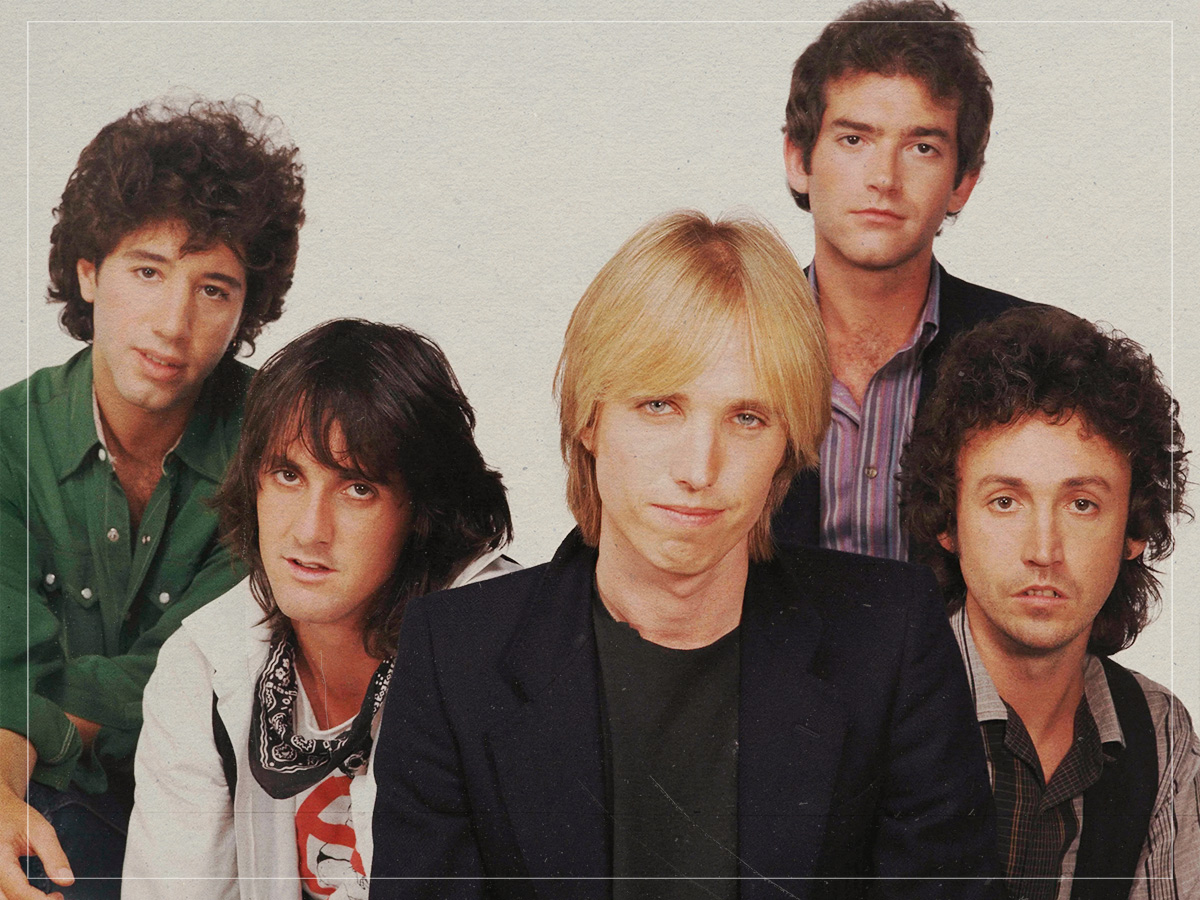
Even though it took a whole year to convince the country’s tastemakers to give ‘Breakdown’ the radio play it warranted, some keen observers understood almost immediately that the song was a game changer for the upstart Heartbreakers. This included the band’s recently recruited equipment manager, Bugs Weidel, who would go on to work with Petty for the next four decades.
“I heard ‘Breakdown’, and I knew something was going on there. There was never a doubt in my mind. This was timeless shit,” Weidel declared, before highlighting what he thought was special about the group, “Probably the biggest difference between the Heartbreakers and guys that I had worked with before was the sense of urgency.”
He continued, “You look back years later, and it’s like, obviously, these guys were family men. Tom and Mike were supporting wives and kids. They have a whole different mindset, not like, ‘Let’s see what this music business is like. How many chicks can we fuck tonight?’ They were a lot more focused, and there was that camaraderie.”
In retrospect, it’s quite interesting to look back on the decision to choose the moody and slow-burning ‘Breakdown’ as the Heartbreakers’ first single, rather than the peppy and anthemic ‘American Girl’. It speaks to the radio tastes of 1976, perhaps, as the aforementioned Fleetwood Mac and Eagles had dominated the charts with similarly seductive and groovy tracks like ‘Rhiannon’ and ‘Witchy Woman’, respectively. If anything, ‘American Girl’ was a few years ahead of its time, as it predicted the rise of New Wave pop (as well as the riffs of The Strokes 25 years later).
Benmont Tench’s keyboard line sets the cool ‘70s vibe of ‘Breakdown’, but Campbell’s salvaged riff elevates it to another level, as Dwight Twilley had anticipated. Campbell actually used the same guitar on both ‘Breakdown’ and ‘American Girl’, a vintage 1950 Fender Broadcaster he’d purchased in the days leading up to the recording sessions.
“It’s a good all-around guitar,” he told Guitar Player in 1986, “For rhythms, solos, whatever, it always works. Anytime I’m stuck and can’t get a sound, I just plug that one in… On ‘Breakdown’, I think I was on the bass pickup for the intro, and then I went to my treble pickup for the middle.”
Campbell, whose signature style often includes the use of a bottleneck slide, nearly employed that technique on ‘Breakdown’, as well, “but we decided that was too bluesy,” he said, “So I just played the part without the bottleneck, and it worked. It’s just one of those things you stumble onto.”
This November will mark the 50th anniversary of the release of both the original ‘Breakdown’ single and the first Tom Petty and the Heartbreakers album. And while Petty had much bigger critical and commercial success in the years that followed, these recordings still serve as a worthy starting point for anyone beginning their journey into the Pettyverse.
