


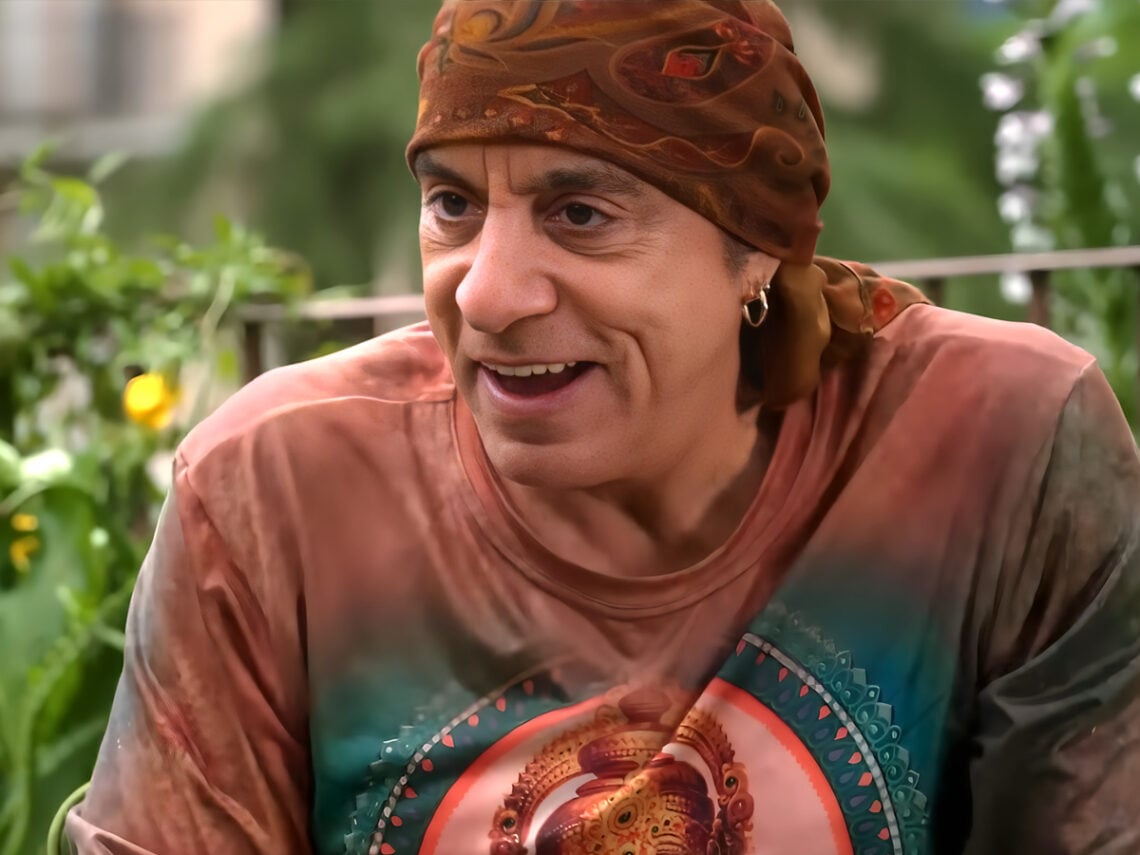
“The summer of ’65”: Steve Van Zandt on the artists that ended the British invasion

The British invasion was a huge moment in music. When The Beatles initially came to America, while it might not have seemed like a significant moment when they were on the plane heading overseas, the second they stepped off, music would change forever. The band wasn’t just a famous group from Britain doing well in America; they set the foundation for a whole movement and made it so British bands were marketable overseas.
“There was no real future for a British band before The Beatles appeared on The Ed Sullivan Show in February 1964,” said Rolling Stones manager Andrew Loog Oldham, discussing the British invasion, “That was the turning point, after which there was an avalanche. It totally transformed the possibilities, and as usual The Beatles were the frontrunners. In music, there is The Beatles and then there is everybody else.”
The moment The Beatles played on The Ed Sullivan Show, there was very little that anyone else in America talked about. Suddenly, people wanted more of whatever was happening in the UK, and they’d get it in the form of bands such as Dave Clark Five and Rolling Stones.
On top of that, people in America wanted to try and emulate this sound that had travelled over. The solo artist was a thing of the past. Everybody wanted to play in a band, and the band they played in had to have people with long hair, charm, charisma, and a name that sounded like it had come from the UK.
“It transformed America,” said E Street Band guitarist Steve Van Zandt, “On February 8, there were no bands in America; on February 9 we had Ed Sullivan and on February 10, everybody had a band in their garage. It was literally overnight.”
Of course, like most musical movements, it had to come to an end. While the impact of The Beatles has continued to resonate up until this day, the British invasion as a whole fizzled out after around 18 months. According to Van Zandt, this all occurred when folk music took off, and people sought more narrative-driven work.
“The floodgates opened until the summer of ’65,” he said, “When the Americans took the charts back with the folk rock of The Byrds and Bob Dylan.”
When Bob Dylan burst onto the scene, he reclaimed the charts in America, and people were mesmerised not only by his voice but also by his honesty. He held up a mirror to the country and wrote music that could incite change and make people reflect on themselves, that which is around them and, subsequently, their beliefs. There was true power in his music, so it wasn’t surprising when he took over the charts.
The Beatles continued to chart in America, making music that excited their audience and cemented them as one of the most influential bands ever. There would also be a second iteration of the British invasion, but this one came with heavier music from the likes of Led Zeppelin and The Who. Regardless, there is no escaping that throughout the ‘60s, British bands were a huge part of American culture.

Never Miss A Tale
The Far Out Bob Dylan Newsletter
All the latest stories about Bob Dylan from the independent voice of culture.
Straight to your inbox.