


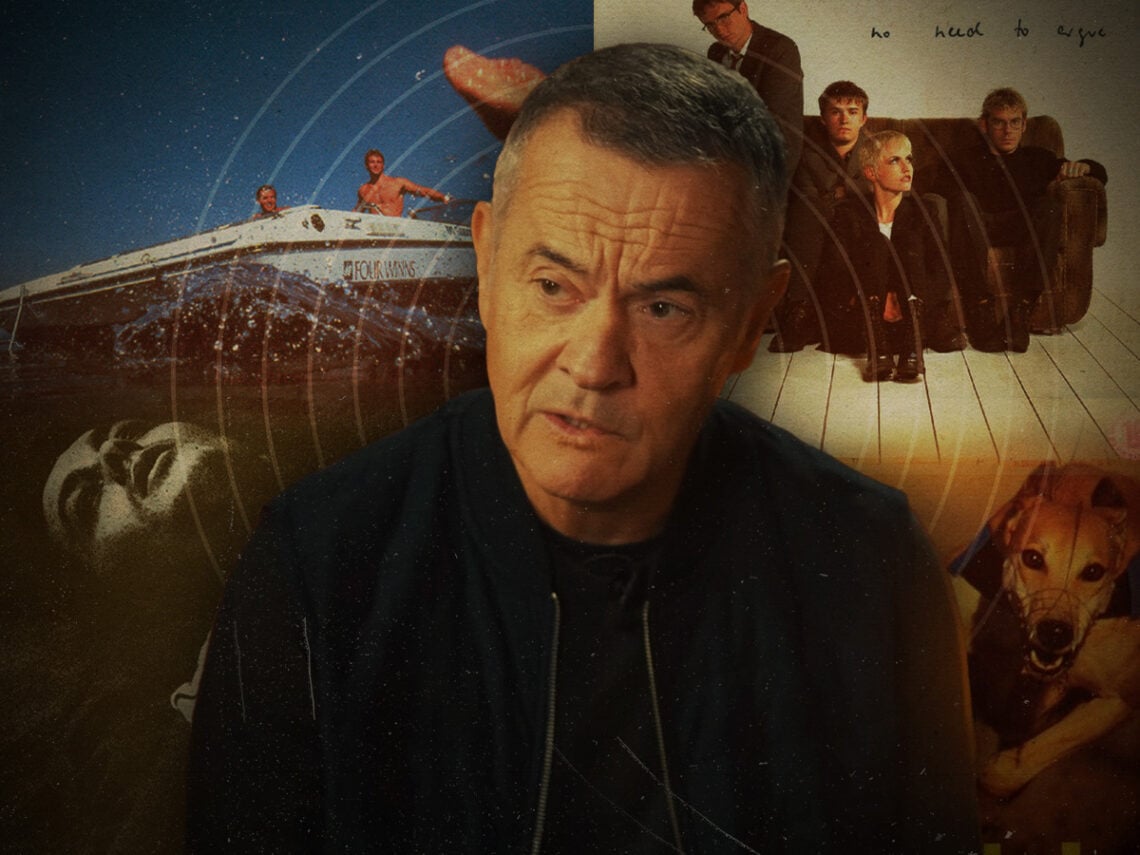
Stephen Street: The man behind the sound of The Smiths, Blur and The Cranberries

Between Generation X and Millennials, there is some debate as to which era of British indie rock fandom really reigns supreme. Was it following the rise of The Smiths in the 1980s, getting on board with Blur and Britpop in the ‘90s, or maybe the fun of the dancey post-punk revival in the 2000s with the likes of Kaiser Chiefs, Babyshambles, and The Zutons?
Producer and engineer Stephen Street is less inclined to celebrate one era over any other, because, in his own humble way, he had a hand in creating all of them.
Now 66, the London-born Street got his start in the early ‘80s as the bass player for a new wave ska band called Bim, which managed to get one of their singles, 1982’s ‘Blind Lead the Blind’, produced by The Clash’s Mick Jones. Success was not forthcoming, however, and by the age of 22, Street found himself spending more of his energy learning the ropes of sound engineering, eventually talking his way into an assistantship at Island Records’ famed Fallout Shelter studio in St Peter’s Square.
“My first job was varnishing the woodwork that went up on the walls, because they were truly refurbing the studio at the time,” Street recalled in a recent chat with Miranda Sawyer on the Talk ‘90s To Me podcast, “But it felt great, cuz I felt I was part of the team.”
After a couple of years of on-the-job training, Street became one of the in-house engineers at Island’s underground studio, and through an odd bit of good fortune, it made him the right man at the right time to cross paths with one of the most exciting new bands in the UK, one that wasn’t even part of the Island roster.
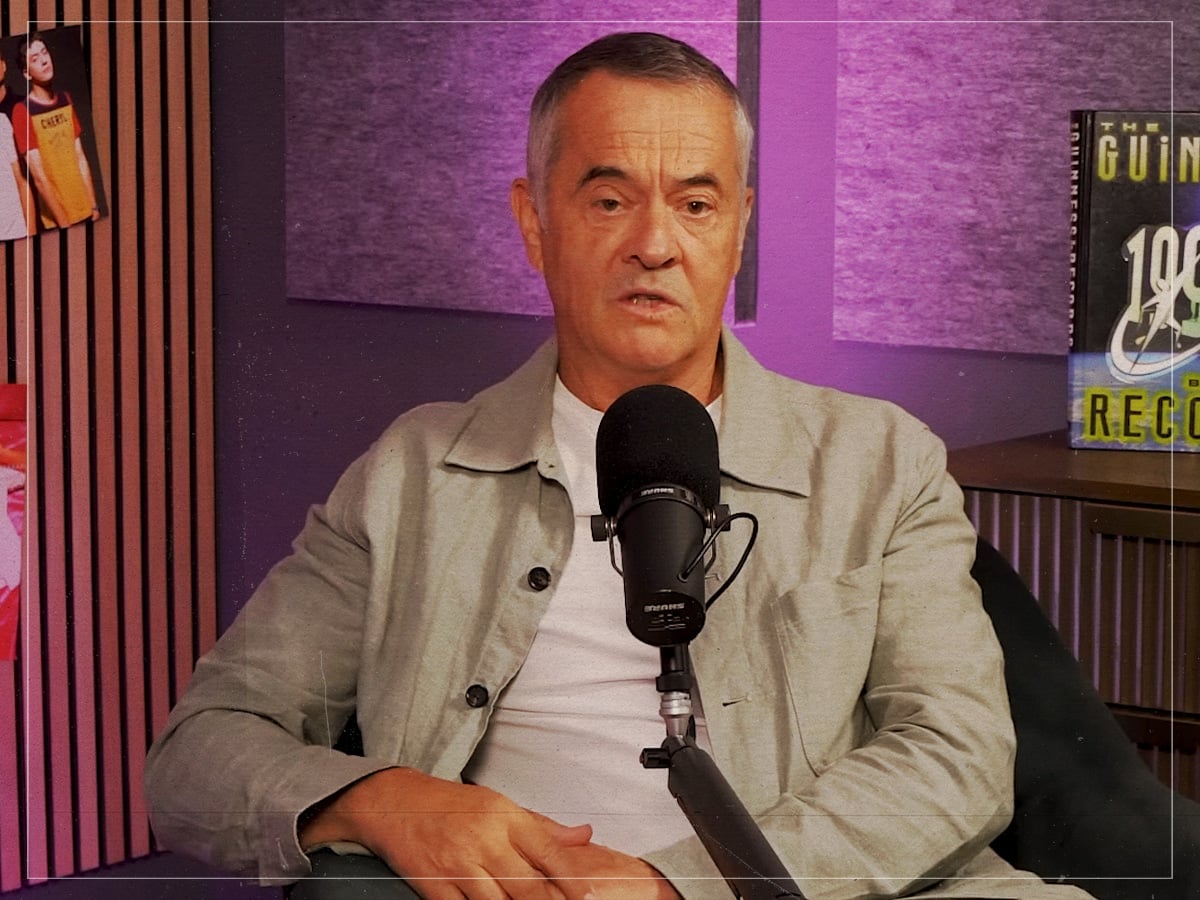
“Occasionally the studio would take in outside clients,” Street explained, “because they wanted to make a bit of money to pay for the new desk that had just gone in. So, one week, my studio manager said, ‘we’ve got a band coming at the weekend on Rough Trade, can you do the session?’ I said, ‘Yeah, who is it?’ And he said, ‘It’s a band called The Smiths’, and straight away my ears pricked up, cuz I was one of those kids that consumed the music press, you know, religiously. And already at this point, The Smiths had been making, you know, a real buzz.”
Street was roughly the same age as most of the guys in The Smiths, still in his early 20s, so his introduction to the band in the spring of 1984 was more as an equal rather than as a highly experienced engineer working with upstart musicians.
“They came in with John Porter, who was producing them at the time, and I just went out of my way to be as helpful and as on top of the game as I could possibly be,” Street recalled.
Across a three-day session, The Smiths laid down what would become their first UK top ten single, ‘Heaven Knows I’m Miserable Now’, along with the B-side ‘Suffer Little Children’. Despite the record’s success, for whatever reason, Street wasn’t invited back to engineer the band’s next single with John Porter, ‘William, It Was Really Nothing’.
When it was time to start work on the next Smiths LP, however, 1985’s Meat Is Murder, the band decided to produce the record themselves and sought out Street to be their engineer and guiding hand for the effort. In his autobiography Set the Boy Free, Smiths guitarist Johnny Marr credited Street for playing “an important part in our recording career”.
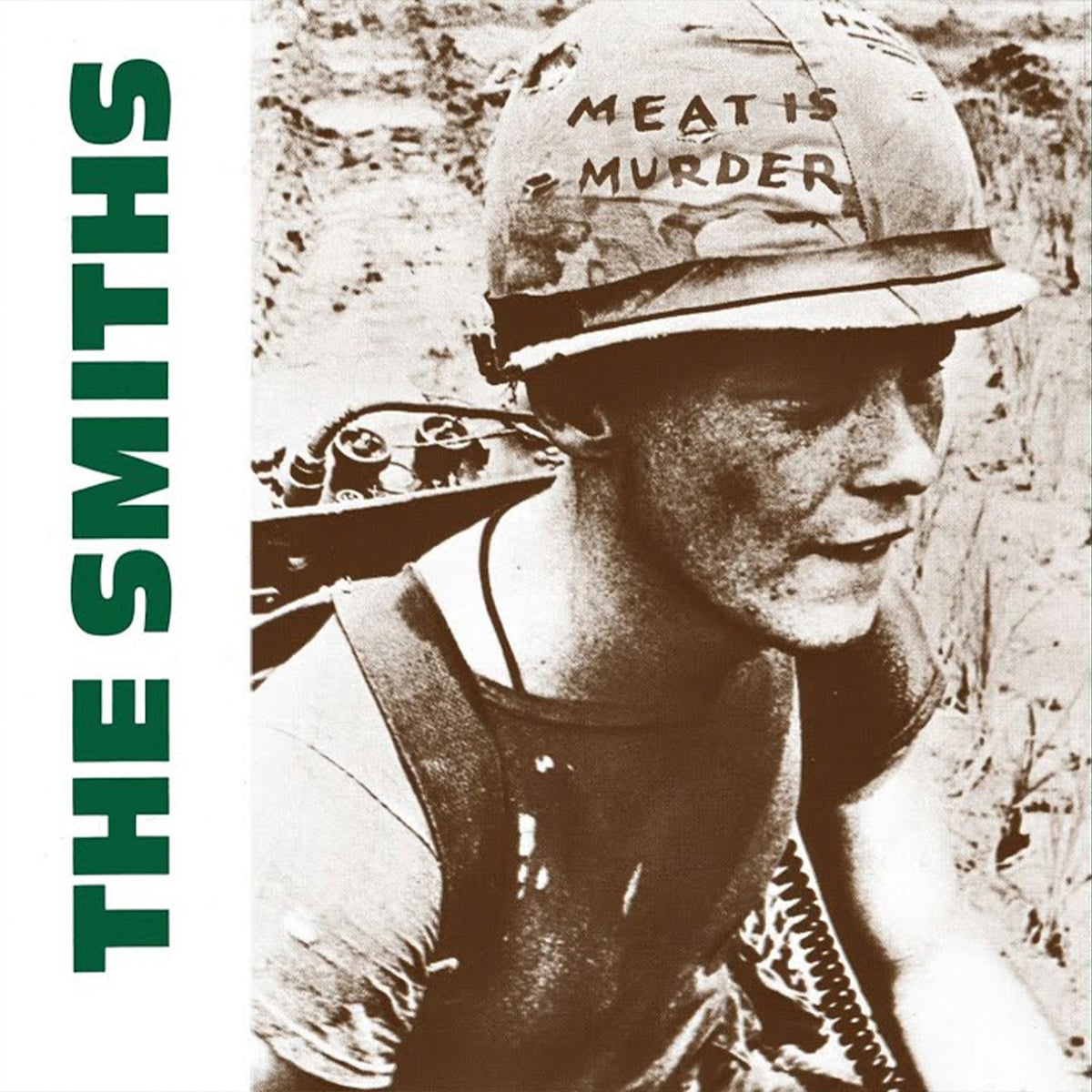
“Stephen was around the same age as us,” Marr wrote, “and like me wanted to make great records. We got totally focused on the job at hand [with Meat is Murder], and the album was sounding good from the start. The only problem for Stephen Street was that because none of the band could drive, he had to get behind the wheel of the white limo and chauffeur us through the streets of Liverpool every night.”
Street didn’t mind the extracurricular responsibilities of the gig, and his admiration for the band’s talents came through in how he worked with each member. The opening track of Meat Is Murder, ‘The Headmaster Ritual’, was a particular triumph for the rhythm section, as Mike Joyce’s driving beat and Andy Rourke’s angular basslines seemed to mesh seamlessly with Marr’s punchy lead riff, a real credit to Street’s skills behind the desk, as well as his established instincts as a bass player in his own right.
Those bass skills would prove highly necessary again a few years later when, after the unexpected demise of The Smiths following the release of Strangeways Here We Come (which Street co-produced), Street was recruited by Morrissey not just to produce his debut solo album, but to take over Marr’s role as his primary songwriting partner. Agreeing to the offer, Street assigned himself bass duties on the project and brought in the Durutti Column’s Vini Reilly as the lead guitarist for the 1988 sessions.
Street was excited about the new songs, which became the album Viva Hate, but he was also debilitated from the stress of the work, trying his best to stay in Morrissey’s good graces while also realising that, based on Moz’s popularity at the time, any failure to deliver a good record would likely fall at the feet of the inexperienced producer. Fortunately, buoyed by singles ‘Suedehead’ and ‘Everyday is Like Sunday’, Viva Hate was well received, and Stephen Street’s stock in the industry continued to grow as a result.
For several years, Street was usually free to sit back and wait for bands to call him up, leading to work with The Triffids and The Darling Buds. In 1991, though, after hearing the debut single ‘She’s So High’ by a promising new indie band called Blur, Street personally reached out to the band’s label to see if they might want to collaborate. He eventually produced half the songs on Blur’s debut full-length, Leisure, including one of the first breakout singles of Britpop, ‘There’s No Other Way’.
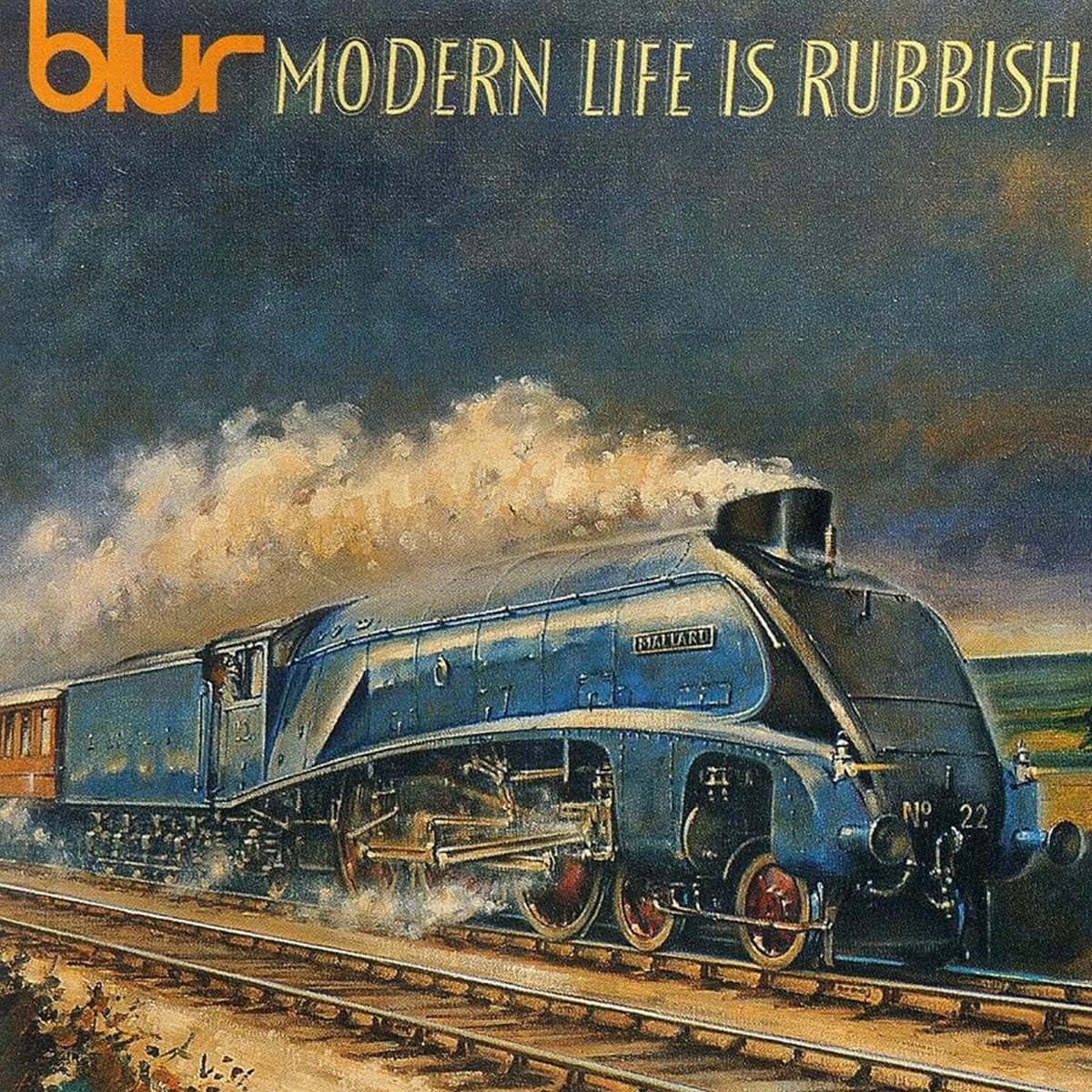
A year later, Street was disappointed to learn that Blur’s management had decided to pair them up with XTC’s Andy Partridge as the producer for their follow-up album Modern Life Is Rubbish, but fate soon intervened again. One night, he found himself at a London club watching one of the very first gigs by an upstart Irish band called The Cranberries, a group he’d been asked to potentially work with. At the same gig, Street ran into Blur guitarist Graham Coxon, who looked quite glum and told him that the Modern Life sessions weren’t going very well with Partridge.
“I kind of put my arm around him,” Street recalled, and I said, ‘Graham, you’re one of the best guitar players I ever worked with, mate. You’re going to do it. You’ll be fine. I promise you, you just stick with it’. Anyway, he must have gone back and spoke with Damon [Albarn], cuz a couple of days later, I get a call from Damon going, ‘Alright, Streety, you wanna have a meeting, a chat?’”
Soon enough, Street was back in the studio with Blur, working not just on Modern Life, but on their next three genre-defining records, 1994’s Parklife, 1995’s The Great Escape, and the self-titled 1997 Blur, and simultaneously, that aforementioned little Irish band, fronted by the painfully shy Dolores O’Riordan, became the single most commercially successful band Street ever worked with. The Cranberries’ humble, initially overlooked debut album, 1993’s Everybody Else is Doing It, So Why Can’t We, slowly built momentum behind the singles ‘Dreams’ and ‘Linger’, and became a giant hit across the Atlantic and the world.
Their next Street-produced album, No Need to Argue, included the grungy single ‘Zombie’, and cemented Street’s position as the go-to indie producer of the moment. Unlike a lot of high-profile rock producers, however, he didn’t bring an instantly recognisable style to the records he made.
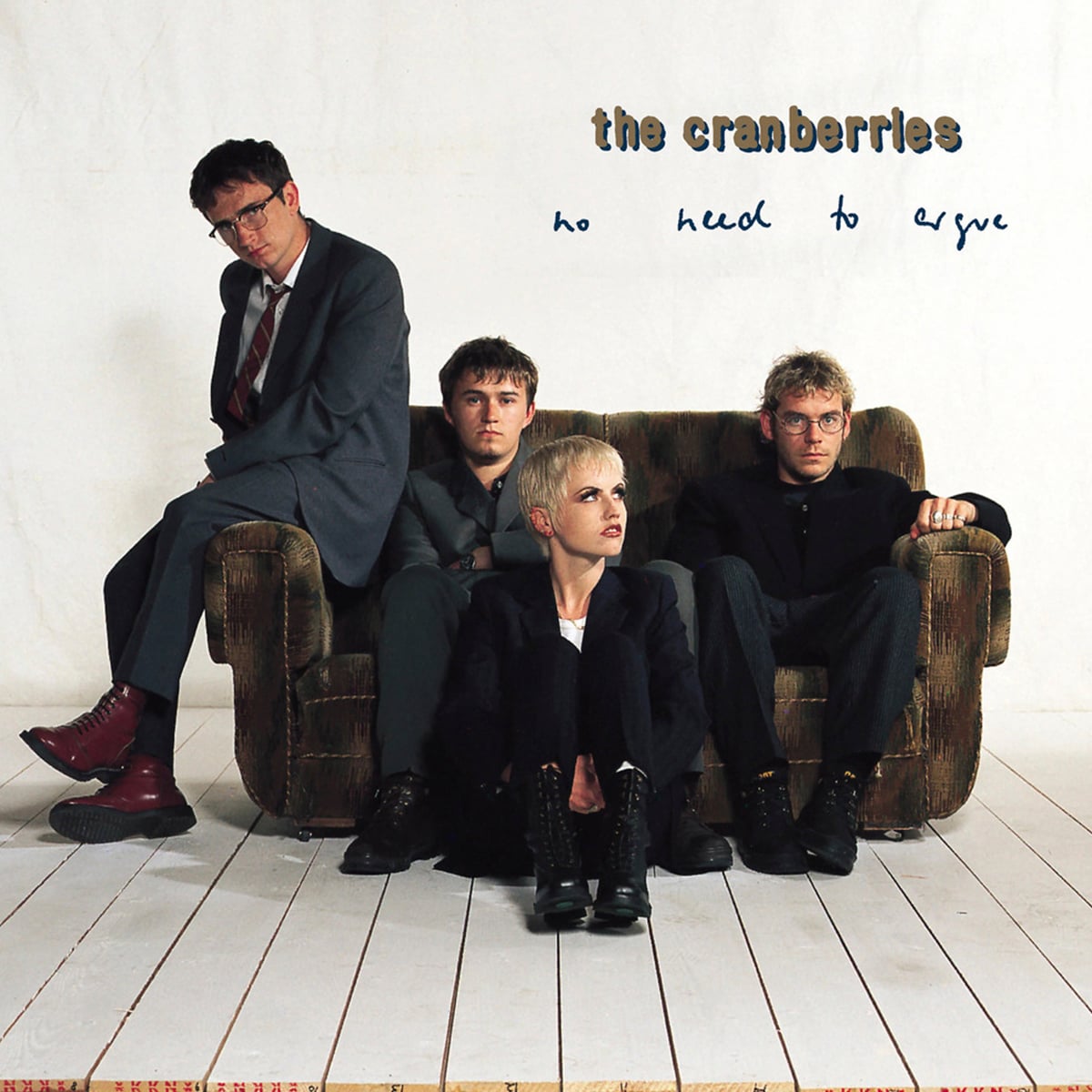
“If you listen to The Cranberries and Blur’s latest albums, they sound completely different,” Street told Sound on Sound magazine at the height of his powers in 1994, “What I try and do is take an aural snapshot of the band as they are at that point in their career, so that I can capture the essence of the band on tape. I like to be invisible. I don’t want to have a trademark sound so that every act I work with ends up getting the same treatment.”
He explained further, “The best bands I’ve worked with are all very strong‑willed people. They have all got a true belief in what they are doing. In that type of situation, you find that the best ideas come from the artist… I like it when an artist says ‘I want to do this’ and pushes me a bit because that makes me work harder and we end up with a better record.”
In the wake of the success of Blur and The Cranberries, Street produced a lot of records by second-wave Britpop acts like Catatonia, Sleeper, and Shed Seven in the late ‘90s, then was trusted to handle the early efforts by another crop of new, promising bands in the 2000s, comprising The Ordinary Boys, Kaiser Chiefs (including their monster hit ‘I Predict a Riot’), Zutons, Maccabees, Courteeners, Mystery Jets, and several Pete Doherty projects. He’s also gotten the chance to work with older artists he always admired, such as The Pretenders and New Order.
The thread that connects it all?
“The main thing is that I like a good vocal,” Street told Tape Op in 2008, “There’s something there that grabs me if I like the melody… I grew up on [Marc] Bolan and [David] Bowie. Those two guys were my heroes when I was a kid… I liked that pop sensibility that they had. I think that’s still at the heart of what I do, really.”
