


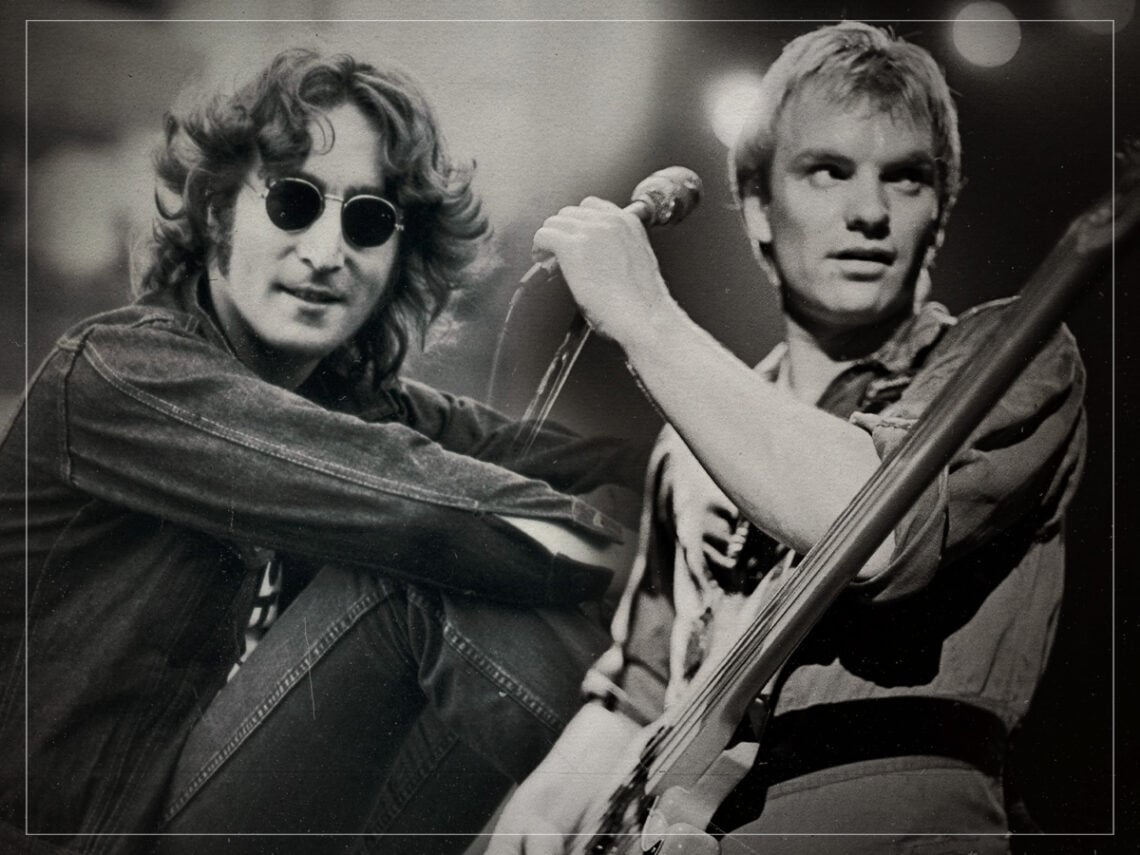
“A mountain disappears”: the shocking moment Sting found out about the death of John Lennon

Nobody in the world of rock and pop was unaffected by the devastating murder of John Lennon, a tragic shockwave felt no less by Sting than every other peer across the disparate corners of pop.
There’s plenty about Lennon’s assassination that struck the world for the grim new era it ushered in. Celebrity obsession was nothing new, a fact any member of the Fab Four knew all too well during their Beatlemania peak, but it was the first time the public was introduced to the horrifying depths fanaticism can lead to. Assassinations had an unfortunate precedent in the political realm, but the former carefree spirit enjoyed by artists and entertainment figures was struck dead by Mark David Chapman’s .38 bullets on December 8th, 1980.
The intensity of the mourning was a confluence of many factors. It wasn’t just Lennon’s stature as a former Beatle nor the political radicalism he’d become a figurehead from his solo career, but the cruel timing that compounded the grief felt across the world. It’s actually forgotten just how tepid Double Fantasy was critically received a month before the murder, the press quite rightly fatigued of Lennon and Yoko Ono’s assumption that their marriage was as fascinating as they found themselves.
Yet, such a negative reception was swiftly expunged from the collective memory after Lennon’s death. Whatever Double Fantasy’s merits, it became impossible to separate Lennon’s final LP from its eulogical context, as well as the painful robbery of future Lennon cuts for the new decade after his five years away fulfilling ‘house husband’ duties, as well as the mooted world tour for 1981.
People had grown up with Lennon. A whole generation of post-war kids had marked their lives in tandem with The Beatles, fresh-faced and wide-eyed during their early pop blitz, maturing alongside Rubber Soul’s emerging sophistication, growing your hair out and embracing the countercultural hedonism while listening to ‘I Am the Walrus’, stumbling either side of 30 for Let It Be as you accrued some responsibility, then finding yourself at home raising a family just as Lennon was penning his ‘Beautiful Boy’ ode to his son Sean.
Such a soundtrack fostered an intimate relationship with Lennon’s songbook. From Stevie Wonder to Geddy Lee, Wycleaf Jean to Joe Strummer, every corner of the music world felt the weight of loss when first hearing of Lennon’s brutal end. The Police were do different. Playing Miami’s Sunrise Musical Theatre on the evening of the 8th, Sting and co had just finished playing ‘So Lonely’ before being informed of the dire news.
“I was told that he’d been shot, and I had the reaction that everybody had – disbelief, shock, horror,” Sting recalled to The Guardian in 2000. “What happens when people like him die is that the landscape changes. You know, a mountain disappears, a river is gone. And I think his death was probably as significant as that.”
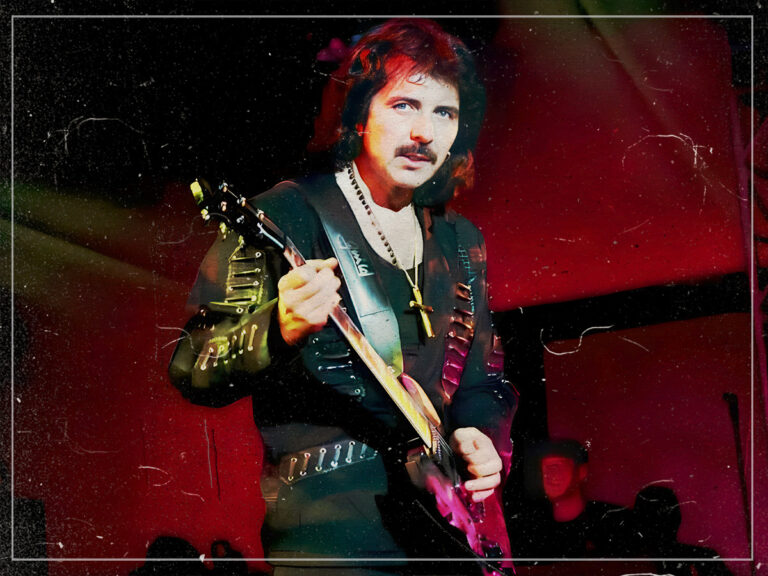
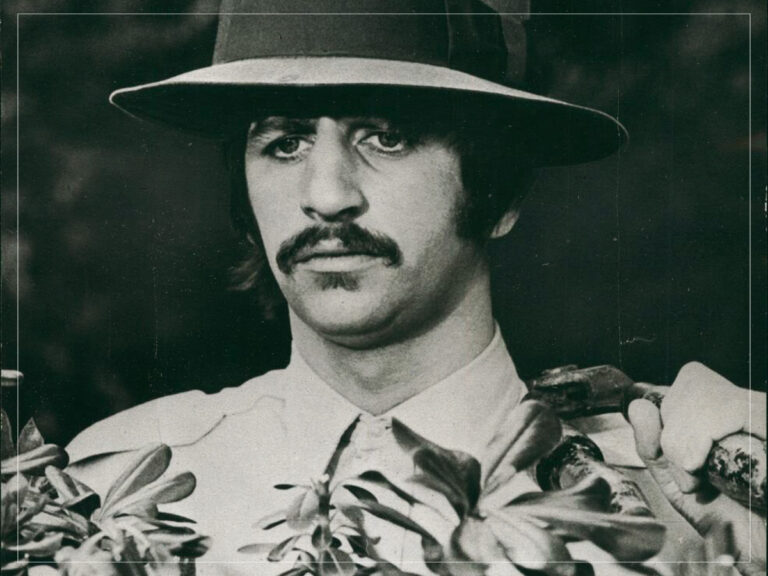
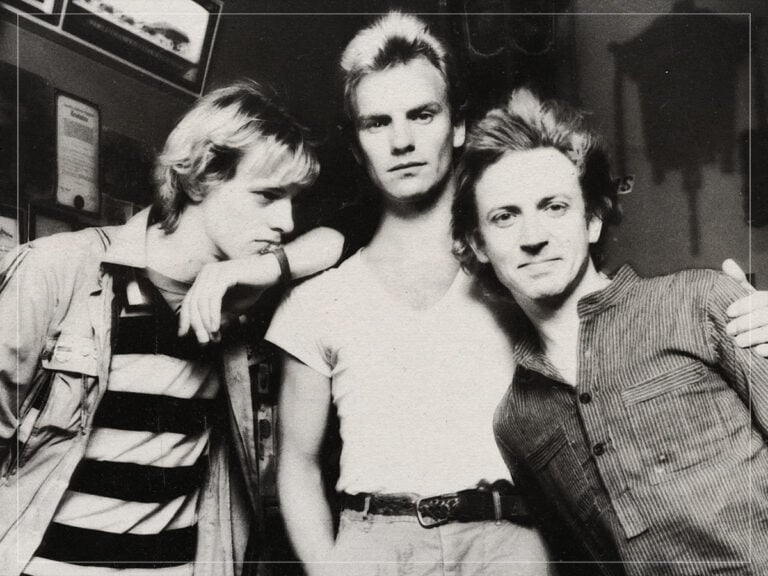
Sting had taken many notes from the ground The Beatles broke, hailing from the Northern working-class areas, bringing that Mersey sensibility to their work and image and shaping rock in their own fashion and showing the young boy in the shipbuilding town of Tyneside’s Wallsend the pop heights waiting to be conquered. Lennon and the electric rush of Beatlemania afforded a generation of budding Brit rock and roll hopefuls the glimmer that it was possible, a fact likely not lost on Sting that night, walking off stage in the moment music was never the same again.
“That was the blueprint for lots of other British kids to try to do the same,” Sting reflected on The Beatles’ impact, before considering New York’s Dakota Building and its locale of Lennon’s final moments.
Concluding, “We all miss him, and I think about him every time I walk by that building.”

Never Miss A Beat
The Far Out Beatles Newsletter
All the latest stories about The Beatles from the independent voice of culture.
Straight to your inbox.